
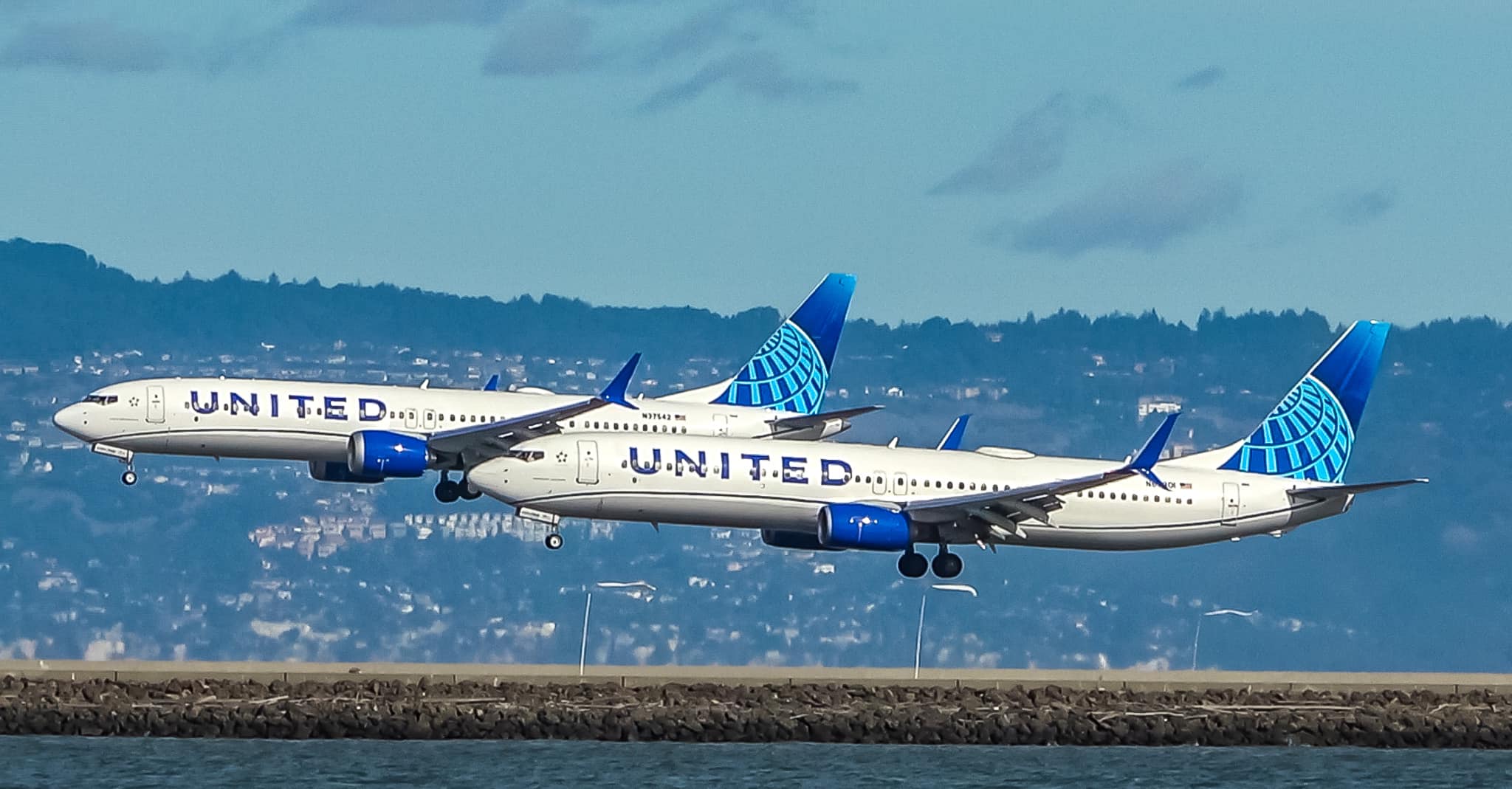
Travelers at San Francisco International Airport (SFO) are facing a turbulent spring as the Federal Aviation Administration (FAA) has officially barred the airport’s iconic "side-by-side" parallel landing approach. The directive, which took effect on March 31, 2026, coincides with a massive six-month runway reconstruction project, creating a "perfect storm" for air traffic congestion at one of the nation's busiest hubs.
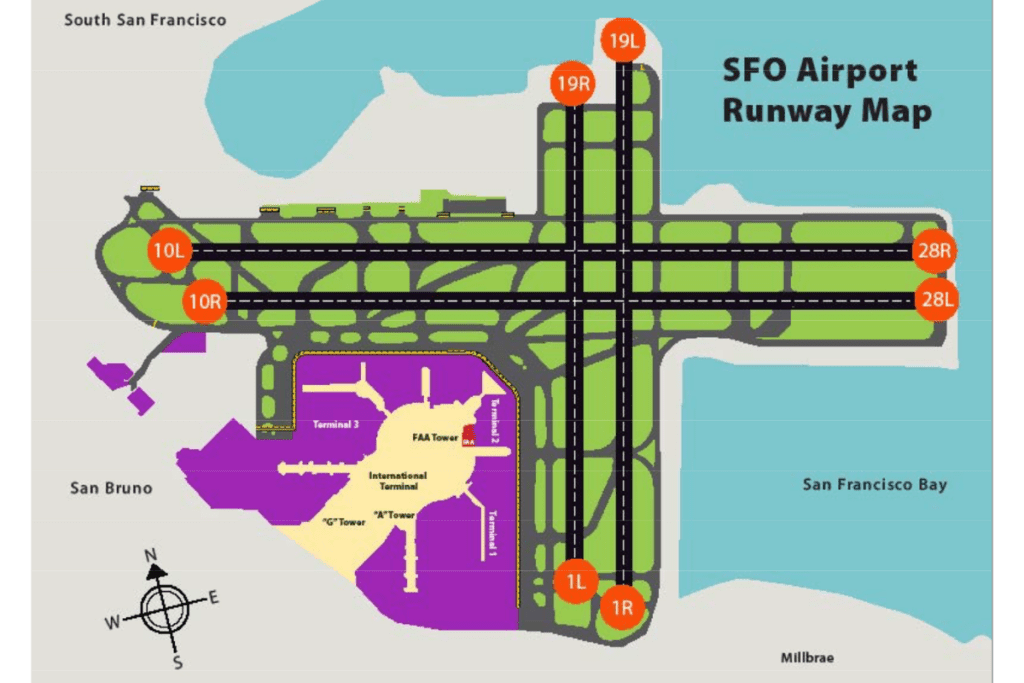
For decades, the sight of two massive airliners descending in unison toward runways 28L and 28R was a hallmark of the SFO experience and a critical tool for maintaining high arrival rates. However, the FAA has now deemed the practice too risky to continue while the airport's other two runways, 1R and 19L, are closed for a $180 million repaving and lighting upgrade.

Photo: Facebook/ Steven Markovich
A New Safety Mandate
The decision stems from a new FAA safety measure designed to eliminate the narrow margin of error inherent in parallel landings when runways are separated by only 750 feet. Under the new rules, aircraft must maintain a "staggered" formation, even in clear weather, effectively halving the number of planes that can touch down during peak hours.
“San Francisco International Airport (SFO) will experience some flight delays due to a runway repaving project and an FAA safety measure,” an FAA spokesperson confirmed in an official statement this morning. “The FAA safety measure prohibits flights from making side-by-side approaches to SFO's parallel east-west runways in clear weather when the pilots acknowledge having the other aircraft in sight.”
The agency further clarified the operational shift, stating, “It requires staggered approaches, with one aircraft offset from the aircraft on the parallel runway. The FAA never allowed side-by-side approaches in bad weather.”
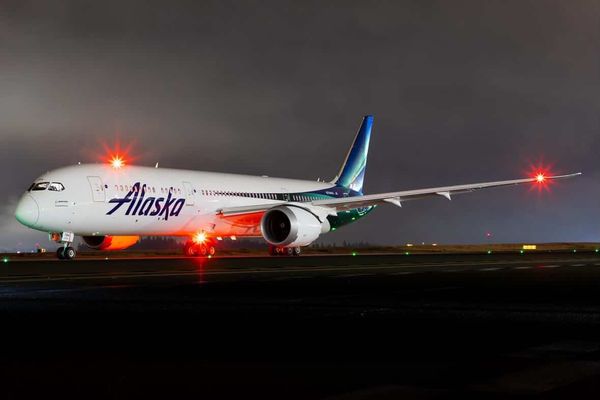
Alaska Goes Global: How Hawaiian Airlines Changed the Carrier’s Future
Operational Impact and Construction Hurdles
The timing of the ban is particularly challenging. On March 30, 2026, SFO began a 186-day closure of Runway 1R/19L, which typically handles a large volume of narrow-body departures. With that runway out of commission until October, all takeoffs and landings have been compressed onto the 28L and 28R parallel pair.
Aviation analysts warn that the loss of the simultaneous arrival capacity could drop SFO’s arrival flow rate from approximately 60 aircraft per hour to as low as 30 to 35. While airport officials initially projected that “less than 10% of flights will experience delays, primarily during high-demand periods,” the reality on the tarmac today suggests a more significant disruption.
“The FAA is exploring ways to safely increase the airport arrival rate,” the agency added, acknowledging the mounting pressure from major carriers like United and Alaska Airlines, which operate extensive hub operations at the field.
Navigating the Delay
The FAA’s move follows months of industry rumors that parallel visual approaches might be permanently phased out due to wake turbulence concerns and high-resolution radar findings. For passengers, this means that even on the sunniest California days, the airport will operate with the restricted capacity usually reserved for heavy fog. Travelers are being advised to book earlier flights and allow at least two to three hours for connections to account for the anticipated 30-to-60-minute "staggered arrival" delays.
SFO High-Volume Corridors
The following operations reflect the primary shuttle and hub routes currently affected by the new staggered arrival requirements and the Ground Delay Programs (GDP) implemented on March 31, 2026.
| Flight No. | Route | Departure Time | Arrival Time | Duration | Operating Days |
|---|---|---|---|---|---|
| UA 2418 | Los Angeles (LAX) – San Francisco (SFO) | 08:30 AM | 10:15 AM | 1h 45m | Daily |
| AS 1215 | Seattle (SEA) – San Francisco (SFO) | 07:15 AM | 09:28 AM | 2h 13m | Daily |
| DL 2584 | Salt Lake City (SLC) – San Francisco (SFO) | 11:10 AM | 12:45 PM | 2h 35m | Daily |
| UA 1902 | Chicago (ORD) – San Francisco (SFO) | 09:00 AM | 11:42 AM | 4h 42m | Daily |
| WN 1421 | San Diego (SAN) – San Francisco (SFO) | 01:25 PM | 03:00 PM | 1h 35m | Daily |
As the "summer of delays" begins at SFO, the aviation community remains divided on whether this safety measure is a temporary precaution or the beginning of a permanent shift in how closely spaced parallel runways are managed worldwide. For now, the iconic "wingtip-to-wingtip" views over the San Francisco Bay have officially been cleared from the arrival board.
How the AI Chip Boom Is Squeezing Transpacific Air Cargo » Army Report Points to Systemic Failures in Deadly Black Hawk Collision Near Reagan National » Saab Weighs Canadian GlobalEye Production Line to Match Growing Surveillance Aircraft Orders »

Comments (1)
 pzamoyski
I do not see what has actually changed at SFO for the FAA to implement this restriction, except for the closure of 01R-19L. I can understand the restriction during low visibility days, but clear and a million should not cause any disruption. I'm probably missing something here, but then the FAA doesn't do things with any rational thought, I think this is a CYA to avoid any blame if there is an incident.
pzamoyski
I do not see what has actually changed at SFO for the FAA to implement this restriction, except for the closure of 01R-19L. I can understand the restriction during low visibility days, but clear and a million should not cause any disruption. I'm probably missing something here, but then the FAA doesn't do things with any rational thought, I think this is a CYA to avoid any blame if there is an incident.
Add Your Comment
TAGS
NEWS SFO FAA Flight Delays Aviation Safety San Francisco Airport Travel Advisory FlightsRECENTLY PUBLISHED
 United and Air Canada Push to Expand Joint Venture Amid Cross-Border Travel Strains
United Airlines and Air Canada plan to add routes to their joint venture as political tensions dampen travel demand between the two countries.
NEWS
READ MORE »
United and Air Canada Push to Expand Joint Venture Amid Cross-Border Travel Strains
United Airlines and Air Canada plan to add routes to their joint venture as political tensions dampen travel demand between the two countries.
NEWS
READ MORE »
 Why the A-10 Warthog's Nose Gear Is Offset to the Right
Why the A-10 Warthog’s nose wheel sits off-center, and how its massive GAU-8 Avenger cannon dictated the aircraft’s design.
INFORMATIONAL
READ MORE »
Why the A-10 Warthog's Nose Gear Is Offset to the Right
Why the A-10 Warthog’s nose wheel sits off-center, and how its massive GAU-8 Avenger cannon dictated the aircraft’s design.
INFORMATIONAL
READ MORE »
 6 Key Rules for Claiming Citizenship Status Through Your Parents or Grandparents
If you want to know about ancestry rights in Canadian citizenship law, you need to understand what has changed in the rules lately.
INFORMATIONAL
READ MORE »
6 Key Rules for Claiming Citizenship Status Through Your Parents or Grandparents
If you want to know about ancestry rights in Canadian citizenship law, you need to understand what has changed in the rules lately.
INFORMATIONAL
READ MORE »
More than just headlines.
Get unlimited ad-free access to in-depth aviation news, premium stories, and exclusive insights other sites don't cover.
- Ad-free browsing on AeroXplorer
- Unlimited access to premium and exclusive articles
- Higher photo upload limits & commissions on sales
- Free access to Jetstream Magazine on higher tiers
- Ad-free browsing
- Sell aviation photos with 60% commission
- First week free!
- Everything in Basic+
- Unlimited premium articles
- Sell aviation photos with 70% commission
- Free Digital subscription to Jetstream Magazine
- First week free!
- Everything in Basic+ and Pro
- Sell aviaiton photos with 80% commission
- Early access to exclusive stories
- Free Digital+Print subscription to Jetstream Magazine