
Originally published in Jetstream Magazine.
On December 3, 2023, Alaska Air Group announced one of the most consequential deals in its history: the nearly $2 billion acquisition of Hawaiian Airlines. At first glance, the transaction appeared to strengthen Alaska's position across the U.S. West Coast. But in reality, it launched something far more significant: Alaska's ability to transform itself into a global carrier.

Thanks to an expanded fleet, more change is on the horizon for Alaska Airlines. For the first time in its history, the carrier will begin offering long-haul flights from its hub at Seattle-Tacoma International Airport. Though this strategic choice is a deviation from Alaska’s traditional business model, it seems the airline finally has the fleet, conditions, and capability to make a global network profitable. Though this opportunity could be very lucrative for Alaska, it also comes with its own set of challenges. Will Alaska be able to find its footing in the long-haul market?
Alaska Can Finally Pursue Its Global Aspirations
Before its merger, if Alaska wanted to enter long-haul markets, it would have to contend with Airbus and Boeing’s extensive order backlogs for aircraft capable of flying longer distances. This makes Hawaiian’s fleet of widebody aircraft one of the most valuable assets of the acquisition. Alaska has only ever operated narrowbody jets, which has constrained its network to short and medium-haul services throughout North America. The carrier’s growth prospects have now expanded significantly.
Alaska Airlines Fleet (As of March 2026)
| Aircraft Type | Fleet Size | Average Age |
| Boeing 737-700 | 14 | 25.7 yrs |
| Boeing 737-800 | 61 | 17.9 yrs |
| Boeing 737-900ER | 79 | 10.1 yrs |
| Boeing 737 MAX 8 | 14 | 1 yr |
| Boeing 737 MAX 9 | 80 | 3.4 yrs |
| Boeing 787-9 | 4 | 2.4 yrs |
| Embraer ERJ-175 | 89 | 6.8 yrs |
| TOTAL | 340 | 9.3 yrs |
Hawaiian Airlines Fleet (As of March 2026)
| Aircraft Type | Fleet Size | Average Age |
| Airbus A321neo | 18 | 7.2 yrs |
| Airbus A330-200 | 24 | 12.8 yrs |
| Airbus A330-300 | 10 | 12.3 yrs |
| Boeing 717-200 | 19 | 24.1 yrs |
| Boeing 787-9 | 2 | 0.9 yrs |
| TOTAL | 73 | 14 yrs |
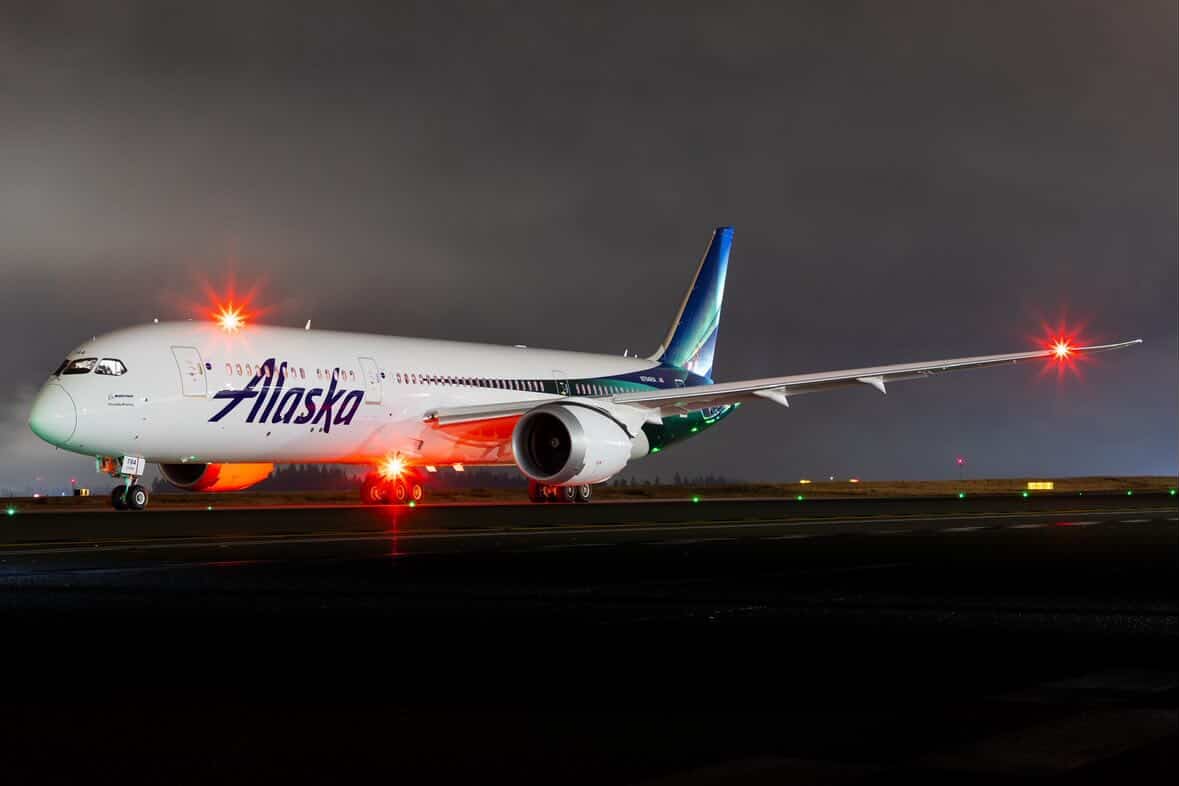
Hawaiian Airlines boasts a large fleet of long-haul jets that Alaska could use almost immediately. This allowed the carrier to launch a more rapid expansion into long-haul services from the continental United States, which have been popular with US travelers in the post-COVID travel boom. Hawaiian’s widebody fleet includes 24 Airbus A330-200 jets and five Boeing 787-9 Dreamliners. Two of these aircraft have already been painted in Alaska’s livery.

Alaska selected the 787 to operate its first European flights, likely due to its enhanced efficiency and improved passenger experience. The aircraft is popular among passengers, thanks to quieter engines and a lower cabin altitude. These aircraft are currently configured to seat 300 passengers, with 34 Business Class seats, 79 Premium seats, and 187 Main Cabin seats. However, Hawaiian’s 787s do come with some limitations that threaten to erode Alaska’s competitive positioning.
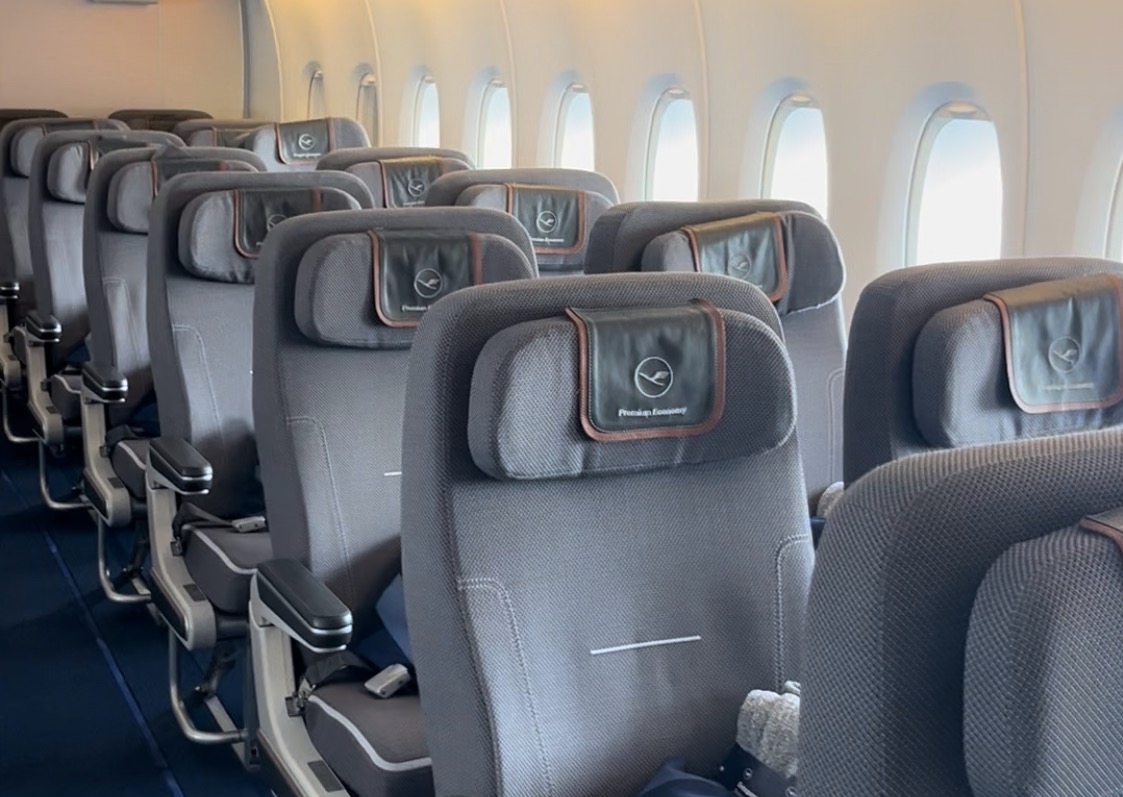
Most notably, the cabin lacks a true Premium Economy product. The seats it currently markets as “Premium” are simply extra legroom economy seats. Meanwhile, most long-haul competitors offer a Premium Economy product closer to a domestic first-class seat: a larger, padded recliner with more seat pitch and additional enhanced features like larger IFE screens and amenity kits. Alaska's leadership has indicated plans to introduce such a product by 2028, but for the time being, it risks losing passengers searching for a compromise between Business Class and Economy.
Alaska seems confident in the introduction of widebody aircraft to its fleet. In fact, at the start of the year, it placed a massive order for over 100 additional Boeing jets. This deal includes five orders of the Boeing 787-10, the largest Dreamliner variant produced by Boeing. It seems Hawaiian’s initial long-haul jets were just the beginning for Alaska’s fleet diversification, opening new growth prospects across the world.
New Markets
While eyes have turned towards Alaska’s European debut, the carrier has already started its long-haul expansion from Seattle with new routes to Asia. Through Hawaiian Airlines, it launched nonstop flights to both Seoul-Incheon and Tokyo Narita Airport last year. These flights were initially operated by Hawaiian’s A330 aircraft, but are now primarily served by the Boeing 787.
The decision to enter these markets was likely influenced by Hawaiian’s existing network. The carrier already served these cities from its hub in Honolulu, allowing Seattle flights to be launched relatively quickly, as the infrastructure was already in place. Additionally, a sizable number of passengers travel between these two cities and Seattle. In 2025 alone, 172,735 passengers flew nonstop between Seoul-Incheon and Seattle on Korean Air. Meanwhile, 207,266 passengers flew nonstop between Seattle and Tokyo. Entering such large markets while using Hawaiian’s existing infrastructure made these route additions a natural choice for the airline.
Passengers Traveling Between Seattle and Seoul-Incheon on Foreign Airlines YoY

Passengers Traveling Between Seattle and Tokyo on Foreign Airlines YoY

Because neither Alaska nor Hawaiian has previously served destinations in Europe, the rationale behind selecting London Heathrow, Rome, and Reykjavík as initial European destinations is less straightforward than Alaska’s transpacific expansion. However, the characteristics of these markets make them natural additions to Alaska’s network as well.
The choice to serve London is a testament to both the size of the market and the power of Oneworld Alliance. London is a major tourism and business destination, but thanks to Alaska’s membership in Oneworld Alliance, passengers can be routed to other destinations across Europe via partner British Airways. Heathrow Airport slots are notoriously difficult to obtain, so Oneworld proved particularly vital in securing access to such a lucrative airport. The carrier plans to use a slot pair provided by American Airlines to serve the gateway.
The decision to serve both Rome and Reykjavík is likely oriented towards leisure travelers, especially as demand for European flights from the United States continues to boom. For example, last year, over 22 million tourists flocked to Rome. Though this destination has never been served by nonstop flights from Seattle, Alaska believes that strong demand for European travel, combined with a powerful feeder network in Seattle, will allow these flights to remain profitable throughout the summer season when the route is served.
Challenges to Global Expansion
Alaska’s entry into the European market marks an important chapter in the company’s history. While the airline now possesses the aircraft needed to compete globally and plans to do so in high-demand European markets, the carrier’s growth will certainly face challenges from rival carriers.
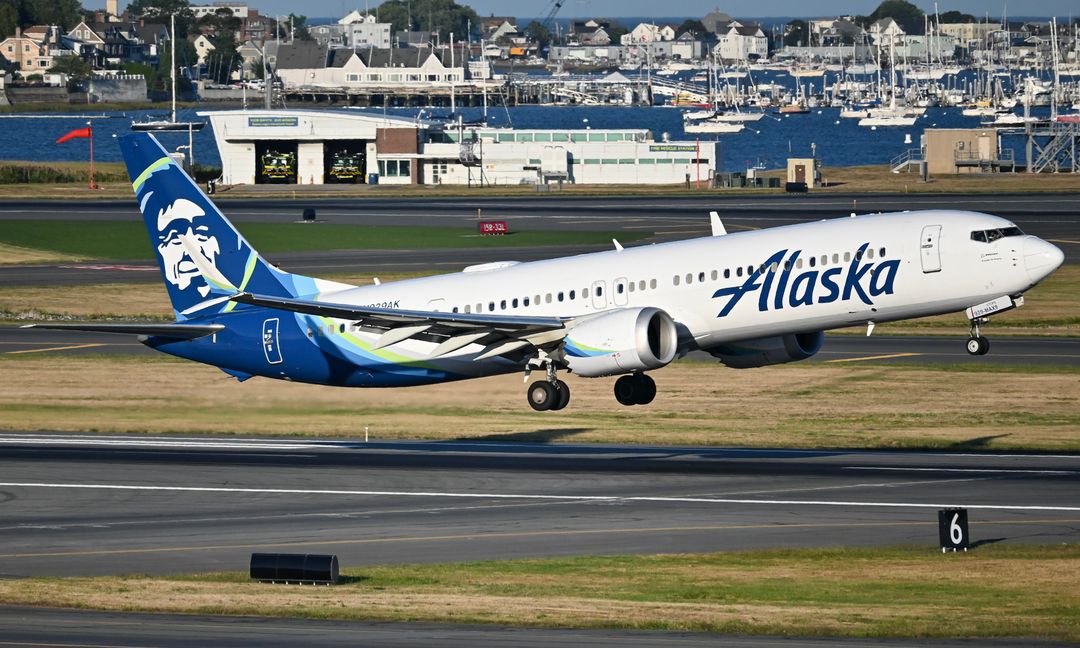
Alaska’s most notable opposition is from Delta Air Lines. The Atlanta-based carrier has been competing for the loyalty of Seattle travelers since it established a Seattle hub in 2014. Though it operates far fewer flights than Alaska in Seattle, Delta has enjoyed no opposition from Alaska on long-haul routes for nearly a decade. Alaska’s expansion certainly changes things, and Delta has already retaliated by launching nonstop flights to Rome of its own, as well as services to Barcelona. The carrier already flies to London Heathrow daily.
Delta is certainly a fierce competitor, but Alaska’s brand might prove to be greatly beneficial as it goes up against its powerful rival. Despite Delta’s expansion in Seattle in recent years, the two carriers’ market share suggests that Alaska remains Seattle’s preferred carrier:
| Alaska SEA Market Share | Delta SEA Market Share | |
| June 2014 | 40% | 10% |
| June 2025 | 49% | 19% |
Only time will tell if Alaska’s European services meet the expectations of its leadership team. While Alaska’s lack of a true Premium Economy product and intense competition from Delta could hinder the airline’s long-haul ambitions, the carrier’s strong Seattle presence and strategic selection of new markets could position it for long-term success as it enters a new chapter.
This content is only available with an AeroXplorer+ subscription.
Power Bank Fire in Overhead Bin Forces IndiGo A321neo to Divert » US State Department Warns of Threats to Airlines and Airports in Saudi Arabia Following Deadly Houthi Attacks » Southwest Airlines Becomes First US Carrier to Integrate Flight Booking Into ChatGPT »

Comments (0)
Add Your Comment
TAGS
INFORMATIONAL Alaska Air Alaska Travel Hawaiian Seattle Hub Airline Economics Airlines BoeingRECENTLY PUBLISHED
 NetJets Expands US Footprint With Three New Private Terminals and Larger Palm Beach Facility
NetJets announces exclusive-use terminals in Dallas, Washington, and Palm Beach, expanding private aviation infrastructure across key US markets.
NEWS
READ MORE »
NetJets Expands US Footprint With Three New Private Terminals and Larger Palm Beach Facility
NetJets announces exclusive-use terminals in Dallas, Washington, and Palm Beach, expanding private aviation infrastructure across key US markets.
NEWS
READ MORE »
 Army Report Points to Systemic Failures in Deadly Black Hawk Collision Near Reagan National
A new Army report identifies systemic failures behind the January collision between a UH-60L Black Hawk and American Airlines Flight 5342 near Washington.
NEWS
READ MORE »
Army Report Points to Systemic Failures in Deadly Black Hawk Collision Near Reagan National
A new Army report identifies systemic failures behind the January collision between a UH-60L Black Hawk and American Airlines Flight 5342 near Washington.
NEWS
READ MORE »
 Why Did Some Air India A320s Have Extra Wheels? Bogie Gear Explained
Why Air India operated select Airbus A320s with an unusual bogie landing gear.
INFORMATIONAL
READ MORE »
Why Did Some Air India A320s Have Extra Wheels? Bogie Gear Explained
Why Air India operated select Airbus A320s with an unusual bogie landing gear.
INFORMATIONAL
READ MORE »
More than just headlines.
Get unlimited ad-free access to in-depth aviation news, premium stories, and exclusive insights other sites don't cover.
- Ad-free browsing on AeroXplorer
- Unlimited access to premium and exclusive articles
- Higher photo upload limits & commissions on sales
- Free access to Jetstream Magazine on higher tiers
- Ad-free browsing
- Sell aviation photos with 60% commission
- First week free!
- Everything in Basic+
- Unlimited premium articles
- Sell aviation photos with 70% commission
- Free Digital subscription to Jetstream Magazine
- First week free!
- Everything in Basic+ and Pro
- Sell aviaiton photos with 80% commission
- Early access to exclusive stories
- Free Digital+Print subscription to Jetstream Magazine