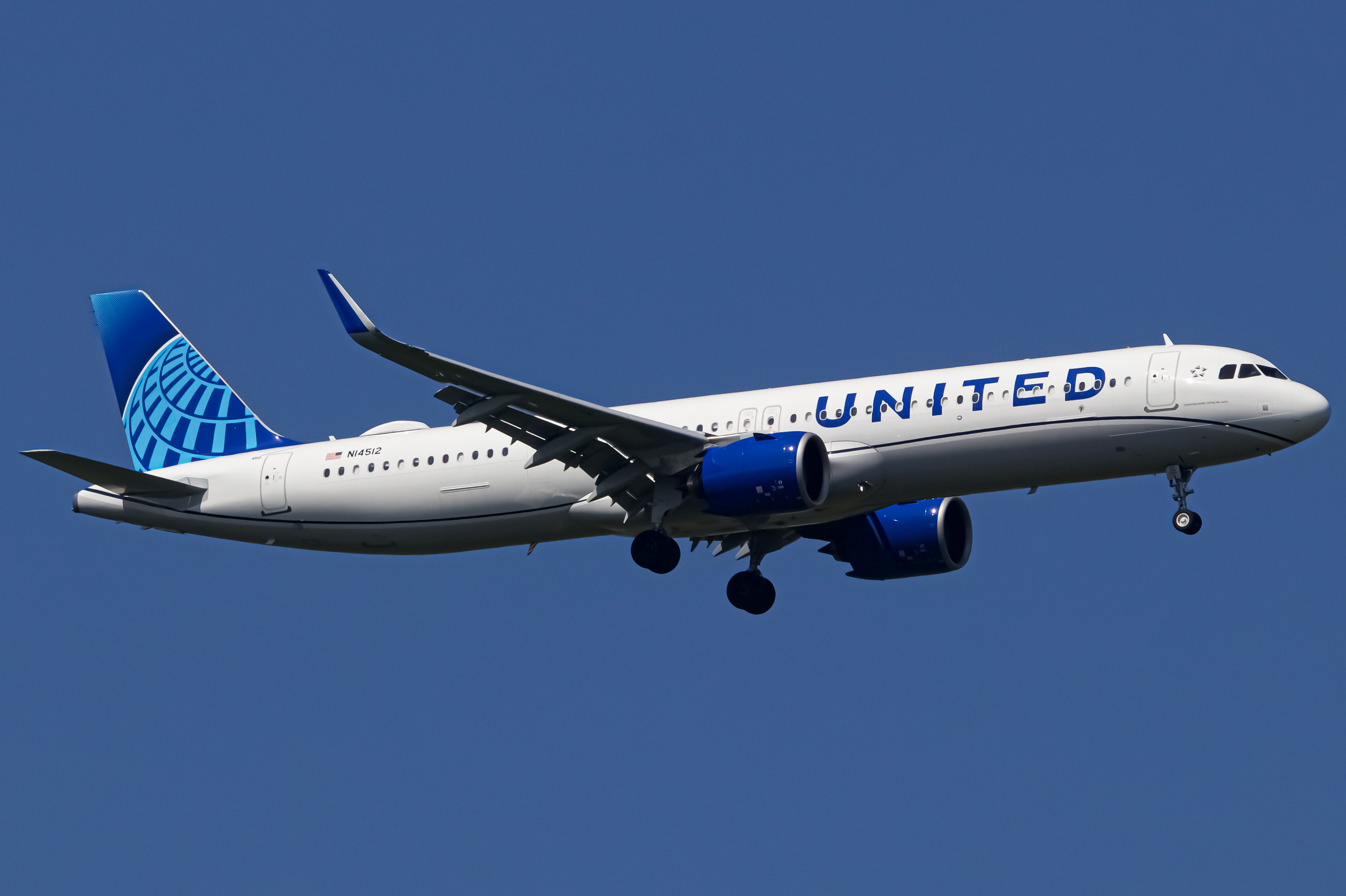

United Airlines has begun terminating flight attendants who fail to report for reserve duty assignments, a disciplinary crackdown that has drawn strong objections from the cabin crew's union. The carrier argues that missed reserve shifts disrupt operations, while the Association of Flight Attendants (AFA-CWA) contends that the airline is applying an overly rigid standard to a workforce navigating exhausting schedules.
The dispute centers on reserve duty, a scheduling system familiar to any aviation enthusiast tracking crew operations. Reserve flight attendants remain on call to cover trips left open by illness, delays, or last-minute crew shortages. When a reserve crew member fails to answer a crew scheduling call or does not report for an assigned trip, United classifies the absence as a "no-show" or, in more serious cases, going absent without leave.
What United Is Doing
United Airlines has escalated its response to reserve no-shows, moving beyond progressive discipline in certain cases and proceeding directly to termination. The airline maintains that reserve reliability is fundamental to running an on-time operation, particularly during peak travel periods when open flying must be covered quickly.
United's position is straightforward. Reserve flight attendants are compensated to remain available, and when they cannot be reached or do not appear, flights face delays, cancellations, or additional strain on colleagues who must be pulled from rest to cover the trip. From the company's perspective, an unanswered scheduling call is not a minor infraction but a direct operational failure.

The Union's Objection
The AFA-CWA, which represents United's roughly 28,000 flight attendants, has pushed back sharply against the terminations. Union leaders argue that the airline is failing to account for the realities of reserve life, including irregular sleep, missed phone calls due to exhaustion, and the mental load of remaining perpetually on call.
The union has also raised concerns about due process. Flight attendants facing termination for a single missed assignment, particularly those with otherwise clean records, deserve the protections built into the collective bargaining agreement, AFA-CWA representatives say. The union contends that some cases have moved to termination without the graduated discipline that would ordinarily apply to attendance issues.
For enthusiasts who follow labor relations in commercial aviation, the timing is notable. United and the AFA-CWA have been engaged in prolonged contract negotiations, and disciplinary disputes of this kind often intensify when broader bargaining tensions run high. The union has argued that reserve rules, rest provisions, and scheduling flexibility all need to be addressed at the negotiating table rather than through unilateral disciplinary action.
{REC>
How Reserve Duty Works
Reserve assignments are a fixture of the flight attendant career path, particularly for junior crew members. New hires at United can spend years on reserve before accumulating enough seniority to hold a regular line. During reserve blocks, crew members must remain within a specified response window of the airport, ready to report within a set number of hours after receiving a call from crew scheduling.
The system depends on reliability. If reserve crew members do not respond, the airline has few immediate options. Flights can be delayed while scheduling searches for a replacement, or in the worst cases, canceled outright. That operational fragility helps explain why United treats reserve availability as a core job function rather than a routine attendance matter.
Still, the demands of reserve life are considerable. Flight attendants describe sleeping with phones on maximum volume, structuring their days around potential call windows, and remaining unable to make firm personal plans. Enthusiasts familiar with pilot and cabin crew scheduling know that fatigue on reserve is a persistent industry issue, one that regulators and unions have raised repeatedly.

The Broader Context
United is not alone in tightening enforcement of attendance rules. Across the U.S. major carriers, airlines have grown less tolerant of reliability lapses since the operational meltdowns of recent years, when staffing shortages and irregular operations exposed the vulnerabilities of thin reserve coverage. Carriers have invested heavily in hiring, and they expect the workforce to deliver the reliability those investments were meant to secure.
The AFA-CWA, however, argues that the solution is not termination but investment in scheduling systems, rest protections, and staffing levels sufficient to reduce reliance on reserve coverage in the first place. Union officials have suggested that if United needs more reliable reserve coverage, it should examine why reserves are being called so frequently and whether current staffing models are adequate.
What Comes Next
Flight attendants who have been terminated retain the right to file grievances under the collective bargaining agreement, and those grievances can proceed through arbitration if unresolved. The union has indicated it will contest terminations that it views as disproportionate to the underlying conduct.
For United, the calculation is more complex than a simple attendance enforcement question. Aggressive discipline sends a clear signal about operational expectations, but it also risks inflaming tensions with a workforce whose cooperation the airline needs, particularly with contract talks still active.
For enthusiasts watching how U.S. carriers manage the postpandemic labor environment, the United dispute offers a clear window into the tradeoffs airlines are making. Reliability matters, but so does workforce trust. How United and the AFA-CWA resolve this fight will shape not only the careers of the flight attendants involved but also the tone of labor relations at one of the country's largest airlines.
United 777 Diverts to Dublin After Cockpit Windscreen Cracks Over the Atlantic » FAA Orders Engine Repairs on Airbus A380 Fleet After Uncontained Failure » Army Report Points to Systemic Failures in Deadly Black Hawk Collision Near Reagan National »

Comments (0)
Add Your Comment
TAGS
INFORMATIONAL United Airlines Flight Attendants Union Backlash Reserve Assignments Labor Dispute Airline Employment Union Relations Aviation News Workplace Policy Airline StaffingRECENTLY PUBLISHED
 FlyUSA Opens 50,000-Square-Foot Owner-Exclusive Hangar and Lounge at Tampa International Airport
FlyUSA has opened a 50,000-square-foot private hangar and lounge at Tampa International Airport, serving aircraft owners and charter clients.
NEWS
READ MORE »
FlyUSA Opens 50,000-Square-Foot Owner-Exclusive Hangar and Lounge at Tampa International Airport
FlyUSA has opened a 50,000-square-foot private hangar and lounge at Tampa International Airport, serving aircraft owners and charter clients.
NEWS
READ MORE »
 Federal Grand Jury Indicts Passenger Duct-Taped to Seat on American Airlines Flight
A passenger restrained with duct tape after a violent outburst on an American Airlines flight to Newark faces federal charges and up to 20 years in prison.
NEWS
READ MORE »
Federal Grand Jury Indicts Passenger Duct-Taped to Seat on American Airlines Flight
A passenger restrained with duct tape after a violent outburst on an American Airlines flight to Newark faces federal charges and up to 20 years in prison.
NEWS
READ MORE »
 JetBlue Opens Sales for BlueFirst, Its First Domestic First Class Cabin
JetBlue begins selling seats in its new BlueFirst domestic first class cabin, with service starting in 2026 on select transcontinental routes.
NEWS
READ MORE »
JetBlue Opens Sales for BlueFirst, Its First Domestic First Class Cabin
JetBlue begins selling seats in its new BlueFirst domestic first class cabin, with service starting in 2026 on select transcontinental routes.
NEWS
READ MORE »
More than just headlines.
Get unlimited ad-free access to in-depth aviation news, premium stories, and exclusive insights other sites don't cover.
- Ad-free browsing on AeroXplorer
- Unlimited access to premium and exclusive articles
- Higher photo upload limits & commissions on sales
- Free access to Jetstream Magazine on higher tiers
- Ad-free browsing
- Sell aviation photos with 60% commission
- First week free!
- Everything in Basic+
- Unlimited premium articles
- Sell aviation photos with 70% commission
- Free Digital subscription to Jetstream Magazine
- First week free!
- Everything in Basic+ and Pro
- Sell aviaiton photos with 80% commission
- Early access to exclusive stories
- Free Digital+Print subscription to Jetstream Magazine