
Two commercial airliners came within less than 2 nautical miles of one another over the Atlantic Ocean in the early hours of Friday, July 10, 2026, after both aircraft were assigned the same airway in opposite directions at the same altitude. The incident triggered simultaneous Traffic Collision Avoidance System (TCAS) resolution advisories on both flight decks, prompting emergency maneuvers that averted what could have been a catastrophic mid-air collision.

What Happened Over the Atlantic
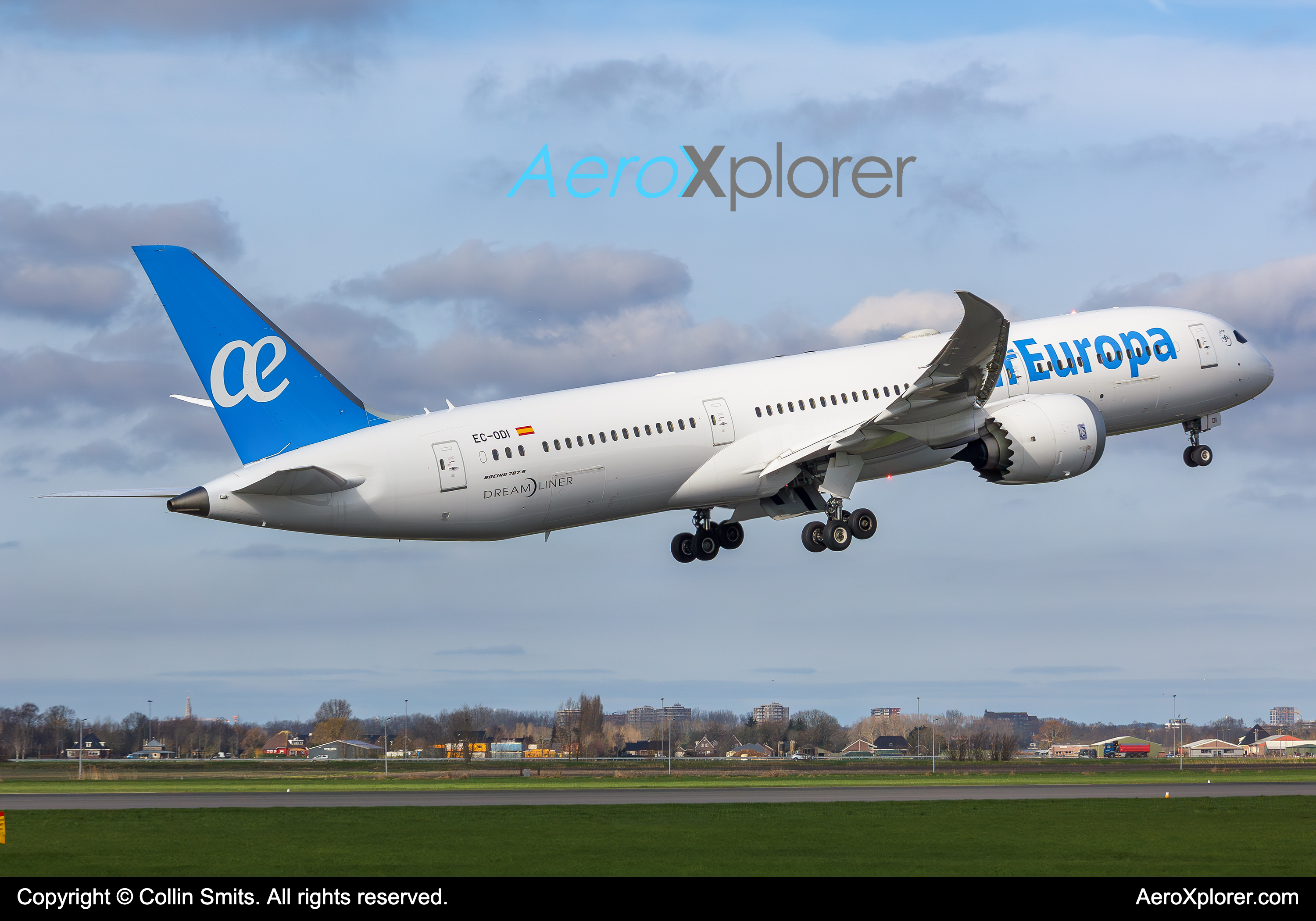
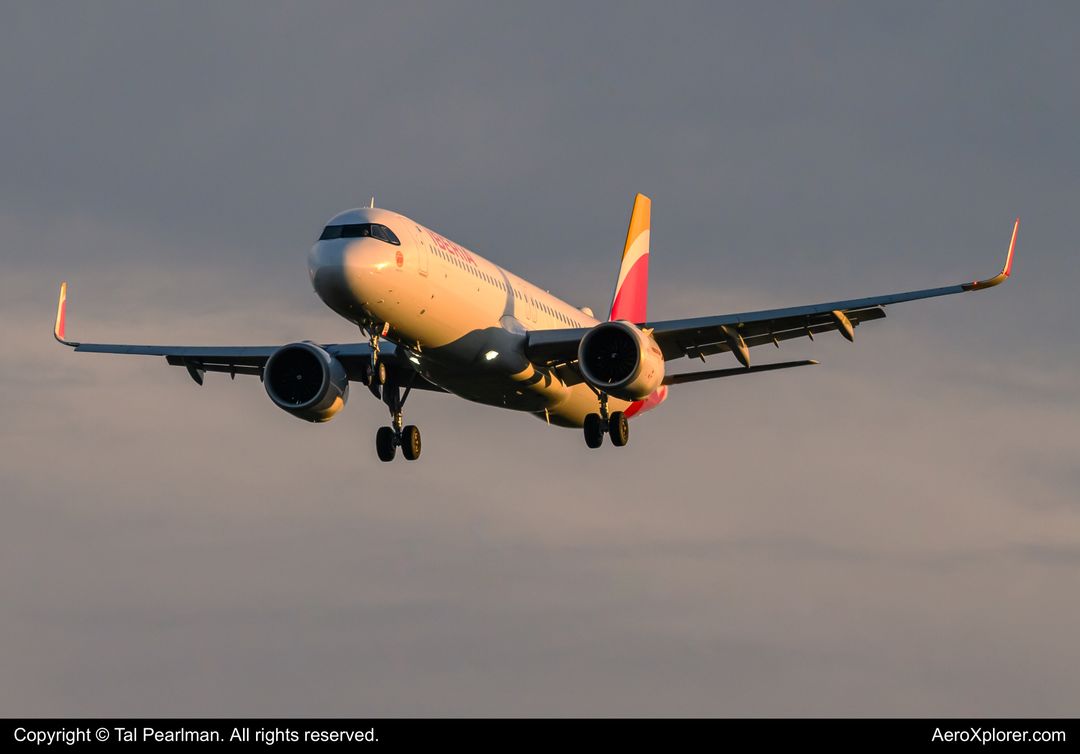
The two aircraft involved were an Air Europa Boeing 787-9, registration EC-ODH, operating flight UX57 from Madrid to São Paulo, and an Iberia Airbus A321XLR, registration EC-OLE, operating flight IB140 from Recife to Madrid. At 1:23 AM UTC, both aircraft were flying at 36,000 feet over the Atlantic Ocean near the West Saharan coast, on the same airway, airway N857, between the ETIBA and BIPET reporting points, but traveling in opposite directions.
Crucially, both aircraft had reportedly been cleared by air traffic control to maintain the same flight level despite traveling in opposite directions.
With the Air Europa 787 heading southwest toward Brazil and the Iberia A321 heading northeast toward Spain, the two aircraft were hurtling toward each other at a combined closing speed of approximately 1,000 miles per hour. At that speed, the window available for human intervention is measured in seconds – which is precisely why the aviation industry relies on automated systems like TCAS as the final line of defense.
TCAS: The Last Line of Defense
TCAS, the Traffic Collision Avoidance System, is an onboard safety system that monitors the airspace around an aircraft and issues resolution advisories to pilots when another aircraft gets dangerously close. It operates independently of air traffic control, communicating directly between aircraft to coordinate avoidance maneuvers. When a resolution advisory fires, pilots are trained to follow its instructions immediately, without waiting for ATC clearance.
In this case, the system worked exactly as intended. As the TCAS resolution advisories activated simultaneously on both flight decks, the Air Europa Boeing 787 climbed while the Iberia Airbus A321 descended, creating the vertical separation needed to avoid a collision. Both aircraft continued safely to their destinations. The sudden altitude changes would have been immediately noticeable to passengers on board, though neither airline has issued a public statement describing the passenger experience during the maneuver.
The Iberia A321's altitude changes following the TCAS alert were particularly pronounced: the aircraft initially descended from 36,000 feet to 35,000 feet in response to the advisory, then climbed to 37,000 feet, before later climbing again to 38,000 feet. These altitude corrections suggest the crew was carefully repositioning the aircraft following the emergency avoidance maneuver.
How Did This Happen?
The incident raises serious and as yet unanswered questions about how two commercial aircraft came to be on a head-on collision course at cruising altitude on predictable, well-established Atlantic airways.
Standard oceanic separation rules are designed to prevent exactly this kind of encounter.
Aircraft flying westbound are typically assigned even flight levels: 36,000 feet, 38,000 feet, while eastbound traffic flies at odd flight levels such as 35,000 or 37,000 feet. In this case, both the westbound Air Europa flight and the eastbound Iberia flight were at 36,000 feet, a westbound even level, which should not have been the case for the eastbound Iberia service.
It remains unclear whether the Iberia crew was flying at an incorrect altitude, whether one of the aircraft received an erroneous clearance from oceanic air traffic control, or whether some other breakdown in the separation chain occurred.
Pilots flying oceanic tracks also have the option of applying a Strategic Lateral Offset Procedure: known as SLOP – which involves offsetting their track by up to two miles to the right of the assigned airway to provide an additional buffer. It is not yet known whether either crew had selected a lateral offset at the time of the incident.
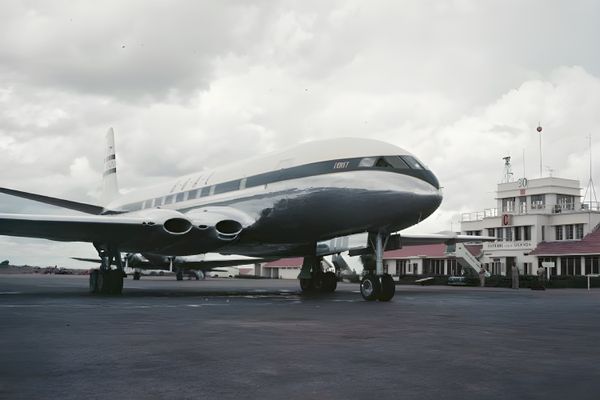
The Shape of Disaster: The Plane That Kept Falling Apart Mid-Air
What Comes Next
The incident is registered and is being investigated. The investigation will examine the sequence of clearances issued to both flights, the altitude assignments given by oceanic controllers, and whether any procedural failures contributed to the encounter.
The incident serves as a stark reminder that even in the structured environment of organized oceanic airspace, the systems designed to keep aircraft apart can fail – and that TCAS, the industry's last line of defense, remains one of aviation's most critical safety technologies.
Southwest Airlines Blames Brief System Outage for Boarding Delays and Checked Bag Disruptions » Southwest Airlines Considers Boeing 787 Order for Long-Haul International Expansion » Delta Passenger Arrested After Allegedly Stealing Airport Tug »

Comments (0)
Add Your Comment
TAGS
NEWS TCAS. Airbus Boeing Iberia Air Europa UX57 IB140 EC-ODH EC-OLERECENTLY PUBLISHED
 6 Key Rules for Claiming Citizenship Status Through Your Parents or Grandparents
If you want to know about ancestry rights in Canadian citizenship law, you need to understand what has changed in the rules lately.
INFORMATIONAL
READ MORE »
6 Key Rules for Claiming Citizenship Status Through Your Parents or Grandparents
If you want to know about ancestry rights in Canadian citizenship law, you need to understand what has changed in the rules lately.
INFORMATIONAL
READ MORE »
 FlyUSA Opens 50,000-Square-Foot Owner-Exclusive Hangar and Lounge at Tampa International Airport
FlyUSA has opened a 50,000-square-foot private hangar and lounge at Tampa International Airport, serving aircraft owners and charter clients.
NEWS
READ MORE »
FlyUSA Opens 50,000-Square-Foot Owner-Exclusive Hangar and Lounge at Tampa International Airport
FlyUSA has opened a 50,000-square-foot private hangar and lounge at Tampa International Airport, serving aircraft owners and charter clients.
NEWS
READ MORE »
 Federal Grand Jury Indicts Passenger Duct-Taped to Seat on American Airlines Flight
A passenger restrained with duct tape after a violent outburst on an American Airlines flight to Newark faces federal charges and up to 20 years in prison.
NEWS
READ MORE »
Federal Grand Jury Indicts Passenger Duct-Taped to Seat on American Airlines Flight
A passenger restrained with duct tape after a violent outburst on an American Airlines flight to Newark faces federal charges and up to 20 years in prison.
NEWS
READ MORE »
More than just headlines.
Get unlimited ad-free access to in-depth aviation news, premium stories, and exclusive insights other sites don't cover.
- Ad-free browsing on AeroXplorer
- Unlimited access to premium and exclusive articles
- Higher photo upload limits & commissions on sales
- Free access to Jetstream Magazine on higher tiers
- Ad-free browsing
- Sell aviation photos with 60% commission
- First week free!
- Everything in Basic+
- Unlimited premium articles
- Sell aviation photos with 70% commission
- Free Digital subscription to Jetstream Magazine
- First week free!
- Everything in Basic+ and Pro
- Sell aviaiton photos with 80% commission
- Early access to exclusive stories
- Free Digital+Print subscription to Jetstream Magazine