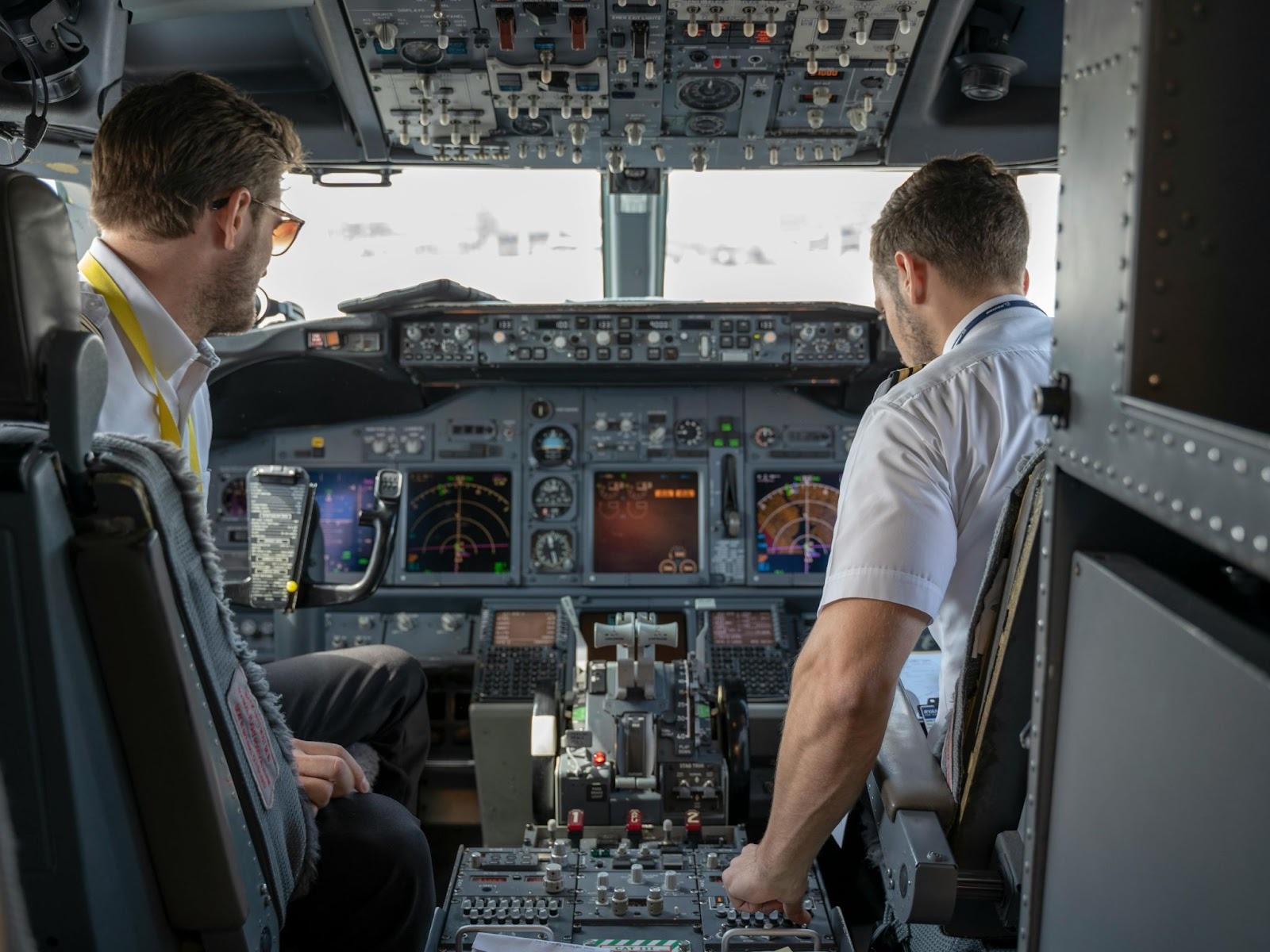
Becoming an airline pilot in 2026 is more achievable than ever - but it requires planning, discipline, and a clear understanding of the training path. With global air travel rebounding and fleet expansions underway, airlines worldwide are actively recruiting new pilots. If you’ve ever imagined yourself in the cockpit of a commercial jet, this updated guide will walk you through every step.
Why 2026 Is a Great Time to Start Pilot Training
The aviation industry continues to grow as airlines add new routes and modern aircraft to meet rising demand. Major manufacturers like Boeing and Airbus project a long-term need for tens of thousands of new pilots globally over the next two decades. Many senior captains are also reaching retirement age, creating further opportunities.
In short, the timing is strong - but airlines are also raising standards. Proper preparation is key.
Step 1: Meet the Basic Requirements
Before enrolling in flight training, you must meet several baseline criteria:
- Be at least 18 years old (21 to obtain an Airline Transport Pilot certificate in the U.S.)
- Have completed secondary education
- Be proficient in English (the international language of aviation)
- Obtain a valid aviation medical certificate
In the United States, aspiring pilots must pass an FAA First or Second Class Medical Exam. In Europe, certification is handled by EASA. Medical fitness is critical, as pilots must meet strict health and vision standards.
Step 2: Choose Your Training Path
There are three main pathways to becoming an airline pilot:
1. Flight School (Part 61 or Part 141 in the U.S.)
This is the most common route. You enroll in a professional flight academy and complete structured training programs.
2. University Aviation Degree
A university aviation degree is academically rigorous and professionally structured, combining intensive flight training with demanding coursework in aerodynamics, meteorology, aircraft systems, navigation, and aviation law. Many trainees quickly discover that maintaining high grades is just as important as logging flight hours, since airlines often review academic transcripts during recruitment. Strong performance reflects discipline, technical understanding, and the ability to process complex information - skills that directly translate to cockpit decision-making. At the same time, balancing simulator sessions, ground school, and written assignments can be challenging. Practical flight preparation often requires long hours at the airport, leaving limited time for research papers and theoretical projects. Having such a busy schedule with practical assignments, students simply do not manage to write all written papers on their own. At such moments, they turn for help to the online service EduBirdie with the question: “Can someone to do my homework for me online?”Learning how to prioritize tasks and seek legitimate academic guidance builds responsibility and professionalism - qualities airlines value highly. Successfully managing both practical training and academic responsibilities demonstrates readiness for the structured, high-accountability environment of commercial aviation.
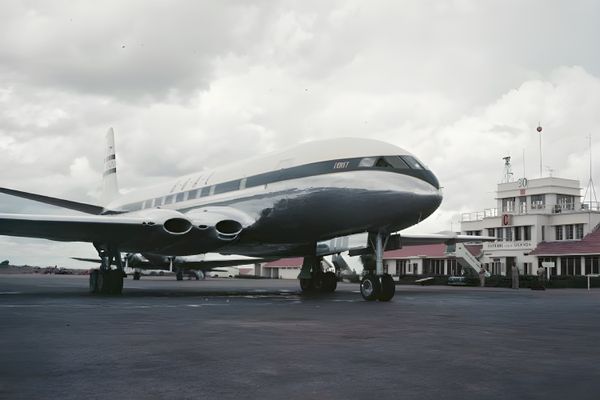
The Shape of Disaster: The Plane That Kept Falling Apart Mid-Air
3. Airline Cadet Programs
In 2026, many airlines offer sponsored cadet pathways. Carriers such as Lufthansa and British Airways provide structured programs that guide trainees directly toward airline employment.
Each option differs in cost, duration, and competitiveness. Research carefully based on your location and budget.
Step 3: Earn the Required Pilot Licenses
To fly commercially, you must obtain a series of licenses and ratings:
Private Pilot License (PPL)
Your first major milestone. It allows you to fly small aircraft non-commercially.
Instrument Rating (IR)
Teaches you to fly in low visibility conditions using cockpit instruments.
Commercial Pilot License (CPL)
Allows you to be paid for flying.
Multi-Engine Rating
Qualifies you to operate aircraft with more than one engine - essential for airline careers.
Airline Transport Pilot (ATP)
The highest certification level. In the U.S., this requires 1,500 total flight hours (with some reductions for approved programs).
In Europe, pilots complete an ATPL “frozen” program before building experience.
Step 4: Build Flight Hours
After earning your commercial license, you’ll need to accumulate flight experience. Most aspiring airline pilots work as:
- Flight instructors
- Charter pilots
- Corporate aviation pilots
- Banner tow or survey pilots
Building hours takes time. In the U.S., reaching the 1,500-hour requirement typically takes 18–24 months after training.
Consistency and safety are more important than speed. Airlines prioritize professionalism and clean records.
Step 5: Apply to Regional Airlines
Most pilots begin their airline careers with regional carriers before progressing to major airlines. In the United States, examples include:
- SkyWest Airlines
- Republic Airways
Regional airlines provide turbine aircraft experience and structured airline operations training.
In Europe and Asia, pilots often enter directly through airline cadet programs or first officer recruitment tracks.
Step 6: Upgrade and Move to Major Airlines
After gaining several years of experience as a First Officer, you may upgrade to Captain or transition to a major airline such as:
- Delta Air Lines
- Emirates
- Qatar Airways
Major airlines typically require:
- 3,000+ total flight hours
- Significant turbine experience
- Strong simulator performance
- Clean training and safety records
Competition is high, but demand remains strong in 2026.
How Long Does It Take to Become an Airline Pilot?
On average:
- 6–12 months: Private + Instrument + Commercial training
- 12–24 months: Building flight hours
- 3–5 years total: From zero experience to regional airline First Officer
Accelerated academy programs can shorten timelines, but quality training should never be rushed.
How Much Does It Cost in 2026?
Training costs vary by country and program:
- United States: $70,000–$120,000
- Europe: €80,000–€130,000
- Airline-sponsored programs: Often financed with repayment plans
Additional costs include medical exams, written tests, flight gear, and simulator time.
Some airlines now offer tuition reimbursement or signing bonuses due to pilot shortages.
Essential Skills for Success
Becoming an airline pilot requires more than technical knowledge. Key skills include:
- Decision-making under pressure
- Situational awareness
- Strong communication
- Leadership and teamwork
- Discipline and responsibility
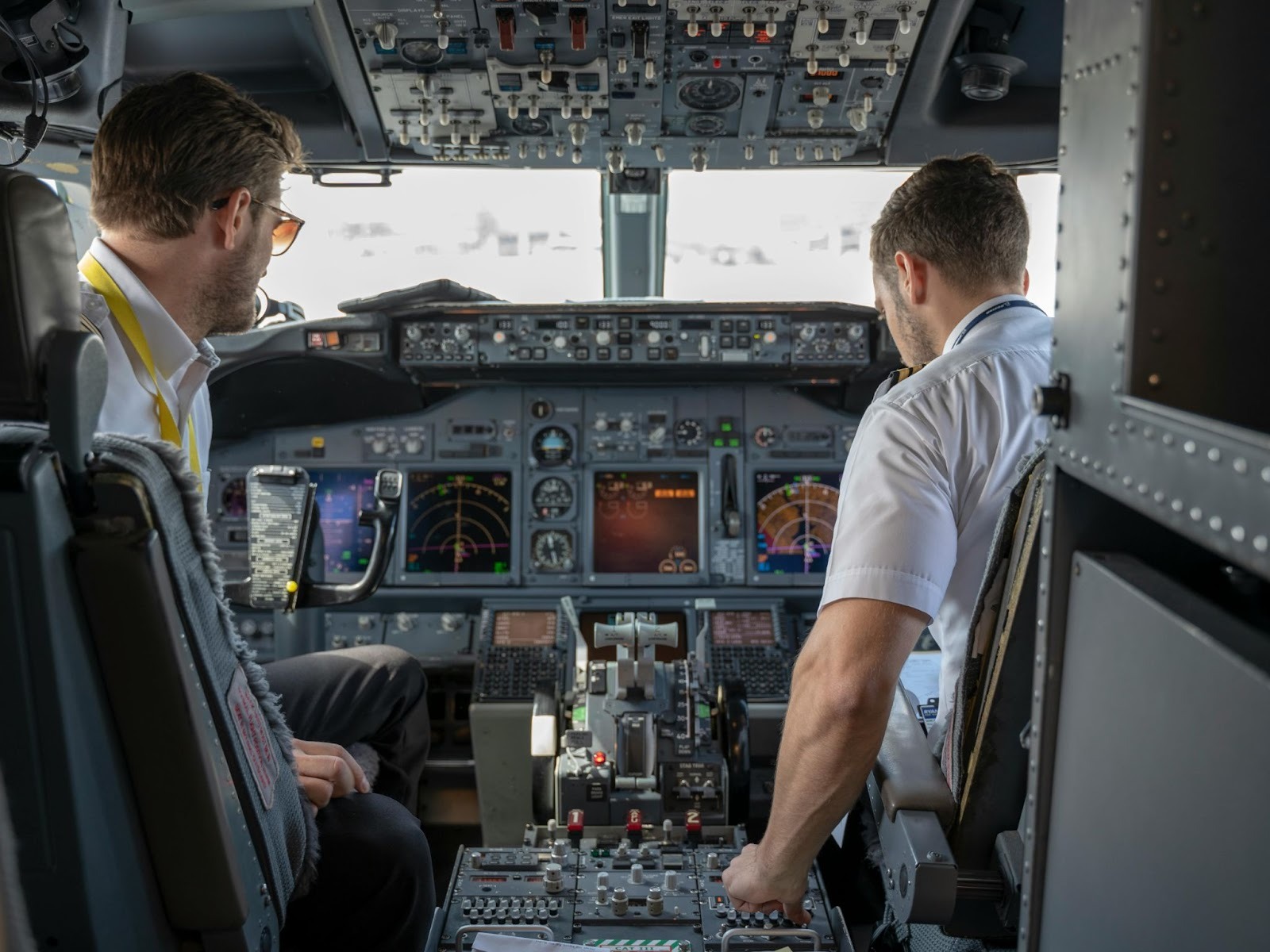
Modern airline cockpits rely heavily on Crew Resource Management (CRM), emphasizing collaboration and structured communication.
Work-Life Balance and Salary in 2026
Salary Expectations
- Regional First Officer (U.S.): $60,000–$100,000 per year
- Major Airline First Officer: $120,000–$200,000+
- Captain at major airline: $250,000–$400,000+
Compensation depends on seniority, aircraft type, and location.
Lifestyle Considerations
Pilots typically work variable schedules, including weekends and holidays. However, seniority provides increasing schedule flexibility over time.
Travel benefits for pilots and family members are a major perk.
Is Becoming an Airline Pilot Worth It?
For those passionate about aviation, few careers offer the same combination of responsibility, travel, and earning potential. The journey requires significant investment and dedication, but the long-term rewards - both financial and personal - can be substantial.
In 2026, airlines continue modernizing fleets, expanding international routes, and strengthening recruitment pipelines. With proper planning, clear goals, and consistent effort, becoming an airline pilot is an achievable objective.
Final Thoughts
The path to the cockpit is structured but demanding. Start by confirming medical eligibility, choosing the right training program, and committing to disciplined study and flight practice.
Aviation rewards preparation. If you stay focused, build experience steadily, and maintain high safety standards, your goal of flying for a commercial airline can become a reality.
The sky is not the limit - it’s just the beginning.
Southwest Airlines Becomes First US Carrier to Integrate Flight Booking Into ChatGPT » 4th vs 5th Generation Fighter Jets: How Fighter Jets Have Evolved » Boeing's Touchscreen Flight Controls for 737 Draw Sharp Criticism from Pilots »

Comments (0)
Add Your Comment
TAGS
INFORMATIONAL Pilot Travel Occupation Guide Aviation How To EducationRECENTLY PUBLISHED
 This Week in Aviation: The 10 Stories That Mattered Most
From major airline developments to aircraft updates and industry shifts, this weekly recap highlights the ten most-read aviation stories from the week of October 04.
INFORMATIONAL
READ MORE »
This Week in Aviation: The 10 Stories That Mattered Most
From major airline developments to aircraft updates and industry shifts, this weekly recap highlights the ten most-read aviation stories from the week of October 04.
INFORMATIONAL
READ MORE »
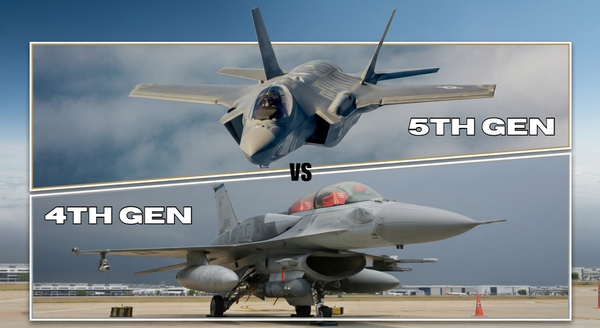 4th vs 5th Generation Fighter Jets: How Fighter Jets Have Evolved
A look at what separates fourth- and fifth-generation fighter jets, from stealth and sensor fusion to combat capability and cost.
INFORMATIONAL
READ MORE »
4th vs 5th Generation Fighter Jets: How Fighter Jets Have Evolved
A look at what separates fourth- and fifth-generation fighter jets, from stealth and sensor fusion to combat capability and cost.
INFORMATIONAL
READ MORE »
 United 777 Diverts to Dublin After Cockpit Windscreen Cracks Over the Atlantic
A United Airlines Boeing 777 bound for Milan made a steep descent and diverted to Dublin after its cockpit windscreen cracked mid-flight.
NEWS
READ MORE »
United 777 Diverts to Dublin After Cockpit Windscreen Cracks Over the Atlantic
A United Airlines Boeing 777 bound for Milan made a steep descent and diverted to Dublin after its cockpit windscreen cracked mid-flight.
NEWS
READ MORE »
More than just headlines.
Get unlimited ad-free access to in-depth aviation news, premium stories, and exclusive insights other sites don't cover.
- Ad-free browsing on AeroXplorer
- Unlimited access to premium and exclusive articles
- Higher photo upload limits & commissions on sales
- Free access to Jetstream Magazine on higher tiers
- Ad-free browsing
- Sell aviation photos with 60% commission
- First week free!
- Everything in Basic+
- Unlimited premium articles
- Sell aviation photos with 70% commission
- Free Digital subscription to Jetstream Magazine
- First week free!
- Everything in Basic+ and Pro
- Sell aviaiton photos with 80% commission
- Early access to exclusive stories
- Free Digital+Print subscription to Jetstream Magazine