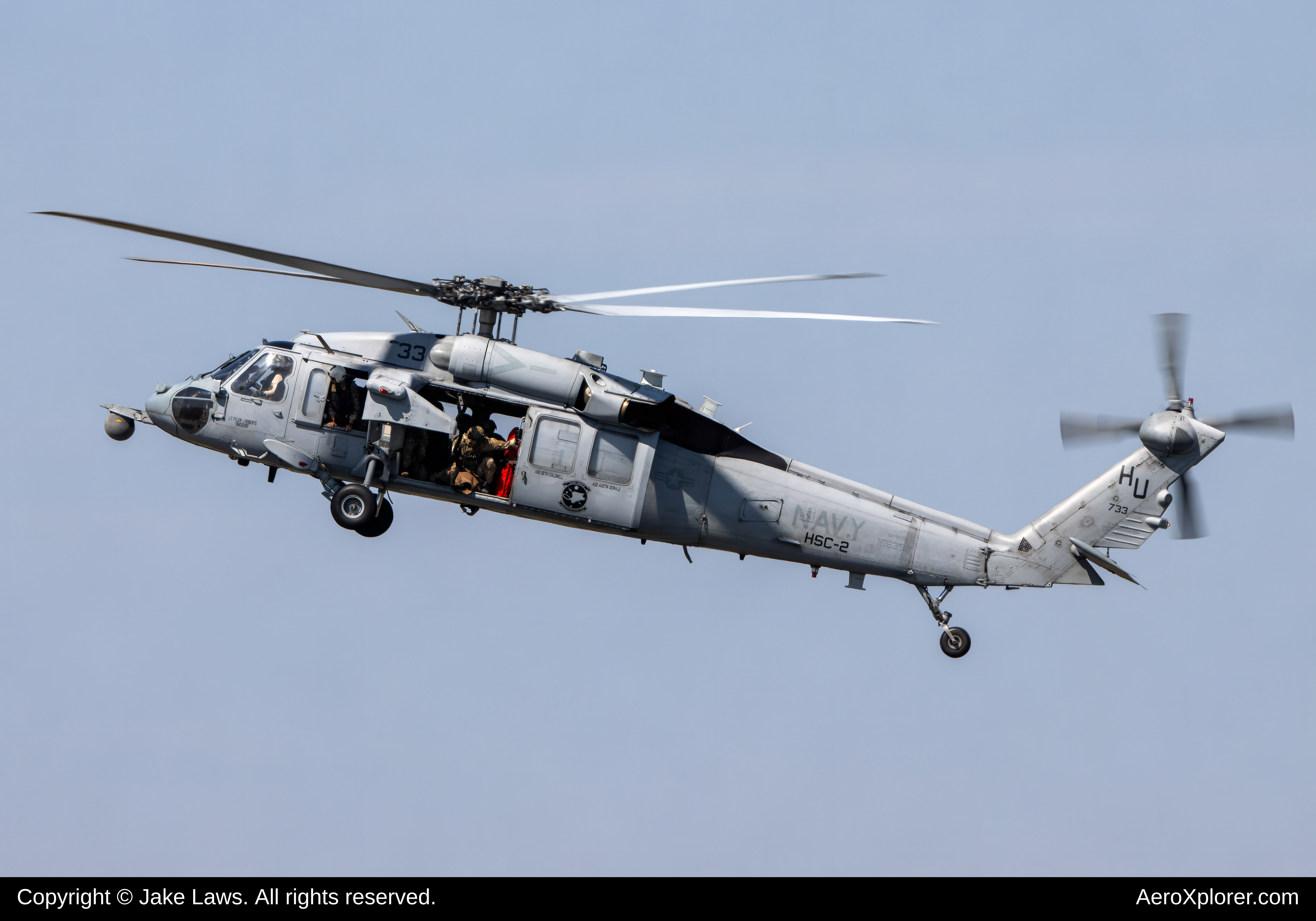

The US Navy has ended its search for a sailor who went missing after a helicopter made an emergency water landing in the Arabian Sea, officials confirmed this week.
The sailor, assigned to the aircraft carrier USS George H.W. Bush, was aboard an MH-60S Seahawk helicopter when the aircraft went down. The Navy identified the missing service member and announced the conclusion of search and rescue operations after days of combing the waters.
What Happened
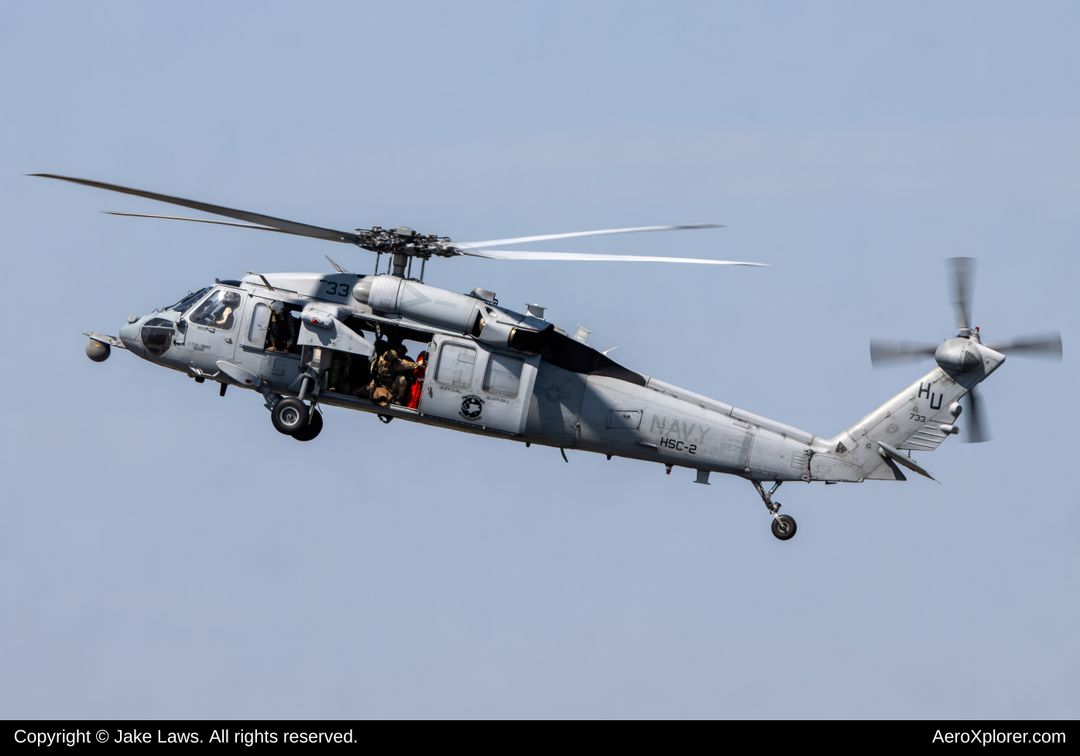
The MH-60S Seahawk, attached to Helicopter Sea Combat Squadron, was conducting routine operations when the crew executed an emergency water landing. Other crew members aboard the helicopter survived the incident and were recovered safely. One sailor, however, remained unaccounted for after the landing.
Navy officials have not released detailed information about what caused the aircraft to make the emergency landing, and an investigation into the incident is underway.
The Search Effort
Navy and coalition forces launched an extensive search operation immediately after the incident. Surface ships and aircraft covered a wide area of the Arabian Sea in an effort to locate the missing sailor.
After exhausting search parameters and covering thousands of square miles of ocean, the Navy announced the transition from a rescue mission to a recovery effort before ultimately concluding the search. The decision to end active search operations followed established Navy protocols that consider factors including water temperature, weather conditions, and time elapsed since the incident.
The USS George H.W. Bush Carrier Strike Group had been operating in the region as part of ongoing US Navy presence in the Middle East. The strike group includes the aircraft carrier and its embarked air wing, along with escort vessels.
About the Aircraft
The MH-60S Seahawk is a twin-engine helicopter used by the Navy for a variety of missions, including combat search and rescue, anti-surface warfare, logistics support, and personnel transport. The aircraft is a naval variant of the Army's UH-60 Black Hawk and has been in service with the Navy for more than two decades.
Emergency water landings, sometimes referred to as controlled ditchings, are procedures pilots train for extensively. While the maneuver is designed to give crew members the best chance of survival, outcomes vary depending on sea conditions, aircraft damage, and other factors at the time of the incident.
The Shape of Disaster: The Plane That Kept Falling Apart Mid-Air
The USS George H.W. Bush
The USS George H.W. Bush is a Nimitz-class nuclear-powered aircraft carrier commissioned in 2009. The ship is named after the 41st president of the United States, who served as a naval aviator during World War II. The carrier is homeported in Norfolk, Virginia, and deploys regularly to support US operations across multiple regions.
The carrier strike group's presence in the Arabian Sea reflects ongoing US military commitments in the region, including maritime security operations and support for regional partners.

Response from Navy Officials
Navy leadership expressed condolences to the family, friends, and shipmates of the missing sailor. Officials emphasized that the decision to end the search was made only after exhausting all reasonable efforts to locate the service member.
Crew members aboard the USS George H.W. Bush and personnel across the strike group have been offered support services, including chaplains and counselors, as they process the loss of their shipmate.

Only Way Out: Private Aviation in a Region at War
Broader Context
The incident marks another loss during naval aviation operations, which regularly involve risks even during routine missions. Naval aviators and aircrew operate in demanding conditions, often at sea, where recovery efforts face significant challenges if something goes wrong.
The Navy conducts thousands of flight operations annually across its fleet, and while safety records have improved substantially over the decades, aviation mishaps continue to occur. Each incident triggers a formal investigation intended to identify causes and prevent similar events in the future.
Recent years have seen the Navy focus increased attention on aviation readiness, maintenance practices, and training procedures following a series of incidents involving various aircraft platforms. Officials have implemented reforms aimed at reducing mishap rates and improving safety across naval aviation.
What Comes Next
The Navy investigation into the emergency water landing will proceed through standard channels. Investigators will examine mechanical, environmental, and human factors that may have contributed to the incident. Findings from such investigations sometimes lead to changes in operating procedures, maintenance schedules, or training requirements.
The Navy has not indicated when the investigation is expected to conclude or whether preliminary findings will be released publicly. Family members of the missing sailor have been notified, in accordance with Navy policy, before any public identification.
The USS George H.W. Bush and its strike group are expected to continue their assigned mission in the region following the conclusion of search operations.
United Boeing 757 Makes Overweight Landing in Dublin After Crew Reports Strong Fuel Smell and Headaches » American Airlines Swaps Landline Buses for CRJ-700 Flights on 84-Mile South Bend to Chicago Route » AirBaltic to Cut Up to 700 Jobs in Restructuring »

Comments (0)
Add Your Comment
TAGS
NEWS MH-60S Seahawk USS George H.W. bush Arabian Sea NavyRECENTLY PUBLISHED
 This Week in Aviation: The 10 Stories That Mattered Most
From major airline developments to aircraft updates and industry shifts, this weekly recap highlights the ten most-read aviation stories from the week of October 04.
INFORMATIONAL
READ MORE »
This Week in Aviation: The 10 Stories That Mattered Most
From major airline developments to aircraft updates and industry shifts, this weekly recap highlights the ten most-read aviation stories from the week of October 04.
INFORMATIONAL
READ MORE »
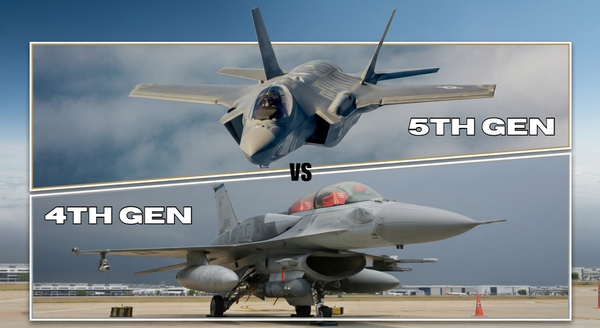 4th vs 5th Generation Fighter Jets: How Fighter Jets Have Evolved
A look at what separates fourth- and fifth-generation fighter jets, from stealth and sensor fusion to combat capability and cost.
INFORMATIONAL
READ MORE »
4th vs 5th Generation Fighter Jets: How Fighter Jets Have Evolved
A look at what separates fourth- and fifth-generation fighter jets, from stealth and sensor fusion to combat capability and cost.
INFORMATIONAL
READ MORE »
 United 777 Diverts to Dublin After Cockpit Windscreen Cracks Over the Atlantic
A United Airlines Boeing 777 bound for Milan made a steep descent and diverted to Dublin after its cockpit windscreen cracked mid-flight.
NEWS
READ MORE »
United 777 Diverts to Dublin After Cockpit Windscreen Cracks Over the Atlantic
A United Airlines Boeing 777 bound for Milan made a steep descent and diverted to Dublin after its cockpit windscreen cracked mid-flight.
NEWS
READ MORE »
More than just headlines.
Get unlimited ad-free access to in-depth aviation news, premium stories, and exclusive insights other sites don't cover.
- Ad-free browsing on AeroXplorer
- Unlimited access to premium and exclusive articles
- Higher photo upload limits & commissions on sales
- Free access to Jetstream Magazine on higher tiers
- Ad-free browsing
- Sell aviation photos with 60% commission
- First week free!
- Everything in Basic+
- Unlimited premium articles
- Sell aviation photos with 70% commission
- Free Digital subscription to Jetstream Magazine
- First week free!
- Everything in Basic+ and Pro
- Sell aviaiton photos with 80% commission
- Early access to exclusive stories
- Free Digital+Print subscription to Jetstream Magazine