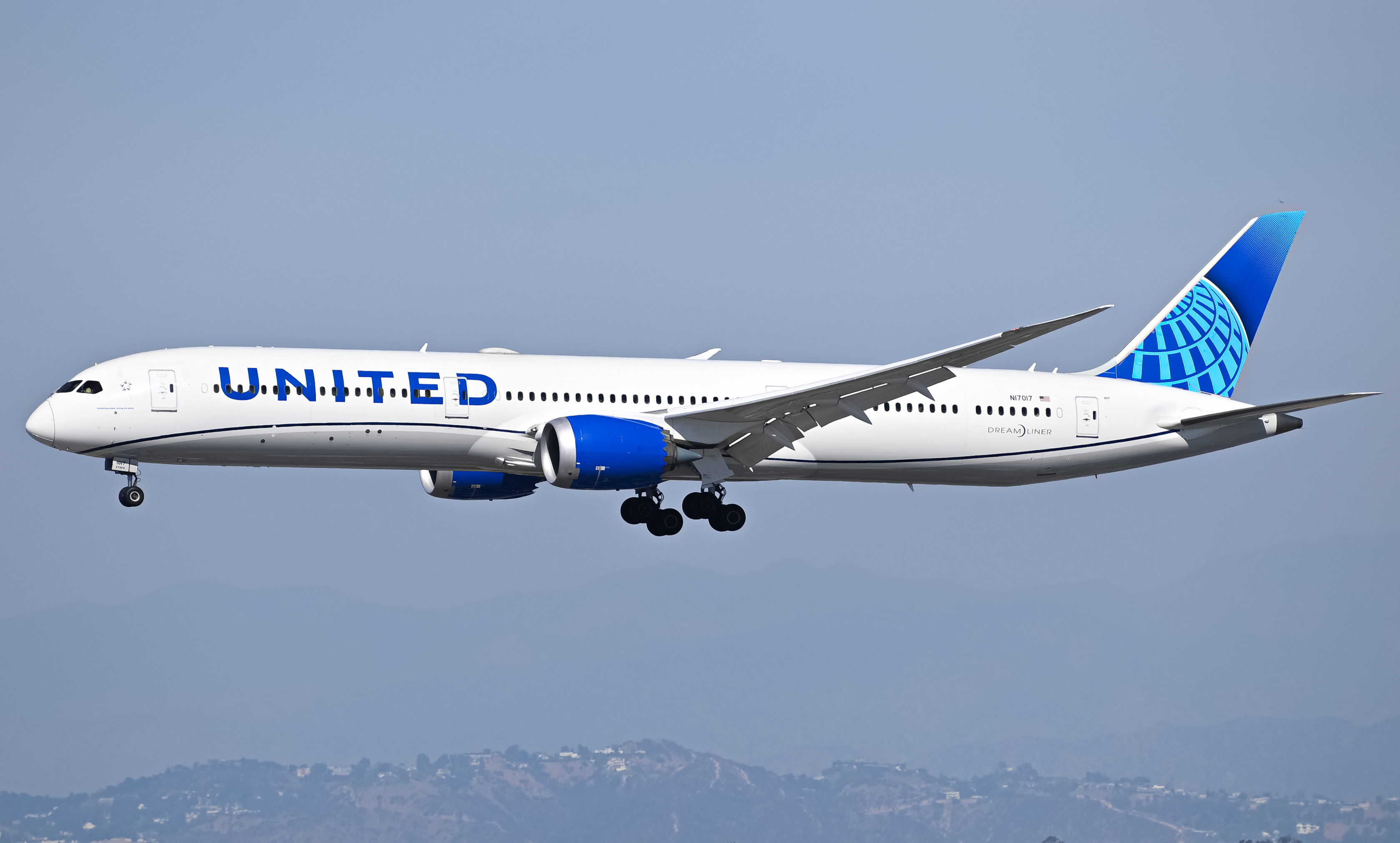
When Boeing introduced the 787 Dreamliner, one of its most celebrated cabin features was the absence of traditional pull-down window shades. In their place, the manufacturer installed electrochromic windows that passengers dim using a small button located beneath each window. The technology dazzled travelers when the aircraft entered service, and it continues to define the Dreamliner experience more than a decade later. What few passengers realize, however, is that those unassuming dimmer switches have quietly become a reliable source of aftermarket revenue for Boeing.
How the Electrochromic System Works
The 787's windows rely on gel-based electrochromic technology supplied by Gentex, a company better known to drivers for its auto-dimming rearview mirrors. When you press the button beneath the window, a low-voltage electrical current passes through a gel layer sandwiched between the panes of glass. That current triggers a chemical reaction that darkens the window through five distinct shade levels, moving from fully transparent to a deep blue that blocks roughly 99.999% of visible light.
The windows themselves are also notably larger than those found on competing widebody aircraft. Boeing designed them to be approximately 30% larger than the windows on comparable jets, giving every passenger a clearer view of the horizon regardless of seat position. Combined with the higher cabin humidity and lower cabin altitude the 787 offers, the oversized dimmable windows have become a signature part of the flying experience.
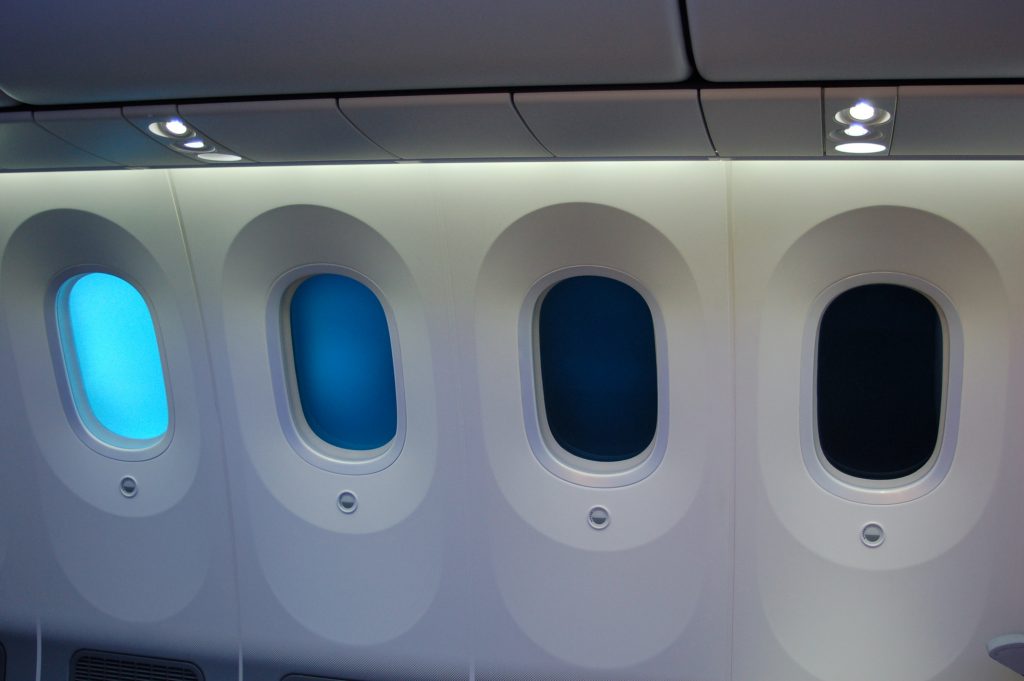
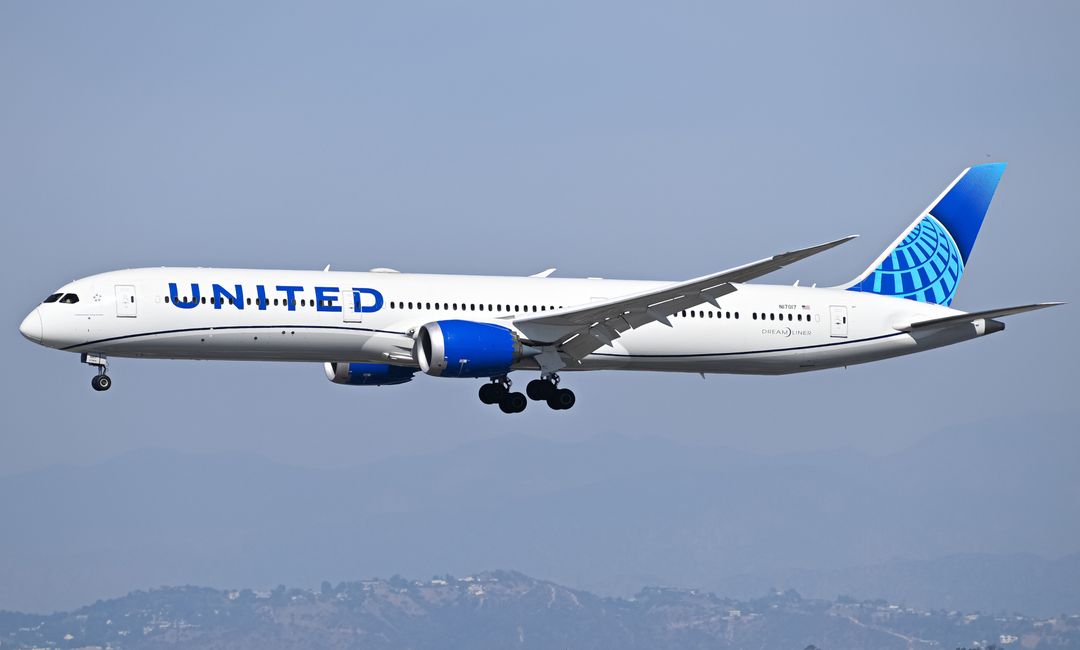
Photo: PYOK
The Wear-and-Tear Problem
The trouble lies in how often those buttons get pressed. On a typical long-haul flight, a single window might be dimmed and brightened dozens of times as passengers adjust it during boarding, meals, sleep periods, and descent. Multiply that across every seat, every flight, and every year in service, and the mechanical switches beneath the windows accumulate enormous wear.
The dimmer switches on the 787 fleet are wearing out at a rate that has surprised operators, and Boeing has found itself in the enviable position of supplying replacements as a steady aftermarket product. The switches are proprietary components, meaning airlines cannot simply source generic alternatives. When one fails, the carrier orders a replacement from Boeing or an approved supplier, and the cost adds up quickly across a fleet.

How AI Quietly Became the Backbone of Today’s Aviation Industry
Why This Matters Financially
Aftermarket parts and services have long been a critical revenue stream for commercial aircraft manufacturers. While selling a new jet generates a headline-grabbing sale price, the profit margins on spare parts, maintenance components, and service agreements often outpace those on the airframe itself over an aircraft's operational lifetime. A single 787 typically remains in service for two to three decades, and every consumable component on the aircraft represents a recurring purchase for the airline that operates it.
The window dimmer switch fits neatly into this model. It costs relatively little to manufacture, gets replaced frequently across a global fleet that now numbers well over a thousand aircraft, and carries the pricing power that comes with being a certified, proprietary part. For Boeing, which has faced significant financial pressure from production issues on both the 787 and 737 MAX programs, any dependable aftermarket income helps offset volatility elsewhere in the business.
What Passengers Notice
If you have flown on a 787 recently, you may have encountered a window that refused to respond to the dimmer button, remained stuck at a single shade level, or exhibited uneven darkening across the glass. These are the visible symptoms of switches or control units nearing the end of their service life. Airlines generally do not swap out failed components mid-flight, so passengers seated at an affected window simply live with whatever shade level the system last accepted.
Some operators have also noted that the windows can take longer to fully transition between shade states than they did when the aircraft was newly delivered. The dimming process typically takes between 60 and 90 seconds to move from fully clear to fully dark, and any degradation in the electrochromic layer can extend that duration.
The Broader Context
The 787 remains one of Boeing's most commercially successful widebody programs, with more than 1,100 aircraft delivered to airlines worldwide since the type entered service with All Nippon Airways in 2011. Carriers including United Airlines, British Airways, Qatar Airways, Japan Airlines, and Etihad have all built substantial portions of their long-haul networks around the aircraft, drawn in part by its fuel efficiency and passenger-friendly cabin features.
The electrochromic windows have proven popular enough that Airbus offers a similar option on the A350, though most A350 operators have opted for traditional pull-down shades instead. That choice reflects a broader industry tension between showcasing new technology and controlling long-term maintenance costs. Boeing's willingness to standardize the dimmable windows across the entire 787 program has locked in a durable stream of replacement demand.
Looking Ahead
Whether Boeing will refine the dimmer switch design to extend its service life remains an open question. The company has every commercial incentive to keep the current arrangement in place, and airlines have limited leverage to demand a more durable component when the existing one is baked into the aircraft's certification. For now, the small button beneath your window will continue doing what it does best, quietly generating revenue for the manufacturer every time it eventually gives up.
Southwest Airlines Blames Brief System Outage for Boarding Delays and Checked Bag Disruptions » AirBaltic to Cut Up to 700 Jobs in Restructuring » Southwest Airlines Considers Boeing 787 Order for Long-Haul International Expansion »

Comments (0)
Add Your Comment
TAGS
INFORMATIONAL Boeing 787 Window Dimmers Aviation Technology Airline Revenue Aircraft Maintenance Smart Glass Aerospace Engineering Commercial Aviation In-flight Experience AftermarketRECENTLY PUBLISHED
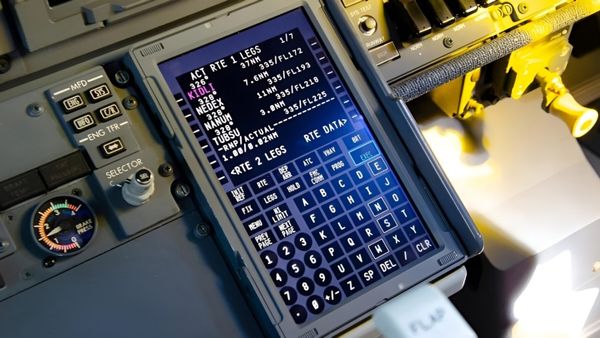 Boeing's Touchscreen Flight Controls for 737 Draw Sharp Criticism from Pilots
Boeing's plan to introduce Touchscreen Control Display Units on the 737 has sparked backlash from pilots who warn of safety and usability concerns.
NEWS
READ MORE »
Boeing's Touchscreen Flight Controls for 737 Draw Sharp Criticism from Pilots
Boeing's plan to introduce Touchscreen Control Display Units on the 737 has sparked backlash from pilots who warn of safety and usability concerns.
NEWS
READ MORE »
 Southwest Airlines Blames Brief System Outage for Boarding Delays and Checked Bag Disruptions
Southwest Airlines confirms a brief technology outage disrupted boarding and checked bag operations, forcing gate agents to process travelers manually.
NEWS
READ MORE »
Southwest Airlines Blames Brief System Outage for Boarding Delays and Checked Bag Disruptions
Southwest Airlines confirms a brief technology outage disrupted boarding and checked bag operations, forcing gate agents to process travelers manually.
NEWS
READ MORE »
 Southwest Airlines Considers Boeing 787 Order for Long-Haul International Expansion
Southwest Airlines is evaluating the Boeing 787 Dreamliner as it explores a shift into long-haul international flying, sources tell Reuters.
NEWS
READ MORE »
Southwest Airlines Considers Boeing 787 Order for Long-Haul International Expansion
Southwest Airlines is evaluating the Boeing 787 Dreamliner as it explores a shift into long-haul international flying, sources tell Reuters.
NEWS
READ MORE »
More than just headlines.
Get unlimited ad-free access to in-depth aviation news, premium stories, and exclusive insights other sites don't cover.
- Ad-free browsing on AeroXplorer
- Unlimited access to premium and exclusive articles
- Higher photo upload limits & commissions on sales
- Free access to Jetstream Magazine on higher tiers
- Ad-free browsing
- Sell aviation photos with 60% commission
- First week free!
- Everything in Basic+
- Unlimited premium articles
- Sell aviation photos with 70% commission
- Free Digital subscription to Jetstream Magazine
- First week free!
- Everything in Basic+ and Pro
- Sell aviaiton photos with 80% commission
- Early access to exclusive stories
- Free Digital+Print subscription to Jetstream Magazine