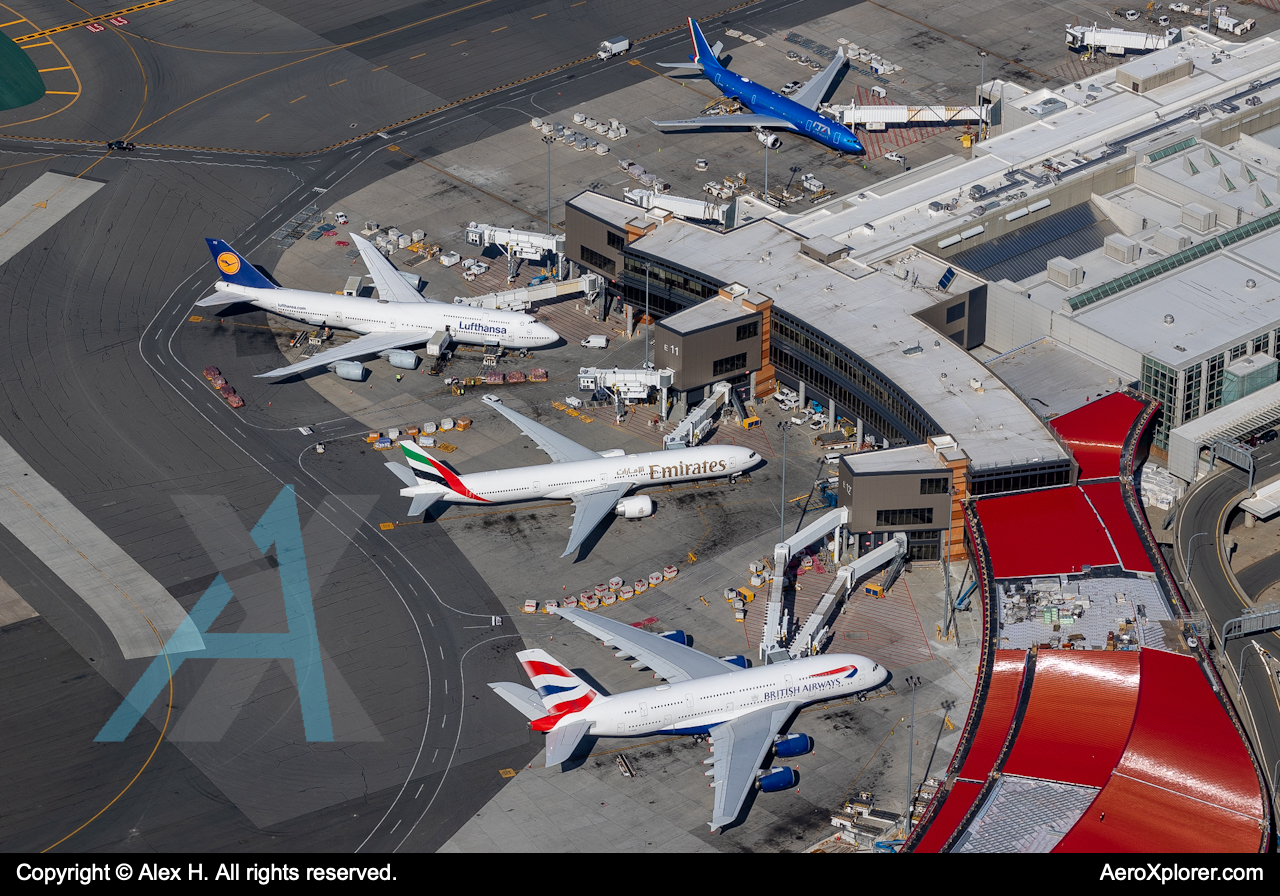

A significant fueling system failure at Boston Logan International Airport disrupted air travel across the northeastern United States on Sunday evening, July 5, 2026, resulting in more than 370 flight delays and approximately 100 cancellations, with disruption lingering into Monday morning with an additional cancellations and delays.
The incident affected thousands of travelers during the busy July 4 holiday weekend.
The Massachusetts Port Authority confirmed that the problem originated with BOSfuel Corporation, the consortium responsible for managing Logan's jet fuel operations. BOSfuel stated that the system experienced a low fuel pressure event that triggered an automatic safety shutdown in line with safety protocol.

What Happened
The FAA implemented a temporary ground stop in response to the fueling failure, with an advisory describing the situation as effectively "no fuel." Airlines operating out of Logan rely on a shared fuel distribution network, meaning the failure affected all carriers rather than a single operator. Some aircraft were reportedly refueled manually after recovery efforts began, though the interruption lasted long enough to significantly affect evening operations.
In a statement, Massport told ABC News that the airport was experiencing a fueling issue affecting some flights. BOSfuel restored fuel flow to full capacity at 10:00 PM ET, with Massport confirming normal operations at 10:35 PM ET and the FAA ground stop lifted just before midnight.
Scope of the Disruption
Delta Air Lines, the largest carrier at Boston Logan, and JetBlue, which uses Boston as one of its focus cities, both faced significant scheduling challenges. Long lines formed through the terminal as passengers scrambled to rebook cancelled flights.
Travelers reported extended waits on the tarmac, missed connections, and confusion at gates as airline staff worked through the backlog.
Notably, airlines were not covering hotel costs for stranded passengers, as the disruption was classified as an airport infrastructure issue rather than an airline operational failure, meaning passengers were not automatically entitled to airline-provided accommodation. Several travelers told local media they were left to arrange and pay for their own hotel rooms overnight.

How AI Quietly Became the Backbone of Today’s Aviation Industry
Broader Implications
The incident highlights the vulnerability of major hub airports to single points of failure in ground infrastructure. Fuel delivery systems represent critical infrastructure that receives less public attention than air traffic control or weather-related disruptions, yet a failure at this level can effectively halt operations across an entire airport.
A similar fuel system outage occurred at Logan in 2024, when the fuel farm system required a restart that forced delays, demonstrating that this is not an isolated vulnerability.
British Airways Flight to Chicago Forces Emergency Descent After Cabin Pressure Failure » KLM Brings Starlink Internet to Long-Haul Flights » 4th vs 5th Generation Fighter Jets: How Fighter Jets Have Evolved »

Comments (1)
 Jeff
American Airlines had several flights that were fueled and left the airport that evening of the 5th. The gate agents told customers it was a fuel ground stop, not a weather cancellation.. AA Corporate classified it as a "weather issue" even though the destinations had no ground stops due to weather. Efforts to request hotel and uber compensation were refused as events not in their control. Disappointing.
Jeff
American Airlines had several flights that were fueled and left the airport that evening of the 5th. The gate agents told customers it was a fuel ground stop, not a weather cancellation.. AA Corporate classified it as a "weather issue" even though the destinations had no ground stops due to weather. Efforts to request hotel and uber compensation were refused as events not in their control. Disappointing.
Add Your Comment
TAGS
NEWS BOS Boston Logan International Airport Aviation Fuel BOSfuelRECENTLY PUBLISHED
 This Week in Aviation: The 10 Stories That Mattered Most
From major airline developments to aircraft updates and industry shifts, this weekly recap highlights the ten most-read aviation stories from the week of October 04.
INFORMATIONAL
READ MORE »
This Week in Aviation: The 10 Stories That Mattered Most
From major airline developments to aircraft updates and industry shifts, this weekly recap highlights the ten most-read aviation stories from the week of October 04.
INFORMATIONAL
READ MORE »
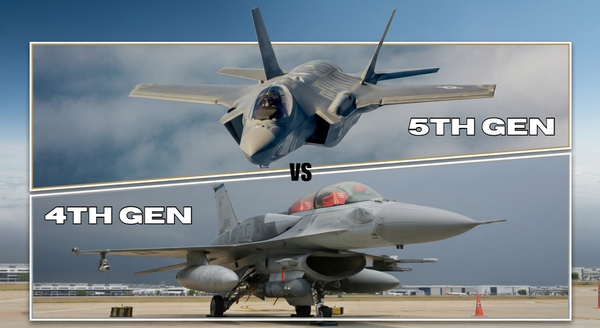 4th vs 5th Generation Fighter Jets: How Fighter Jets Have Evolved
A look at what separates fourth- and fifth-generation fighter jets, from stealth and sensor fusion to combat capability and cost.
INFORMATIONAL
READ MORE »
4th vs 5th Generation Fighter Jets: How Fighter Jets Have Evolved
A look at what separates fourth- and fifth-generation fighter jets, from stealth and sensor fusion to combat capability and cost.
INFORMATIONAL
READ MORE »
 United 777 Diverts to Dublin After Cockpit Windscreen Cracks Over the Atlantic
A United Airlines Boeing 777 bound for Milan made a steep descent and diverted to Dublin after its cockpit windscreen cracked mid-flight.
NEWS
READ MORE »
United 777 Diverts to Dublin After Cockpit Windscreen Cracks Over the Atlantic
A United Airlines Boeing 777 bound for Milan made a steep descent and diverted to Dublin after its cockpit windscreen cracked mid-flight.
NEWS
READ MORE »
More than just headlines.
Get unlimited ad-free access to in-depth aviation news, premium stories, and exclusive insights other sites don't cover.
- Ad-free browsing on AeroXplorer
- Unlimited access to premium and exclusive articles
- Higher photo upload limits & commissions on sales
- Free access to Jetstream Magazine on higher tiers
- Ad-free browsing
- Sell aviation photos with 60% commission
- First week free!
- Everything in Basic+
- Unlimited premium articles
- Sell aviation photos with 70% commission
- Free Digital subscription to Jetstream Magazine
- First week free!
- Everything in Basic+ and Pro
- Sell aviaiton photos with 80% commission
- Early access to exclusive stories
- Free Digital+Print subscription to Jetstream Magazine