
Washington has officially silenced the echoes of 1973 as the United States enters a new era of high-speed aviation. Following a decisive legislative push and a subsequent regulatory overhaul by the Federal Aviation Administration (FAA), the decades-old ban on supersonic flight over land has been replaced with a modern, performance-based standard. This landmark shift effectively clears the flight path for a generation of "quiet" supersonic jets to shave hours off domestic travel times.
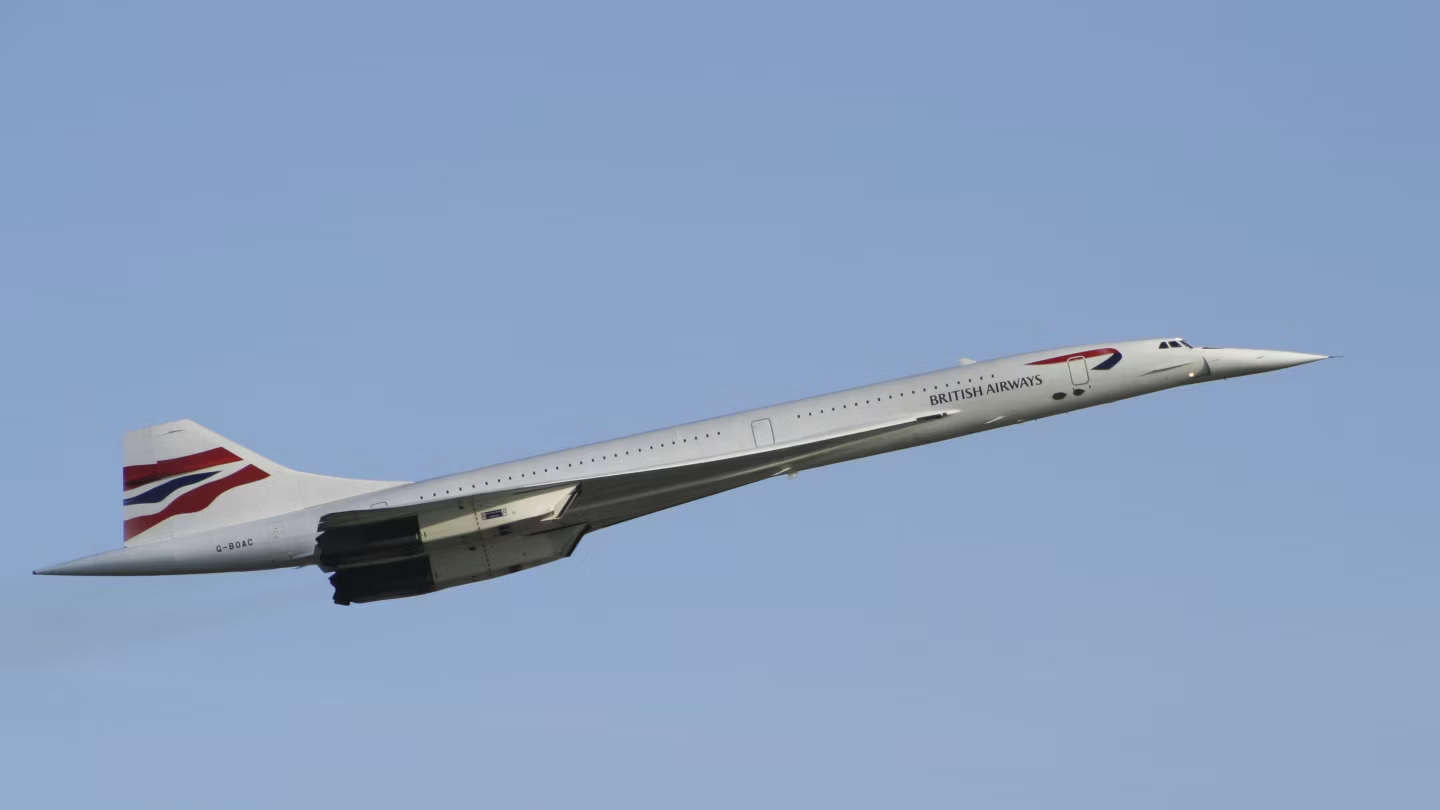
For over half a century, the Federal Aviation Administration prohibited civil aircraft from exceeding Mach 1 over U.S. soil, a response to the window-rattling "sonic booms" produced by first-generation supersonic transports like the Concorde. However, the House’s recent momentum, codified in the FAA Reauthorization Act, mandated a transition from a speed-based ban to a noise-based standard.
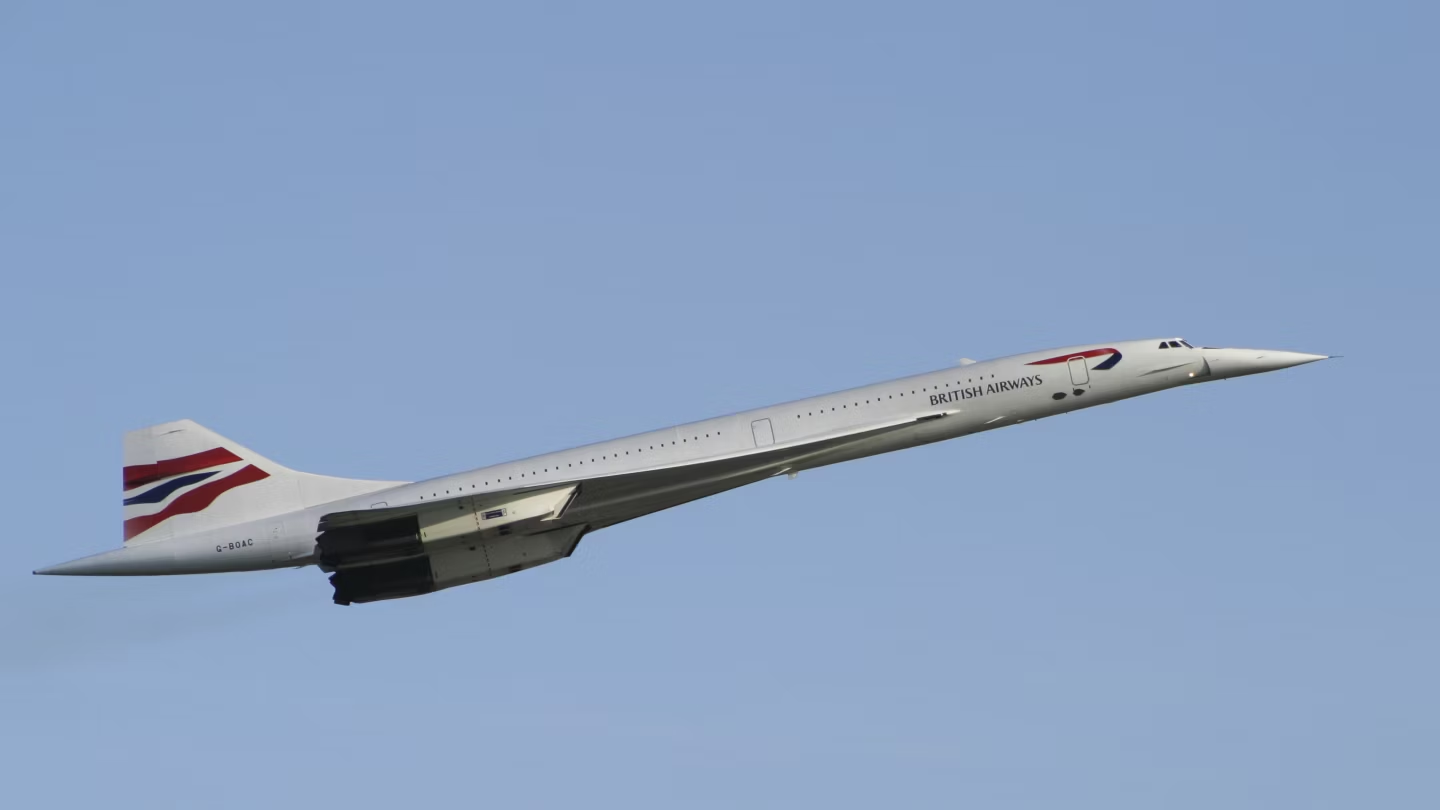
Photo: British Airways
This evolution in law recognizes that technology has finally caught up with ambition. The catalyst for this legislative change was the successful flight testing of NASA’s X-59 Quesst (Quiet SuperSonic Technology) aircraft. Designed in collaboration with Lockheed Martin, the X-59 proved that "shaping" an airframe can reduce a startling boom to a muffled "sonic thump," comparable to the sound of a neighbor closing a car door.
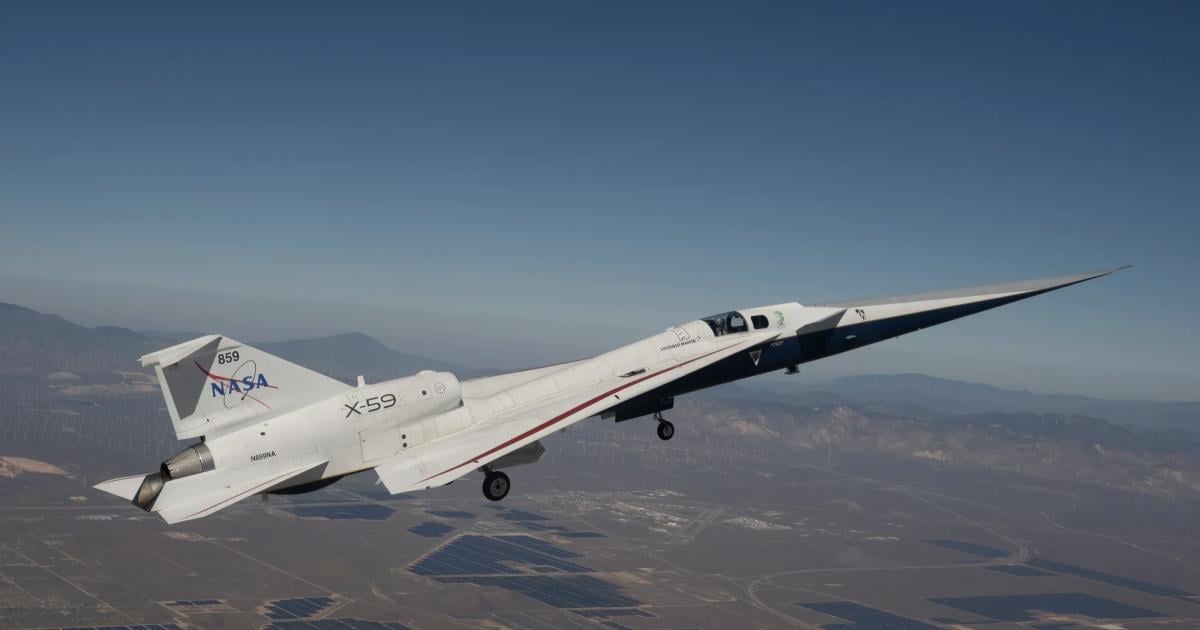
Photo: NASA/ Jim Ross
The legislation passed by Congress emphasizes that the United States must lead in aerospace innovation. Representative Garret Graves, a key architect of the aviation policy, previously noted during the legislative process that “this bill ensures that the U.S. remains a global leader in aviation, and it helps to bring back supersonic travel, which has been banned for 50 years.” By March 2026, the FAA has finalized the certification framework under "Part 36" noise standards, allowing manufacturers to move from the drawing board to the runway.

How AI Quietly Became the Backbone of Today’s Aviation Industry
Industry leaders have responded with unprecedented speed. Boom Supersonic, currently testing its XB-1 demonstrator and preparing its "Overture" airliner in Greensboro, North Carolina, hailed the move as a victory for global connectivity. The company’s vision of a three-and-a-half-hour flight from New York to London, and significantly reduced transcontinental times between Los Angeles and Washington D.C., is no longer a regulatory impossibility.
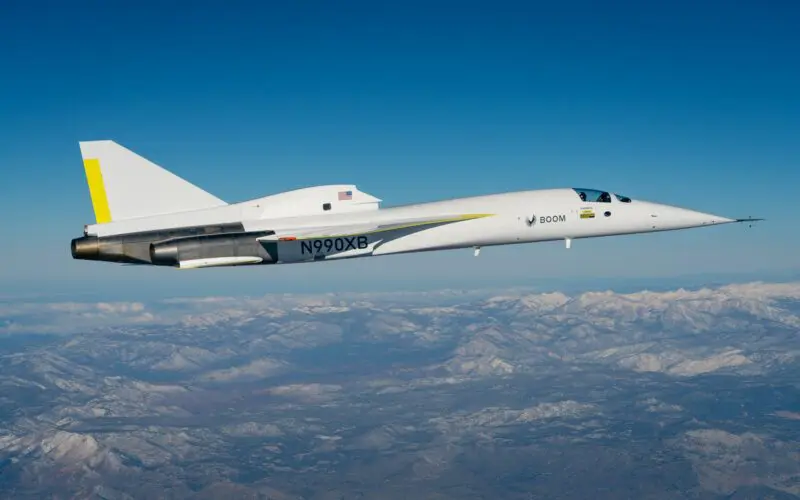
Photo: Boom Supersonic
“What we are seeing is a pivot from a prohibition on speed to a regulation of sound,” says a lead aerospace analyst at the Center for Strategic and International Studies. “By lifting the ban, Congress has signaled to investors that the multi-billion dollar supersonic market is officially open for business.”
Safety remains the cornerstone of this transition. The new rules do not grant pilots a "blank check" to create noise pollution. Instead, they require every new supersonic airframe to undergo rigorous acoustic testing to prove it can operate without disturbing the communities below. This "quiet" requirement ensures that the environmental and social mistakes of the 1970s are not repeated.
As of today, March 26, 2026, the aviation world is no longer looking at whether supersonic travel will return, but when the first ticketed passenger will break the sound barrier over the American heartland. With the regulatory shackles gone, the "Sonic Boom" era has officially transitioned into the "Sonic Thump" revolution.
Southwest Airlines Becomes First US Carrier to Integrate Flight Booking Into ChatGPT » Caribbean Airlines Expands Network With New Toronto and Caracas Routes » KLM Brings Starlink Internet to Long-Haul Flights »

Comments (0)
Add Your Comment
TAGS
NEWS Supersonic Travel NASA X59 FAA Boom Supersonic Aerospace NASA ConcordeRECENTLY PUBLISHED
 This Week in Aviation: The 10 Stories That Mattered Most
From major airline developments to aircraft updates and industry shifts, this weekly recap highlights the ten most-read aviation stories from the week of October 04.
INFORMATIONAL
READ MORE »
This Week in Aviation: The 10 Stories That Mattered Most
From major airline developments to aircraft updates and industry shifts, this weekly recap highlights the ten most-read aviation stories from the week of October 04.
INFORMATIONAL
READ MORE »
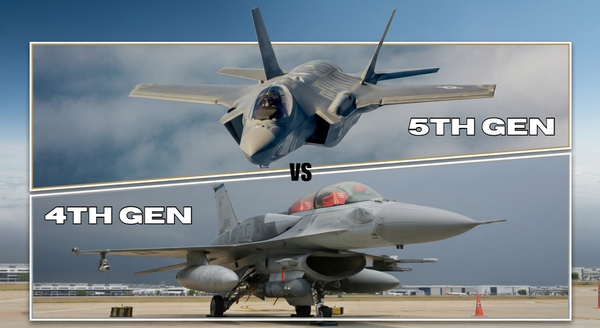 4th vs 5th Generation Fighter Jets: How Fighter Jets Have Evolved
A look at what separates fourth- and fifth-generation fighter jets, from stealth and sensor fusion to combat capability and cost.
INFORMATIONAL
READ MORE »
4th vs 5th Generation Fighter Jets: How Fighter Jets Have Evolved
A look at what separates fourth- and fifth-generation fighter jets, from stealth and sensor fusion to combat capability and cost.
INFORMATIONAL
READ MORE »
 United 777 Diverts to Dublin After Cockpit Windscreen Cracks Over the Atlantic
A United Airlines Boeing 777 bound for Milan made a steep descent and diverted to Dublin after its cockpit windscreen cracked mid-flight.
NEWS
READ MORE »
United 777 Diverts to Dublin After Cockpit Windscreen Cracks Over the Atlantic
A United Airlines Boeing 777 bound for Milan made a steep descent and diverted to Dublin after its cockpit windscreen cracked mid-flight.
NEWS
READ MORE »
More than just headlines.
Get unlimited ad-free access to in-depth aviation news, premium stories, and exclusive insights other sites don't cover.
- Ad-free browsing on AeroXplorer
- Unlimited access to premium and exclusive articles
- Higher photo upload limits & commissions on sales
- Free access to Jetstream Magazine on higher tiers
- Ad-free browsing
- Sell aviation photos with 60% commission
- First week free!
- Everything in Basic+
- Unlimited premium articles
- Sell aviation photos with 70% commission
- Free Digital subscription to Jetstream Magazine
- First week free!
- Everything in Basic+ and Pro
- Sell aviaiton photos with 80% commission
- Early access to exclusive stories
- Free Digital+Print subscription to Jetstream Magazine