
At a crowded amusement park on a summer afternoon, a roller coaster train rolls slowly into the station. As the restraints loosen and staff lead them off the ride, guests laugh and converse. The next group of riders boards from the opposite side shortly after. Before getting ready to start the ride again, an operator thoroughly inspects it and verifies each harness.
But they notice something.
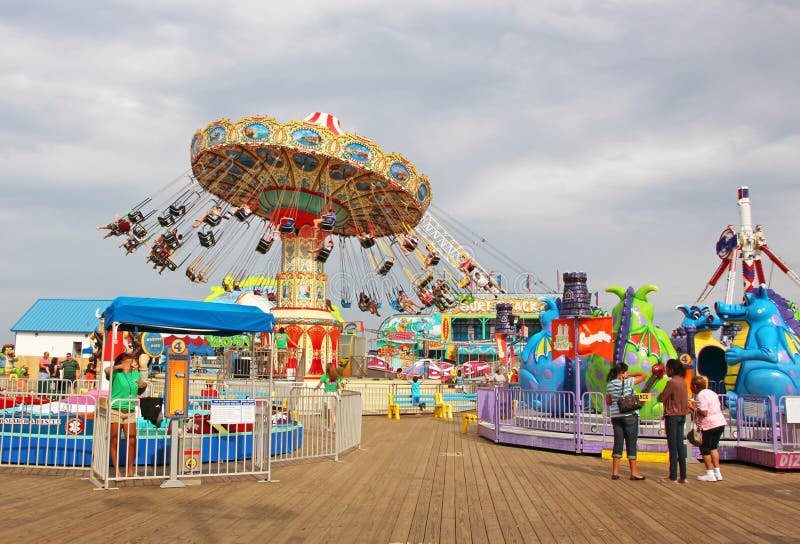
Perhaps it's a strange sound. Perhaps a harness doesn't feel quite right. Whatever the reason, the attendant presses the stop button. Technicians arrive to examine it more closely. The sun beats down on hundreds of people waiting in line, yet the delay is accepted without question. Safety comes first.
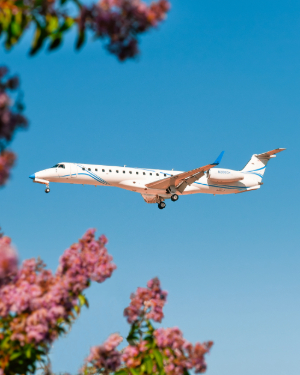
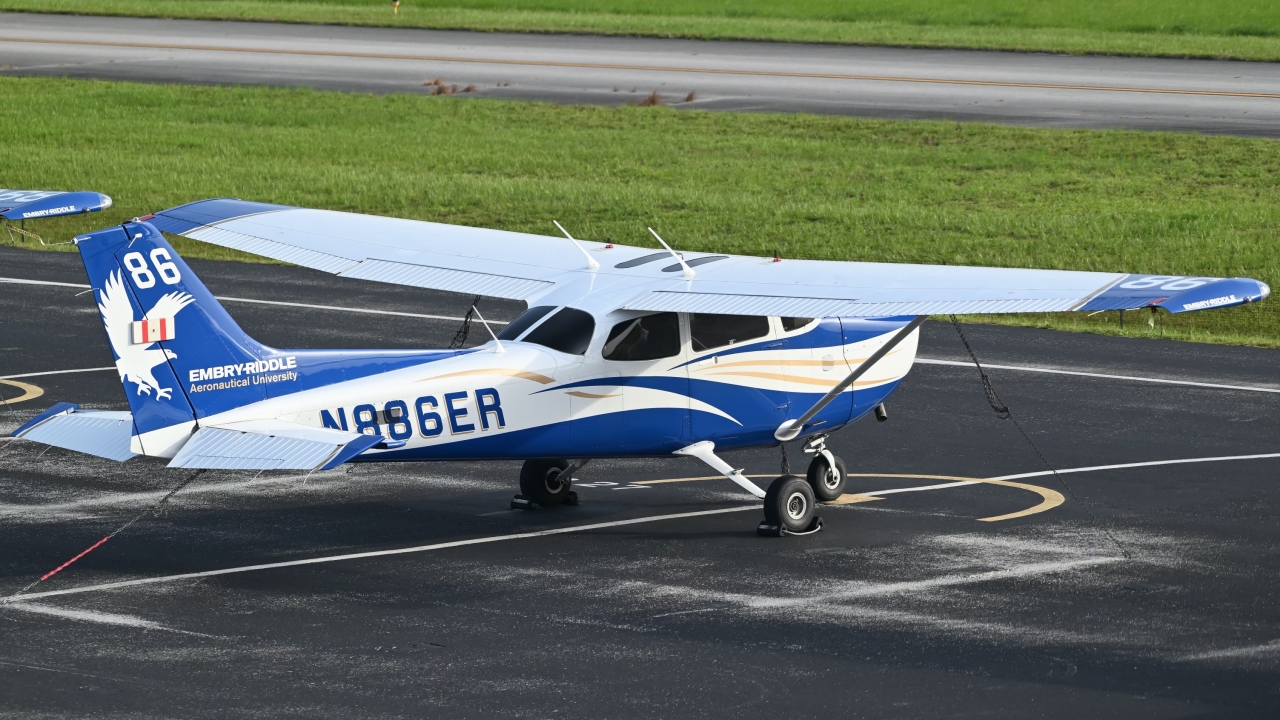
In aviation, almost every operation is carried out the same way. Pilots, mechanics, and ground crews are trained to stop operations as soon as they sense a problem, even if it looks minor. Although roller coasters and airplanes operate in quite different environments, both sectors depend heavily on complex technologies, stringent protocols, and human judgment to keep thousands of people safe every day.

From the outside, aviation and theme parks might not seem to have much in common. However, both face the same fundamental challenge: humans with different backgrounds operating complex machinery while maintaining an underlying commitment to safety.
Safety as a System
When considering aviation safety, flying and maintenance usually come to mind first. However, it is about something much larger: the people, technology, and procedures working together in situations where mistakes can have disastrous results. While flight crews manage complex aircraft in busy airspace, maintenance workers complete repairs under tight deadlines. Ground crews are consistently guiding aircraft into busy ramps and ensuring luggage makes it on the plane. All these operations happen on tight schedules under public view, where even the smallest of problems can quickly snowball.
Over time, the aviation industry has proven itself to be a leader in safety. This reputation is built upon strict procedures, several layers of protection, and a culture that sees risk assessment as a part of the daily routine. However, aviation is not the only industry that handles this level of complexity. Similarly, theme parks, while in a different industry and environment, face many similar challenges.
While it may seem like there is no connection between aviation and theme parks, there are many hidden safety lessons that connect them. Parks such as Disney, Universal, and SeaWorld operate attractions for thousands of guests every day. These attractions operate from open to close, with little time for delays. While this may seem effortless from a visitor's point of view, it is the result of strict procedures, layers of safety systems, and employees trained to notice any sign of trouble before it occurs.

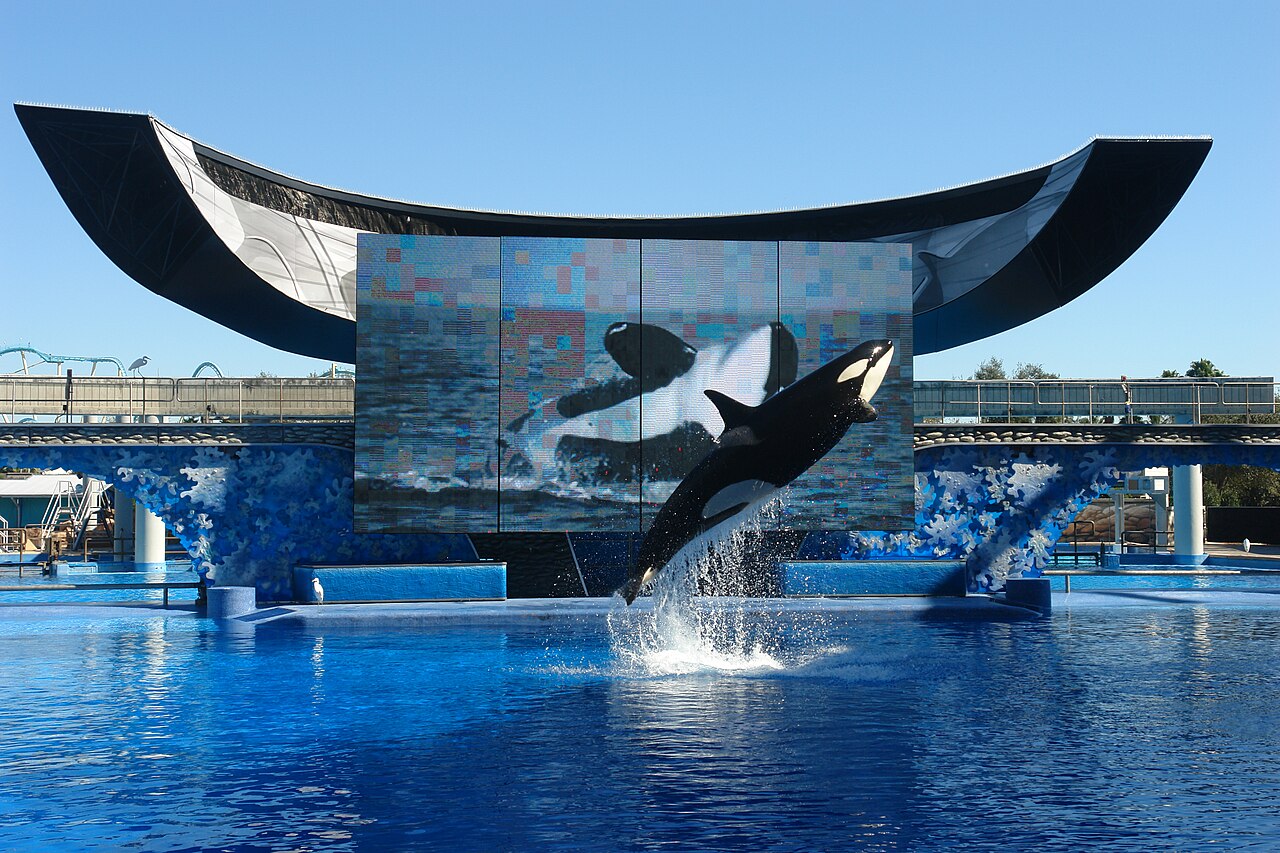
During my time working in Environmental Health and Safety at SeaWorld, I saw how much coordination occurs behind the scenes to keep attractions and performances operating safely, all while ensuring guest satisfaction. Getting a close-up view of these operations made me realize the connection between theme park safety and aviation safety. From airplanes to roller coasters, the safety challenges of human error, time pressure, complex equipment, and timely decision-making never stop.
Culture that Supports Stopping
Operational pauses are one of the strongest safety practices theme parks utilize. Attendants are trained to stop rides at the slightest irregularity, even if there is no direct threat to safety. It could be something as simple as a restraint not working or an unusual sound. This culture exists because supervisors trust operators to make the right call.
At SeaWorld, I observed operators stopping attractions for these irregularities. The first response from leadership was to diagnose and fix the issue without questioning the delay. This made it clear that safety came first. Due to that support, operators did not hesitate to act cautiously when unsure.
This approach mirrors the aviation principle of "when in doubt, stop and reassess." However, some pressures – such as schedules and operational demands – can lead people to ignore the warnings and continue on. Theme parks show how strong leadership communication can remove this pressure by making these safety pauses routine.
Designing Systems Around Human Performance
Theme park rides are built with the assumption that people make mistakes. Multiple restraints, sensors, and interlocks are used to prevent operation unless safe conditions are guaranteed. The simplified control panels that operators use provide visual cues to make protocols obvious and easy to follow.
From a theme park safety perspective, I witnessed how equipment layout and simplified language ensure smooth and clear operations. Ride check procedures were arranged so that the safest method was the most natural one. Eliminating the need to rely on memorized protocols helped operators follow procedures and prevent human errors, especially in high-pressure situations.
While aviation uses many of these ideas, theme parks highlight an important aspect: safety systems are designed not only to warn people, but to actively help prevent mistakes. When the system design supports human performance, safety in turn becomes stronger and more reliable.

Building Habits and Awareness
In my SeaWorld role, I observed frequent training that was practical and consistent. We learned not just how to operate a ride, but how to recognize equipment hazards, environmental risks such as weather, and guest behaviors that could turn dangerous. Training focused on real scenarios to help improve decision-making.
For example, we often practiced evacuation drills where we simulated mechanical issues requiring us to shut down the ride and safely evacuate passengers. In some cases, this meant giving calm, clear instructions while guiding riders down narrow stairways from elevated sections of track. This prepared us with a certain level of coordination and situational awareness, so that if the event were to happen, the required response would already feel familiar.
Operators had to prove proficiency before working alone and required frequent re-evaluation through drills such as ride evacuations and medical emergencies. Through observing and supporting these exercises, I made note of the consistency in communication and response under pressure.
These drills shaped how I think about aviation safety. They showed that recognizing hazards should be practiced as often as any other technical ability. People perform best when expectations are simple, clear, and often repeated. Theme parks utilize a shared understanding across teams, therefore improving coordination during time-sensitive operations, much like aviation.
Learning Without Blame
When incidents occur in theme parks, the focus is on response and learning. Employees follow assigned emergency roles and review the conditions that allowed the event to occur, rather than focusing on who to blame. In theme parks, post-incident discussions centered on how procedures or safeguards could be improved. These discussions encourage reporting and honest feedback.
Aviation follows a similar idea through “just culture,” where people are encouraged to report mistakes without fear of punishment. This allows these organizations to maintain public trust while continually learning, improving their system, and preventing small errors from becoming serious accidents.

Lessons for Aviation
These theme parks have shown that having a strong safety performance comes from how procedures are supported through training and design. Several lessons from theme parks can be directly translated into aviation safety. Cautious decision-making must be supported by management. Just as ride operators are expected to pause at the first sign of uncertainty, aviation personnel must feel supported by their management when delaying or stopping operations for safety concerns.
The training provided should be frequent and scenario-based across all roles to help prepare employees. Theme parks rehearse rare events so that recognition and response will become automatic. In aviation, regular, repetitive training cycles are designed to have the same effect.
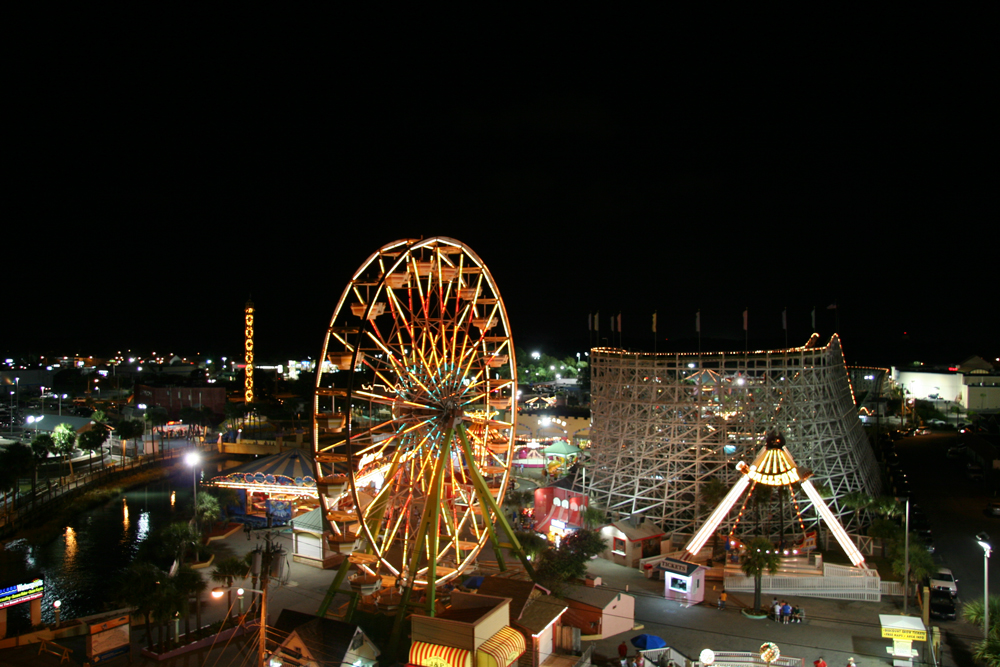
Most importantly, consistency matters. From my experience, I saw just how crucial expectations, procedures, and training were to the stability across shifts and roles. The consistency created a shared understanding among workers. In aviation, especially for ground operations where the variability in workers is higher, this approach works wonders.
While aviation and theme parks may seem unrelated, they both manage complex systems, human performance, and public safety risk daily. Theme parks demonstrate that safety works best when it is built into daily operations and not treated as an oversight layer.
This model of strong frontline decisions, reinforcing habits through scenario-based training, and systems designed around human behavior closely resembles known aviation safety principles. By applying similar approaches to operational safety, frequent training, and frontline empowerment, aviation can continue to strengthen its safety principles in environments where human performance and complex systems are intertwined.
Sometimes, the best safety lessons for the aviation industry come from unusual places – even a theme park.
Riyadh Airport Closed After Reported Ballistic Missile Strike on Saudia Airbus Jet » Frontier Airlines Flight Attendant Restrains Passenger Who Lunged for Cabin Door During Atlanta Jet Bridge Delay » This Week in Aviation: The 10 Stories That Mattered Most »

Comments (0)
Add Your Comment
TAGS
STORIES Theme Parks Opinion Aviation Pilot Human FactorsRECENTLY PUBLISHED
 Heathrow Cites Airline Demand for Slots as Third Runway Review Continues
Heathrow says more than 40 airlines want slots at the UK hub, strengthening the case for a third runway as Parliament reviews expansion plans.
NEWS
READ MORE »
Heathrow Cites Airline Demand for Slots as Third Runway Review Continues
Heathrow says more than 40 airlines want slots at the UK hub, strengthening the case for a third runway as Parliament reviews expansion plans.
NEWS
READ MORE »
 Power Bank Fire in Overhead Bin Forces IndiGo A321neo to Divert
An IndiGo A321neo diverted to Hyderabad after a fire broke out on the aircraft
NEWS
READ MORE »
Power Bank Fire in Overhead Bin Forces IndiGo A321neo to Divert
An IndiGo A321neo diverted to Hyderabad after a fire broke out on the aircraft
NEWS
READ MORE »
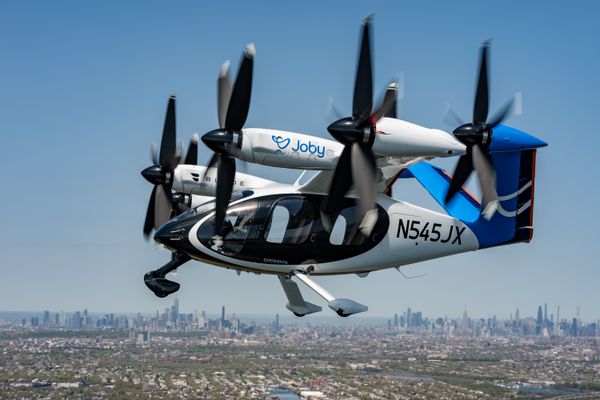 This Week in Aviation: The 10 Stories That Mattered Most
From major airline developments to aircraft updates and industry shifts, this weekly recap highlights the ten most-read aviation stories from the week of October 04.
INFORMATIONAL
READ MORE »
This Week in Aviation: The 10 Stories That Mattered Most
From major airline developments to aircraft updates and industry shifts, this weekly recap highlights the ten most-read aviation stories from the week of October 04.
INFORMATIONAL
READ MORE »
More than just headlines.
Get unlimited ad-free access to in-depth aviation news, premium stories, and exclusive insights other sites don't cover.
- Ad-free browsing on AeroXplorer
- Unlimited access to premium and exclusive articles
- Higher photo upload limits & commissions on sales
- Free access to Jetstream Magazine on higher tiers
- Ad-free browsing
- Sell aviation photos with 60% commission
- First week free!
- Everything in Basic+
- Unlimited premium articles
- Sell aviation photos with 70% commission
- Free Digital subscription to Jetstream Magazine
- First week free!
- Everything in Basic+ and Pro
- Sell aviaiton photos with 80% commission
- Early access to exclusive stories
- Free Digital+Print subscription to Jetstream Magazine