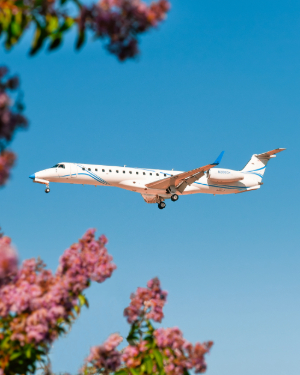
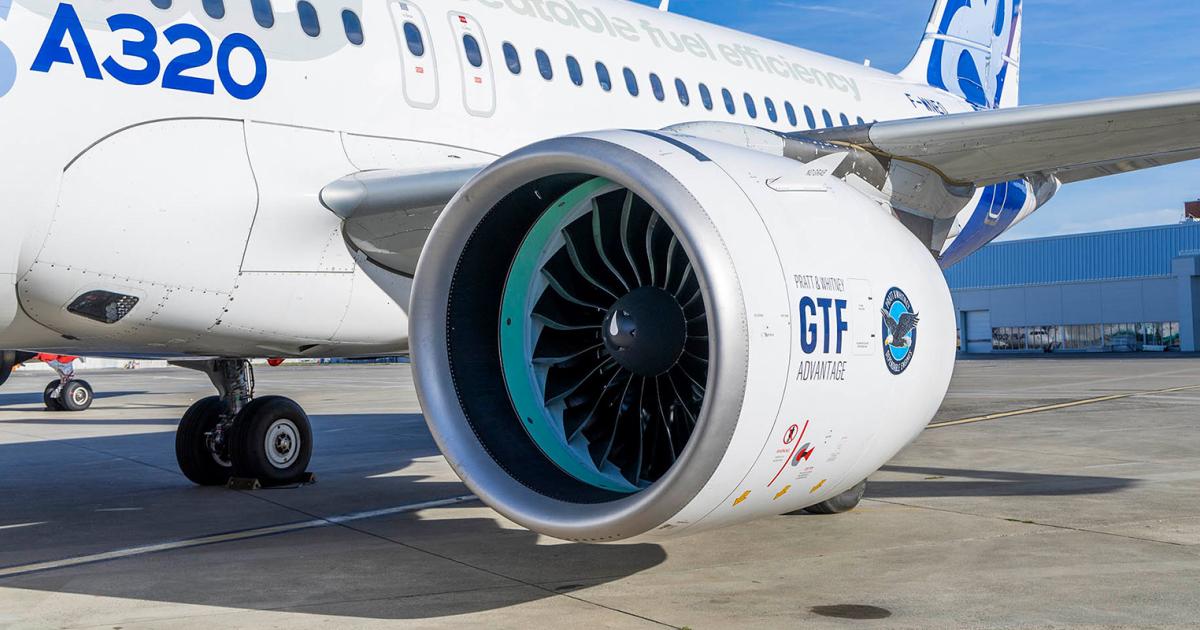
Facing a deepening industrial deadlock that has sent ripples through the aerospace sector, Airbus has officially dialed back its ambitious production targets for its best-selling A320neo family. During a high-stakes annual results presentation today, February 19, 2026, CEO Guillaume Faury confirmed that the company is unlikely to secure additional CFM International LEAP-1A engines to mitigate a "significant" shortfall from its other primary supplier, Pratt & Whitney.
The announcement marks a rare public escalation of tensions between the world's largest aircraft manufacturer and its propulsion partners. Airbus shares tumbled as much as 6.7% in European trading following the news that the coveted “Rate 75”, a goal of producing 75 narrowbody jets per month, has been pushed back from 2026 to late 2027.

Photo: AeroXplorer/ Sebastien Gigot
A Breakdown in Commitment
The core of the dispute lies with Pratt & Whitney, a subsidiary of RTX Corporation. While the industry has spent years grappling with the fallout of the "powder metal" contamination issue that grounded hundreds of Geared Turbofan (GTF) engines, Airbus suggests the current bottleneck is now a matter of prioritization rather than just technical recovery.
"Pratt & Whitney’s failure to commit to the number of engines ordered by Airbus is negatively impacting this year’s guidance and the ramp-up trajectory," Airbus stated in its official year-end report.
Guillaume Faury went further during the earnings call, describing the engine shortage as "the single most important topic we are dealing with." He indicated that Airbus has begun a formal process to "enforce our contractual rights," a move analysts interpret as a precursor to potential legal action or significant financial penalties.
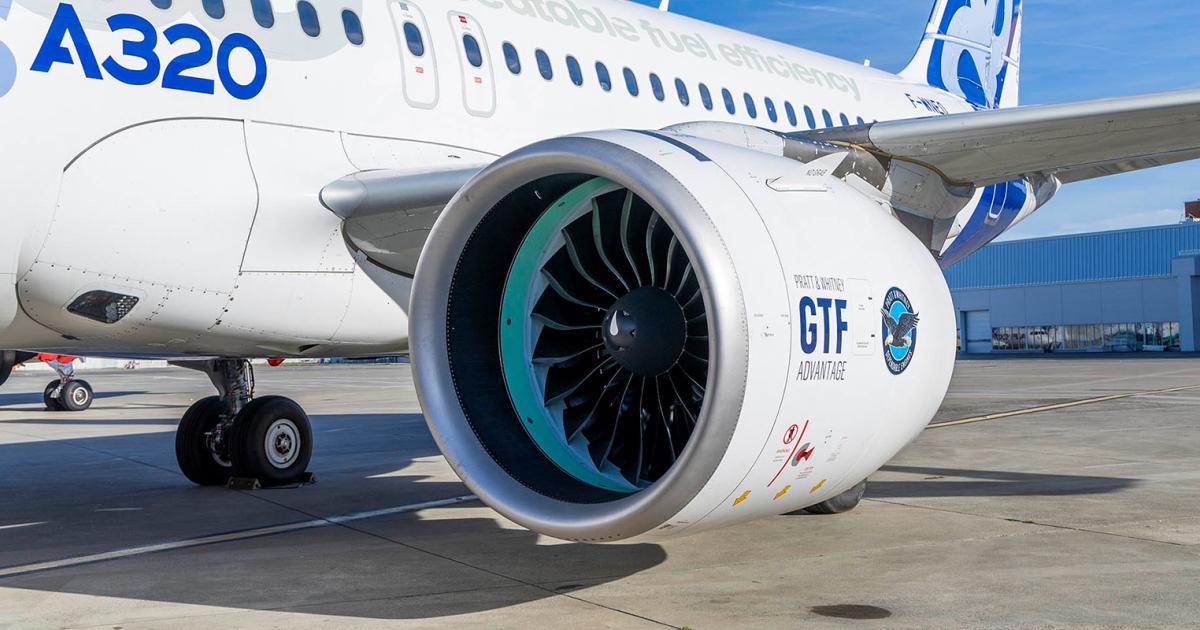
Photo: Airbus/ Sylvain Ramadier
Why CFM Cannot Save the Day
Airlines and lessors had hoped that Airbus could pivot its order book toward the CFM LEAP-1A engine, the dual-source alternative produced by the GE Aerospace and Safran joint venture. However, those hopes were dashed by the reality of a maxed-out global supply chain.
Reports from earlier this week indicate that Safran CEO Olivier Andries has been firm: CFM is not in a position to "wade into the dispute" or absorb the production void left by its competitor. CFM is currently focusing on its own 15% delivery growth target to meet existing obligations, leaving no "surge capacity" to help Airbus bridge the gap.
| Key Metric | 2025 Performance | 2026 Target (Revised) |
|---|---|---|
| Commercial Deliveries | 793 aircraft | ~870 aircraft |
| A320neo Production Rate | ~60/month | 70–75/month (by late 2027) |
| Adjusted EBIT | €7.13 Billion | ~€7.5 Billion |
| Order Backlog | 8,754 aircraft | N/A |
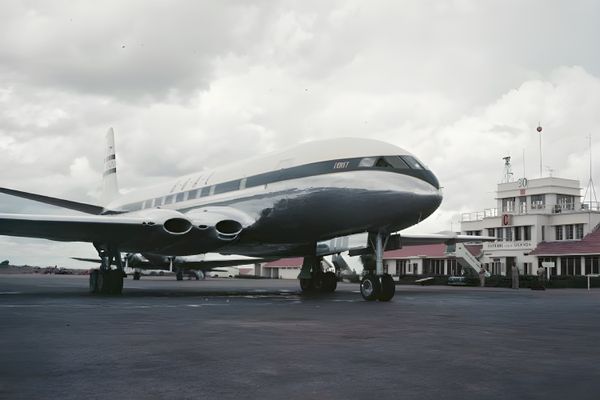
The Shape of Disaster: The Plane That Kept Falling Apart Mid-Air
The "Glider" Crisis and MRO Prioritization
The tension is exacerbated by what Airbus perceives as a conflict of interest at Pratt & Whitney. To keep existing airline customers flying, P&W has prioritized the production of spare parts and engines for Maintenance, Repair, and Overhaul (MRO) facilities over the delivery of new units for the assembly line.
This has led to the persistent phenomenon of “gliders”, fully assembled airframes sitting on the tarmac in Toulouse and Hamburg without engines.
"We are very frustrated that they have committed more to support the installed base of aircraft, and we are negotiating with them to change this," Faury told reporters today.
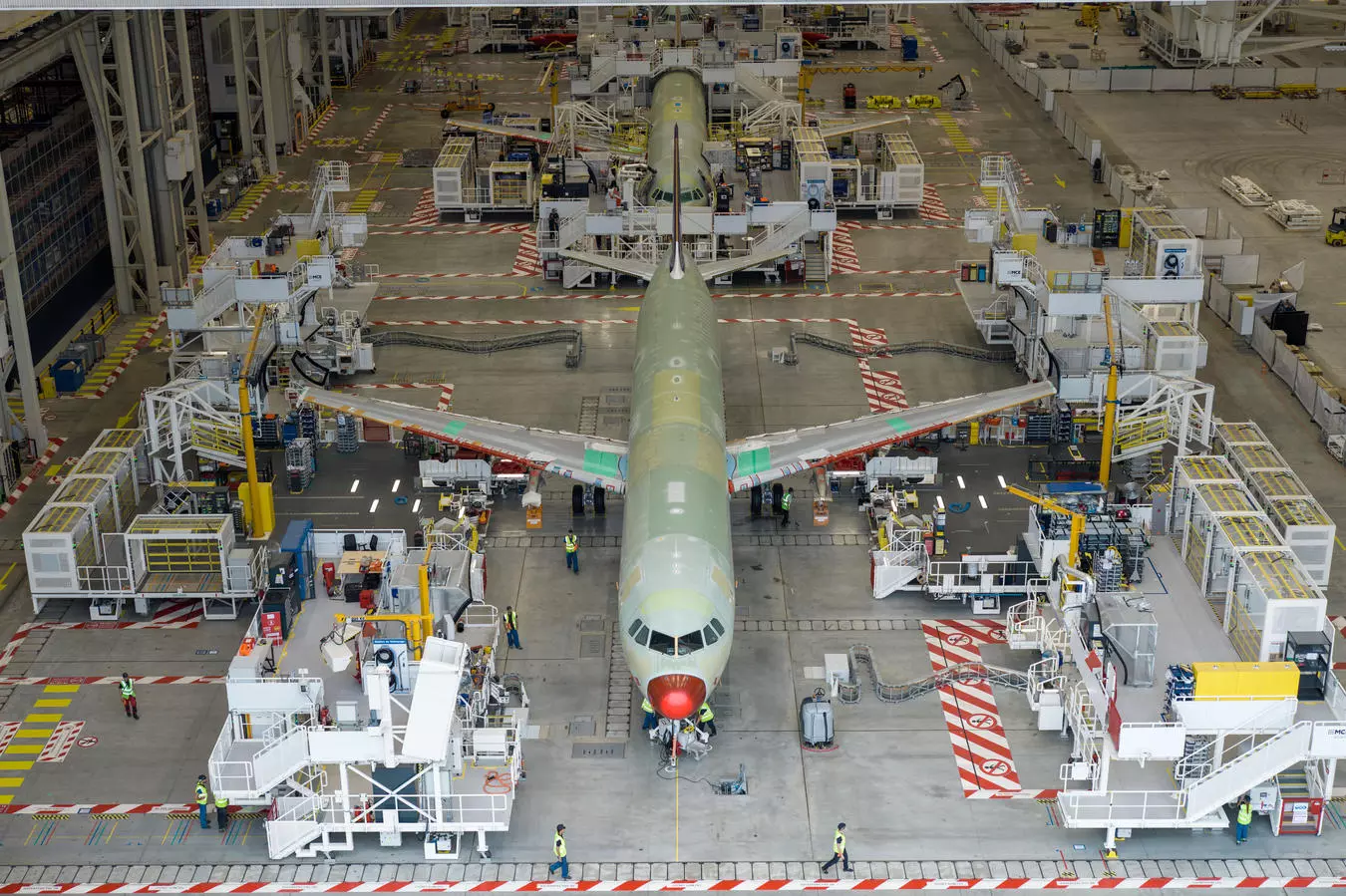
Photo: Airbus
The Competitive Landscape
The Airbus stumble comes at a delicate time. While the European giant remains dominant in the narrowbody market, its primary rival, Boeing, has shown signs of a steady recovery under new leadership. With Boeing targeting its own production increases for the 737 MAX family, any sustained delay at Airbus could allow the American manufacturer to reclaim lost market share, particularly among frustrated airlines waiting for delivery slots.
Looking Ahead
As the aerospace industry navigates this latest "supply chain stress test," the focus shifts to whether RTX and Pratt & Whitney will offer a formal supply agreement that satisfies Airbus's requirements. For now, the dream of hitting a 75-jet monthly cadence remains a moving target, tethered to the output of a few key propulsion specialists who are already running at their absolute limits.
Why Did Some Air India A320s Have Extra Wheels? Bogie Gear Explained » KLM Brings Starlink Internet to Long-Haul Flights » NetJets Expands US Footprint With Three New Private Terminals and Larger Palm Beach Facility »

Comments (0)
Add Your Comment
TAGS
NEWS Airbus A320neo Supply Chain CFM Pratt & Whitney Aerospace OEM Boeing 737 MAXRECENTLY PUBLISHED
 JetBlue Opens Sales for BlueFirst, Its First Domestic First Class Cabin
JetBlue begins selling seats in its new BlueFirst domestic first class cabin, with service starting in 2026 on select transcontinental routes.
NEWS
READ MORE »
JetBlue Opens Sales for BlueFirst, Its First Domestic First Class Cabin
JetBlue begins selling seats in its new BlueFirst domestic first class cabin, with service starting in 2026 on select transcontinental routes.
NEWS
READ MORE »
 Southwest Overhauls Rapid Rewards and How it Affects You
Southwest Airlines is expanding its Rapid Rewards program with new redemption options, tier benefits, and status perks. Here's what it means for you.
NEWS
READ MORE »
Southwest Overhauls Rapid Rewards and How it Affects You
Southwest Airlines is expanding its Rapid Rewards program with new redemption options, tier benefits, and status perks. Here's what it means for you.
NEWS
READ MORE »
 Qantas Grounds Plane After Passengers Report Bedbug Bites on Flight
Qantas pulled an aircraft from service after passengers reported bedbug bites during flight QF5.
NEWS
READ MORE »
Qantas Grounds Plane After Passengers Report Bedbug Bites on Flight
Qantas pulled an aircraft from service after passengers reported bedbug bites during flight QF5.
NEWS
READ MORE »
More than just headlines.
Get unlimited ad-free access to in-depth aviation news, premium stories, and exclusive insights other sites don't cover.
- Ad-free browsing on AeroXplorer
- Unlimited access to premium and exclusive articles
- Higher photo upload limits & commissions on sales
- Free access to Jetstream Magazine on higher tiers
- Ad-free browsing
- Sell aviation photos with 60% commission
- First week free!
- Everything in Basic+
- Unlimited premium articles
- Sell aviation photos with 70% commission
- Free Digital subscription to Jetstream Magazine
- First week free!
- Everything in Basic+ and Pro
- Sell aviaiton photos with 80% commission
- Early access to exclusive stories
- Free Digital+Print subscription to Jetstream Magazine