
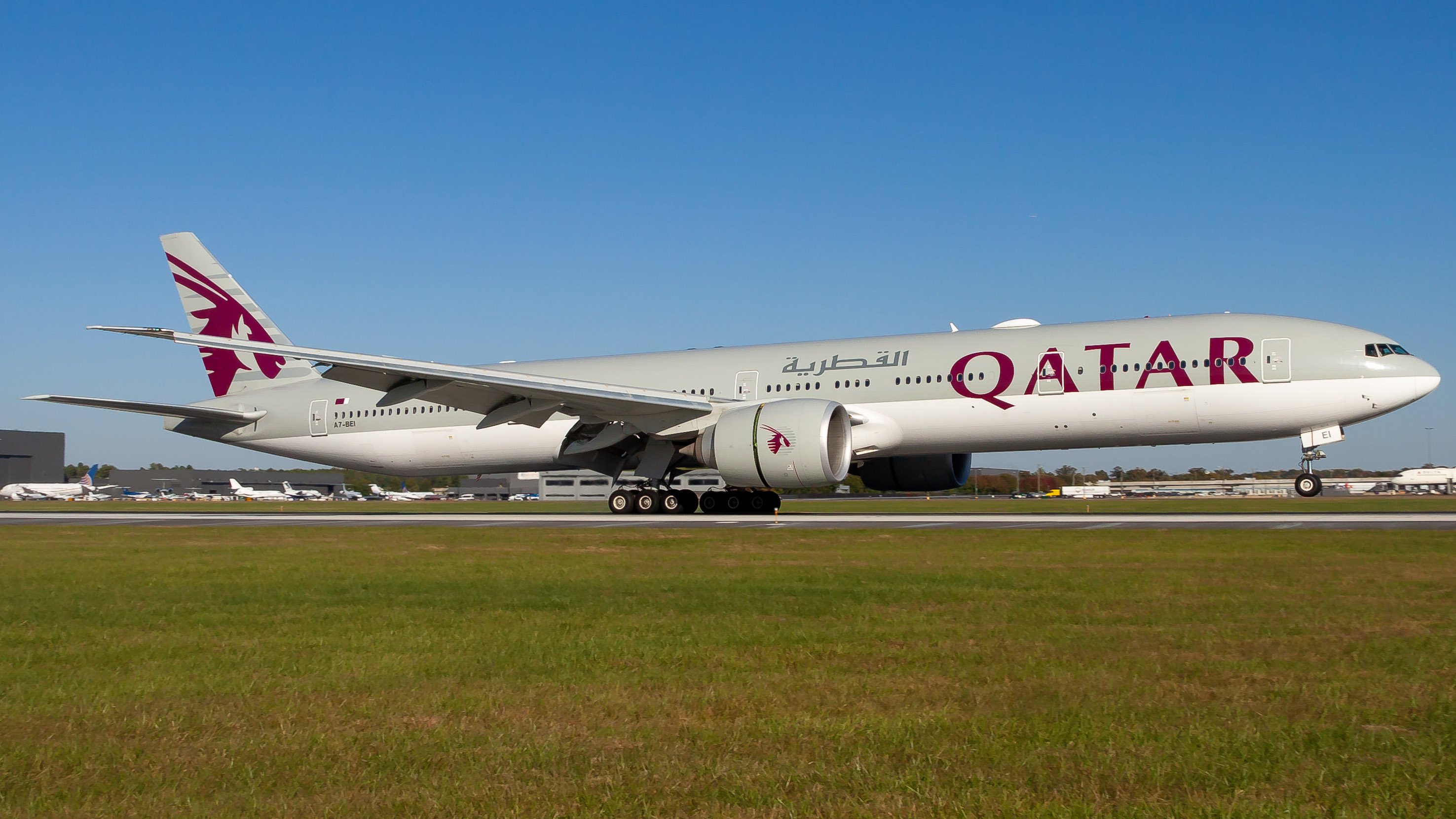

Qatar Airways is facing legal action following the death of a passenger who suffered a severe allergic reaction after consuming a sandwich served onboard. The lawsuit, filed by the deceased passenger's family from Dresher, Pennsylvania, accuses the Doha-based carrier of failing to protect a traveler with a known nut allergy.
What Happened Onboard
The incident involved a passenger who informed cabin crew of a serious nut allergy before departure. Despite this notification, the passenger was reportedly served a sandwich that contained allergens. Within minutes of consuming the item, the traveler went into anaphylactic shock.
Cabin crew attempted to administer emergency treatment, but the passenger died as a result of the reaction. The family's legal filing argues that the airline's crew failed to verify the ingredients of the meal served, despite being alerted to the medical condition well in advance.

The Legal Claim
The lawsuit alleges negligence on the part of Qatar Airways, contending that the airline breached its duty of care toward a passenger who had disclosed a life-threatening medical condition. Legal representatives for the family are seeking damages under the Montreal Convention, the international treaty that governs airline liability for passenger injury and death on international flights.
Under the Montreal Convention, airlines are held strictly liable for damages up to a specified threshold when a passenger dies or suffers bodily injury during international carriage. Beyond that threshold, carriers can only avoid liability if they prove the incident was not caused by their negligence or that it resulted solely from the actions of a third party.
The family's attorneys argue that the airline had multiple opportunities to prevent the tragedy, including at the point of meal preparation, service, and confirmation with the passenger. According to the complaint, none of these safeguards functioned as they should have.
Broader Concerns About Allergen Management
The case draws attention to how airlines handle passengers with severe food allergies. Policies vary widely across carriers. Some airlines prohibit nut products entirely when notified of an onboard allergy, while others make no guarantees about allergen-free meals or cabin environments.
Qatar Airways, like many international carriers, does not operate a nut-free cabin policy. The airline advises passengers with severe allergies to take personal precautions, including carrying prescribed medication such as epinephrine auto-injectors. However, consumer advocates argue that once a passenger discloses an allergy, the responsibility shifts to the carrier to ensure meals served do not contain the allergen in question.
Aviation safety experts note that anaphylaxis in the air presents unique challenges. Medical assistance is limited to what is available in the aircraft's emergency kit and the training of the cabin crew. Diversion to the nearest airport can take considerable time, particularly on long-haul routes over oceans or remote regions.
The Cockpit’s Next Revolution: When the Co-Pilot Is a Computer
Qatar Airways Response
Qatar Airways has not issued a detailed public statement addressing the specifics of the lawsuit. The airline has previously stated that it takes passenger safety seriously and works to accommodate medical needs when notified in advance.
The carrier operates one of the largest long-haul networks in the world and has consistently ranked among the top airlines globally for service quality. This litigation could prompt a review of its allergen protocols and crew training procedures.
Industry Precedent for Allergy-Related Incidents
Airlines have faced legal action over allergy incidents in the past, though fatal cases remain rare. Courts in various jurisdictions have generally required plaintiffs to demonstrate that the carrier failed to take reasonable steps after being notified of a medical condition. Successful claims have typically involved documented notifications, service failures, and clear causation between the allergen exposure and the resulting harm.
In recent years, several major carriers have updated their policies in response to consumer pressure and litigation. Some airlines now offer allergy-friendly meal options that can be ordered in advance, while others have implemented buffer zones around passengers with severe allergies. The industry remains divided on whether to enforce complete bans on certain allergens, given the complexity of cross-contamination risks in commercial kitchens.

What This Means for Passengers
If you travel with a severe food allergy, you should take several precautions before boarding any international flight. Notify the airline at the time of booking and again at check-in. Confirm your dietary needs with the cabin crew upon boarding. Carry your prescribed emergency medication in your hand luggage, and ensure it is accessible during the flight.
Request ingredient information before consuming any onboard meal, and consider bringing your own food when possible. Airlines are not always able to guarantee an allergen-free environment, so personal preparation remains the most reliable safeguard.
Looking Ahead
The outcome of the lawsuit against Qatar Airways could influence how carriers across the industry approach allergen management. If the family prevails, the case may set a precedent that pushes airlines to adopt stricter protocols for meal service when passengers disclose severe allergies.
For now, the case highlights a persistent gap between passenger expectations and airline procedures when it comes to medical safety in the air. As the litigation moves forward, attention will focus on what steps Qatar Airways took, or failed to take, once the passenger's allergy was communicated to the crew.
The airline has not indicated when it will formally respond to the complaint, and no court date has been publicly announced.
United 777 Diverts to Dublin After Cockpit Windscreen Cracks Over the Atlantic » Delta Aircraft Isolated at Ben Gurion Airport Following Bomb Threat » Heathrow Cites Airline Demand for Slots as Third Runway Review Continues »

Comments (0)
Add Your Comment
TAGS
NEWS Qatar Airways Pennsylvania Allergen Exposure Passenger Death Airline Lawsuit In-Flight Safety Aviation Legal News Doha Flight Airline Liability Passenger RightsRECENTLY PUBLISHED
 Selma Blair Charged With Assault After Alleged Biting Incident on Delta Flight
Actress Selma Blair faces assault charges after allegedly biting a Delta flight attendant and kicking a police officer during a disturbance at JFK.
NEWS
READ MORE »
Selma Blair Charged With Assault After Alleged Biting Incident on Delta Flight
Actress Selma Blair faces assault charges after allegedly biting a Delta flight attendant and kicking a police officer during a disturbance at JFK.
NEWS
READ MORE »
 Riyadh Air Relocates New Boeing 787 Dreamliners Away From Capital Amid Houthi Missile Threat
Saudi Arabia's new flag carrier Riyadh Air has moved its Boeing 787 Dreamliners out of Riyadh over fears of Houthi missile attacks ahead of launch.
NEWS
READ MORE »
Riyadh Air Relocates New Boeing 787 Dreamliners Away From Capital Amid Houthi Missile Threat
Saudi Arabia's new flag carrier Riyadh Air has moved its Boeing 787 Dreamliners out of Riyadh over fears of Houthi missile attacks ahead of launch.
NEWS
READ MORE »
 FAA Orders Engine Repairs on Airbus A380 Fleet After Uncontained Failure
The FAA has ordered inspections and repairs on Engine Alliance GP7200 engines powering Airbus A380s after an uncontained failure during takeoff.
NEWS
READ MORE »
FAA Orders Engine Repairs on Airbus A380 Fleet After Uncontained Failure
The FAA has ordered inspections and repairs on Engine Alliance GP7200 engines powering Airbus A380s after an uncontained failure during takeoff.
NEWS
READ MORE »
More than just headlines.
Get unlimited ad-free access to in-depth aviation news, premium stories, and exclusive insights other sites don't cover.
- Ad-free browsing on AeroXplorer
- Unlimited access to premium and exclusive articles
- Higher photo upload limits & commissions on sales
- Free access to Jetstream Magazine on higher tiers
- Ad-free browsing
- Sell aviation photos with 60% commission
- First week free!
- Everything in Basic+
- Unlimited premium articles
- Sell aviation photos with 70% commission
- Free Digital subscription to Jetstream Magazine
- First week free!
- Everything in Basic+ and Pro
- Sell aviaiton photos with 80% commission
- Early access to exclusive stories
- Free Digital+Print subscription to Jetstream Magazine