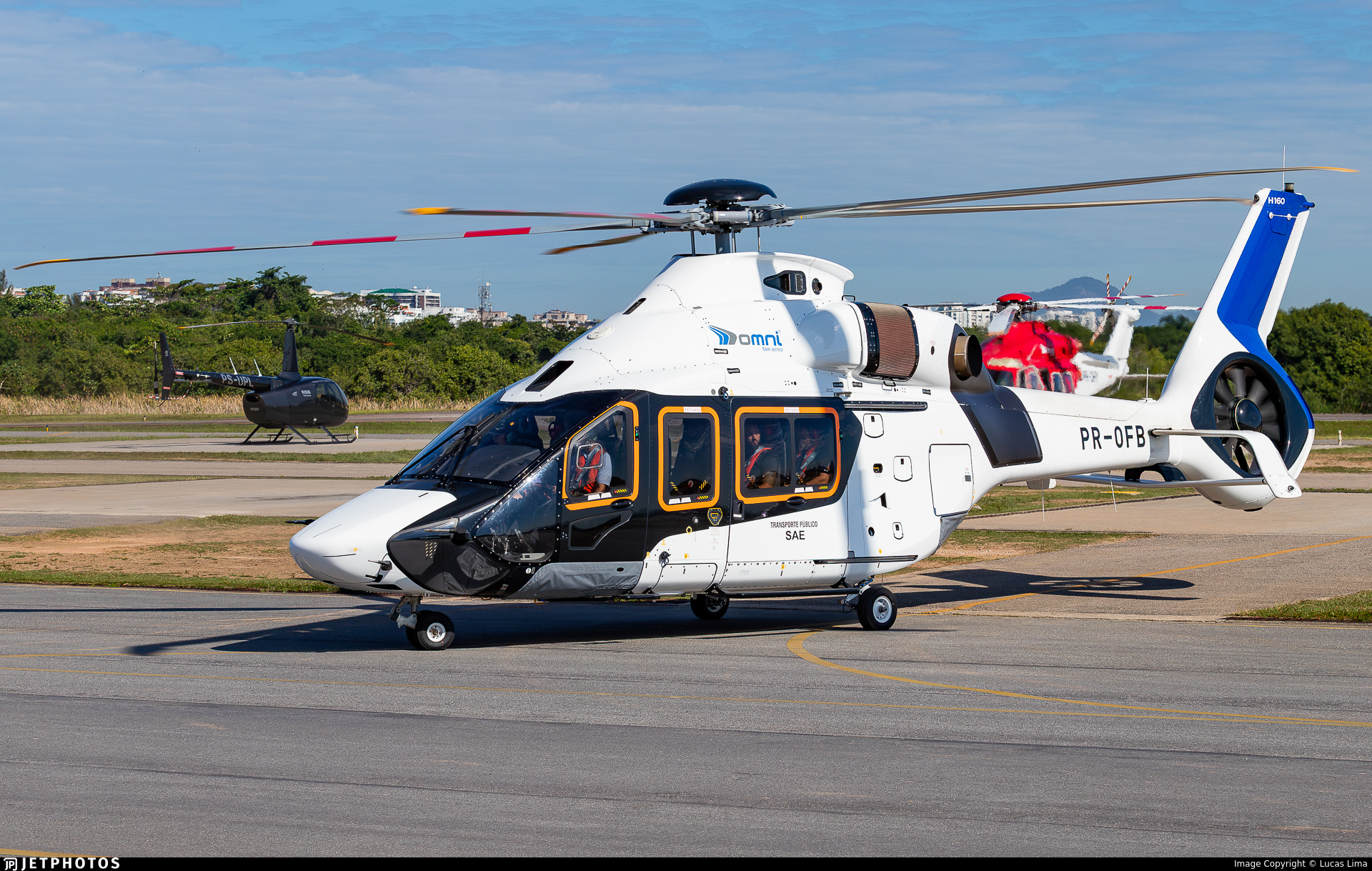
RIO DE JANEIRO – High-tech aviation often finds its greatest vulnerability not in the clouds, but on the hangar floor. As of February 6, 2026, the investigation into the January 2 ditching of an Omni Táxi Aéreo Airbus H160 has taken a dramatic turn. Newly surfaced security camera footage from the operator’s maintenance facility has placed a harsh spotlight on ground procedures performed just days before the aircraft plummeted into the Atlantic.
The "unblinking eye" of the hangar’s CCTV captured a series of events on December 24, 2025, that may have sealed the fate of the state-of-the-art helicopter. According to a preliminary update released by the Aviation Accident Investigation and Prevention Centre (CENIPA), the footage appears to show a critical component, a main rotor pitch change rod, becoming jammed while technicians were performing a service.
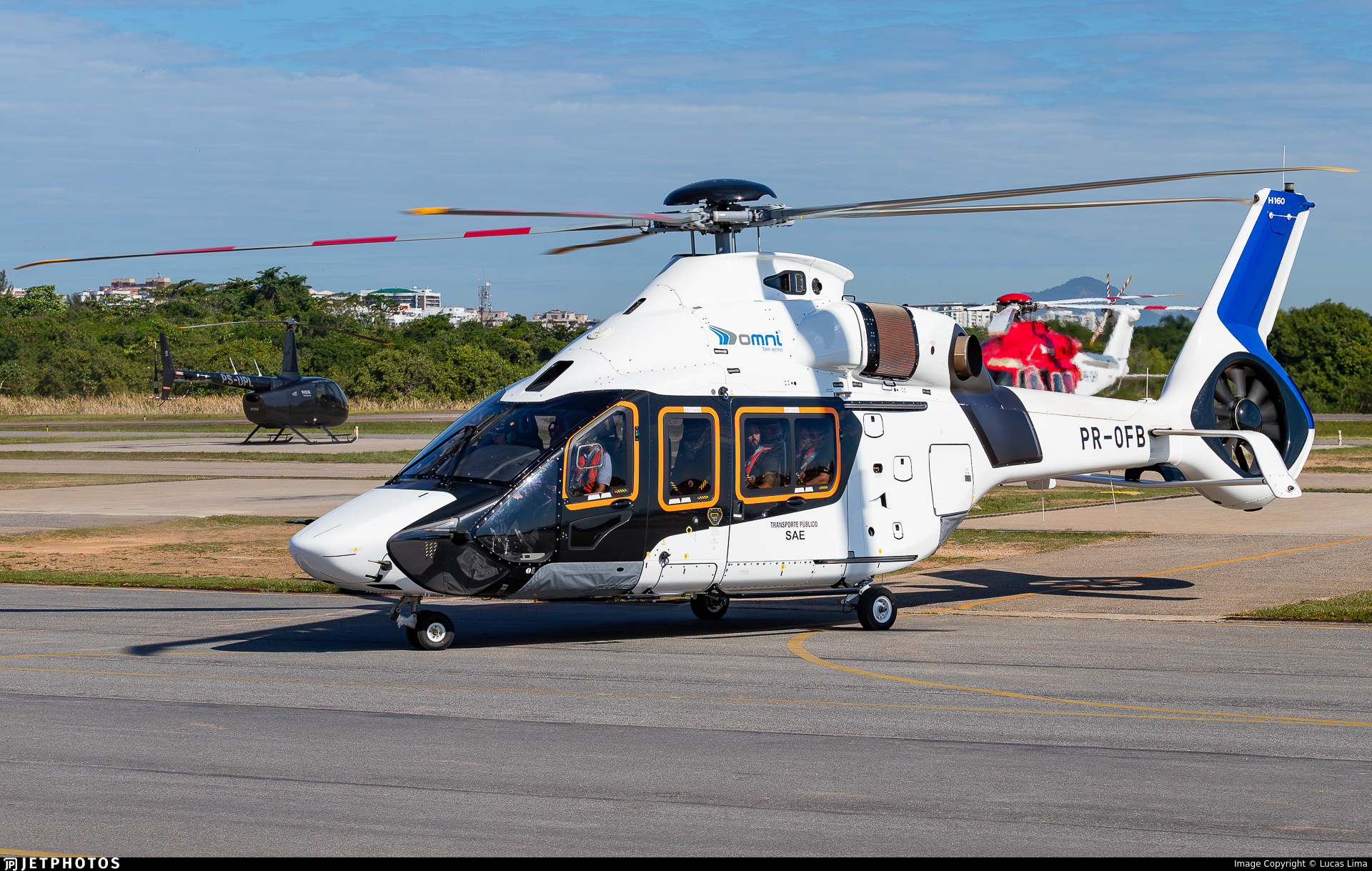
Photo: JetPhotos/ Lucas Lima
The December 24 Maintenance Incident
The aircraft, registered as PR-OFB, was undergoing a Swashplate Bearing Functional Test on Christmas Eve. This specific procedure requires the immobilisation of flight control components, yet the video evidence suggests a deviation from mandatory safety protocols.
In its latest update, CENIPA noted:
“Images from the cameras showed that during maintenance services, the RH MGB fixed cowling was installed on the aircraft, and that the pitch change rods were neither secured nor immobilised while the main rotor blades were turning.”
The footage reveals a pitch change rod for the "white" blade becoming visibly stuck against the fixed cowling as the rotor was manually rotated. This mechanical interference is now the primary focus for investigators, who are working to determine if this event caused the plastic deformation and subsequent fatigue failure of the rod during flight.

Analysis: How Spirit Airlines Changed Airline Pricing, then Paid the Price
Technical Rupture and Mid-Air Crisis
The January 2 flight was a routine offshore transfer from Cabo Frio (SBCB) to the Deep Blue Maritime Unit. The mission proceeded without incident until the aircraft reached a cruise speed of 130 knots at 4,500 feet. At that moment, the upper rod end of the white blade’s pitch change assembly ruptured.
The resulting vibrations were so violent that the flight crew reported they were "unable to read instruments." Confronted with a catastrophic loss of control authority, the pilots initiated an emergency autorotation and a controlled ditching.
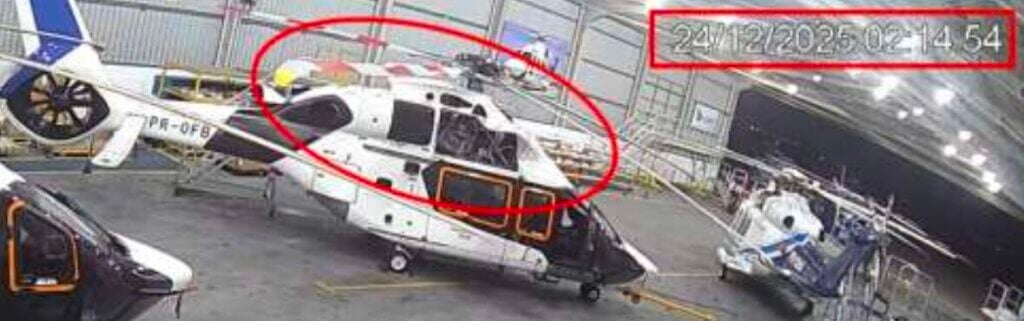
Photo: verticalmag
“At this stage of the investigation, it is not possible to conclude whether the stick observed in the video recordings contributed to the permanent plastic deformation observed at the white blade upper rod end bearing,” the updated report states.
Despite the ambiguity, the physical evidence recovered from the seabed, including microscopic cracks and a 2.5-degree plastic deformation, suggests the rod was under immense stress before the final fracture.

Photo: verticalmag
Flight Operations and Incident Summary
The following table details the specific operation and the current status of the Airbus H160 fleet following this first-of-its-kind incident for the type.
| Detail | Information |
|---|---|
| Flight Date | January 2, 2026 |
| Aircraft Type | Airbus Helicopters H160 (MSN 1050) |
| Registration | PR-OFB |
| Operator | Omni Táxi Aéreo |
| Route | Cabo Frio (SBCB) – Deep Blue Unit (9DBL) |
| Event Type | Controlled Ditching (South Atlantic) |
| Occupants | 8 (2 Crew, 6 Passengers) - All Rescued |
| Regulatory Action | EASA Emergency Airworthiness Directive (165-hour replacement) |
A Global Fleet Under Scrutiny
The incident has reverberated far beyond the Brazilian coast. Airbus Helicopters and the European Union Aviation Safety Agency (EASA) have since issued an Emergency Airworthiness Directive (EAD), mandating the replacement of main rotor pitch rod ends on all H160s that have reached 165 flight hours.
For Airbus, the ditching is a sobering moment for its newest flagship. The company maintains that safety remains its "absolute priority" while the root cause is being finalised.
“Our primary objective is to ensure the continued safe transportation of every person that flies in an Airbus helicopter,” the manufacturer stated during the release of the Emergency Alert Service Bulletin. “This is why we are mandating the replacement of this component while the root cause of the fracture remains under investigation.”
The investigation now pivots to the human factors in the hangar. The H160 is a masterpiece of digital engineering, but as the CENIPA footage suggests, even the most advanced fly-by-wire machines are ultimately at the mercy of the hands that maintain them.
KLM Brings Starlink Internet to Long-Haul Flights » Army Report Points to Systemic Failures in Deadly Black Hawk Collision Near Reagan National » Lufthansa Wins Bid for 44.9% Stake in TAP Air Portugal, Edging Out Air France-KLM »

Comments (1)
 Sam
Major kudos to the crew who were able to perform the emergency controlled ditching procedures! With the FL (4500’) at which this occurred was expecting to read about fatalities in report… Instead, 2 crew & 6 pax were able to “walk away”. Outstanding job!
Sam
Major kudos to the crew who were able to perform the emergency controlled ditching procedures! With the FL (4500’) at which this occurred was expecting to read about fatalities in report… Instead, 2 crew & 6 pax were able to “walk away”. Outstanding job!
Add Your Comment
TAGS
NEWS Omni Helicopters Airbus H160 CENIPA Aviation Maintenance Aviation SafetyRECENTLY PUBLISHED
 Saab Weighs Canadian GlobalEye Production Line to Match Growing Surveillance Aircraft Orders
Saab is considering establishing GlobalEye production in Canada as demand for the airborne early warning aircraft climbs across NATO nations.
NEWS
READ MORE »
Saab Weighs Canadian GlobalEye Production Line to Match Growing Surveillance Aircraft Orders
Saab is considering establishing GlobalEye production in Canada as demand for the airborne early warning aircraft climbs across NATO nations.
NEWS
READ MORE »
 Lawmakers Press FAA to Suspend AI Air Traffic Control Tool at Washington-Area Airports
Senators and union leaders urge the FAA to pause an AI-driven air traffic management tool at DC airports, citing safety concerns.
NEWS
READ MORE »
Lawmakers Press FAA to Suspend AI Air Traffic Control Tool at Washington-Area Airports
Senators and union leaders urge the FAA to pause an AI-driven air traffic management tool at DC airports, citing safety concerns.
NEWS
READ MORE »
 Lufthansa Wins Bid for 44.9% Stake in TAP Air Portugal, Edging Out Air France-KLM
Portugal selects Lufthansa as preferred buyer for a 44.9% stake in TAP Air Portugal, beating competing offers from Air France-KLM and IAG.
NEWS
READ MORE »
Lufthansa Wins Bid for 44.9% Stake in TAP Air Portugal, Edging Out Air France-KLM
Portugal selects Lufthansa as preferred buyer for a 44.9% stake in TAP Air Portugal, beating competing offers from Air France-KLM and IAG.
NEWS
READ MORE »
More than just headlines.
Get unlimited ad-free access to in-depth aviation news, premium stories, and exclusive insights other sites don't cover.
- Ad-free browsing on AeroXplorer
- Unlimited access to premium and exclusive articles
- Higher photo upload limits & commissions on sales
- Free access to Jetstream Magazine on higher tiers
- Ad-free browsing
- Sell aviation photos with 60% commission
- First week free!
- Everything in Basic+
- Unlimited premium articles
- Sell aviation photos with 70% commission
- Free Digital subscription to Jetstream Magazine
- First week free!
- Everything in Basic+ and Pro
- Sell aviaiton photos with 80% commission
- Early access to exclusive stories
- Free Digital+Print subscription to Jetstream Magazine