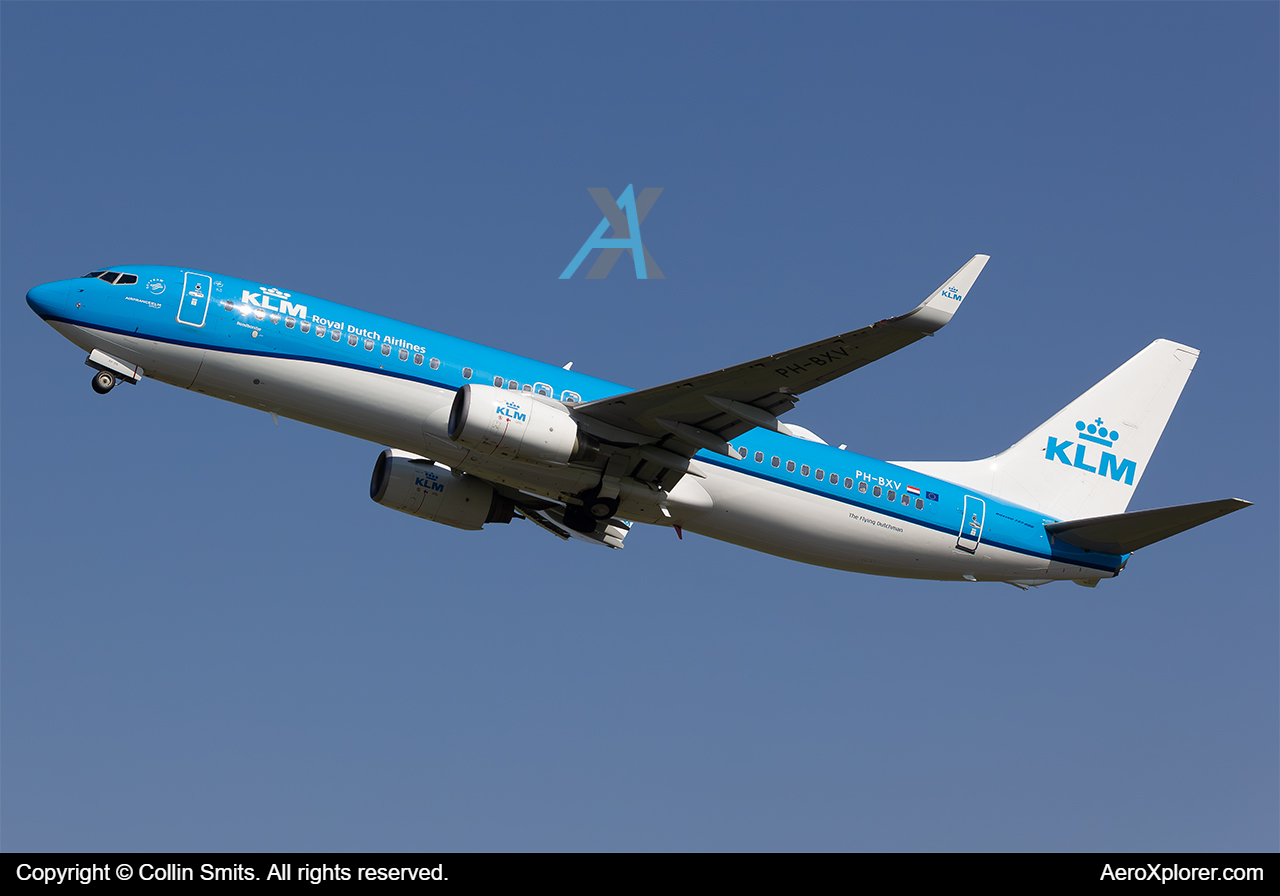

Europe faced a severe jet fuel crisis earlier this year that rattled the aviation industry, sending prices to historic highs and threatening flight operations across the continent. While the acute shortage has since eased, fuel prices remain historically elevated and the structural vulnerabilities exposed by the crisis have not gone away.
At the peak of the disruption, jet fuel inventories at the Amsterdam-Rotterdam-Antwerp hub first fell to a six-year low of around 600,000 metric tonnes in mid-April 2026, before dropping further to 514,000 metric tonnes in early June, the absolute low point.
Goldman Sachs warned at the time that commercial inventories could fall below the critical 23-day threshold in June. Stocks have since partially recovered to 554,000 metric tonnes as of late June, and EU Transport Commissioner Apostolos Tzitzikostas confirmed on June 5 that Europe was not facing a physical jet fuel shortage. However, current levels remain approximately 40% below the previous year's benchmark, and the price of jet fuel remains around 70% higher than pre-crisis levels.

Why This Matters
Summer marks the busiest travel period for European carriers. Airlines burn through massive volumes of kerosene daily as they operate near-full schedules to destinations across the Mediterranean, North America, and Asia. IATA has estimated an average jet fuel price for 2026 of $152 per barrel, almost 70% higher than the $90 recorded in 2025. Global airline fuel expenditure is expected to rise from $252 billion to $350 billion – an increase of around $100 billion, while industry net profits are forecast at just $23 billion, roughly half of the $45 billion estimated for 2025.
The crisis originated with the near-total closure of the Strait of Hormuz during the conflict in Iran, which disrupted the supply chains that European aviation depends on. While the 20% figure is often cited for the Strait's share of global oil trade, Europe's exposure was far greater: approximately 40% of the continent's aviation kerosene needs previously transited through the Strait, making European aviation uniquely vulnerable to the disruption.
How Europe Got Here
Several factors combined to drain the continent's fuel tanks. European refineries have reduced output as older facilities shut down or scaled back operations following post-COVID closures. The region increasingly relies on imports from the Middle East, India, and Asia to meet demand: Europe produces more than 70% of the aviation fuel it consumes domestically, but approximately 40% of its imported kerosene previously flowed through the Strait of Hormuz.
Higher regional refinery output, increased US import flows, and the release of strategic reserves, the IEA coordinated the release of 107 million barrels of strategic reserves, though only 68% were in the form of refined products which ultimately helped offset the loss of Middle Eastern jet fuel, easing earlier fears of a full physical shortage at major European hubs.
What Airlines Face
Carriers now confront the reality of paying significantly higher prices for fuel even as the physical supply situation stabilizes. Airlines that locked in fuel hedges months ago sit in a better position than competitors buying at current spot rates.
Budget carriers face the sharpest exposure. Companies like Ryanair and Wizz Air operate on thin margins and depend heavily on keeping costs low. A sustained period of elevated fuel prices could force them to raise fares, cut unprofitable routes, or absorb losses that hit their bottom line. Legacy carriers including Lufthansa, Air France-KLM, and British Airways parent IAG have more flexibility, though even they face tougher decisions about which flights to prioritize. Lufthansa, for example, has permanently removed 27 regional aircraft from its CityLine unit and is accelerating the retirement of older widebody types to reduce fuel consumption.
The Cockpit’s Next Revolution: When the Co-Pilot Is a Computer
The Broader Risk
While the acute crisis has passed, the structural vulnerabilities it exposed have not. The ARA hub still sources roughly half of its jet fuel imports through Strait of Hormuz-linked flows, meaning any renewed escalation involving Iran could quickly reignite supply concerns. The negative regrade against diesel seen in late June is also expected to shift refinery production focus away from jet fuel for the remainder of the summer, potentially limiting the recovery in stocks.
What Travelers Should Expect
Passengers booking summer flights should prepare for elevated fares reflecting the higher cost of fuel. Airlines typically pass fuel cost increases to consumers through surcharges or base fare adjustments, though the impact varies by carrier and route. For now, planes continue to fly and airports continue to operate normally, but the margin for error remains narrower than it has been in years, and Europe's aviation sector enters the heart of the travel season with prices still running far above historical norms.
Riyadh Airport Closed After Reported Ballistic Missile Strike on Saudia Airbus Jet » Delta Passenger Arrested After Allegedly Stealing Airport Tug » FAA Clears JetBlue's $58.5M Purchase of Spirit's LaGuardia Slots »

Comments (0)
Add Your Comment
TAGS
NEWS Fuel Prices Fuel Strait of HormuzRECENTLY PUBLISHED
 NetJets Expands US Footprint With Three New Private Terminals and Larger Palm Beach Facility
NetJets announces exclusive-use terminals in Dallas, Washington, and Palm Beach, expanding private aviation infrastructure across key US markets.
NEWS
READ MORE »
NetJets Expands US Footprint With Three New Private Terminals and Larger Palm Beach Facility
NetJets announces exclusive-use terminals in Dallas, Washington, and Palm Beach, expanding private aviation infrastructure across key US markets.
NEWS
READ MORE »
 Army Report Points to Systemic Failures in Deadly Black Hawk Collision Near Reagan National
A new Army report identifies systemic failures behind the January collision between a UH-60L Black Hawk and American Airlines Flight 5342 near Washington.
NEWS
READ MORE »
Army Report Points to Systemic Failures in Deadly Black Hawk Collision Near Reagan National
A new Army report identifies systemic failures behind the January collision between a UH-60L Black Hawk and American Airlines Flight 5342 near Washington.
NEWS
READ MORE »
 Why Did Some Air India A320s Have Extra Wheels? Bogie Gear Explained
Why Air India operated select Airbus A320s with an unusual bogie landing gear.
INFORMATIONAL
READ MORE »
Why Did Some Air India A320s Have Extra Wheels? Bogie Gear Explained
Why Air India operated select Airbus A320s with an unusual bogie landing gear.
INFORMATIONAL
READ MORE »
More than just headlines.
Get unlimited ad-free access to in-depth aviation news, premium stories, and exclusive insights other sites don't cover.
- Ad-free browsing on AeroXplorer
- Unlimited access to premium and exclusive articles
- Higher photo upload limits & commissions on sales
- Free access to Jetstream Magazine on higher tiers
- Ad-free browsing
- Sell aviation photos with 60% commission
- First week free!
- Everything in Basic+
- Unlimited premium articles
- Sell aviation photos with 70% commission
- Free Digital subscription to Jetstream Magazine
- First week free!
- Everything in Basic+ and Pro
- Sell aviaiton photos with 80% commission
- Early access to exclusive stories
- Free Digital+Print subscription to Jetstream Magazine