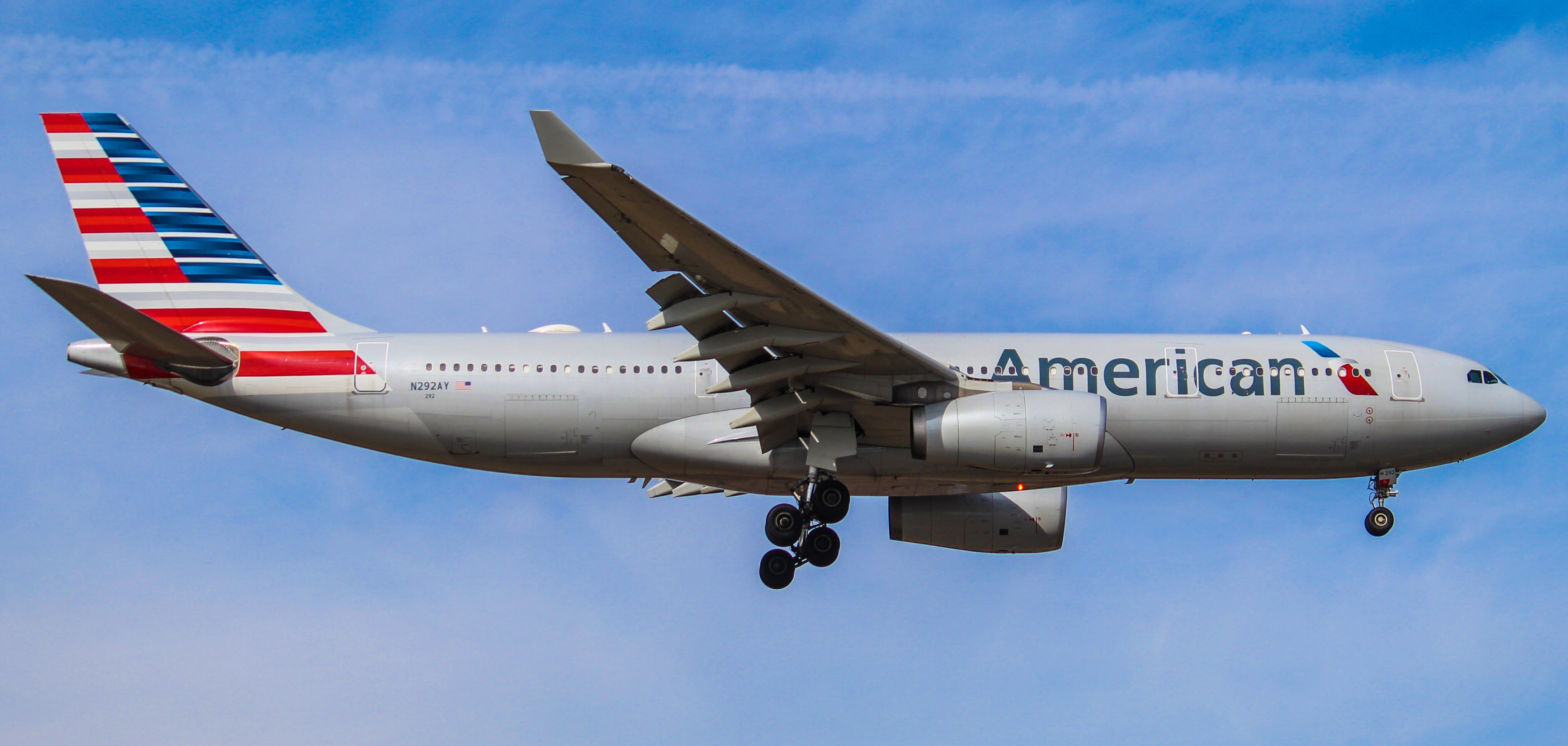

Atmospheric science met its digital match today, March 19, 2026, as American Airlines and Google Research unveiled the results of a massive, 2,400-flight trial that has effectively cracked the code on aviation’s "invisible" warming problem. By integrating deep neural networks directly into the cockpit’s flight planning software, the partnership demonstrated a staggering 62% reduction in the formation of persistent contrails, the white vapor trails that contribute roughly 35% to 50% of the industry’s total climate impact. This landmark study proves that the most effective way to cool the planet might not be a new fuel, but a smarter altitude.

The Physics of the "Digital Eraser"
Contrails are not merely aesthetic streaks; they are artificial cirrus clouds. They form when soot particles from jet engines act as nuclei for water vapor in Ice Super-Saturated Regions (ISSRs). In these high-humidity "moist zones," the vapor freezes instantly, creating a blanket that traps Earth's outgoing infrared radiation, a phenomenon known as Radiative Forcing.
The 2026 trial utilized a dual-model approach:
- Machine Learning Prediction: A deep neural network analyzed satellite imagery and weather data (humidity, temperature, wind) to map precise "Contrail Likely Zones" (CLZs).
- CoCiP Physics Engine: The Contrail Cirrus Prediction (CoCiP) model simulated the evolution of these clouds to calculate their specific "Energy Forcing" index.
By synthesizing these data points, the AI provided pilots and dispatchers with a "Contrail Forcing Index" on a scale of 0 to 4, similar to turbulence forecasts, allowing for minor altitude adjustments, often just 1,000 to 2,000 feet, to bypass the ISSRs entirely.

KAL858: The North Korean Bombing that Shocked the World
Scaling from Research to Operations
Unlike previous manual tests in 2023, the 2026 phase saw the technology embedded directly into American Airlines' standard operational tools. The trial, which tracked 2,400 transatlantic flights between January 2025 and May 2025, revealed that the warming effect from these flights plummeted by 69%.
“We know that aviation is one of the hardest, most difficult sectors to decarbonize,” explained Dinesh Sanekommu, who oversees Google's contrail research. “We think there's a way that AI can help make that a reality. And the hope is... they all add a little bit of evidence and generate a bit of data that helps make the right decisions in the long run.”
Critically, the study addressed the "fuel penalty" myth. While individual flights avoiding contrails saw a slight 2% increase in fuel burn due to flying at non-optimal altitudes, the net fleet impact was less than 0.3%.
Jill Blickstein, Vice President of Sustainability at American Airlines, confirmed the operational success:
“The trial showed it wasn't difficult for dispatchers and pilots to file and fly alternative plans to avoid contrails.”
AI-Integrated "Eco-Routed" Trials (2026)
The following transatlantic corridors served as the primary data-gathering routes for the integrated AI forecasting trial, demonstrating the impact of automated contrail avoidance.
| Flight No. | Route | Departure Time | Arrival Time | Duration |
|---|---|---|---|---|
| AA 100 | New York (JFK) – London (LHR) | 06:15 PM | 06:20 AM | 7h 05m |
| AA 142 | New York (JFK) – Madrid (MAD) | 07:30 PM | 08:45 AM | 7h 15m |
| AA 70 | Dallas (DFW) – Frankfurt (FRA) | 04:10 PM | 08:50 AM | 9h 40m |
| AA 50 | Dallas (DFW) – London (LHR) | 06:50 PM | 10:05 AM | 9h 15m |
| AA 110 | Chicago (ORD) – Rome (FCO) | 03:55 PM | 08:00 AM | 9h 05m |
As the aviation sector grapples with the slow rollout of Sustainable Aviation Fuel (SAF) and the far-off promise of hydrogen, the "Contrail Avoidance" model stands as the most cost-effective and scalable solution available today. With a cost estimated at just $5 to $25 per ton of CO2 equivalent, this digital shift represents a profound engineering victory: it is the first time in history that a major airline has successfully used software to alter the physical chemistry of the atmosphere for the better.
British Airways Unveils World's Largest Business Class Cabin With 106 Seats Aboard Refurbished A380 Fleet » AirBaltic to Cut Up to 700 Jobs in Restructuring » American Airlines Swaps Landline Buses for CRJ-700 Flights on 84-Mile South Bend to Chicago Route »

Comments (0)
Add Your Comment
TAGS
NEWS American Airlines Google AI Contrail Avoidance Sustainable Aviation Engineering Green FlightRECENTLY PUBLISHED
 This Week in Aviation: The 10 Stories That Mattered Most
From major airline developments to aircraft updates and industry shifts, this weekly recap highlights the ten most-read aviation stories from the week of October 04.
INFORMATIONAL
READ MORE »
This Week in Aviation: The 10 Stories That Mattered Most
From major airline developments to aircraft updates and industry shifts, this weekly recap highlights the ten most-read aviation stories from the week of October 04.
INFORMATIONAL
READ MORE »
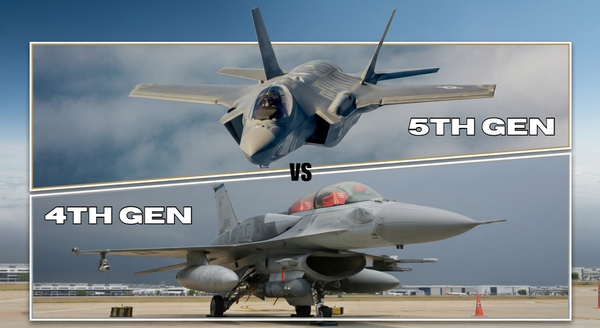 4th vs 5th Generation Fighter Jets: How Fighter Jets Have Evolved
A look at what separates fourth- and fifth-generation fighter jets, from stealth and sensor fusion to combat capability and cost.
INFORMATIONAL
READ MORE »
4th vs 5th Generation Fighter Jets: How Fighter Jets Have Evolved
A look at what separates fourth- and fifth-generation fighter jets, from stealth and sensor fusion to combat capability and cost.
INFORMATIONAL
READ MORE »
 United 777 Diverts to Dublin After Cockpit Windscreen Cracks Over the Atlantic
A United Airlines Boeing 777 bound for Milan made a steep descent and diverted to Dublin after its cockpit windscreen cracked mid-flight.
NEWS
READ MORE »
United 777 Diverts to Dublin After Cockpit Windscreen Cracks Over the Atlantic
A United Airlines Boeing 777 bound for Milan made a steep descent and diverted to Dublin after its cockpit windscreen cracked mid-flight.
NEWS
READ MORE »
More than just headlines.
Get unlimited ad-free access to in-depth aviation news, premium stories, and exclusive insights other sites don't cover.
- Ad-free browsing on AeroXplorer
- Unlimited access to premium and exclusive articles
- Higher photo upload limits & commissions on sales
- Free access to Jetstream Magazine on higher tiers
- Ad-free browsing
- Sell aviation photos with 60% commission
- First week free!
- Everything in Basic+
- Unlimited premium articles
- Sell aviation photos with 70% commission
- Free Digital subscription to Jetstream Magazine
- First week free!
- Everything in Basic+ and Pro
- Sell aviaiton photos with 80% commission
- Early access to exclusive stories
- Free Digital+Print subscription to Jetstream Magazine