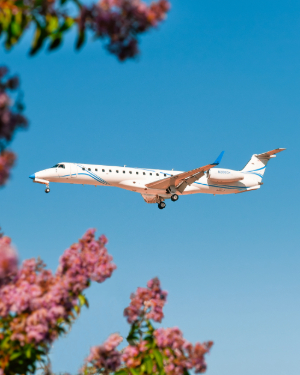
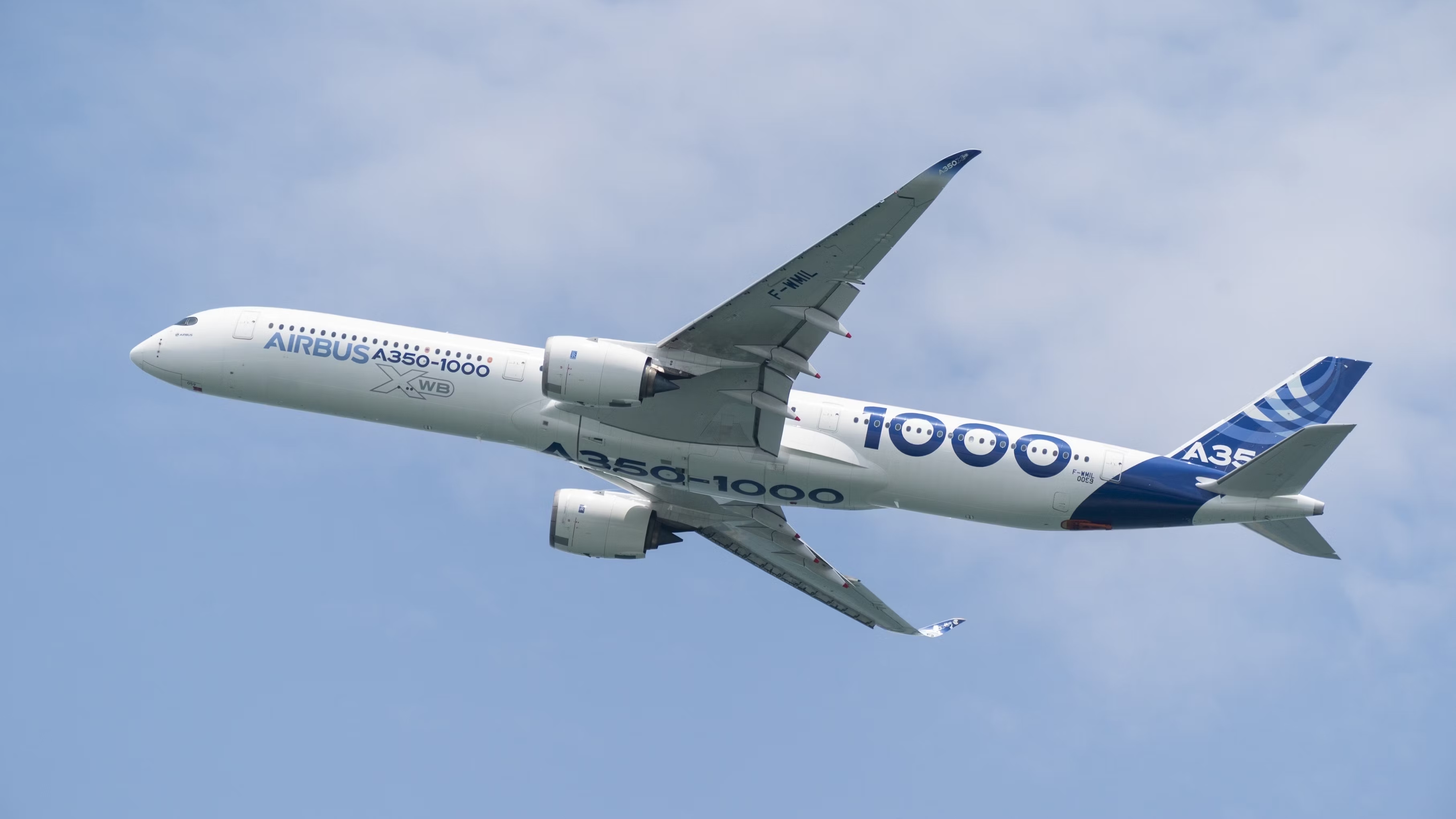

Inspired by the dragonfly, Airbus introduced the DragonFly aircraft, utilizing biomimicry to revolutionize flight safety and emergency operations.
In Airbus's extensive repertoire of innovative projects, such as the BLADE project to reduce wing friction drag and the fello'fly program employing formation flights to cut carbon footprint, the DragonFly stands out as a significant advancement in commercial aviation. Airbus envisions a future where the size, shape, and characteristics of commercial aircraft differ radically from current models, and projects like DragonFly are pivotal in expanding the industry's research horizons.

What is the Dragonfly Project?
The DragonFly demonstrator, modeled after the dragonfly's exceptional vision capabilities, seeks to enhance flight safety by precisely scanning landmarks and surroundings to determine a secure approach and landing. This biomimetic approach acknowledges the dragonfly's ability to see its surroundings in a 360-degree pattern, allowing for a comprehensive view that aids in precise navigation and target identification. With their keen vision, Dragonflies establish territorial boundaries by recognizing landmarks during flight, a characteristic that Airbus aims to harness for intelligent decision-making in the DragonFly aircraft.
The primary goal of the DragonFly concept is to optimize flight safety, particularly during emergency operations where quick identification of the nearest airports and safe landings is crucial. In situations where the flight crew may lose control of the aircraft, DragonFly selects appropriate landing information and facilitates a safe descent. This concept is grounded in intelligent decision-making, utilizing a combination of flight data, including factors like flight zones, weather conditions, and terrain information, to select the most suitable landing location.

In emergencies, the DragonFly aircraft detects issues and autonomously redirects itself towards a safe landing, constantly communicating with Air Traffic Controllers and Operation Control Centers for a coordinated approach. Isabelle Lacaze, Head of DragonFly demonstrator at Airbus, emphasizes the cutting-edge sensing technology and software equipped in the demonstrator, likening it to the dragonfly's ability to recognize landmarks and define boundaries.
How Does DragonFly Work?
Mimicking the dragonfly's superior vision, Airbus integrates numerous sensors, cameras, and computer vision algorithms into the DragonFly, simplifying low-visibility landings. The system's robust guidance calculations empower the DragonFly aircraft to make effective decisions even in challenging weather conditions. Airbus envisions a future where this technology can pave the way for fully automated or customized landing procedures adaptable to various flight conditions and pilot skills.

What sets the DragonFly concept apart is its versatility. Unlike other automated landing systems requiring specific ground equipment at airports, DragonFly does not necessitate such installations. This feature makes DragonFly adaptable to landing globally at unequipped or remote airports, showcasing a flexible and innovative design.
In addition to its biomimetic features, the DragonFly demonstrator incorporates pilot assistance technology, aiding pilots in various aspects of taxi guidance, navigation, and surveillance during flight. Through collaborative efforts within its engineering community and external partners, Airbus brings the DragonFly demonstrator to life, anticipating valuable insights from the final testing stage.

In essence, Airbus's DragonFly represents a leap forward in aviation innovation, combining nature-inspired design with cutting-edge technology to redefine safety and operational capabilities in commercial aircraft. As Airbus pushes the boundaries of conventional aircraft design, the DragonFly stands as a testament to the company's commitment to shaping the future of flight.
Major US Airlines Push Back Against Air China's Request for Additional US Flights » Qantas Sets 2028 Launch for First Nonstop Sydney to New York Flights » Why Is Turbulence Getting Worse, and Is It Actually Dangerous? »

Comments (0)
Add Your Comment
TAGS
INFORMATIONAL Airbus Future Innovation Technology SafetyRECENTLY PUBLISHED
 UAE Suspends Iranian Airline Flights to Comply With US Sanctions, Triggering Retaliatory Airspace Ban From Tehran
The UAE has halted all Iranian carrier operations to comply with reimposed US sanctions, prompting Iran to bar Emirati airlines from its airspace.
NEWS
READ MORE »
UAE Suspends Iranian Airline Flights to Comply With US Sanctions, Triggering Retaliatory Airspace Ban From Tehran
The UAE has halted all Iranian carrier operations to comply with reimposed US sanctions, prompting Iran to bar Emirati airlines from its airspace.
NEWS
READ MORE »
 What Are Strakes? The Aerodynamic Fins Attached on an Aircraft's Fuselage
A look at how aircraft strakes quietly shape airflow, improve stability, and enhance aerodynamic performance.
INFORMATIONAL
READ MORE »
What Are Strakes? The Aerodynamic Fins Attached on an Aircraft's Fuselage
A look at how aircraft strakes quietly shape airflow, improve stability, and enhance aerodynamic performance.
INFORMATIONAL
READ MORE »
 BETA Technologies Begins Electric Aircraft Operations in North Carolina to Support Rural Healthcare Access
BETA Technologies launches its ALIA CTOL electric aircraft in North Carolina under a FAA program aimed at improving rural healthcare logistics.
NEWS
READ MORE »
BETA Technologies Begins Electric Aircraft Operations in North Carolina to Support Rural Healthcare Access
BETA Technologies launches its ALIA CTOL electric aircraft in North Carolina under a FAA program aimed at improving rural healthcare logistics.
NEWS
READ MORE »
More than just headlines.
Get unlimited ad-free access to in-depth aviation news, premium stories, and exclusive insights other sites don't cover.
- Ad-free browsing on AeroXplorer
- Unlimited access to premium and exclusive articles
- Higher photo upload limits & commissions on sales
- Free access to Jetstream Magazine on higher tiers
- Ad-free browsing
- Sell aviation photos with 60% commission
- First week free!
- Everything in Basic+
- Unlimited premium articles
- Sell aviation photos with 70% commission
- Free Digital subscription to Jetstream Magazine
- First week free!
- Everything in Basic+ and Pro
- Sell aviaiton photos with 80% commission
- Early access to exclusive stories
- Free Digital+Print subscription to Jetstream Magazine