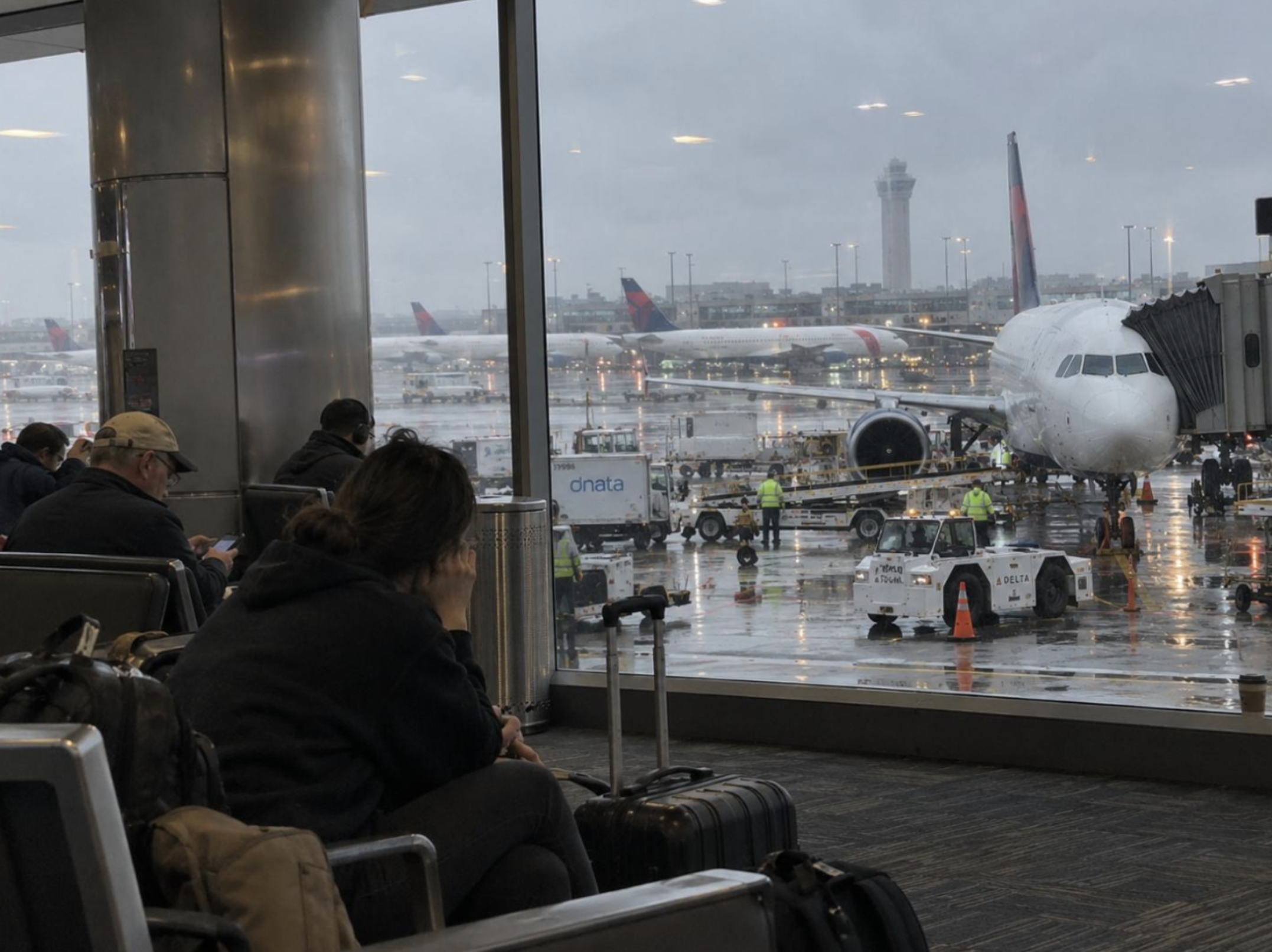
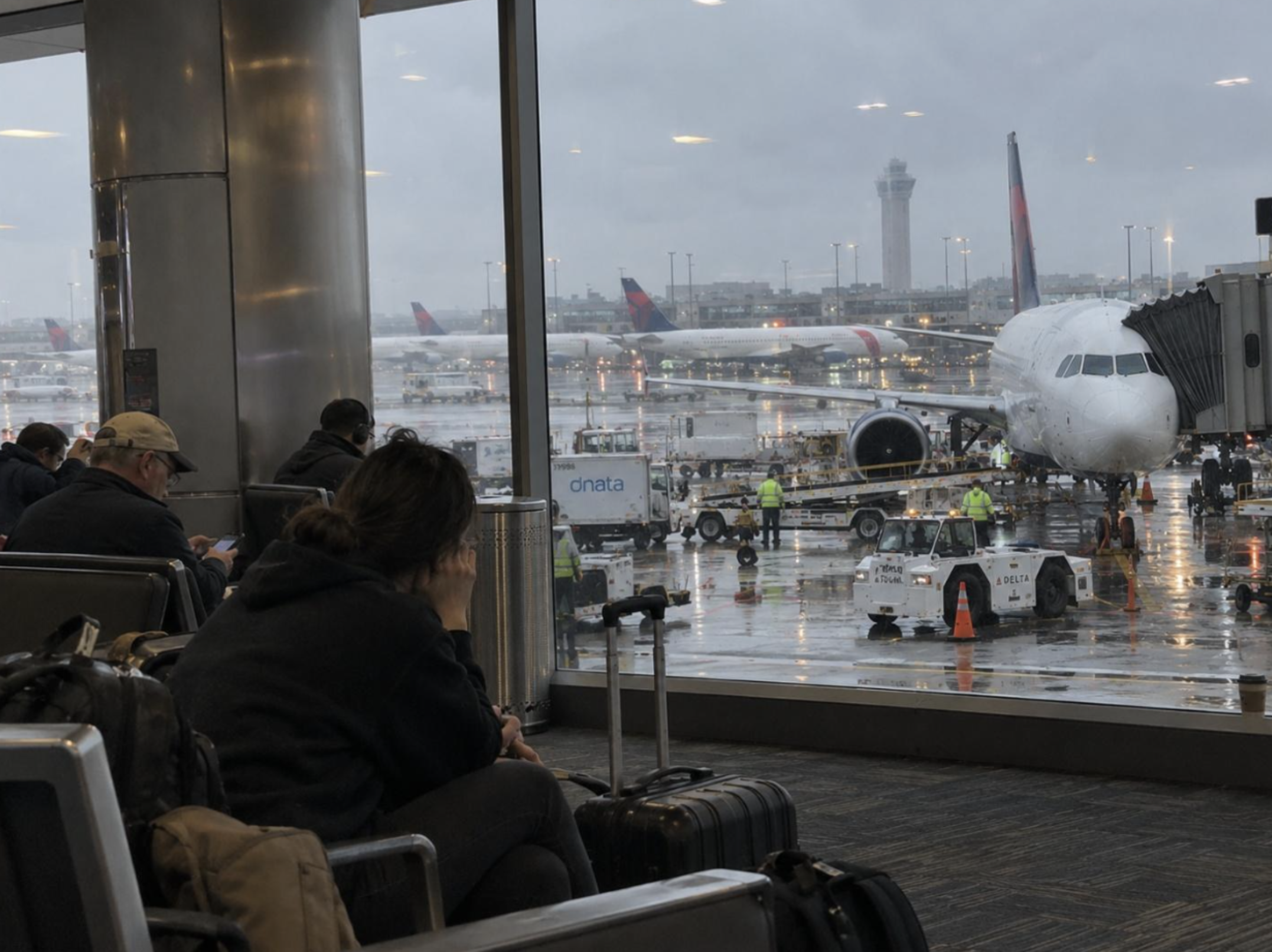
Picture this. You have just checked in for your flight two hours before time, and just as you are about to make your way to the waiting lounge, you learn that your flight has been delayed. And now you have to wait four more hours at the airport, on top of the two you had planned.
For many people, this is not an imaginary scenario. It is something they know all too well, having experienced flight delays at one point or another and sat through the long hours that followed. So, why do airlines proceed with such delays or cancellations, and what measures do they have in place to ensure passengers reach their destinations on time?
The Reasons behind Flight Schedule Disruptions
Airlines are in business and are thus always looking for ways to reduce disruptions to their operations, as these can be costly, both in terms of money and reputation. For example, since they know that mechanical issues can ground their planes, they partner with organisations like Magnetic Enginestands who can provide them with an aircraft engine stand for lease whenever they are working on their plane engines. But not all problems are as predictable as engine issues. And sometimes, airlines find themselves dealing with the following situations:
- Bad weather. When hurricanes, heavy snow, thunderstorms, and other such meteorological events occur, they create unsafe conditions for planes to take off and land, necessitating flight delays as airport crews work to maintain runways and increase airport capacity.
- Air traffic control restrictions. In cases of high traffic volume, airspace congestion, or even understaffing, control towers have to step in to ground some planes to ensure passenger safety. These delays can also occur due to ground operations delays, such as fuel truck shortages and system failures.
- Mandatory rest periods. Airline staff are required to take breaks after reaching their maximum work hours. There are cases where flight delays coincide with such rest periods, thereby increasing the time planes must remain grounded.
It is worth noting that even with frequent repairs and maintenance, aircraft can still experience breakdowns or glitches that require airlines to ground them to comply with aviation safety laws.
How Do Airports Handle Such Disruptions?
Given how flights are scheduled, one delay can trigger a domino effect that could spill over into the coming days and weeks. So, to prevent this, airlines embark on various approaches, as follows:
- Computer modelling. Delays affect both the airplanes and the personnel. Thus, to ensure things run smoothly, airlines must determine how to match the remaining planes with the crew on duty to make the most of their resources. And since doing this by pen and paper can lead to errors, they use computer models to predict what will happen for each crew and plane configuration. This way, they can choose the model with the least negative impact on the overall schedule.
- Cancelling flights. In some cases, it becomes clear that getting all planes to take off on time is either impossible or likely to cause congestion. So, the airlines have no choice but to decide which flights to cancel to ensure the others stick to their schedules. This way, instead of grounding hundreds to thousands of passengers, they can allow most passengers to depart on time while grounding only the planes that will have minimal negative effects on the rest of the schedule. Again, modelling comes into play here.
- Swapping planes. Suppose a plane breaks down or gets stuck at another airport due to bad weather or heavy air traffic. The airline realises that it can no longer rely on that plane to make its other scheduled trips. So, they remove that plane from the schedule and replace it with a spare plane or borrow another plane from another route that will not have as large an effect if delayed.
Airlines also have backup crews who step in whenever the current crews reach their maximum working hours. And in some situations, they actually fly out these crews to other airports where they are needed most.
FAA Equipment Outage Grounds Flights at Newark, JFK and Philadelphia Airports » How Jet Access Is Building a New Model for Private Aircraft Maintenance » Turkish Airlines Confirms Order for 100 Boeing 737 MAX Jets »

Comments (0)
Add Your Comment
TAGS
INFORMATIONAL Airlines Aircraft Scheduling Maintenance TravelRECENTLY PUBLISHED
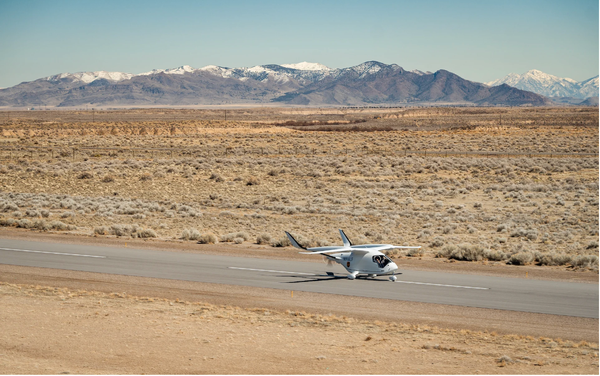 BETA Technologies Begins Electric Aircraft Operations in North Carolina to Support Rural Healthcare Access
BETA Technologies launches its ALIA CTOL electric aircraft in North Carolina under a FAA program aimed at improving rural healthcare logistics.
NEWS
READ MORE »
BETA Technologies Begins Electric Aircraft Operations in North Carolina to Support Rural Healthcare Access
BETA Technologies launches its ALIA CTOL electric aircraft in North Carolina under a FAA program aimed at improving rural healthcare logistics.
NEWS
READ MORE »
 Ryanair Pilot Sent Hijack Code Before Turning Flight FR7073 Back to Porto
A Ryanair captain transmitted the 7500 hijack squawk code before diverting flight FR7073 back to Porto, prompting an emergency response.
NEWS
READ MORE »
Ryanair Pilot Sent Hijack Code Before Turning Flight FR7073 Back to Porto
A Ryanair captain transmitted the 7500 hijack squawk code before diverting flight FR7073 back to Porto, prompting an emergency response.
NEWS
READ MORE »
 Turkish Airlines Confirms Order for 100 Boeing 737 MAX Jets
Turkish Airlines has finalized a major deal with Boeing for 100 737 MAX aircraft, cementing its narrowbody fleet plans through the next decade.
NEWS
READ MORE »
Turkish Airlines Confirms Order for 100 Boeing 737 MAX Jets
Turkish Airlines has finalized a major deal with Boeing for 100 737 MAX aircraft, cementing its narrowbody fleet plans through the next decade.
NEWS
READ MORE »
More than just headlines.
Get unlimited ad-free access to in-depth aviation news, premium stories, and exclusive insights other sites don't cover.
- Ad-free browsing on AeroXplorer
- Unlimited access to premium and exclusive articles
- Higher photo upload limits & commissions on sales
- Free access to Jetstream Magazine on higher tiers
- Ad-free browsing
- Sell aviation photos with 60% commission
- First week free!
- Everything in Basic+
- Unlimited premium articles
- Sell aviation photos with 70% commission
- Free Digital subscription to Jetstream Magazine
- First week free!
- Everything in Basic+ and Pro
- Sell aviaiton photos with 80% commission
- Early access to exclusive stories
- Free Digital+Print subscription to Jetstream Magazine