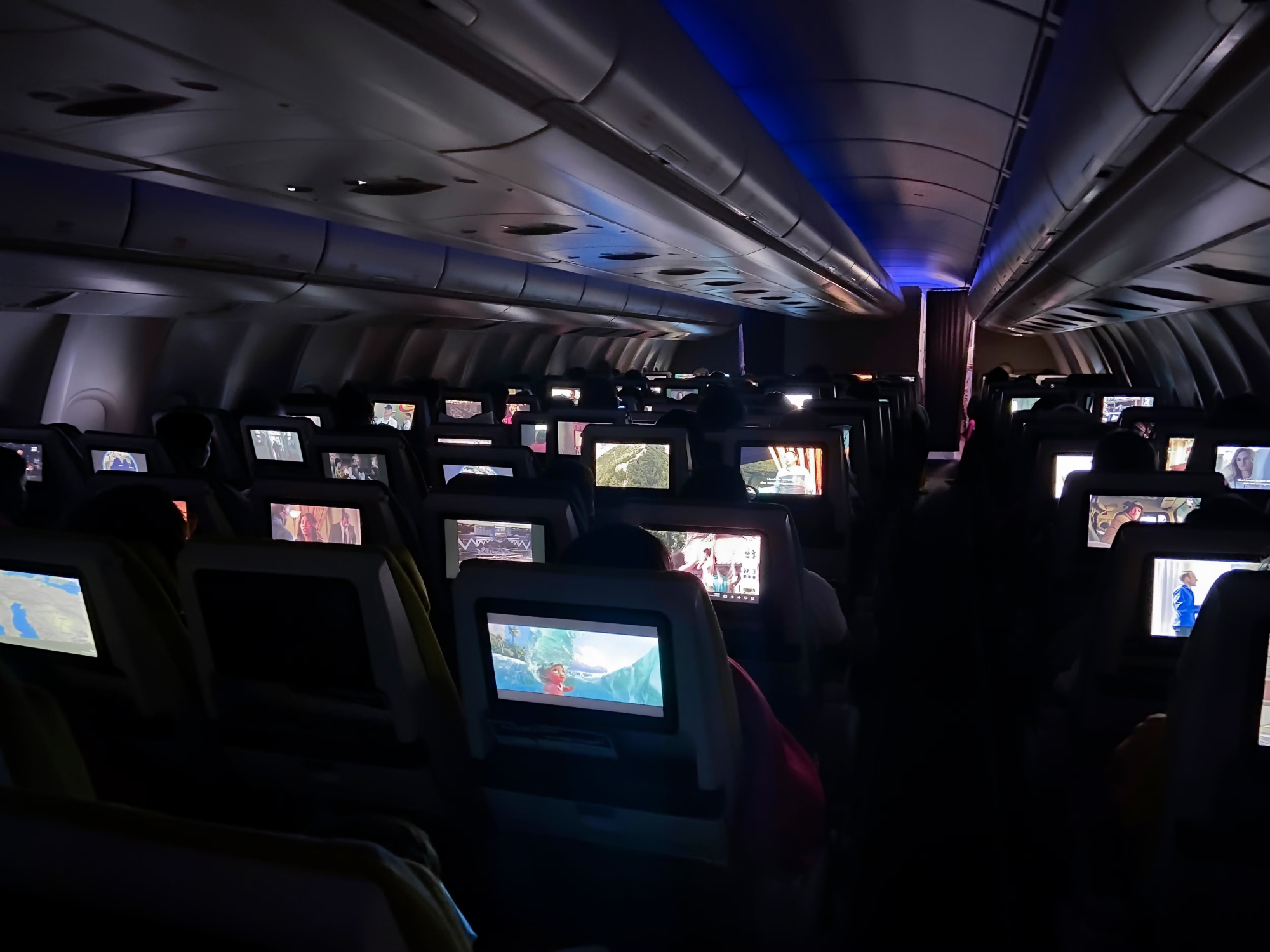
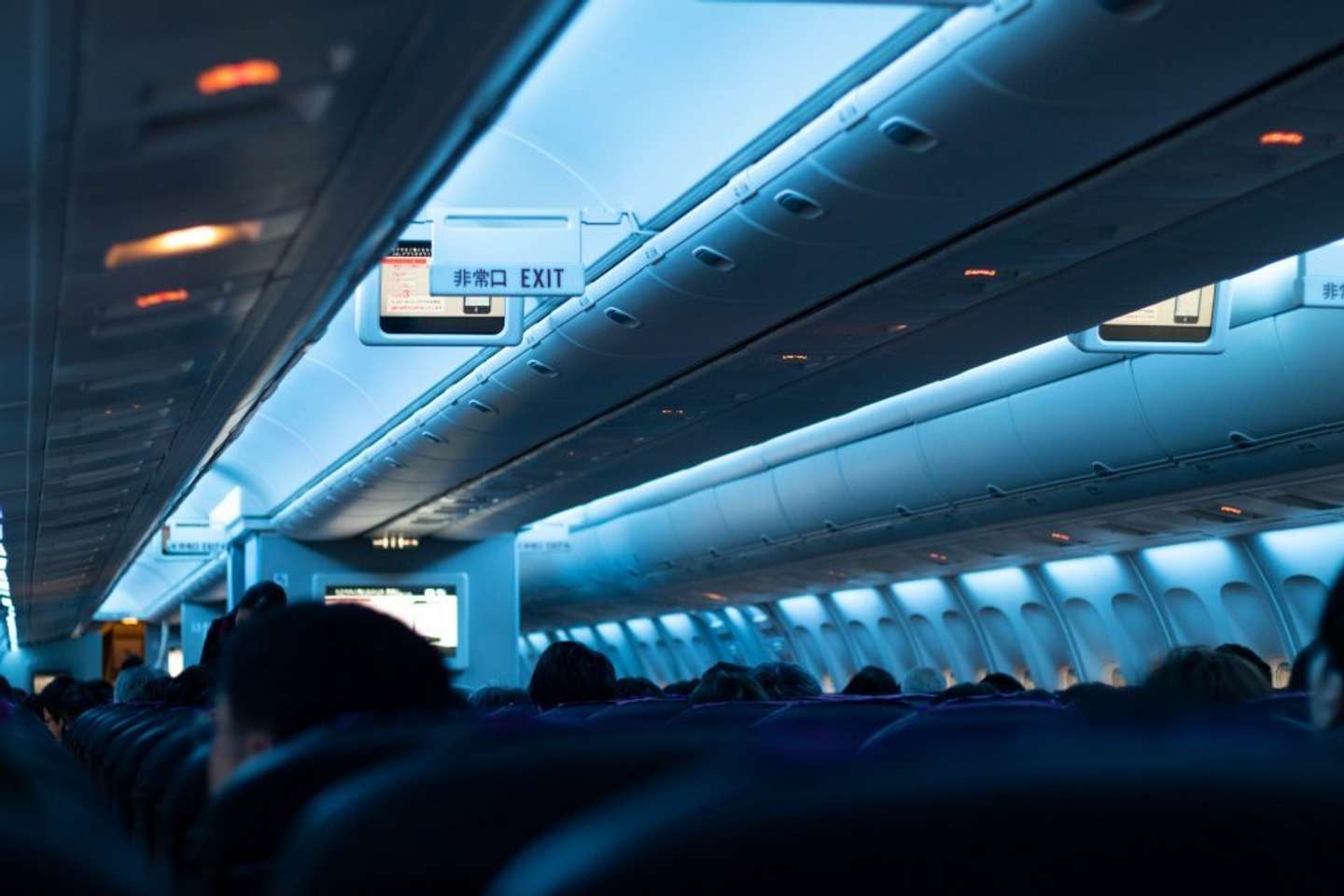
Flight attendants dim the cabin lights, ask you to raise your window shade, and have you stow your tray table, all within a few minutes of each other. Most passengers assume dimming the cabin lights during takeoff and landing is about comfort or a smoother viewing experience before landing. It isn't. This everyday airplane safety procedure is built entirely around how fast the human eye can adjust to darkness if an emergency evacuation becomes necessary.
Why Takeoff and Landing Are the Most Dangerous Phases of Flight
Takeoff and landing aren't just the busiest moments for a flight crew. They're statistically the riskiest minutes of any commercial flight, which is exactly why so many airplane safety procedures cluster around these two phases specifically. A Flight Safety Foundation review of Boeing's own accident data found that nearly half of all worldwide commercial jet accidents between 2004 and 2013 happened during final approach or landing, with takeoff and initial climb accounting for roughly another 14%. Cruise, by comparison, made up only about 10%. Airlines design their in-flight safety procedures around that exact pattern, concentrating extra precautions on the phases where accidents are statistically most likely to occur.
The Real Reason Airlines Dim Cabin Lights: Eye Adaptation for Emergency Evacuation
Human eyes don't adjust to darkness instantly. Dark adaptation takes several minutes as your pupils widen and your night vision kicks in. In a real emergency, that adjustment period could cost passengers precious seconds during an evacuation.
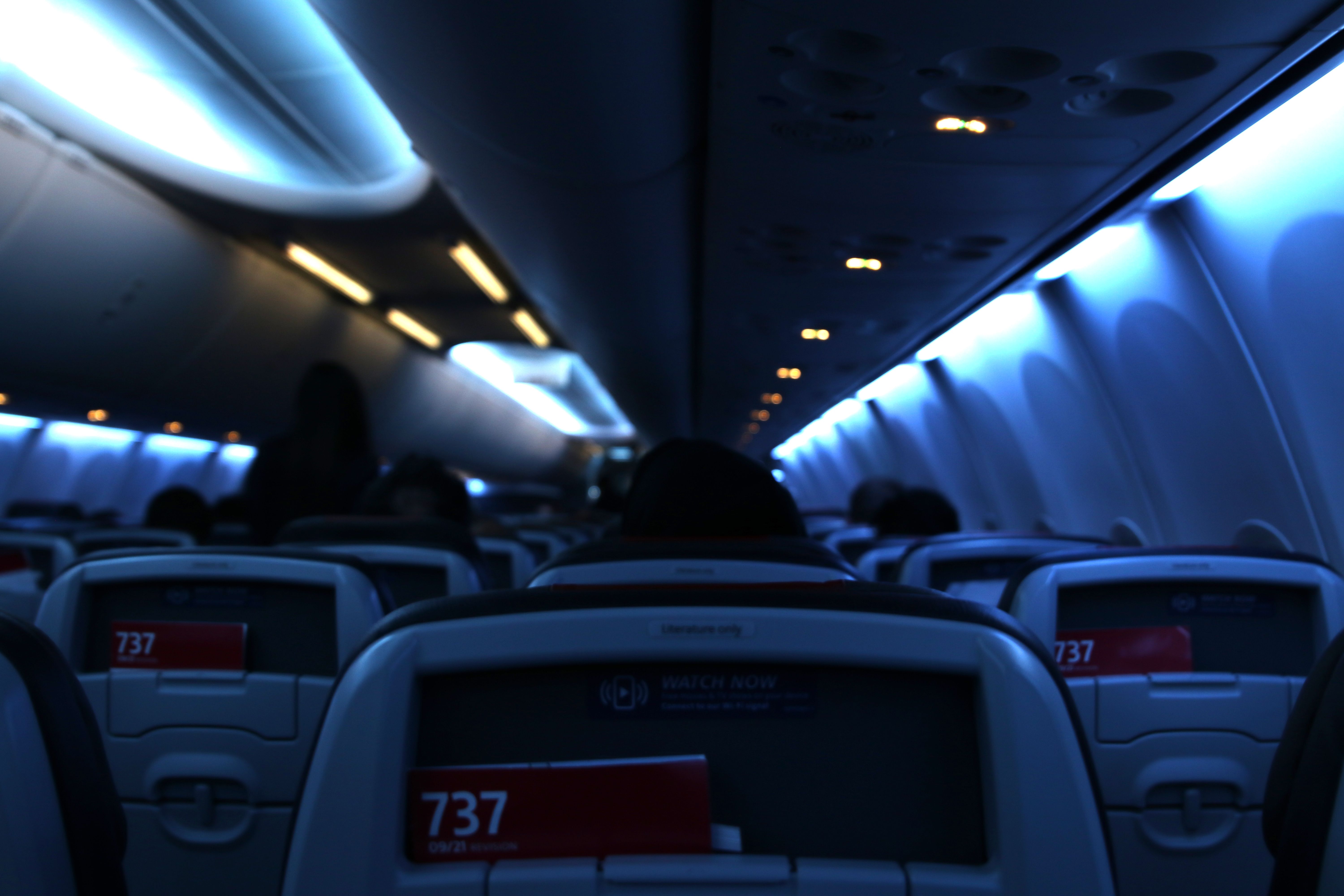
Airline pilot and author Patrick Smith explained the science behind dimmed cabin lights directly to The Telegraph: dimming the lights lets your eyes pre-adjust to darkness, so you're not suddenly blinded if the power goes out and you're heading for the doors in smoke or darkness, and it also makes the emergency path lighting and exit signs easier to see, along with anything happening outside the aircraft. By dimming the cabin before takeoff and landing even begin, airlines make sure passengers' eyes are already adjusted by the time it would actually matter in an emergency evacuation.
Why Window Shades Must Stay Up During Takeoff and Landing
This is also why flight attendants require open window shades during takeoff and landing, even on an overnight flight when passengers would rather keep the cabin dark for sleeping. An open window shade lets outside light into the cabin if interior lighting fails during an emergency, and it gives both passengers and crew a way to visually check outside conditions, whether that's fire, water, or debris, without needing to open an emergency exit first to find out.
The FAA Rule Behind Airplane Cabin Lighting Procedures
Dimming cabin lights isn't just airline custom or a courtesy gesture. It traces directly back to a specific FAA aircraft certification requirement. Under 14 CFR 25.803, any aircraft with more than 44 passenger seats must be able to fully evacuate every passenger to the ground within 90 seconds, using only half of the available exits, before that aircraft can even be certified for commercial flight. That mandatory evacuation demonstration isn't conducted in bright daylight, either.
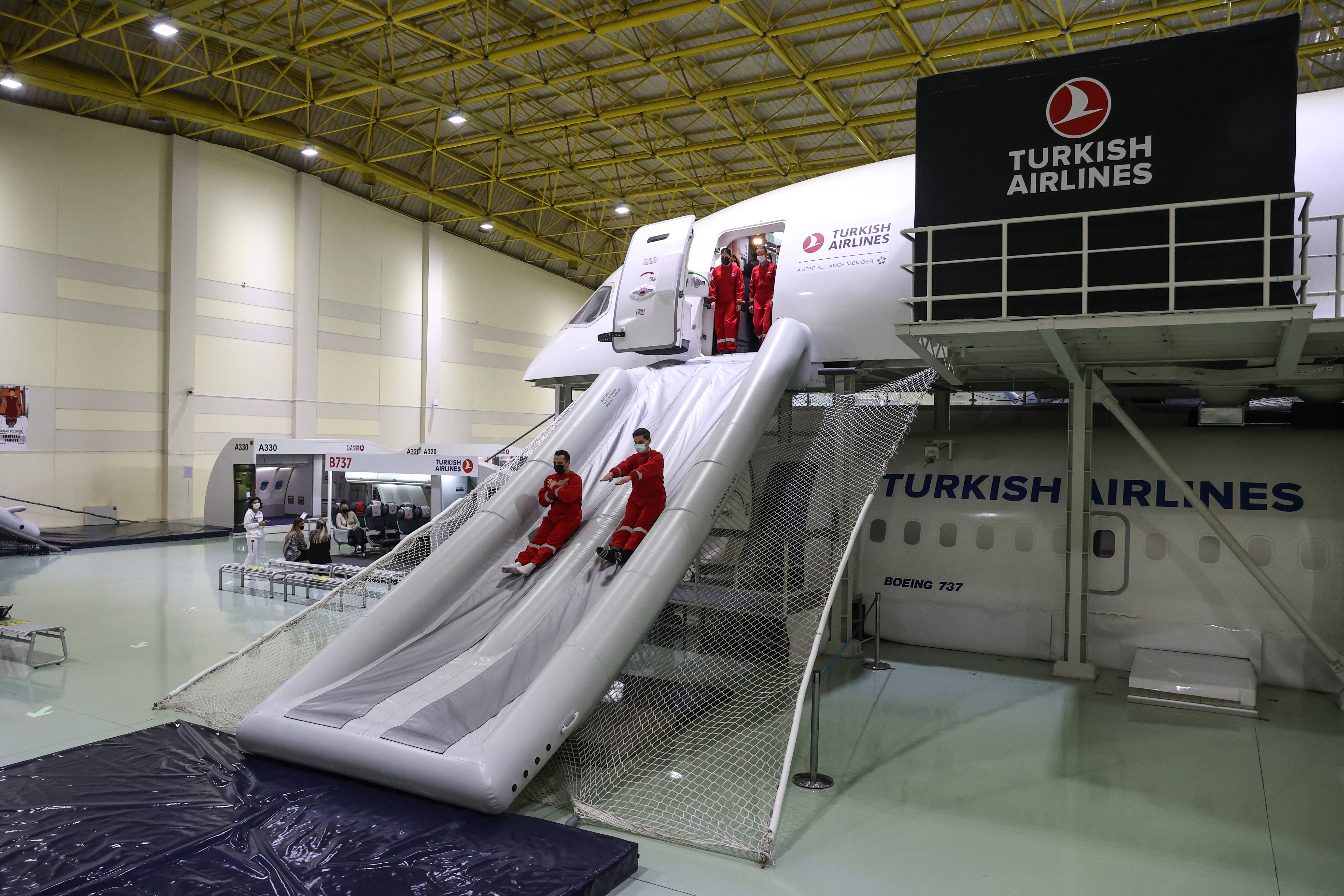
FAA test criteria require the 90-second evacuation demonstration to be conducted with exterior ambient light no greater than 0.3 foot-candles, essentially near-total darkness, before the aircraft's emergency lighting system even activates. If aircraft manufacturers must prove a 90-second evacuation is possible under near-dark conditions just to get FAA certification, it makes sense that airlines want passengers' eyes already adjusted to those same low-light conditions before a real emergency ever unfolds.
Dimmed Cabin Lights Are a Good Sign, not a Warning Sign
If you notice the cabin lights dim, and the exit signs suddenly stand out more, that's not a signal that something is wrong with your flight. It's the opposite. It means the flight crew is following a well-established airplane safety procedure refined over decades of accident investigations and aviation safety research, one small, deliberate step in preparing the cabin for the two phases of flight where that preparation actually saves lives.
Cabin Fumes Send Delta Passengers To Hospital, Force Flight To Divert To Honolulu » Why Is Turbulence Getting Worse, and Is It Actually Dangerous? » Frontier Airlines to Introduce First-Class Seating in 2027, Departing From Ultra-Low-Cost Roots »

Comments (0)
Add Your Comment
TAGS
INFORMATIONAL airplane safety cabin lights airplane cabin lights takeoff and landing emergency evacuation aviation safety aircraft safety window shades emergency lighting flight attendants passenger safety FAA regulations 90-second evacuation aviation explained commercial aviationRECENTLY PUBLISHED
 Turkish Airlines Confirms Order for 100 Boeing 737 MAX Jets
Turkish Airlines has finalized a major deal with Boeing for 100 737 MAX aircraft, cementing its narrowbody fleet plans through the next decade.
NEWS
READ MORE »
Turkish Airlines Confirms Order for 100 Boeing 737 MAX Jets
Turkish Airlines has finalized a major deal with Boeing for 100 737 MAX aircraft, cementing its narrowbody fleet plans through the next decade.
NEWS
READ MORE »
 United Airlines Takes Delivery of First Aircraft Powered by Pratt & Whitney's GTF Advantage Engine
United Airlines becomes the launch operator of Pratt & Whitney's upgraded GTF Advantage engine, receiving its first Airbus A321neo with the new powerplant.
NEWS
READ MORE »
United Airlines Takes Delivery of First Aircraft Powered by Pratt & Whitney's GTF Advantage Engine
United Airlines becomes the launch operator of Pratt & Whitney's upgraded GTF Advantage engine, receiving its first Airbus A321neo with the new powerplant.
NEWS
READ MORE »
 Qantas Sets 2028 Launch for First Nonstop Sydney to New York Flights
Qantas will begin nonstop Sydney to New York service in mid-2028 using the Airbus A350-1000ULR, marking the second Project Sunrise route.
ROUTES
READ MORE »
Qantas Sets 2028 Launch for First Nonstop Sydney to New York Flights
Qantas will begin nonstop Sydney to New York service in mid-2028 using the Airbus A350-1000ULR, marking the second Project Sunrise route.
ROUTES
READ MORE »
More than just headlines.
Get unlimited ad-free access to in-depth aviation news, premium stories, and exclusive insights other sites don't cover.
- Ad-free browsing on AeroXplorer
- Unlimited access to premium and exclusive articles
- Higher photo upload limits & commissions on sales
- Free access to Jetstream Magazine on higher tiers
- Ad-free browsing
- Sell aviation photos with 60% commission
- First week free!
- Everything in Basic+
- Unlimited premium articles
- Sell aviation photos with 70% commission
- Free Digital subscription to Jetstream Magazine
- First week free!
- Everything in Basic+ and Pro
- Sell aviaiton photos with 80% commission
- Early access to exclusive stories
- Free Digital+Print subscription to Jetstream Magazine