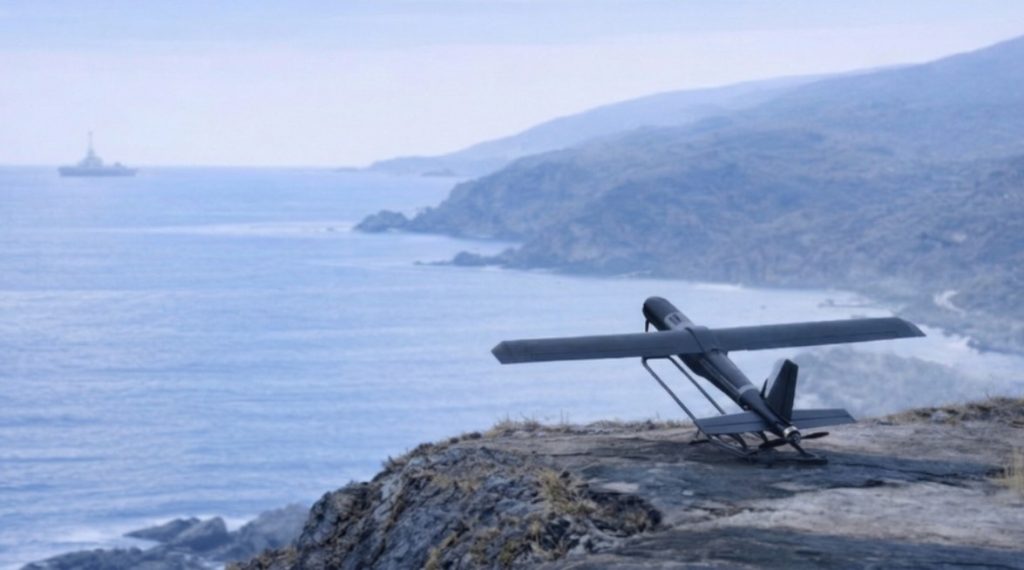
Japan’s premier industrial drone powerhouse, TerraDrone Corporation, is officially crossing the civilian-military divide. On March 23, 2026, the company announced its full-scale entry into the defense equipment market, marked by the establishment of a specialized U.S.-based subsidiary, Terra Defense. This strategic pivot follows a record-breaking Japanese defense budget proposal for fiscal year 2026, which allocates approximately 312.8 billion yen ($1.96 billion) specifically for uncrewed defense assets.
Building Next-Generation Defense Infrastructure
TerraDrone’s foray into the military sector is a direct response to the "increasingly unstable" global geopolitical environment and the proven effectiveness of drones in modern conflict zones like Ukraine. By leveraging a decade of expertise in industrial inspection and Unmanned Traffic Management (UTM), the company aims to provide high-performance, low-cost alternatives to traditional, expensive defense platforms.
"Leveraging the operational expertise cultivated worldwide, the Company has decided to fully enter this market to contribute to building next-generation defense infrastructure by providing low-cost, high-performance defense assets and to enhance medium- to long-term corporate value," the company stated in an official timely disclosure on the Tokyo Stock Exchange.
The launch of Terra Defense in the United States is designed to facilitate an international supply and logistics network, ensuring that Western defense standards and interoperability requirements are met. This move aligns Terra Drone with the Japan-U.S. alliance's goals of strengthening the "asymmetric defense architecture" across the Indo-Pacific.
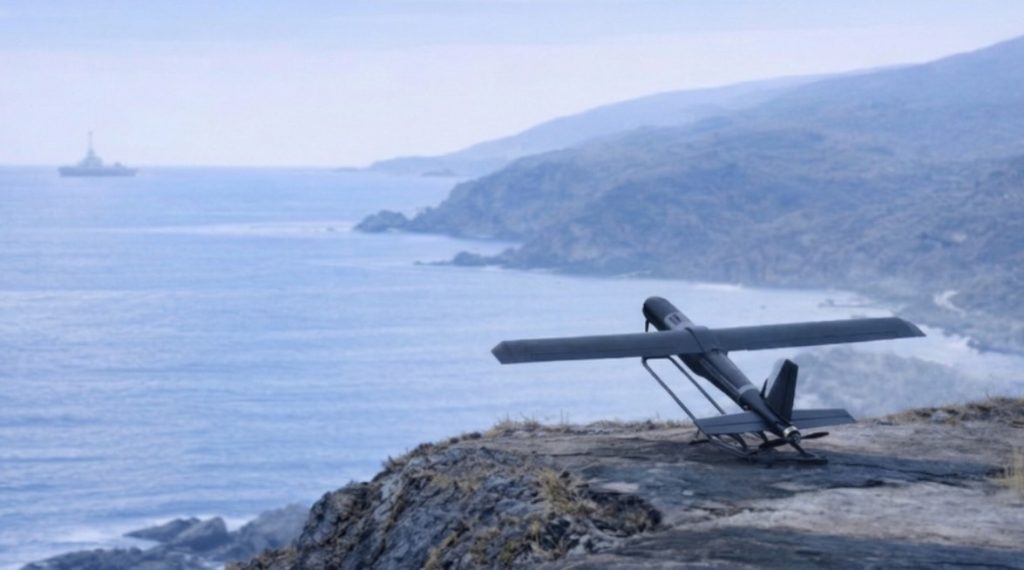
Technical and Special Features of the Terra Defense Portfolio
The new defense unit is not merely adapting commercial hardware; it is developing a multi-layered ecosystem of interceptors and reconnaissance tools designed for contested environments.
Fiber-Optic FPV Drones: To counter the rising threat of Electronic Warfare (EW) and signal jamming, Terra Defense is deploying First-Person View (FPV) drones that utilize fiber-optic tethering. This ensures an unjammable, high-definition video link and control signal, making them lethal in "radio-silent" operations.
Rocket-Type Interceptors: Designed for high-volume production, these interceptors act as a "final line of defense." They are engineered to neutralize saturation attacks from enemy "drone swarms" at a fraction of the cost of traditional surface-to-air missiles.
Jet-Engine-Powered Interceptors: For long-range and high-speed response, these assets provide "early detection and response at greater distances," reaching speeds that standard propeller-driven UAVs cannot match.
Integrated UTM Intelligence: By incorporating Terra UTM technology, developed through their subsidiary Unifly, these military assets can operate within a "synchronized, hybrid, integrated and enhanced littoral defense" (SHIELD) network. This allows for the simultaneous control of air, surface, and underwater unmanned vehicles under a single command structure.
Edge AI Recognition: All reconnaissance models are equipped with advanced image recognition sensors capable of autonomous target identification in GPS-denied environments.

Analysis: How Spirit Airlines Changed Airline Pricing, then Paid the Price
A Strategic Alignment with SHIELD
This corporate shift is perfectly timed with the Japanese Ministry of Defense’s implementation of the SHIELD program. The initiative seeks to defend Japan's remote islands through a layered defense system. TerraDrone's roadmap includes not only aerial systems but also Unmanned Surface Vessels (USVs) to bolster maritime security.
Under the vision of "Revolutionizing Mobility in the Sky," CEO Toru Tokushige has positioned the company to solve critical labor shortages and personnel risks within the Self-Defense Forces (SDF). By replacing traditional manned reconnaissance helicopters with autonomous drone fleets, the SDF can maintain persistent surveillance over the Nansei Islands and the East China Sea without putting human pilots in harm's way.
The transition from a pure-play industrial firm to a defense contractor represents a significant maturation of the Japanese aerospace industry, signaling that the future of national security will be defined by software-defined, mass-producible, and uncrewed technology.
Saab Weighs Canadian GlobalEye Production Line to Match Growing Surveillance Aircraft Orders » Southwest Airlines Considers Boeing 787 Order for Long-Haul International Expansion » Selma Blair Charged With Assault After Alleged Biting Incident on Delta Flight »

Comments (0)
Add Your Comment
TAGS
NEWS TerraDrone Terra Defense Military UAV Japan Defense Defense Technology Drones UAS Military TechRECENTLY PUBLISHED
 Qantas Grounds Plane After Passengers Report Bedbug Bites on Flight
Qantas pulled an aircraft from service after passengers reported bedbug bites during flight QF5.
NEWS
READ MORE »
Qantas Grounds Plane After Passengers Report Bedbug Bites on Flight
Qantas pulled an aircraft from service after passengers reported bedbug bites during flight QF5.
NEWS
READ MORE »
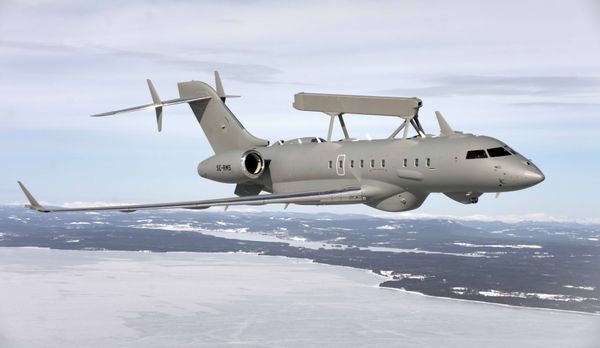 Saab Weighs Canadian GlobalEye Production Line to Match Growing Surveillance Aircraft Orders
Saab is considering establishing GlobalEye production in Canada as demand for the airborne early warning aircraft climbs across NATO nations.
NEWS
READ MORE »
Saab Weighs Canadian GlobalEye Production Line to Match Growing Surveillance Aircraft Orders
Saab is considering establishing GlobalEye production in Canada as demand for the airborne early warning aircraft climbs across NATO nations.
NEWS
READ MORE »
 Lawmakers Press FAA to Suspend AI Air Traffic Control Tool at Washington-Area Airports
Senators and union leaders urge the FAA to pause an AI-driven air traffic management tool at DC airports, citing safety concerns.
NEWS
READ MORE »
Lawmakers Press FAA to Suspend AI Air Traffic Control Tool at Washington-Area Airports
Senators and union leaders urge the FAA to pause an AI-driven air traffic management tool at DC airports, citing safety concerns.
NEWS
READ MORE »
More than just headlines.
Get unlimited ad-free access to in-depth aviation news, premium stories, and exclusive insights other sites don't cover.
- Ad-free browsing on AeroXplorer
- Unlimited access to premium and exclusive articles
- Higher photo upload limits & commissions on sales
- Free access to Jetstream Magazine on higher tiers
- Ad-free browsing
- Sell aviation photos with 60% commission
- First week free!
- Everything in Basic+
- Unlimited premium articles
- Sell aviation photos with 70% commission
- Free Digital subscription to Jetstream Magazine
- First week free!
- Everything in Basic+ and Pro
- Sell aviaiton photos with 80% commission
- Early access to exclusive stories
- Free Digital+Print subscription to Jetstream Magazine