
Federal authorities confirmed today that a high-ranking aerospace professional has pleaded guilty to lying to U.S. customs officials during a failed attempt to transport highly sensitive trade secrets to the People’s Republic of China. Junjie Zhang, 57, a former senior material and process engineer for a prominent Wichita-based aviation firm, entered his plea on April 1, 2026, following a multi-year investigation into the theft of proprietary blueprints and technical data.
The Airport Interception at Dallas-Fort Worth
The case against Zhang, also known as Jeff Zhang, reached a critical turning point this week. Court documents reveal that the resident of Tulsa, Oklahoma, was intercepted by Customs and Border Protection (CBP) officers at Dallas Fort Worth International Airport (DFW) in September 2019. Zhang was preparing to board a flight to China when he was pulled aside for a secondary security screening.
During the interaction, Zhang explicitly denied carrying any work-related information on his personal electronic devices. However, a forensic sweep of his carry-on bag yielded a thumb drive and a laptop containing a digital treasure trove of protected material. The devices held confidential graphs, blueprints, and process documents belonging to his employer, an aviation manufacturer in the "Air Capital of the World," Wichita.
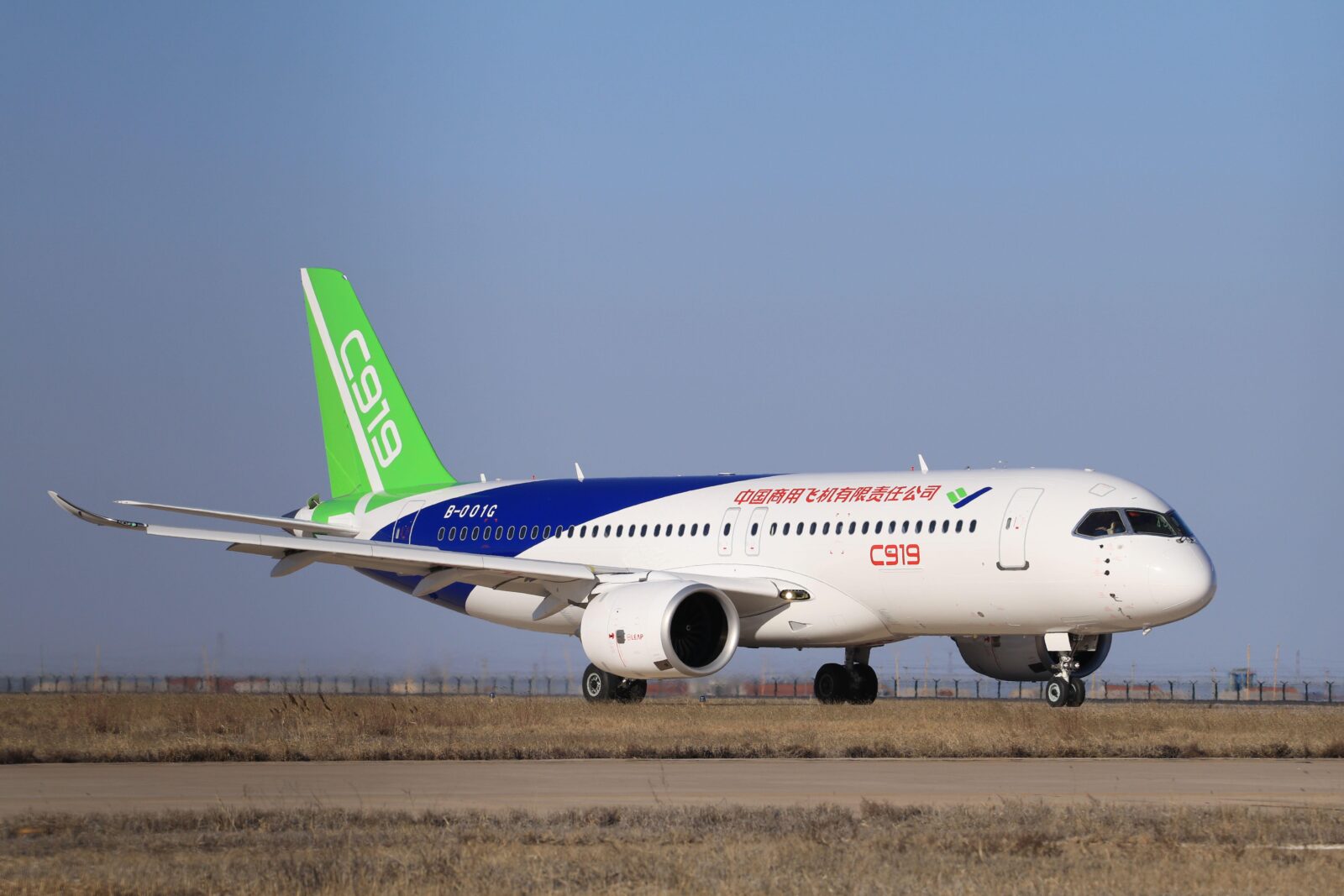
Photo: paddleyourownkanoo
A Pattern of Suspicious Behavior
The investigation into Zhang did not begin at the airport. Federal agents had been monitoring the engineer since 2018, following a sanctioned work trip to China where his employer reported "suspicious behavior." Despite the initial warnings, Zhang continued to work in his sensitive role, which provided him with unfettered access to the company’s internal research and development.
Investigators estimate the proprietary data discovered on Zhang's personal devices to be valued at more than $100,000. While the specific manufacturer's name remains redacted in certain public filings, the documents underline that the stolen intellectual property involved critical materials and processes essential to modern aircraft construction.

The Hidden Cost: Why Airlines Are Rethinking Fleet Simplification
Official Statements on National Security
U.S. Attorney Ryan A. Kriegshauser emphasized the severity of the breach and the broader implications for the American aerospace industry.
“Americans invest heavily into technological research and development. Intellectual property theft causes U.S. companies across numerous sectors to lose billions of dollars a year. Often that cost ultimately falls on consumers. Not only are Internet hackers a risk for this theft but so are insider threats from rogue employees,” stated Kriegshauser. “The Department of Justice works tirelessly to safeguard the hard-earned intellectual property of Americans and their companies from theft.”
The Road to Sentencing
Zhang has officially pleaded guilty to one count of making a false statement to federal officers. While the prosecution originally pursued the case as a potential instance of economic espionage, the current plea deal focuses on Zhang's deliberate attempt to deceive customs agents regarding the nature of the data he was carrying.
Under federal guidelines, Zhang faces a maximum penalty of eight years in prison. However, the plea agreement suggests that prosecutors may recommend a sentence at the lower end of the spectrum. The final decision rests with a federal district court judge in Kansas.
Case Summary
| Detail | Information |
|---|---|
| Defendant | Junjie "Jeff" Zhang, 57 |
| Role | Senior Material and Process Engineer |
| Location of Arrest | Dallas Fort Worth International Airport (DFW) |
| Plea Date | April 1, 2026 |
| Estimated IP Value | Over $100,000 |
| Scheduled Sentencing | July 23, 2026 |
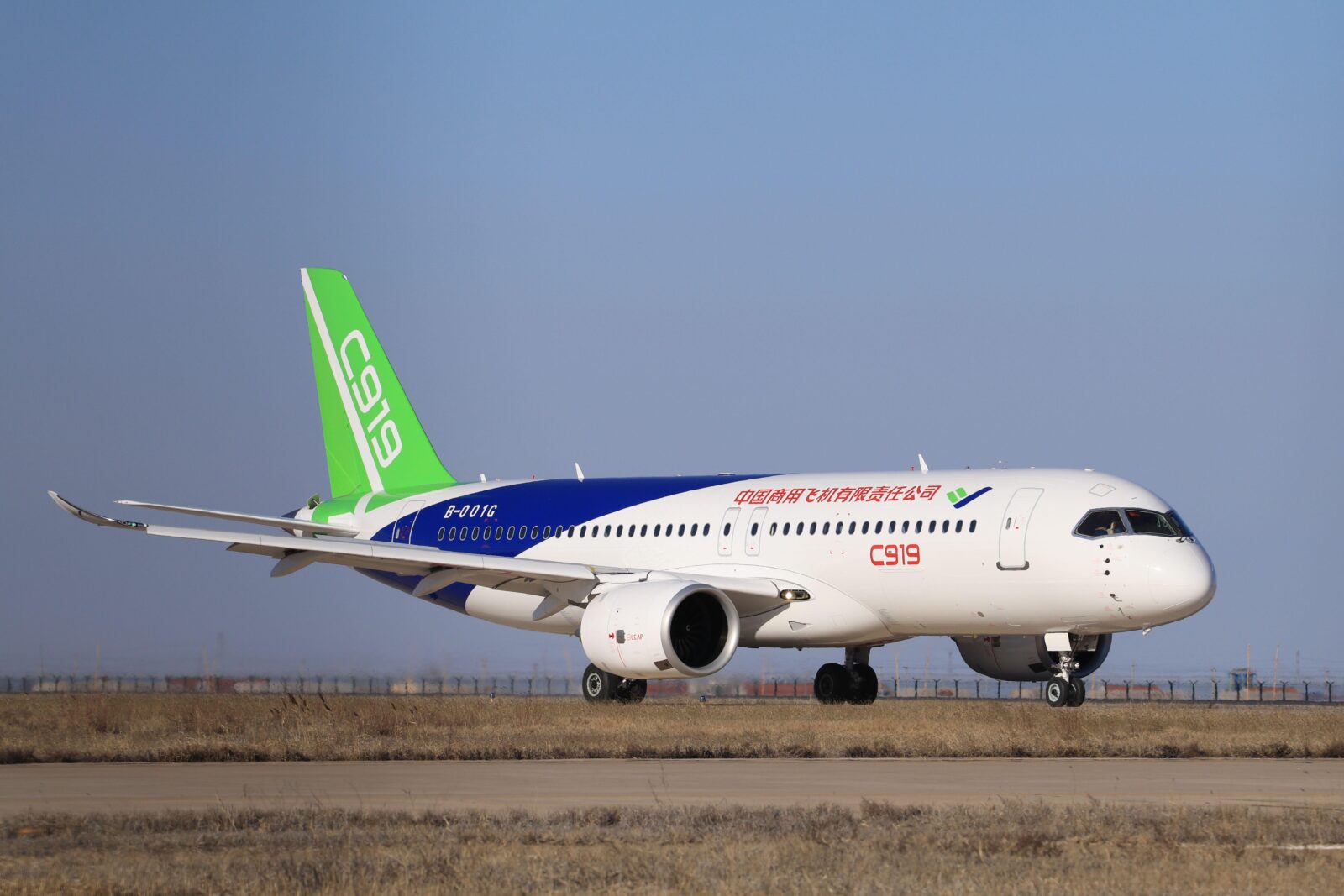
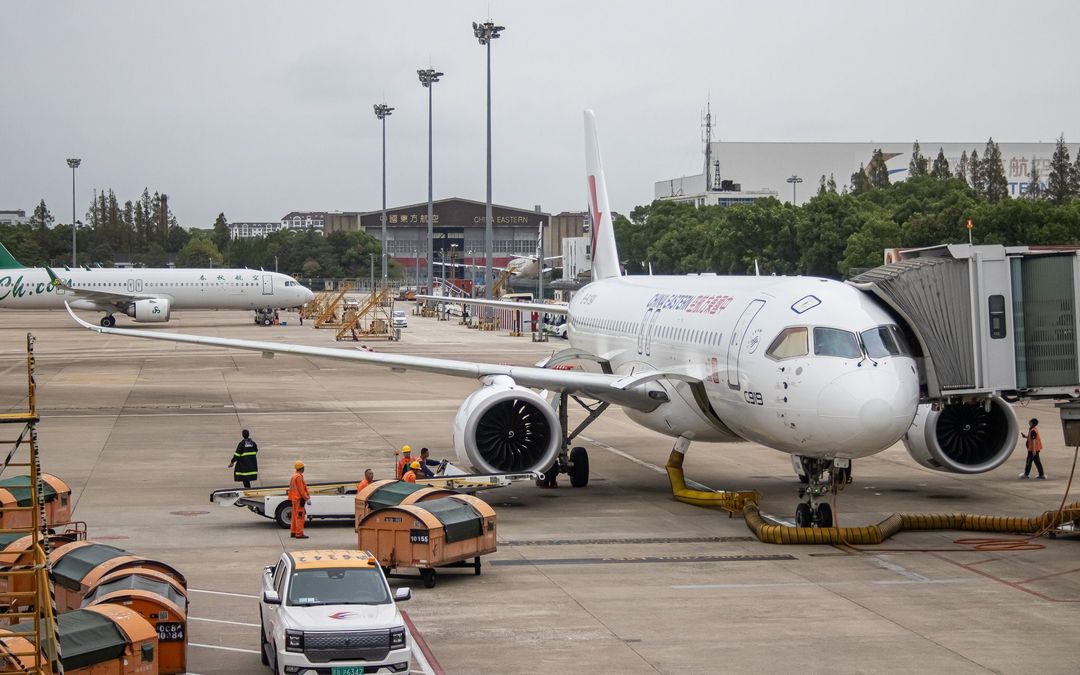
As the aerospace industry grapples with increasing global competition, the Zhang case serves as a stark reminder of the "insider threat" facing U.S. manufacturers. With China's domestic aircraft programs, such as the COMAC C919, seeking to bridge the technological gap with Western counterparts, the protection of proprietary material and process engineering has never been more critical to maintaining a strategic aviation edge.
United and Air Canada Push to Expand Joint Venture Amid Cross-Border Travel Strains » Who Is Accountable When an AI Air Traffic Tool Gets It Wrong? » FAA Nears Final Approval of Boeing 737 MAX 10 as Certification Review Concludes »

Comments (0)
Add Your Comment
TAGS
NEWS Aerospace Security Trade Secrets FBI DOJ Wichita Aviation China Tech TheftRECENTLY PUBLISHED
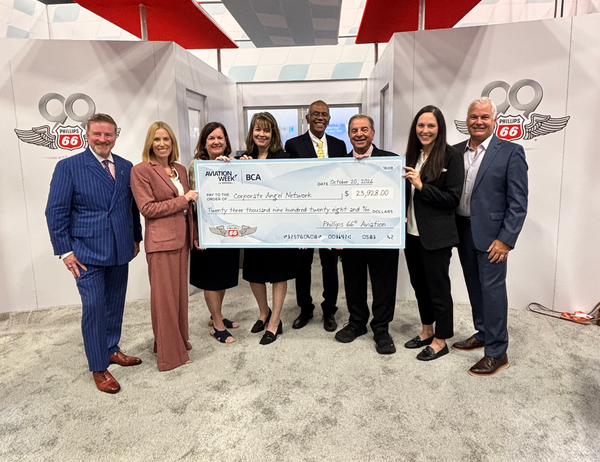 Phillips 66 Aviation Donates $23,928 to CAN in Support of Cancer Patient Flights
Phillips 66 Aviation presented a $23,928 check to Corporate Angel Network at NBAA-BACE 2026, supporting free flights for cancer patients on corporate aircraft.
NEWS
READ MORE »
Phillips 66 Aviation Donates $23,928 to CAN in Support of Cancer Patient Flights
Phillips 66 Aviation presented a $23,928 check to Corporate Angel Network at NBAA-BACE 2026, supporting free flights for cancer patients on corporate aircraft.
NEWS
READ MORE »
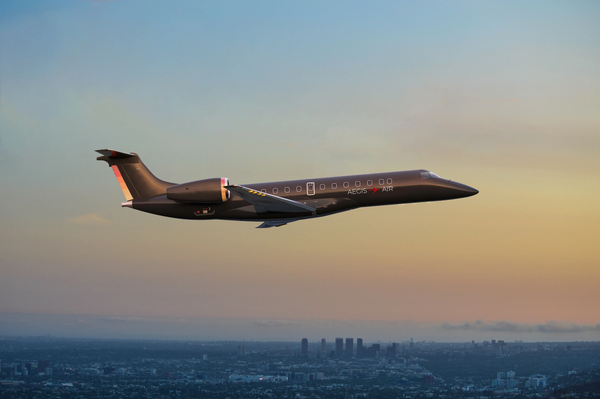 Aegis Air Bets on By-the-Seat Private Jet Flights From Miami to Caracas
A new US start-up is testing whether Caracas can support its own private jet shuttle. Aegis Air, a virtual carrier founded this year, is due to start by-the-seat flights between Miami and the Venezuelan capital today, 20 October, aboard a 16-seat Embraer E135.
NEWS
READ MORE »
Aegis Air Bets on By-the-Seat Private Jet Flights From Miami to Caracas
A new US start-up is testing whether Caracas can support its own private jet shuttle. Aegis Air, a virtual carrier founded this year, is due to start by-the-seat flights between Miami and the Venezuelan capital today, 20 October, aboard a 16-seat Embraer E135.
NEWS
READ MORE »
 Ambulances Meet Eurowings Jet From Rhodes After Passengers Feel Unwell in Flight
A Eurowings Airbus landed in Düsseldorf on Sunday evening, October 18, to a large emergency response, after several people on board suddenly became unwell on the way from Rhodes.
NEWS
READ MORE »
Ambulances Meet Eurowings Jet From Rhodes After Passengers Feel Unwell in Flight
A Eurowings Airbus landed in Düsseldorf on Sunday evening, October 18, to a large emergency response, after several people on board suddenly became unwell on the way from Rhodes.
NEWS
READ MORE »
More than just headlines.
Get unlimited ad-free access to in-depth aviation news, premium stories, and exclusive insights other sites don't cover.
- Ad-free browsing on AeroXplorer
- Unlimited access to premium and exclusive articles
- Higher photo upload limits & commissions on sales
- Free access to Jetstream Magazine on higher tiers
- Ad-free browsing
- Sell aviation photos with 60% commission
- First week free!
- Everything in Basic+
- Unlimited premium articles
- Sell aviation photos with 70% commission
- Free Digital subscription to Jetstream Magazine
- First week free!
- Everything in Basic+ and Pro
- Sell aviaiton photos with 80% commission
- Early access to exclusive stories
- Free Digital+Print subscription to Jetstream Magazine