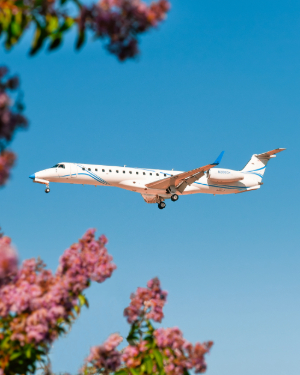

Saudi Arabia's newest airline, Riyadh Air, is planning to purchase at least 150 737 MAX aircraft from Boeing.

The deal was first revealed by Bloomberg last week. The airline — owned by the country's Public Investment Fund — aims to purchase between 300 and 400 single-aisle jets in total. An unknown source has suggested that some of the new aircraft could be bought from Airbus.
This would be the second time this year that Boeing has won large business from its customers in Saudi Arabia. In March, Boeing announced that Riyadh Air would receive up to 72 of its 787 Dreamliners while Saudia would purchase up to 49 of the same aircraft.

Ordering 150 new jets in addition to the previously announced Dreamliners could cost as much as $8 billion. However, Riyadh Air may receive a discount for ordering such a large quantity of aircraft.
Delta Passenger Arrested After Allegedly Stealing Airport Tug » KLM Brings Starlink Internet to Long-Haul Flights » This Week in Aviation: The 10 Stories That Mattered Most »

Comments (0)
Add Your Comment
SHARE
TAGS
NEWS Saudia Saudi Arabia Riyadh Air Aircraft Order Purchase Boeing Boeing 737 MAX 737 MAXRECENTLY PUBLISHED
 This Week in Aviation: The 10 Stories That Mattered Most
From major airline developments to aircraft updates and industry shifts, this weekly recap highlights the ten most-read aviation stories from the week of October 04.
INFORMATIONAL
READ MORE »
This Week in Aviation: The 10 Stories That Mattered Most
From major airline developments to aircraft updates and industry shifts, this weekly recap highlights the ten most-read aviation stories from the week of October 04.
INFORMATIONAL
READ MORE »
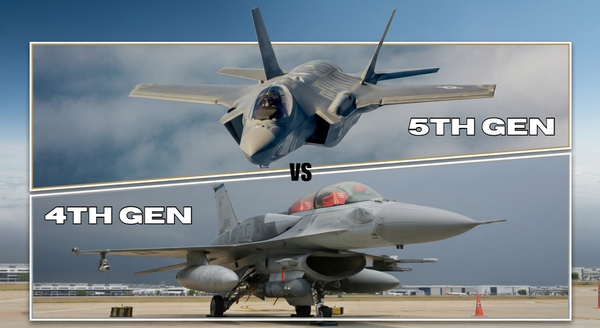 4th vs 5th Generation Fighter Jets: How Fighter Jets Have Evolved
A look at what separates fourth- and fifth-generation fighter jets, from stealth and sensor fusion to combat capability and cost.
INFORMATIONAL
READ MORE »
4th vs 5th Generation Fighter Jets: How Fighter Jets Have Evolved
A look at what separates fourth- and fifth-generation fighter jets, from stealth and sensor fusion to combat capability and cost.
INFORMATIONAL
READ MORE »
 United 777 Diverts to Dublin After Cockpit Windscreen Cracks Over the Atlantic
A United Airlines Boeing 777 bound for Milan made a steep descent and diverted to Dublin after its cockpit windscreen cracked mid-flight.
NEWS
READ MORE »
United 777 Diverts to Dublin After Cockpit Windscreen Cracks Over the Atlantic
A United Airlines Boeing 777 bound for Milan made a steep descent and diverted to Dublin after its cockpit windscreen cracked mid-flight.
NEWS
READ MORE »