
Sustainable Aviation Fuel (SAF) has been an important and pertinent topic within aerospace communities for a while now, reaching a new level of importance in 2024 amidst rising jet fuel prices. Globally, multiple nations, including the United States and the United Kingdom, have shifted their interest to an emissions-free aviation industry in the coming decades.

The UK released the “jet zero” campaign to reduce carbon-based emissions to zero by the year 2050. However, unlike other industry sectors such as retail, home, and local power grids, airplanes have not yet located a consistent non-carbon-based aviation fuel source, with multiple SAFs still in their infancy. This has led to the research and investigation of waste-based sources as an alternative to traditional fuel. Conventional commercial aviation accounts for about 2.5 percent of global carbon emissions.
Waste-based fuel sources are what you would think: energy sources that are derived from the carbon emissions of various organic materials. Additionally, the combustion of organic materials aids in converting CO2 and green hydrogen, both valuable in producing SAF. Other waste-based fuels include repurposing conventional food oils, whether when used or tarnished and converting them into a substantive fuel.
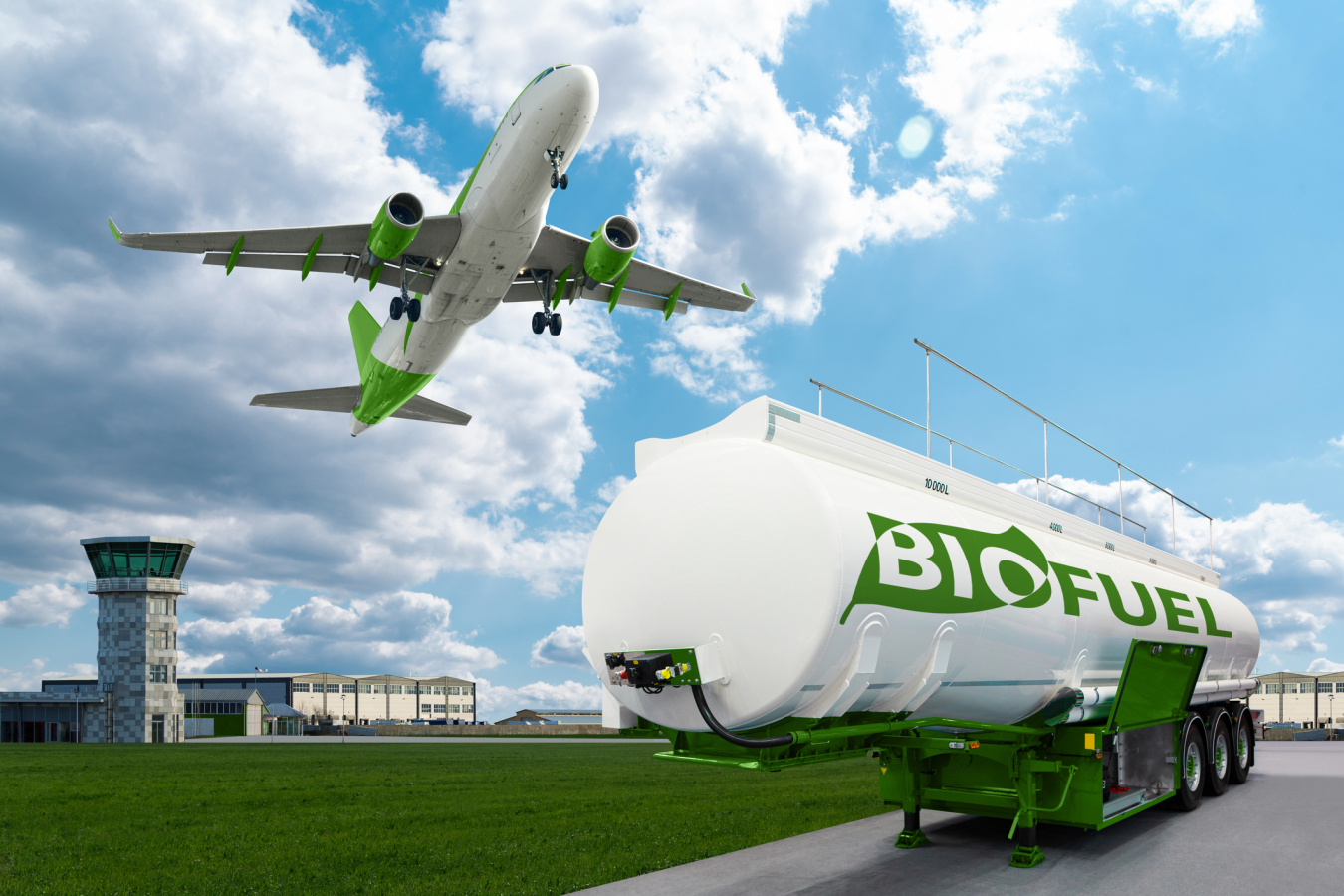
In early 2024, a UK-based company, Firefly Green Fuels, explored using poop-powered aircraft. Sewage, as described by CEO James Hygate, is a low-cost material with loads of it worldwide. Currently, most sewage globally is simply collected and displaced into other places rather than processed for some form of energy gain.
Through hydrothermal liquefaction, human waste can be repurposed as a carbon-rich biochar, a substance that can be used in fertilizers or as crude oil. Original small-scale studies indicate that the SAF could have as much as 90 percent less carbon footprint than traditional jet fuel.

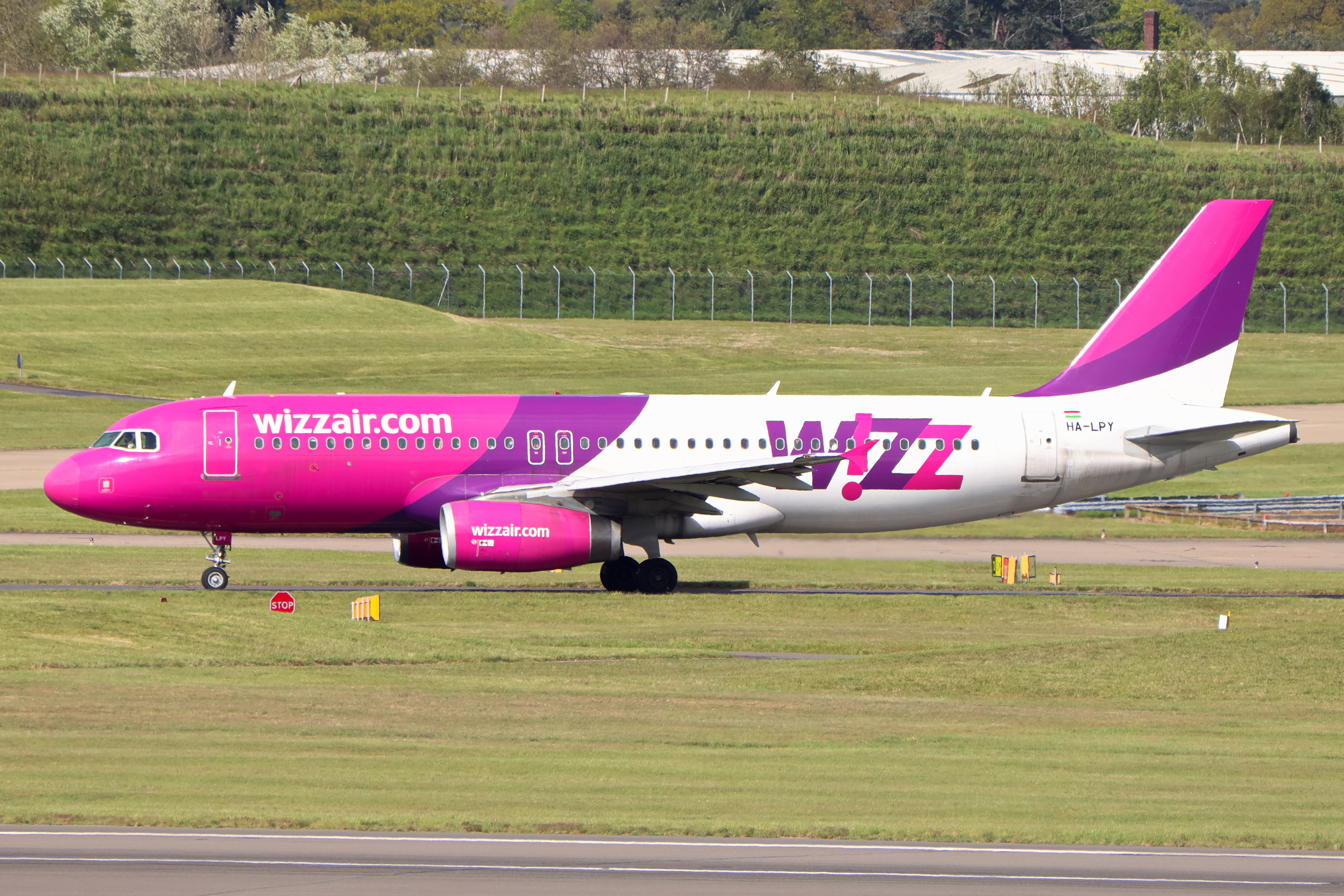
Although scaling for Firefly will be a large undertaking, the company projects that it can produce 100,000 tons of the biochar annually by 2030. Through UK government grants and private investment by Wizz Air, the company will look to aid the need for alternative fuel. However, even at its projections, the waste-based SAF would only contribute about 5 percent of the total appetite for jet fuel in the UK alone. Although other companies are also entering the space, quantity is still far less than demand, leading to an increase in price.
For the jet zero campaign, SAF flights are slowly coming into effect, as SAF flights produce, on average, 70 percent less emissions than traditional jet fuel. Other alternative fuels, such as E-Kerosene, are also growing in popularity. Biofuels in different capacities and research into electric-powered commercial airliners are expanding. Even if the growth of waste-based SAFs and other biofuels might decrease in the airline sector, the same principles can be applied to smaller engines, realistically on motorbikes and smaller automobiles.
One-Millisecond Software Defect Identified as Cause of UK Air Traffic Control Collapse That Grounded Thousands of Flights » Power Bank Fire Linked to Former KLM CEO Forces Curacao Flight to Turn Back » Major US Airlines Push Back Against Air China's Request for Additional US Flights »

Comments (0)
Add Your Comment
TAGS
NEWS Sustainability Sustainable Aviation Fuel SAF Sustainable Aviation Future Innovation UK United Kingdom StartupRECENTLY PUBLISHED
 This Week in Aviation: The 10 Stories That Mattered Most
From major airline developments to aircraft updates and industry shifts, this weekly recap highlights the ten most-read aviation stories from the week of September 13.
INFORMATIONAL
READ MORE »
This Week in Aviation: The 10 Stories That Mattered Most
From major airline developments to aircraft updates and industry shifts, this weekly recap highlights the ten most-read aviation stories from the week of September 13.
INFORMATIONAL
READ MORE »
 One-Millisecond Software Defect Identified as Cause of UK Air Traffic Control Collapse That Grounded Thousands of Flights
A new NATS report reveals a one-millisecond software defect triggered the UK air traffic control failure, causing thousands of cancellations.
NEWS
READ MORE »
One-Millisecond Software Defect Identified as Cause of UK Air Traffic Control Collapse That Grounded Thousands of Flights
A new NATS report reveals a one-millisecond software defect triggered the UK air traffic control failure, causing thousands of cancellations.
NEWS
READ MORE »
 AirAsia Pushes Back on Collapse Rumors as Fuel Costs Squeeze Budget Airline
AirAsia CEO Tony Fernandes denies the airline faces collapse, saying travel demand stays strong despite rising jet fuel prices pressuring margins.
NEWS
READ MORE »
AirAsia Pushes Back on Collapse Rumors as Fuel Costs Squeeze Budget Airline
AirAsia CEO Tony Fernandes denies the airline faces collapse, saying travel demand stays strong despite rising jet fuel prices pressuring margins.
NEWS
READ MORE »
More than just headlines.
Get unlimited ad-free access to in-depth aviation news, premium stories, and exclusive insights other sites don't cover.
- Ad-free browsing on AeroXplorer
- Unlimited access to premium and exclusive articles
- Higher photo upload limits & commissions on sales
- Free access to Jetstream Magazine on higher tiers
- Ad-free browsing
- Sell aviation photos with 60% commission
- First week free!
- Everything in Basic+
- Unlimited premium articles
- Sell aviation photos with 70% commission
- Free Digital subscription to Jetstream Magazine
- First week free!
- Everything in Basic+ and Pro
- Sell aviaiton photos with 80% commission
- Early access to exclusive stories
- Free Digital+Print subscription to Jetstream Magazine