
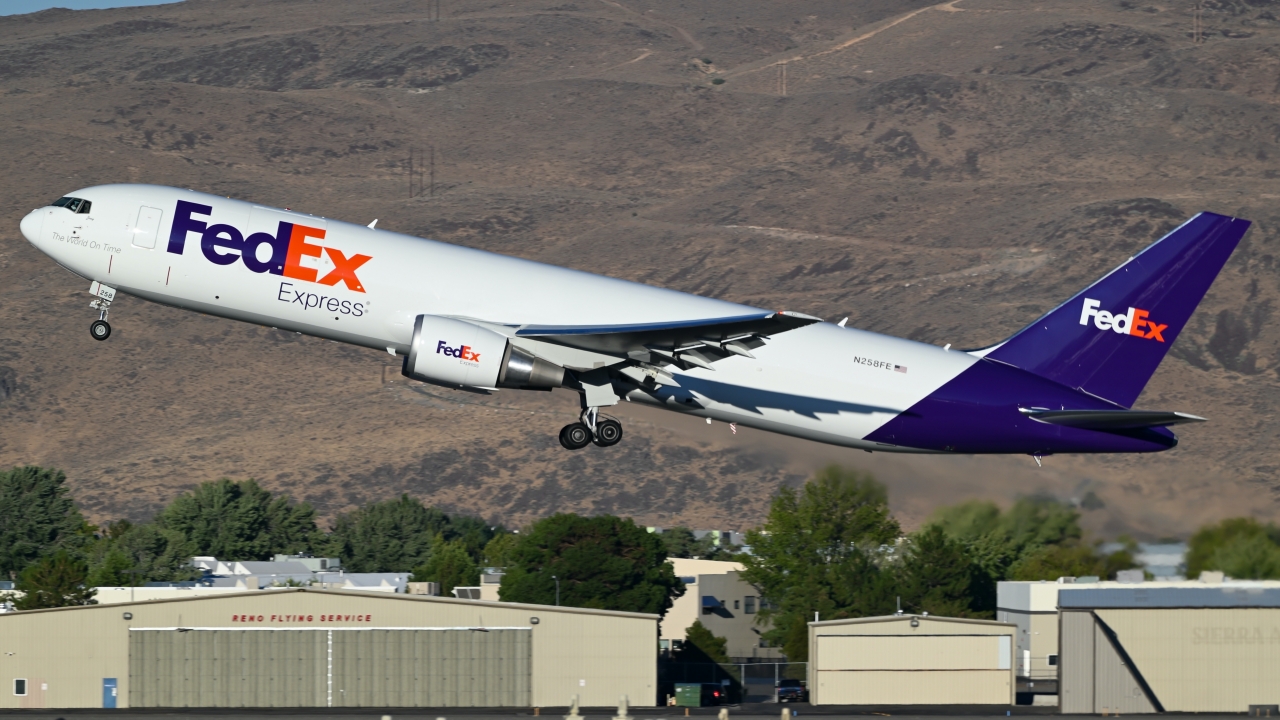

Fifteen years. That's roughly the average age of the global commercial aircraft fleet, according to IATA, making the current fleet age unusually high by historical standards. But the figure needs context: IATA puts the average age at 12.8 years for passenger aircraft, 19.6 years for cargo aircraft, and 14.5 years for the widebody fleet. That age profile touches nearly every decision an airline makes, from maintenance planning and parts procurement to fleet scheduling and aircraft utilization.
The story here isn't simply about old planes. It is about what happens when airlines keep aircraft in service longer while waiting for new deliveries amid persistent production and supply-chain constraints. IATA says the global fleet now averages about 15 years, compared with roughly 13 years before COVID-19. At the same time, aircraft delivery shortfalls and a record order backlog continue to delay fleet renewal.

The Fleet Age Problem Is Bigger Than Most Passengers Realize
Aircraft delivery backlogs didn't appear overnight. Pandemic-era disruptions were followed by persistent production and supply-chain constraints, leaving airlines waiting longer for replacement aircraft and encouraging some operators to keep existing aircraft in service for longer. IATA says delivery shortfalls now total at least 5,300 aircraft, while the order backlog has surpassed 17,000 aircraft.
That does not mean every part of the commercial fleet is equally old. Passenger aircraft average 12.8 years, while cargo aircraft average 19.6 years, illustrating how much the overall number can vary by fleet segment. The distinction matters when assessing maintenance demand, replacement decisions, and operational planning.
Older aircraft also create different planning requirements. Structural inspections can become more involved, component availability can become harder to manage for legacy equipment, and operators have to account for accumulated airworthiness requirements and maintenance events alongside the normal flight schedule.
For airlines dealing with constrained deliveries, the challenge is therefore less about having a single "old fleet" problem and more about managing a mixed fleet in which aircraft of different ages, configurations, and maintenance requirements must continue operating reliably while replacement aircraft arrive later than planned.
What This Does to Maintenance Costs and Planning Cycles
Maintenance, Repair, and Overhaul, known in the industry as MRO, has become one of the fastest-growing cost centers in commercial aviation. The reasons are layered.
The global MRO market fully recovered from the COVID-19 pandemic, reaching over $114 billion in 2024, which was 7.2% above the 2019 pre-pandemic peak. That wasn't just recovery; that was a new high-water mark, driven by the very fleet-age dynamics airlines didn't see coming. Oliver Wyman's 2025 MRO Forecast now expects the industry to grow at 2.7% annually through 2035, reaching $156 billion, with cost increases attributable to aging aircraft, newer jets experiencing durability issues, and an MRO "super cycle" combining high utilization with older fleets requiring heavier maintenance.
That super cycle framing matters. It's not one bad year. It's a sustained period of elevated MRO demand that will outlast most current fleet planning horizons. Airlines that treat it like a temporary cost bump are going to be wrong.

Here's the practical squeeze: older aircraft require longer hangar visits, which removes assets from the schedule for more hours per year. That means your fleet is simultaneously flying more hours per departure and spending more time on the ground for maintenance. You feel both sides.
The Maintenance Pressure Ladder: A Simple Way to Think About Fleet Age Risk
Most operators think about fleet age as a single number. It's more useful to think of it as a ladder with four rungs, each representing a compounding layer of operational pressure:
- Inspection frequency: Older airframes require more check intervals, pulling aircraft off the line more often.
- Parts scarcity: Legacy components are produced in smaller quantities, creating longer lead times when something fails.
- Regulatory compliance creep: Airworthiness directives accumulate over an aircraft's life, adding mandatory tasks to every major check.
- System integration gaps: Older aircraft often predate modern digital maintenance platforms, making data capture manual and slow. When maintenance information is not connected to operational planning, flight scheduling becomes harder to manage because teams may not have a complete view of aircraft availability, upcoming inspections, and other maintenance constraints.
Climb far enough up that ladder and you reach the point where the cost of operating a specific tail number stops making sense. Most operators reach that conclusion later than the math suggests they should.
How Smart Operators Are Connecting Maintenance to the Flight Schedule
Consider a mid-size operator whose aging narrowbody comes due for a major maintenance check two weeks before its peak summer schedule kicks in. The maintenance team knew about the check for months. The operations team didn't know it overlapped with a 94% seat load factor week until someone pulled a report manually.
That kind of silo costs real money. Repositioning a spare aircraft, wet-leasing a replacement, canceling routes those aren't hypothetical outcomes. They're what happens when maintenance data and scheduling data live in separate systems with no shared visibility.
The operators closing that gap are the ones treating maintenance as a scheduling input rather than a scheduling obstacle. Flight scheduling works far more smoothly when the teams responsible for it can see the full maintenance picture in real time, not in a spreadsheet update that arrives the morning the plane is due to leave the gate.

Integrated digital platforms that connect airworthiness tracking with flight planning aren't a luxury for a fleet running 15-year-old jets. They're a requirement. The complexity is too high for manual coordination to hold together.
What the Next Decade Looks Like for Fleet Operators
The fleet age problem isn't going away quickly. Aircraft manufacturers are ramping production, but backlogs extend years into the future. The planes operators ordered to replace their aging jets won't all arrive before those jets rack up more cycles, more checks, and more cost. Oliver Wyman's 2025 fleet forecast projects the global commercial fleet expanding from just over 29,000 aircraft in 2025 to 38,300 by the start of 2035, a 32% increase at a compound annual growth rate of 2.8%. More aircraft means more maintenance events, more compliance tracking, and more operational coordination not less.
The operators who build the data infrastructure now, while the fleet is already stressed, will be in a much better position when those new deliveries arrive. Onboarding a new aircraft type into a system that's already tracking every airworthiness directive, every component life, and every inspection interval is a very different experience than doing it with spreadsheets.
"An aging fleet naturally requires more time for maintenance and repair," noted Žilvinas Lapinskas, CEO of FL Technics Group, in a March 2026 industry commentary, pointing to the aging fleet as one of the defining operational pressures shaping aviation in 2026 and beyond.

Analysis: How Spirit Airlines Changed Airline Pricing, then Paid the Price
Three Things Operators Should Be Doing Right Now
You don't need a new fleet to start managing this better. You need better habits and better systems.
- Map your maintenance events against your peak schedule windows. If you don't know which tail numbers are due for checks during your three busiest months next year, find out this week.
- Audit your data handoffs. Where does maintenance data stop being visible to operations? That's your single biggest risk point.
- Stop treating MRO spend as a reactive budget line. Build it into fleet planning as a forward-looking input, because with an older fleet, the surprises are predictable if you're watching the right signals.
An aging fleet isn't a crisis waiting to happen. It's a set of known pressures that become manageable when the people responsible for maintenance and the people responsible for operations are working from the same picture. The airlines that figure that out earliest are the ones that keep departing on time.
Thousands of Flights Delayed or Canceled as Travel Disruptions Sweep Across the U.S. » Embraer Delivers First Praetor 600E to Flexjet » NBC NewsChopper 4 Crash in Los Angeles Kills Three, Injures Two While Covering Fatal Bus Collision »

Comments (0)
Add Your Comment
TAGS
INFORMATIONAL Fleets Aviation Aircraft Fleet Management Travel FlightsRECENTLY PUBLISHED
 One-Millisecond Software Defect Identified as Cause of UK Air Traffic Control Collapse That Grounded Thousands of Flights
A new NATS report reveals a one-millisecond software defect triggered the UK air traffic control failure, causing thousands of cancellations.
NEWS
READ MORE »
One-Millisecond Software Defect Identified as Cause of UK Air Traffic Control Collapse That Grounded Thousands of Flights
A new NATS report reveals a one-millisecond software defect triggered the UK air traffic control failure, causing thousands of cancellations.
NEWS
READ MORE »
 AirAsia Pushes Back on Collapse Rumors as Fuel Costs Squeeze Budget Airline
AirAsia CEO Tony Fernandes denies the airline faces collapse, saying travel demand stays strong despite rising jet fuel prices pressuring margins.
NEWS
READ MORE »
AirAsia Pushes Back on Collapse Rumors as Fuel Costs Squeeze Budget Airline
AirAsia CEO Tony Fernandes denies the airline faces collapse, saying travel demand stays strong despite rising jet fuel prices pressuring margins.
NEWS
READ MORE »
 Delta Air Lines Moves to Claim Top Spot at LAX With New Routes and Expanded Schedule
Delta Air Lines plans its largest-ever schedule at Los Angeles International Airport, adding routes and premium seating to overtake rivals.
NEWS
READ MORE »
Delta Air Lines Moves to Claim Top Spot at LAX With New Routes and Expanded Schedule
Delta Air Lines plans its largest-ever schedule at Los Angeles International Airport, adding routes and premium seating to overtake rivals.
NEWS
READ MORE »
More than just headlines.
Get unlimited ad-free access to in-depth aviation news, premium stories, and exclusive insights other sites don't cover.
- Ad-free browsing on AeroXplorer
- Unlimited access to premium and exclusive articles
- Higher photo upload limits & commissions on sales
- Free access to Jetstream Magazine on higher tiers
- Ad-free browsing
- Sell aviation photos with 60% commission
- First week free!
- Everything in Basic+
- Unlimited premium articles
- Sell aviation photos with 70% commission
- Free Digital subscription to Jetstream Magazine
- First week free!
- Everything in Basic+ and Pro
- Sell aviaiton photos with 80% commission
- Early access to exclusive stories
- Free Digital+Print subscription to Jetstream Magazine