
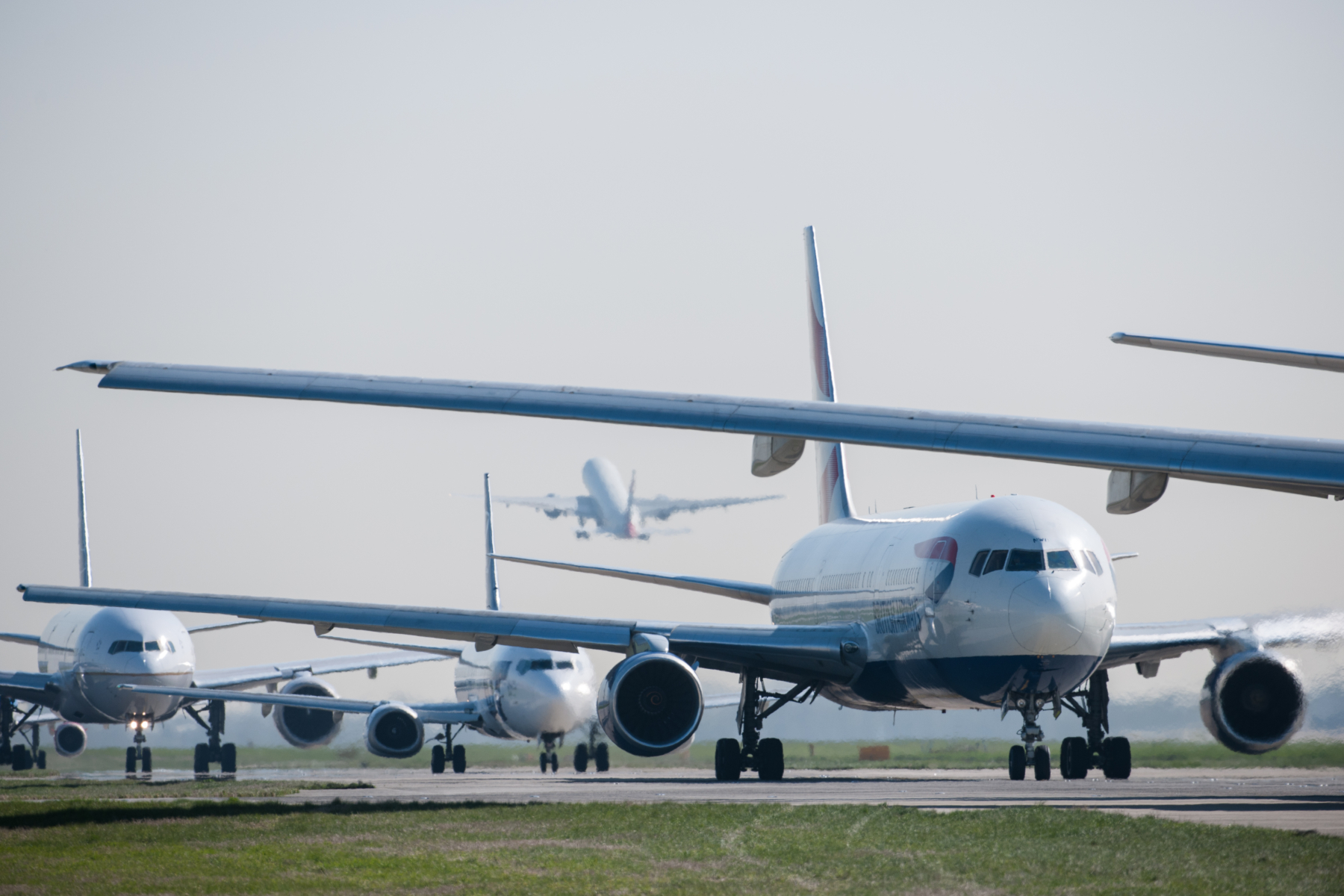
Investigators have identified the cause of a major UK air traffic control failure, tracing the disruption to a software defect that lasted just one millisecond. The finding, detailed in a new report from National Air Traffic Services (NATS), explains how such a fleeting technical fault cascaded into one of the most disruptive days in recent British aviation history.
The incident forced controllers to revert to manual flight processing, slowing operations across UK airspace and triggering thousands of cancellations and delays. Passengers faced knock-on disruption that stretched across multiple days as airlines worked to reposition aircraft and crew.
What the report found
According to NATS, the failure originated in the flight data processing system, which handles the flight plans that controllers rely on to manage traffic safely. Engineers determined that a software defect, active for only one millisecond, was sufficient to cause the system to disengage and hand over to manual backup procedures.
The report clarifies that the fault has no connection to the widely reported August 2023 outage, which was traced to a rogue flight plan submission that the system could not interpret. In that earlier case, the software identified an anomaly and shut down as designed. The recent failure stems from a different and previously unidentified defect within the processing software.
NATS confirmed that safety was maintained throughout the incident, with controllers continuing to manage flights using manual procedures. However, the reduced capacity meant that airlines were required to significantly cut the number of movements in and out of UK airports.
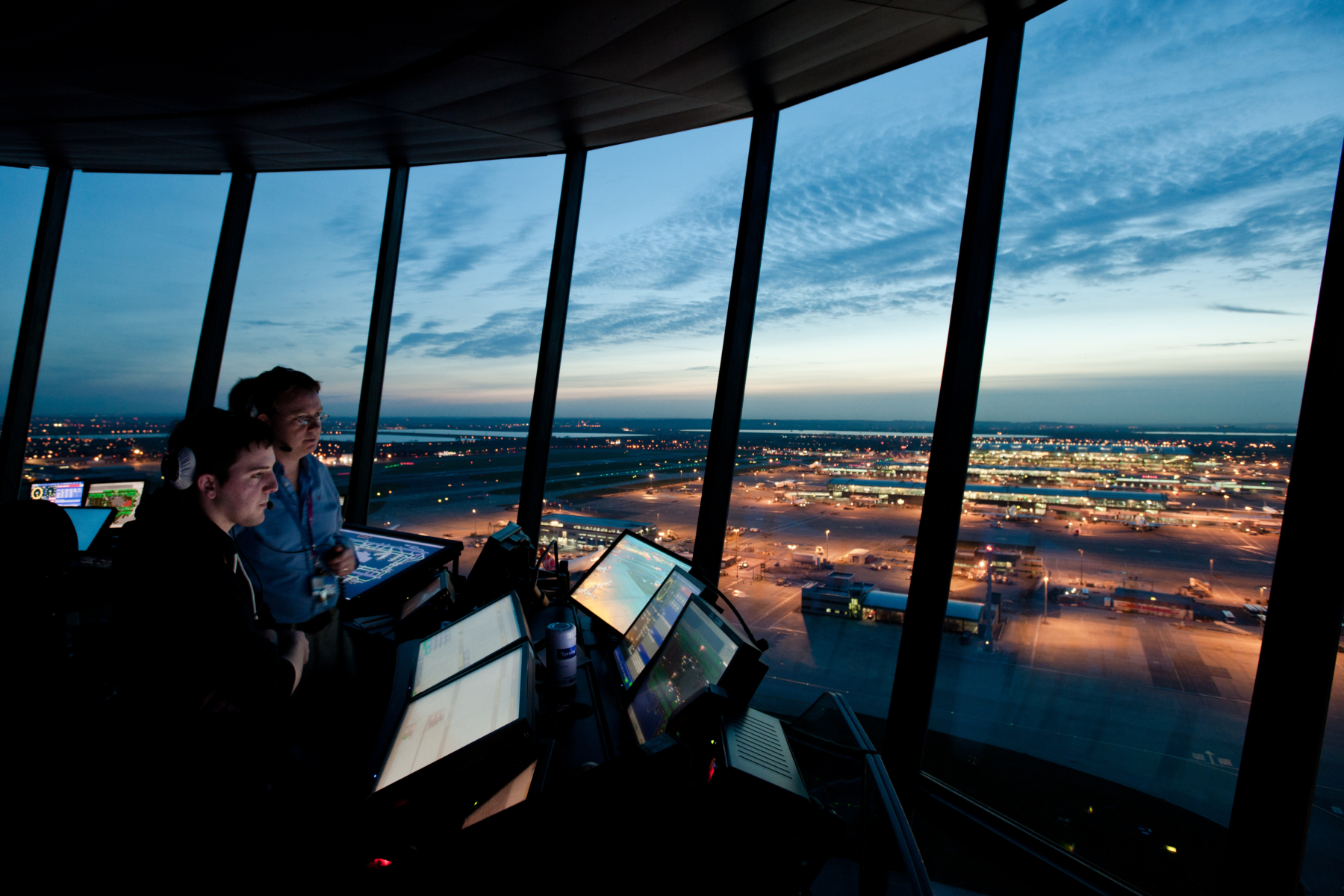
Photo: NATS
Scale of the disruption
The knock-on effects were substantial. Airlines cancelled thousands of flights, and many others faced lengthy delays as the reduced processing capacity limited how many aircraft could operate safely through UK-controlled airspace. Passengers at major hubs, including London Heathrow and London Gatwick, encountered long queues, missed connections, and overnight disruption.
Carriers operating short-haul European networks were among the hardest hit, as tight aircraft rotations left little room to absorb delays. Long-haul operators also faced difficulties as inbound flights were held at origin airports or diverted to alternative destinations.
How the fault was triggered
The NATS investigation found that the software defect was triggered by a specific and unusual combination of data conditions within the flight data processing system. Once triggered, the system followed its built-in safety protocols and disengaged automatically, transferring responsibility to backup procedures operated manually by controllers.
Engineers described the defect as latent, meaning it had existed within the software for some time without being detected. Because the specific combination of conditions required to trigger it was so rare, standard testing procedures had not previously identified the vulnerability.
NATS said it has now developed and deployed a fix to prevent the defect from recurring. The organization also stated that additional testing protocols are being introduced to identify similar latent defects in other parts of the flight data processing system.
Not linked to previous outages
One of the key findings in the report is that the incident bears no relationship to the August 2023 failure, which had also caused mass disruption across UK airspace. That earlier event was traced to a French airline's flight plan that contained ambiguous waypoint data, causing the primary and backup systems to fail in sequence.
By contrast, the recent failure was caused by an internal software defect rather than external data. NATS has emphasized this distinction to reassure the aviation industry that the lessons learned from the 2023 outage remain valid, and that the more recent incident represents a separate technical issue.
The Cockpit’s Next Revolution: When the Co-Pilot Is a Computer
Industry response
Airlines have expressed continued concern about the resilience of UK air traffic control infrastructure. Repeated failures, even when caused by different underlying issues, have raised questions about system redundancy and the ability of the network to handle unexpected faults without triggering widespread disruption.
Carriers have previously called for compensation frameworks that reflect the operational and financial burden they bear when air traffic control failures ground flights. Under current UK and European rules, airlines are generally responsible for passenger care and rerouting costs during air traffic control disruptions, even when the fault lies outside their control.
Industry groups have argued that this arrangement leaves airlines exposed to significant costs while providing limited incentive for infrastructure providers to invest in additional resilience measures.
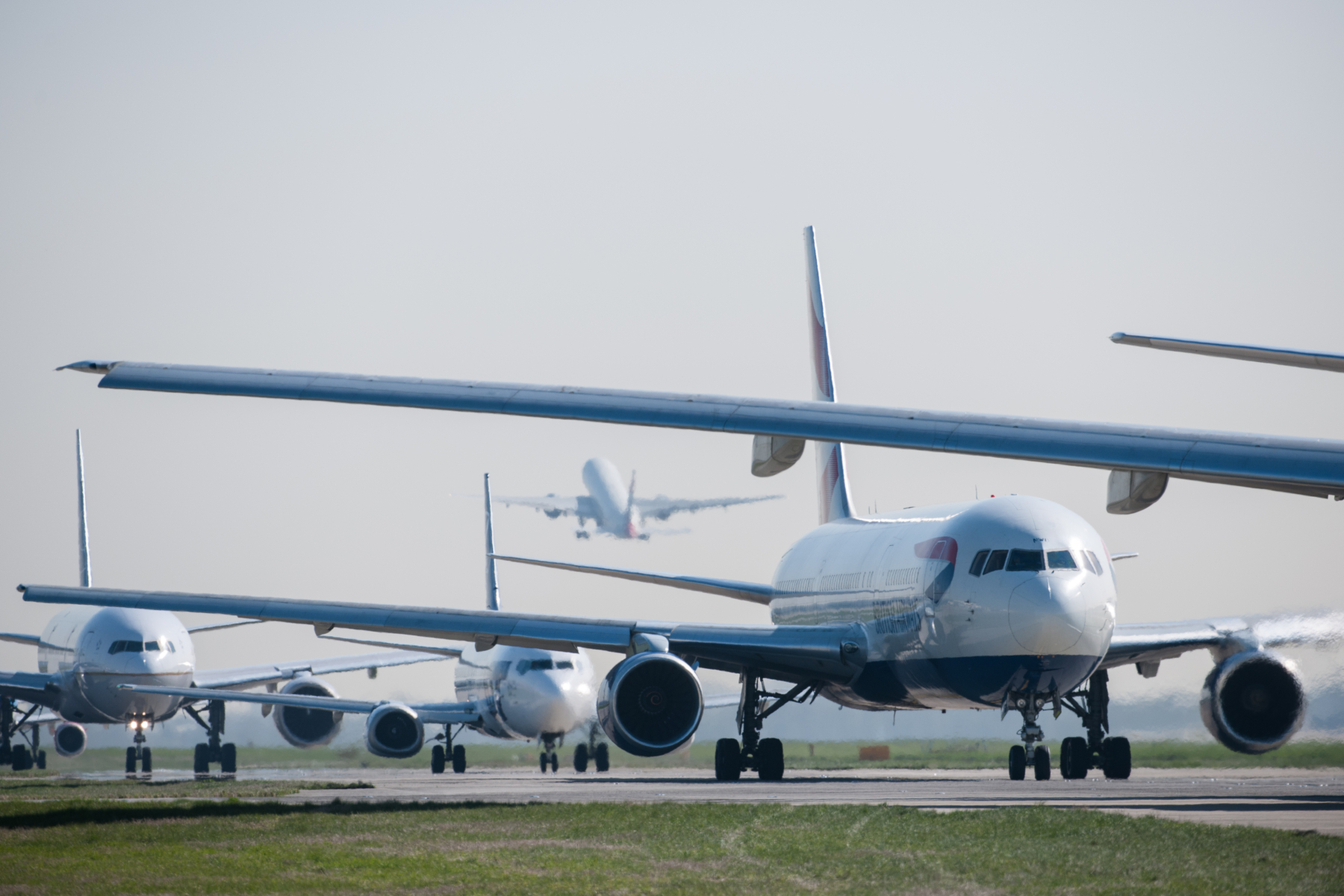
Photo: NATS
Regulatory scrutiny
The UK Civil Aviation Authority is expected to review the NATS report in detail as part of its ongoing oversight of air traffic services. The regulator has previously indicated that it expects NATS to demonstrate continuous improvement in system reliability, particularly in light of the disruption caused by the 2023 incident.
Any regulatory findings could influence how NATS is required to invest in future upgrades, testing protocols, and backup procedures. The organization is already engaged in a long-term program to modernize its flight data processing systems, though such projects typically take several years to complete.
What passengers should know
For passengers, the immediate implication is that airlines and airports are working through the aftermath of the disruption. Those affected by cancellations are entitled to rebooking or refunds under UK consumer protection rules, though compensation for delays caused by air traffic control failures is generally not available because such events are classified as extraordinary circumstances.
Travelers with upcoming journeys through UK airspace are advised to monitor their airline's communications and to allow additional time for potential knock-on effects as operations return to normal.
Looking ahead
The identification of the software defect provides a definitive answer to the question of what caused the disruption, but it also highlights the fragility of complex aviation systems. A fault lasting no longer than one millisecond was enough to force a fundamental change in how UK airspace was managed for hours, with consequences that rippled across the global aviation network.
NATS has stated that it is committed to applying the lessons learned from the incident, both through the specific fix deployed to address the defect and through broader improvements to its testing and resilience procedures. Whether these measures will be sufficient to prevent similar failures in the future remains a question that airlines, regulators, and passengers will be watching closely.
Major US Airlines Push Back Against Air China's Request for Additional US Flights » AirAsia Pushes Back on Collapse Rumors as Fuel Costs Squeeze Budget Airline » Etihad Airways Reveals New Cabin Designs for A330neo and A321LR Fleets »

Comments (0)
Add Your Comment
TAGS
NEWS UK Air Traffic Control Software Defect NATS Flight Cancellations Aviation Technology System Failure Air Traffic Management Aviation Infrastructure Aviation News IT FailureRECENTLY PUBLISHED
 AirAsia Pushes Back on Collapse Rumors as Fuel Costs Squeeze Budget Airline
AirAsia CEO Tony Fernandes denies the airline faces collapse, saying travel demand stays strong despite rising jet fuel prices pressuring margins.
NEWS
READ MORE »
AirAsia Pushes Back on Collapse Rumors as Fuel Costs Squeeze Budget Airline
AirAsia CEO Tony Fernandes denies the airline faces collapse, saying travel demand stays strong despite rising jet fuel prices pressuring margins.
NEWS
READ MORE »
 Delta Air Lines Moves to Claim Top Spot at LAX With New Routes and Expanded Schedule
Delta Air Lines plans its largest-ever schedule at Los Angeles International Airport, adding routes and premium seating to overtake rivals.
NEWS
READ MORE »
Delta Air Lines Moves to Claim Top Spot at LAX With New Routes and Expanded Schedule
Delta Air Lines plans its largest-ever schedule at Los Angeles International Airport, adding routes and premium seating to overtake rivals.
NEWS
READ MORE »
 Major US Airlines Push Back Against Air China's Request for Additional US Flights
American, Delta, and United join a US airline group opposing Air China's bid to add flights between China and the United States.
NEWS
READ MORE »
Major US Airlines Push Back Against Air China's Request for Additional US Flights
American, Delta, and United join a US airline group opposing Air China's bid to add flights between China and the United States.
NEWS
READ MORE »
More than just headlines.
Get unlimited ad-free access to in-depth aviation news, premium stories, and exclusive insights other sites don't cover.
- Ad-free browsing on AeroXplorer
- Unlimited access to premium and exclusive articles
- Higher photo upload limits & commissions on sales
- Free access to Jetstream Magazine on higher tiers
- Ad-free browsing
- Sell aviation photos with 60% commission
- First week free!
- Everything in Basic+
- Unlimited premium articles
- Sell aviation photos with 70% commission
- Free Digital subscription to Jetstream Magazine
- First week free!
- Everything in Basic+ and Pro
- Sell aviaiton photos with 80% commission
- Early access to exclusive stories
- Free Digital+Print subscription to Jetstream Magazine