
On October 11, the FAA told US airlines to exercise caution when flying to or over Saudi Arabia, citing military activity and GNSS interference. The second half of that phrase used to sound like a niche technical worry. It doesn't anymore. Jamming and spoofing of satellite navigation signals have spread across several regions, and EASA now describes them as growing in both severity and sophistication.
Jamming and Spoofing Are Not the Same Thing
Jamming drowns out satellite signals so a receiver can't fix its position. A crew notices quickly. Spoofing is subtler because fake signals feed the receiver an incorrect position, and the equipment keeps working as if nothing happened.
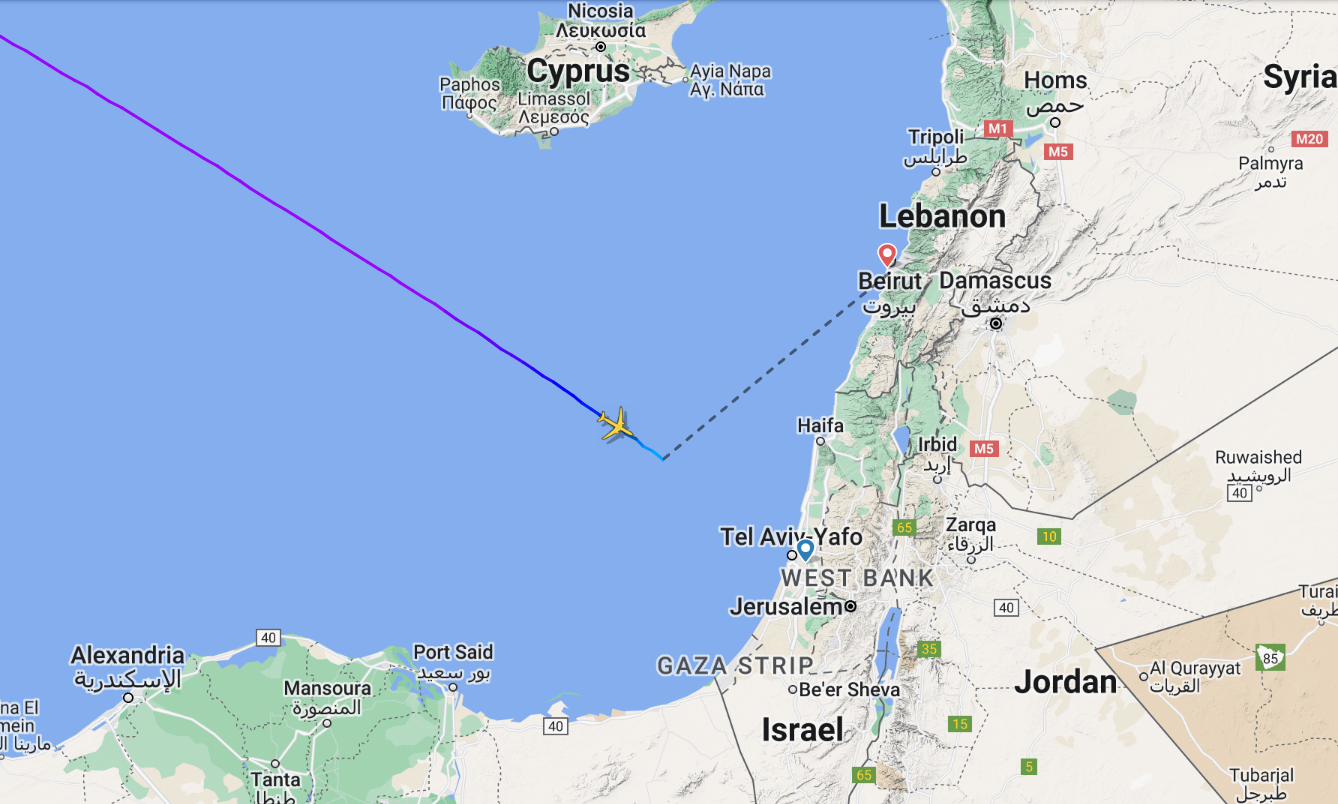
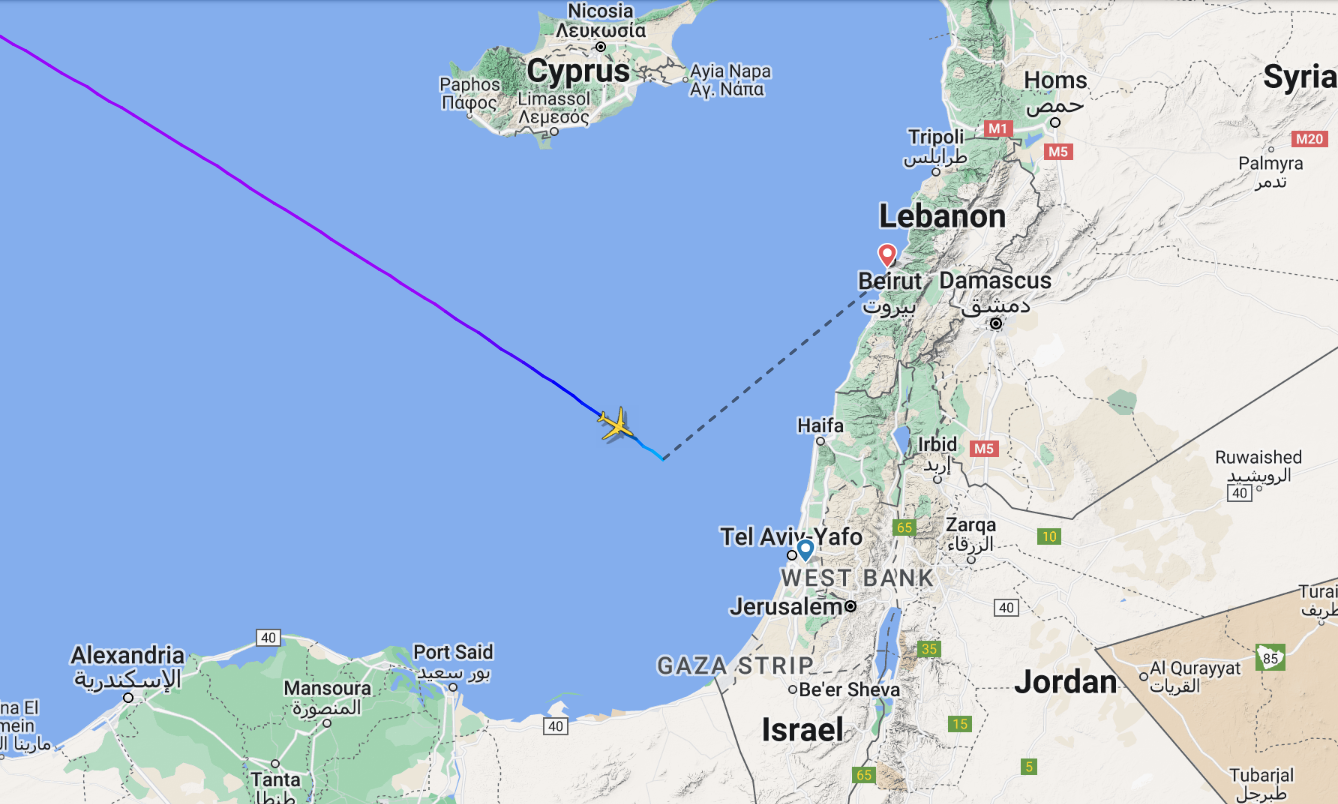
EASA lists the warning signs as navigation position discrepancies, odd gaps between ground speed and true airspeed, time shifts, false terrain warnings, and errors in systems that blend GPS with inertial data. GNSS researcher Todd Humphreys told IEEE Spectrum that in the eastern Mediterranean, aircraft can appear to be at Beirut or Cairo while hundreds of kilometers away.
How Widespread Interference Has Become
EASA's bulletin, revised for the fourth time on July 3, says interference has risen since 2022 around the Mediterranean, Black Sea, Middle East, Baltic Sea and Arctic. The agency also publishes a rolling ranking of affected flight information regions built from aircraft reports and ADS-B data. In its latest seven-day list, Ankara, Warsaw, Bucharest, Sofia and Vilnius took the top five spots, with Jeddah sixth. South Asia isn't exempt either. Lahore ranked tenth and Delhi nineteenth, with spoofing flagged for Delhi.
IATA reports that GPS signal-loss events rose 220% between 2021 and 2024, and EUROCONTROL estimates that up to 38% of European en-route traffic passes through regions regularly affected by radio interference.
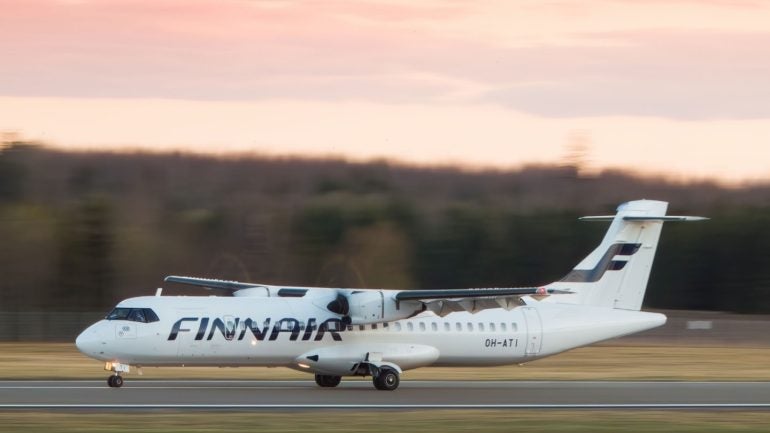
The operational effects are documented. Finnair temporarily suspended flights to Tartu in 2024 after interference kept two aircraft from completing approaches, and a Ryanair flight bound for Vilnius diverted to Warsaw in January 2025. Pilots reported more than 800 interference cases around Vilnius in the last three months of 2024, compared with 124 a year earlier, according to Reuters.
When Interference Meets a Conflict Zone
The Saudi notice shows how the problem stacks with others. The FAA's NOTAM, in effect through December 10, advises operators to use caution in the Jeddah flight information region. It is an advisory, not a prohibition, so each operator still decides whether to fly. It followed Houthi strikes on Riyadh's King Khalid International Airport that killed at least a dozen people. Delta has since deferred its planned Atlanta-Riyadh launch to March 2027, and Riyadh Air has moved new 787s away from the capital.
Interference can also compound other hazards. The FAA's own GNSS resource guide cites Azerbaijan Airlines Flight 8243 as an example. In the FAA's account, the crew met jamming and then spoofing near Grozny and tried two non-GPS approaches in deteriorating weather. The aircraft was struck by a missile while leaving the area and crashed during an emergency landing at Aktau, killing 38.
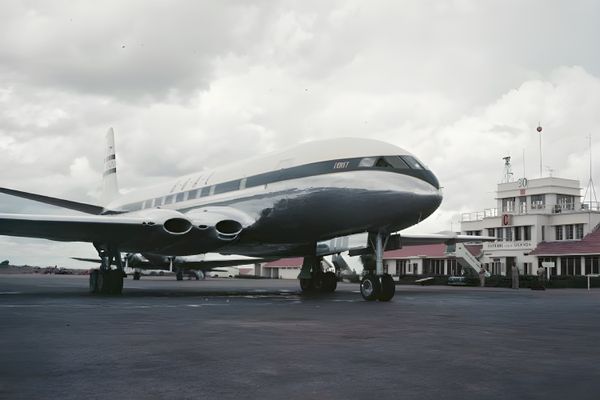
The Shape of Disaster: The Plane That Kept Falling Apart Mid-Air
How Airlines and Regulators Are Responding
EASA's latest bulletin asks navigation providers to keep ILS, DME and VOR ground aids running so crews have a fallback when satellite signals fail. It also calls for non-GNSS procedures, crew training that includes jamming and spoofing scenarios, and, per Geoawesome, clearer pilot-controller phraseology and near-real-time interference maps on cockpit tablets.
The reporting rules show how large the problem has become. EASA's network of safety analysts now says operators needn't report jamming that did not affect flight safety, partly because the volume has become a burden and ADS-B data gives better trend information. Spoofing is different. Every event should be reported, including map shifts, false terrain alerts that trigger uncoordinated high-rate climbs, diversions, missed approaches and the need for radar vectors.
Guidance only goes so far, and critics say so. Navigation policy expert Dana Goward has argued that many EASA and IATA recommendations remain general, and none of them stops the interference at its source.
Why It Matters
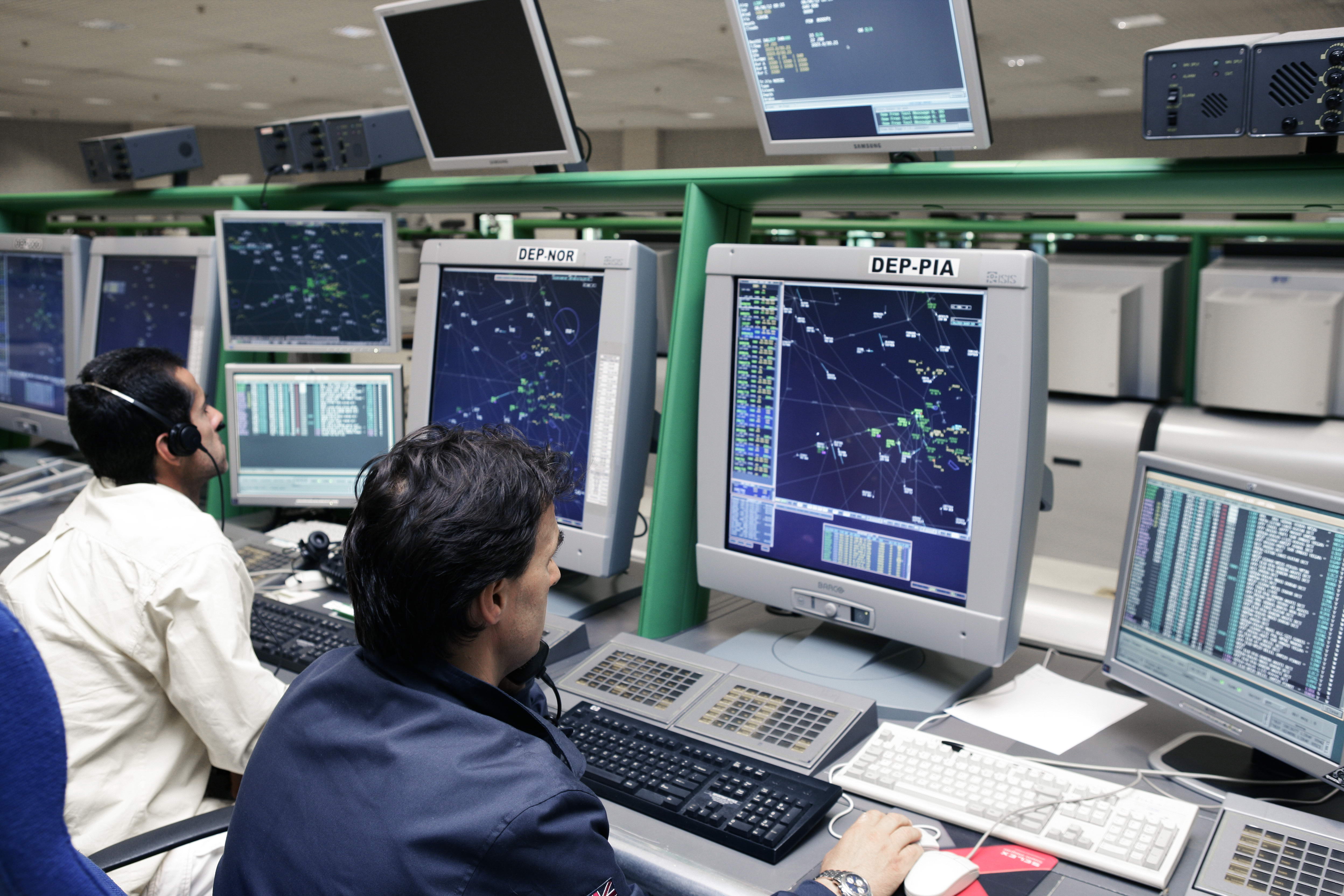
For passengers, the likely effect is more radar vectors, longer approaches and the occasional diversion, not a sudden inability to navigate. Airliners blend satellite signals with inertial systems, ground navigation aids, radar and air traffic control. Losing one layer raises workload and can make some approaches unavailable.
For airlines, the costs show up in training, procedures and continued reliance on conventional aids that EASA wants kept running. Geoawesome's analysis argues interference is becoming a normal part of operating conditions, and EASA's ranking, which keeps adding regions, points the same way.
Why Did Some Air India A320s Have Extra Wheels? Bogie Gear Explained » Riyadh Air Relocates New Boeing 787 Dreamliners Away From Capital Amid Houthi Missile Threat » Southwest Overhauls Rapid Rewards and How it Affects You »

Comments (0)
Add Your Comment
TAGS
INFORMATIONAL GPS Jamming GPS Spoofing GNSS Interference Aviation Safety Airline Safety Flight Navigation GPS Signal Interference EASA FAA IATA EUROCONTROL Air Traffic Management Flight Diversions Cockpit Technology Satellite Navigation Middle East Aviation Flight Safety Risks Aviation News Aircraft Navigation Airspace SecurityRECENTLY PUBLISHED
 Who Is Accountable When an AI Air Traffic Tool Gets It Wrong?
Who is liable when an AI air traffic control tool gets it wrong? The FAA’s SMART system faces scrutiny over safety testing, controller oversight, and legal accountability as lawmakers question its use in U.S. airspace.
INFORMATIONAL
READ MORE »
Who Is Accountable When an AI Air Traffic Tool Gets It Wrong?
Who is liable when an AI air traffic control tool gets it wrong? The FAA’s SMART system faces scrutiny over safety testing, controller oversight, and legal accountability as lawmakers question its use in U.S. airspace.
INFORMATIONAL
READ MORE »
 American Airlines 737 Diverts to Chicago O'Hare After Suspected Cabin Fire
An American Airlines Boeing 737 made an emergency landing at Chicago O'Hare after crew reported a suspected fire inside the cabin.
NEWS
READ MORE »
American Airlines 737 Diverts to Chicago O'Hare After Suspected Cabin Fire
An American Airlines Boeing 737 made an emergency landing at Chicago O'Hare after crew reported a suspected fire inside the cabin.
NEWS
READ MORE »
 FAA Nears Final Approval of Boeing 737 MAX 10 as Certification Review Concludes
The FAA has completed its final review of the Boeing 737 MAX 10, with certification expected as soon as next week after years of delays.
NEWS
READ MORE »
FAA Nears Final Approval of Boeing 737 MAX 10 as Certification Review Concludes
The FAA has completed its final review of the Boeing 737 MAX 10, with certification expected as soon as next week after years of delays.
NEWS
READ MORE »
More than just headlines.
Get unlimited ad-free access to in-depth aviation news, premium stories, and exclusive insights other sites don't cover.
- Ad-free browsing on AeroXplorer
- Unlimited access to premium and exclusive articles
- Higher photo upload limits & commissions on sales
- Free access to Jetstream Magazine on higher tiers
- Ad-free browsing
- Sell aviation photos with 60% commission
- First week free!
- Everything in Basic+
- Unlimited premium articles
- Sell aviation photos with 70% commission
- Free Digital subscription to Jetstream Magazine
- First week free!
- Everything in Basic+ and Pro
- Sell aviaiton photos with 80% commission
- Early access to exclusive stories
- Free Digital+Print subscription to Jetstream Magazine