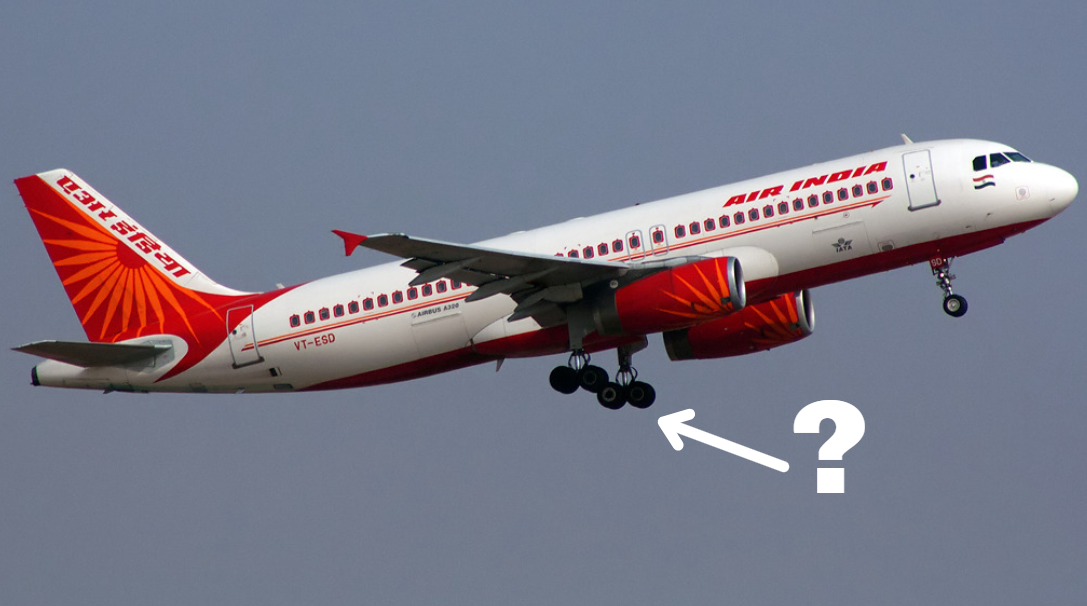
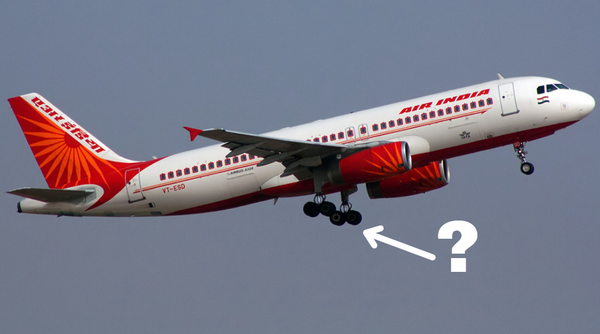
Look closely at the main landing gear of an Airbus A320 and you will almost always find two wheels on each side. Look closely at certain Indian A320s from the 1990s and you will find four. It was not a repair, a one-off experiment or a quirk of a single airframe. It was a deliberate Airbus configuration, built into a whole batch of aircraft to solve a problem that had little to do with the aircraft itself.
A Fleet, Not a Single Aircraft
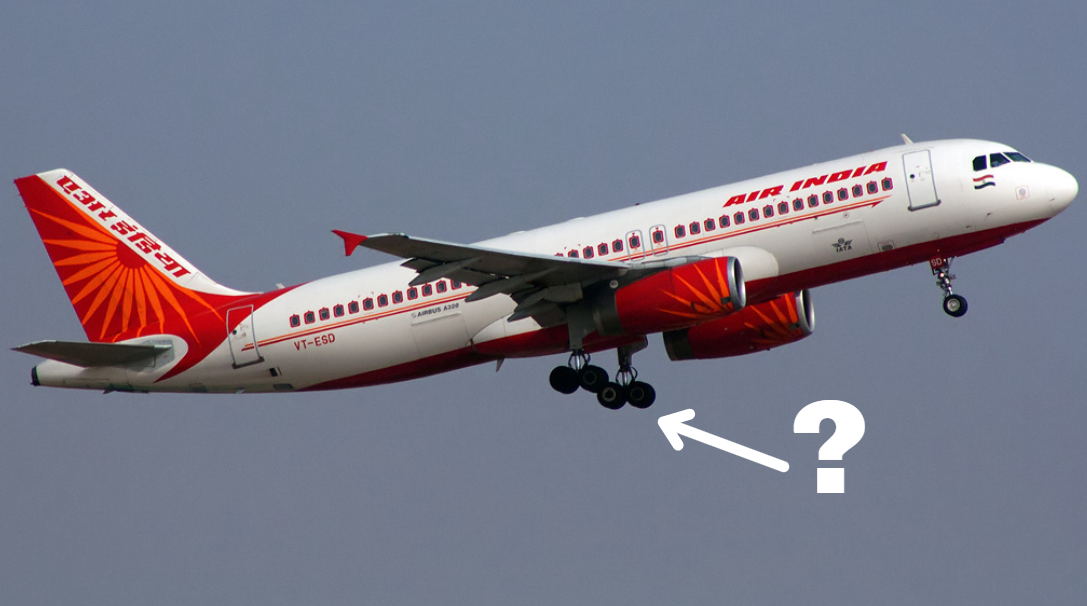
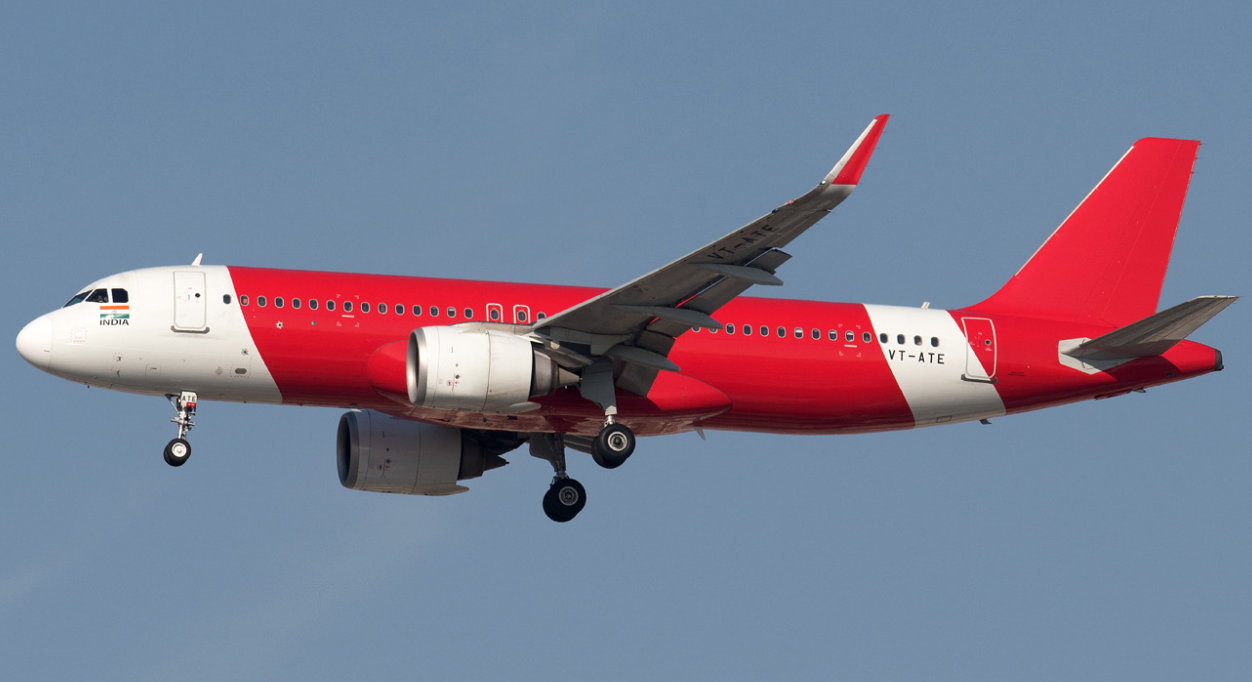
Because the sight is so rare, it is easy to assume only one jet ever carried this setup. In reality, between June 1989 and December 1994, a total of 31 A320s were delivered with four-wheel bogies on each main gear leg. They were ordered by Indian Airlines, which later merged into Air India in 2007, and that is why they are so often described as Air India aircraft today.
What Bogie Gear Is, and What a Standard A320 Uses
A bogie is the frame that groups several wheels together on a single landing gear leg, so the aircraft's weight is shared between them instead of resting on one wheel. When people talk about bogie gear, this is the arrangement they mean. A bogie can carry two wheels, four, six or more, depending on how heavy the aircraft is.
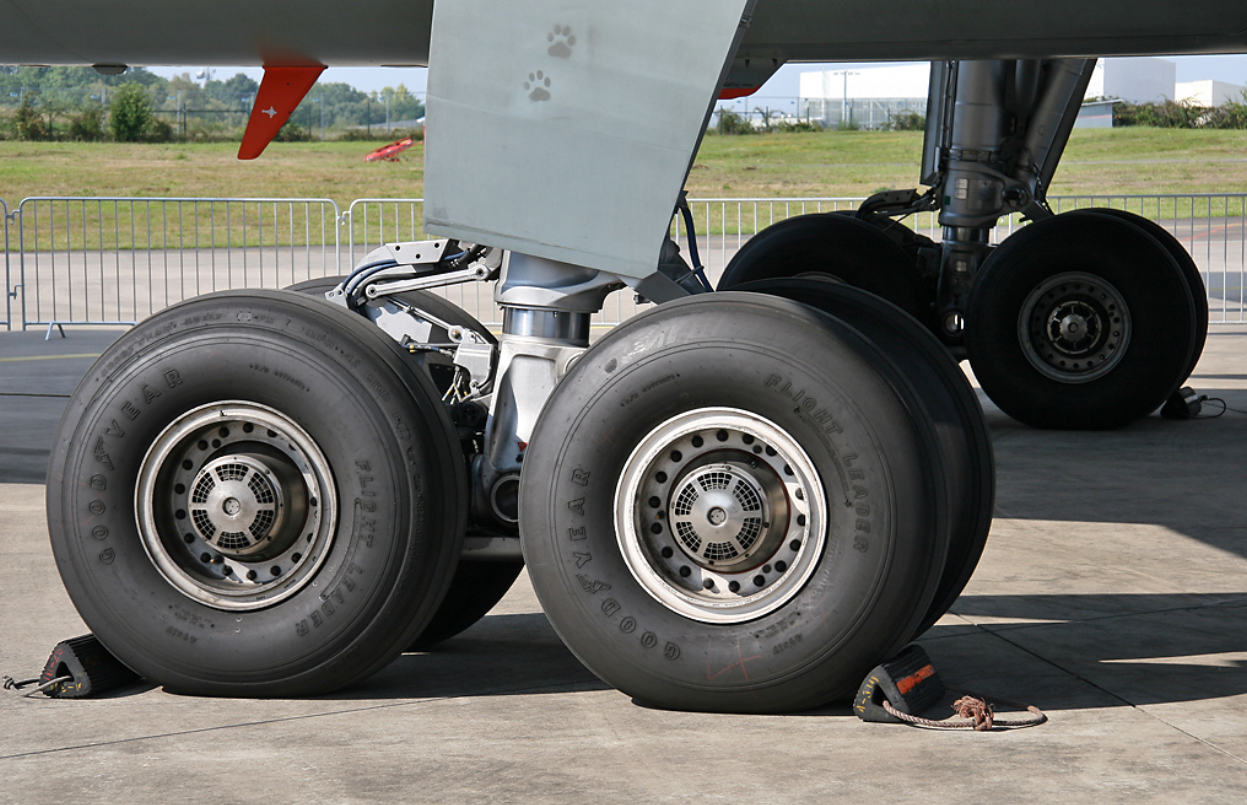
The normal A320 relies on a two-wheel bogie under each main gear leg, which is more than adequate for a maximum takeoff weight of around 78 tons. The Indian Airlines version replaced it with a four-wheel bogie on each leg, which is where the extra wheels came from. Most similarly sized narrowbodies follow the same layout. Extra wheels are usually reserved for widebodies, which are far heavier. The Boeing 777, for example, carries six wheels on each side.
The Real Problem Was the Runway
The reason for the change sat beneath the aircraft. Every runway has a pavement classification number, a figure describing how much load its surface can handle. Some Indian runways carried a lower rating than a standard A320 could comfortably operate from, which meant the aircraft's weight needed to be spread across more wheels rather than concentrated through two on each side.
How Extra Wheels Solve It
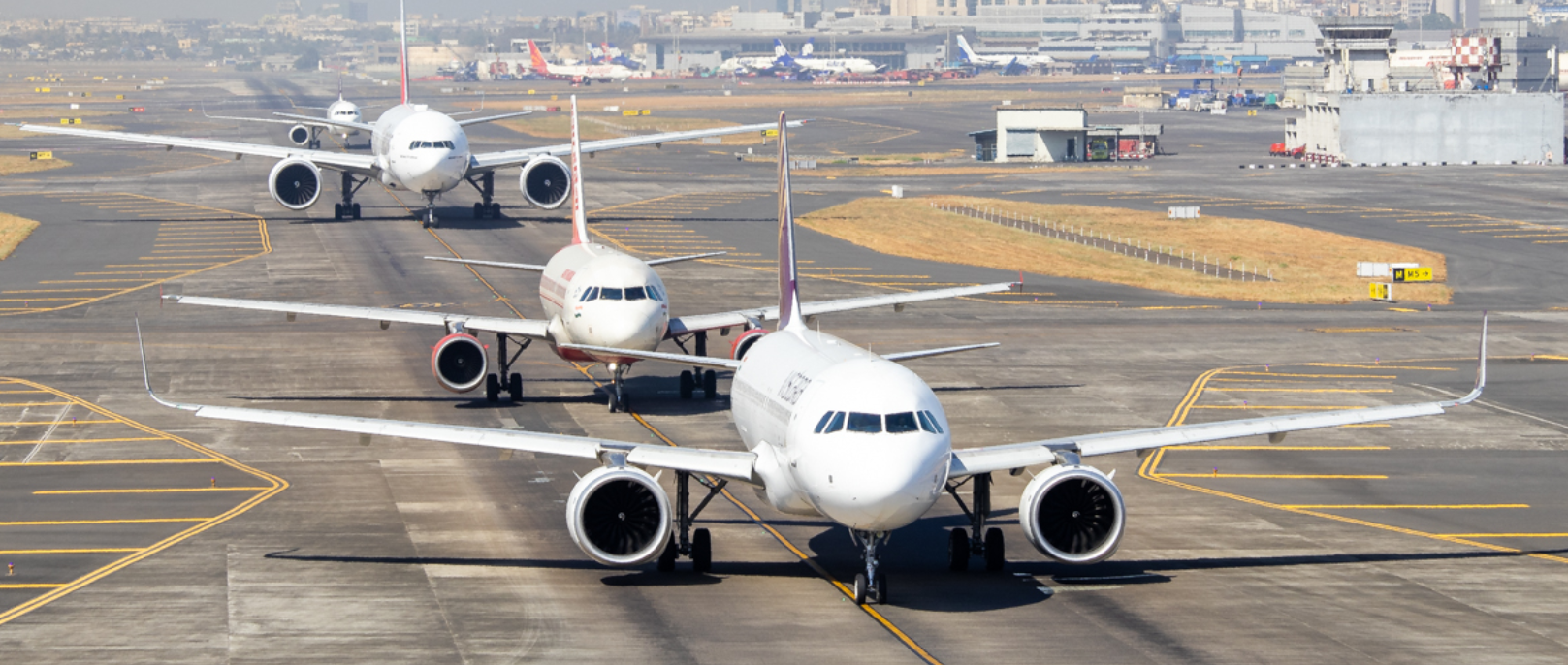
The principle is simple. The main gear carries most of an aircraft's weight, and the more wheels that share it, the less force each one presses into the surface. Doubling the number of wheels on each leg reduces the stress on the pavement without making significant changes to the aircraft's weight. For an airline flying a single type to dozens of airports with uneven runway quality, that flexibility was valuable. It allowed the A320 to be used across the Indian network rather than being limited to the best-surfaced airports.
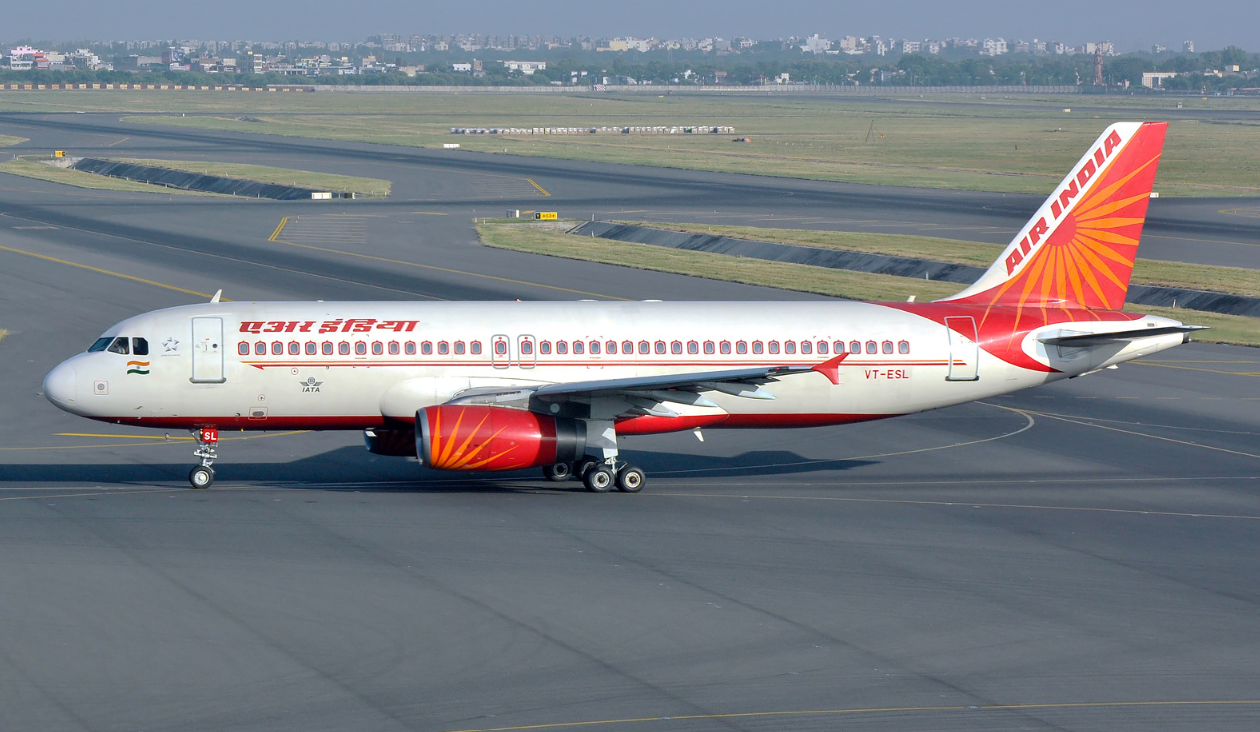
The trade-off was equally clear. Additional wheels, brakes and structure naturally add weight and cost, which helps explain why this remained a tailored solution for one operator's conditions rather than a mainstream Airbus option.
The Gear Outlasted the Problem
Over time, Indian airport infrastructure improved, and later A320s no longer needed the extra wheels. Air India's newer A320 family aircraft use the normal two-wheel arrangement. The earlier jets, however, simply kept the gear they were built with. The last of them left airline service in 2019, giving the configuration a working life of roughly 30 years.
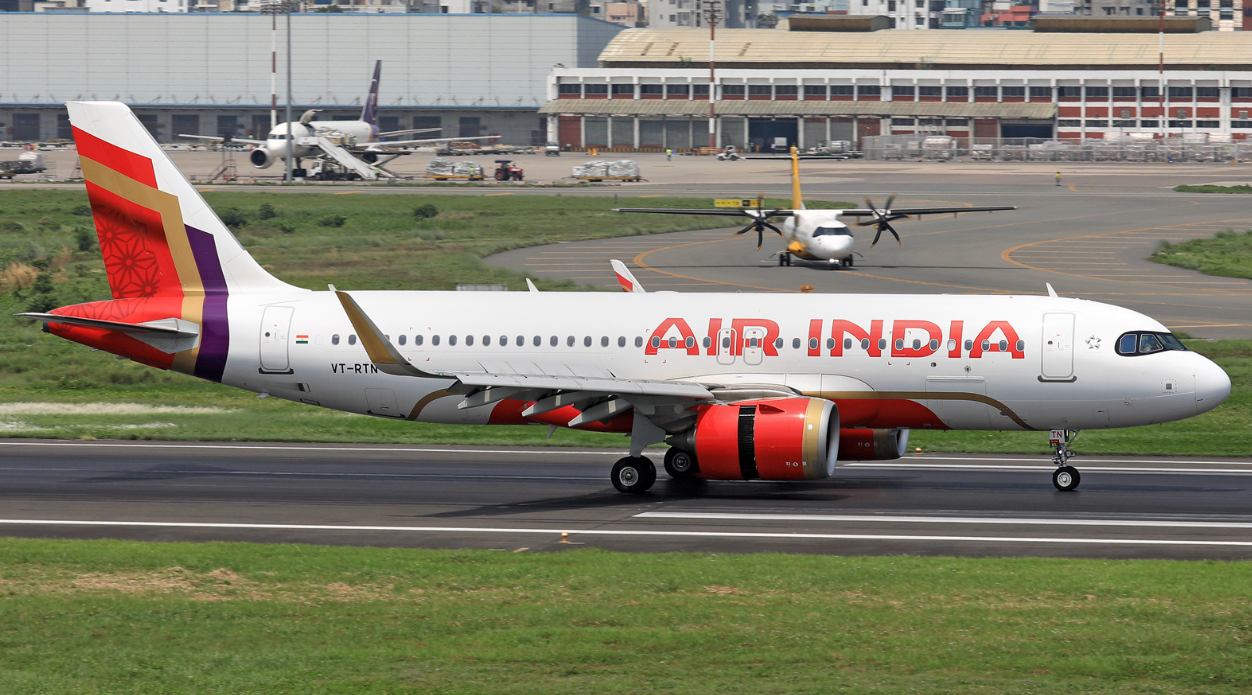
For passengers, the difference was almost invisible. The cabin, the seats and the flight itself felt the same as on any other A320, and most travelers boarded without ever glancing at the wheels. Only the ground crews, pilots and a few aviation enthusiasts paid attention to what sat underneath.

How AI Quietly Became the Backbone of Today’s Aviation Industry
Why It Still Matters
The story is a useful reminder that aircraft are shaped by the ground they land on as much as by the air they fly through. A pair of extra wheels never changed how the A320 flew, yet it decided where the aircraft could go.
For a country with a wide spread of airports and runway conditions, that made a small piece of landing gear a big operational advantage, and it left behind one of the more unusual sights in A320 history.
Power Bank Fire in Overhead Bin Forces IndiGo A321neo to Divert » Joby Aviation to Pay $116.9 Million in Trade Secrets Case » Army Report Points to Systemic Failures in Deadly Black Hawk Collision Near Reagan National »
Comments (0)
Add Your Comment
TAGS
INFORMATIONAL Airbus Air India Indian Airlines A320 Airbus A320 Landing Gear Bogie Gear RunwaysRECENTLY PUBLISHED
 NetJets Expands US Footprint With Three New Private Terminals and Larger Palm Beach Facility
NetJets announces exclusive-use terminals in Dallas, Washington, and Palm Beach, expanding private aviation infrastructure across key US markets.
NEWS
READ MORE »
NetJets Expands US Footprint With Three New Private Terminals and Larger Palm Beach Facility
NetJets announces exclusive-use terminals in Dallas, Washington, and Palm Beach, expanding private aviation infrastructure across key US markets.
NEWS
READ MORE »
 Army Report Points to Systemic Failures in Deadly Black Hawk Collision Near Reagan National
A new Army report identifies systemic failures behind the January collision between a UH-60L Black Hawk and American Airlines Flight 5342 near Washington.
NEWS
READ MORE »
Army Report Points to Systemic Failures in Deadly Black Hawk Collision Near Reagan National
A new Army report identifies systemic failures behind the January collision between a UH-60L Black Hawk and American Airlines Flight 5342 near Washington.
NEWS
READ MORE »
 Heathrow Cites Airline Demand for Slots as Third Runway Review Continues
Heathrow says more than 40 airlines want slots at the UK hub, strengthening the case for a third runway as Parliament reviews expansion plans.
NEWS
READ MORE »
Heathrow Cites Airline Demand for Slots as Third Runway Review Continues
Heathrow says more than 40 airlines want slots at the UK hub, strengthening the case for a third runway as Parliament reviews expansion plans.
NEWS
READ MORE »
More than just headlines.
Get unlimited ad-free access to in-depth aviation news, premium stories, and exclusive insights other sites don't cover.
- Ad-free browsing on AeroXplorer
- Unlimited access to premium and exclusive articles
- Higher photo upload limits & commissions on sales
- Free access to Jetstream Magazine on higher tiers
- Ad-free browsing
- Sell aviation photos with 60% commission
- First week free!
- Everything in Basic+
- Unlimited premium articles
- Sell aviation photos with 70% commission
- Free Digital subscription to Jetstream Magazine
- First week free!
- Everything in Basic+ and Pro
- Sell aviaiton photos with 80% commission
- Early access to exclusive stories
- Free Digital+Print subscription to Jetstream Magazine