
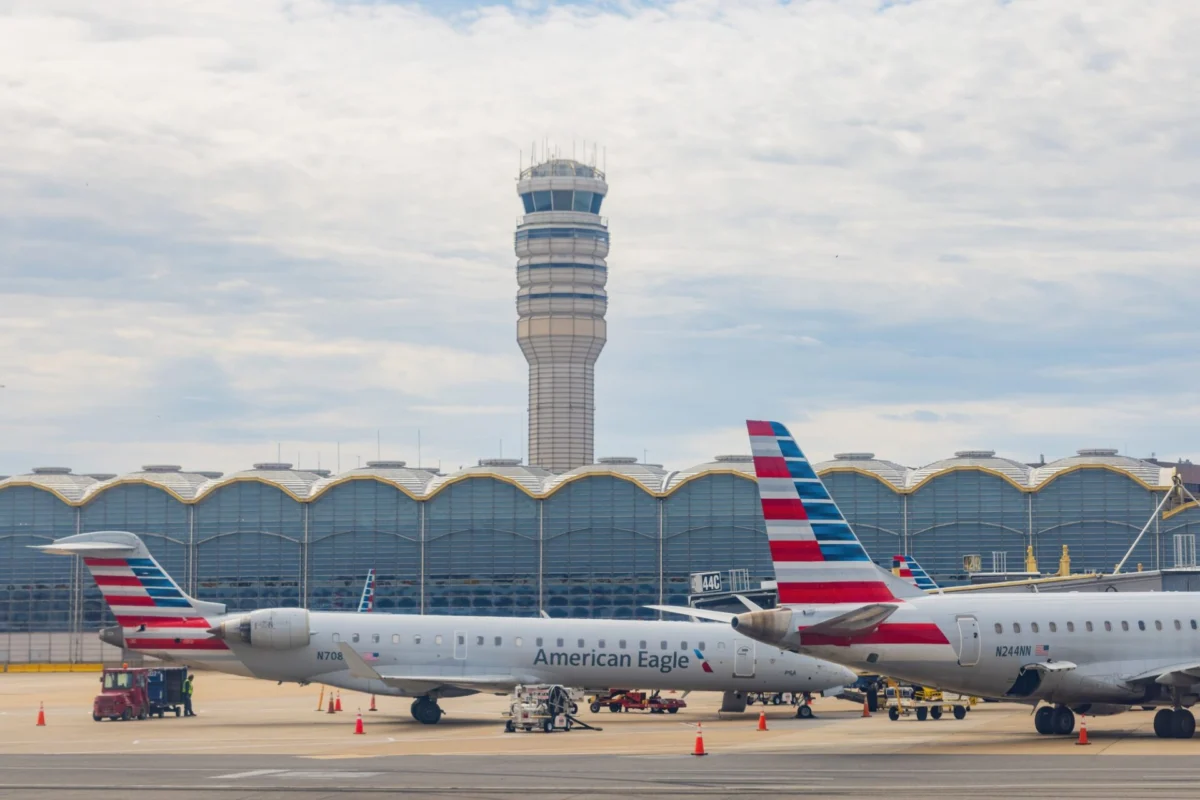

On September 21, the FAA began using an AI-supported system to help manage traffic around Washington, DC. Three weeks later, more than two dozen lawmakers are asking the agency to pause it. Their central question isn't about the technology itself. It's about blame. If a recommendation from the system contributes to an incident, who answers for it? The FAA says people make the final call, but aviation's accountability rules were written for human decisions, and that's where this fight is headed.
What the FAA's SMART System Actually Does
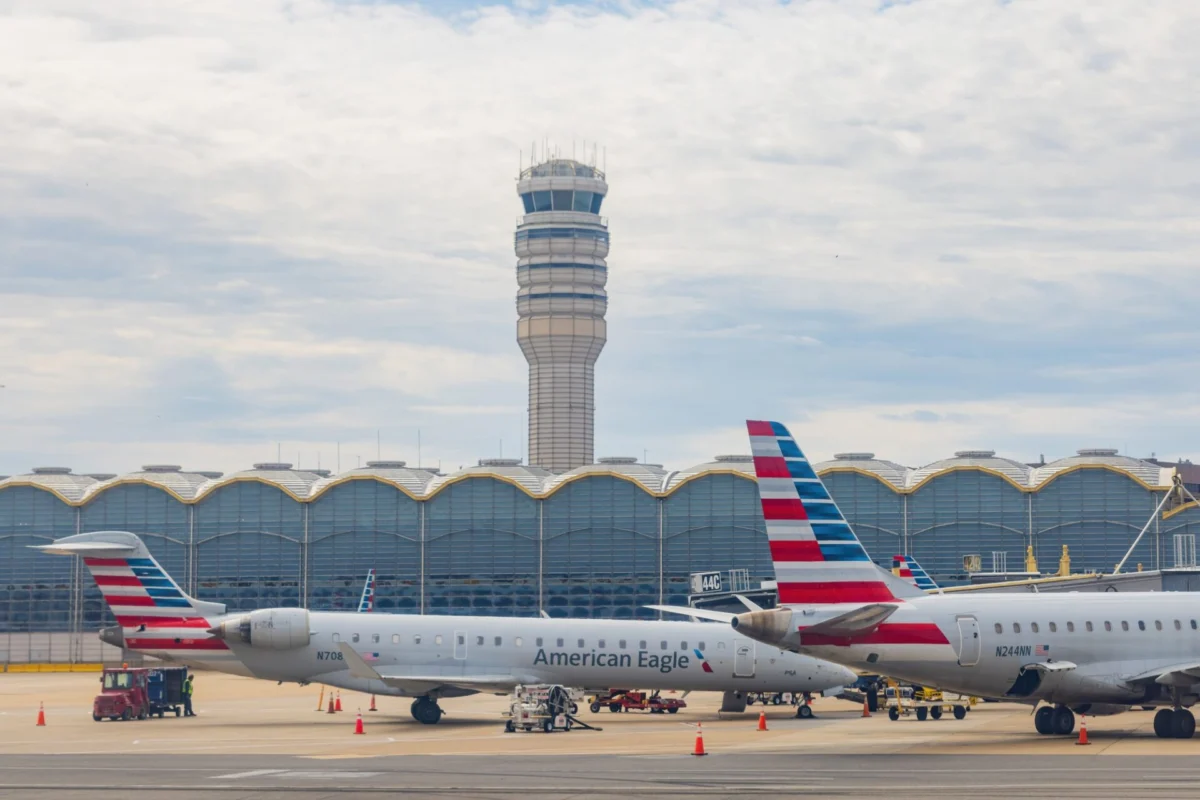
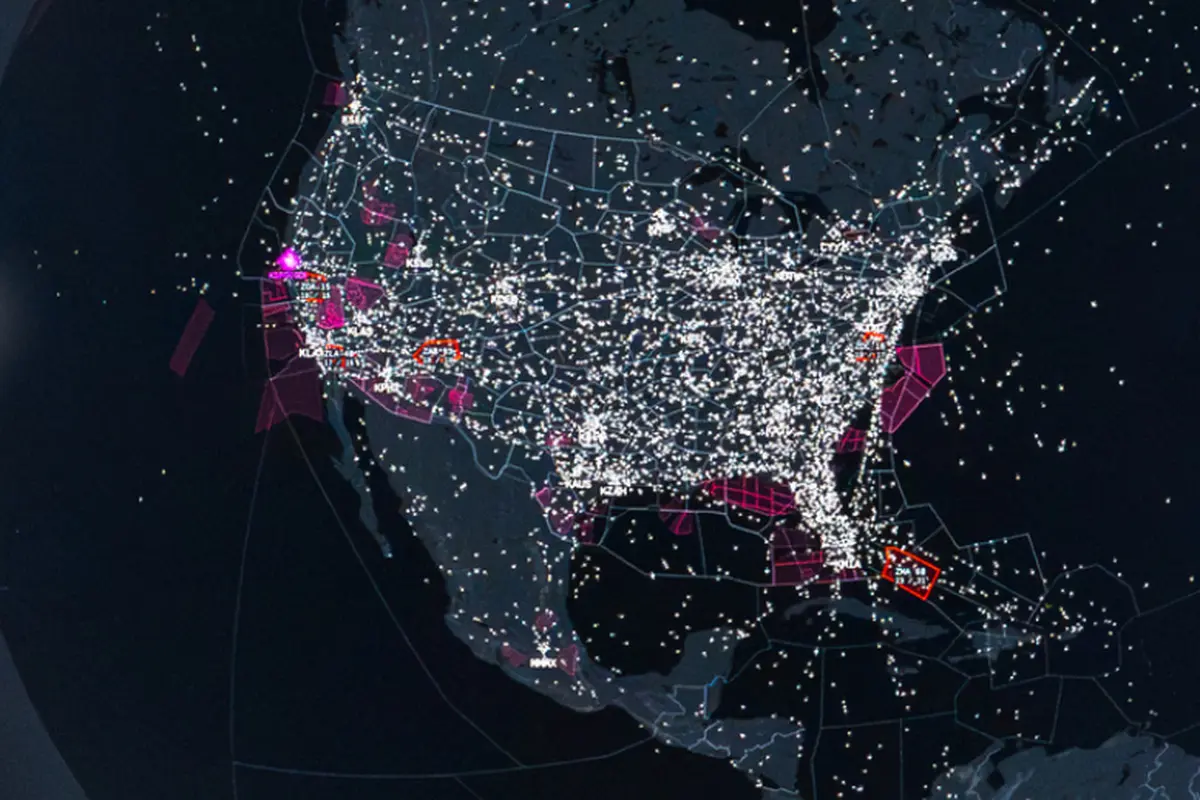
SMART stands for Strategic Management of Airspace, Routes and Trajectories. The Transportation Department says it combines about 200 data streams, including weather, flight paths, traffic flow, and controller staffing, to spot congestion before it builds up. The stated goal is to anticipate bottlenecks and cut delays. It recommends scheduling changes to FAA staff, and local air traffic managers can accept or reject its suggestions. It doesn't control aircraft or replace controllers. Transportation Secretary Sean Duffy has called it essentially "dumb AI" and stressed that controllers stay in charge.
Air Space Intelligence is building SMART under an FAA contract worth up to $875.9 million, which it won in June. The contract also covers a second system that balances flight demand against capacity. The FAA plans to expand SMART beyond Washington over time.
Why "A Human Decides" Doesn't End the Debate
If this structure sounds familiar, it's the same one behind Cathay Pacific's contrail tool, where a dispatcher reviews the AI's prediction before it reaches a pilot. Lawmakers aren't convinced that a person at the end of the chain settles things. Their October 9 letter asked about safety testing, performance in severe weather or equipment outages, and controller training. Rep. April McClain Delaney wants the FAA to explain who is accountable when something goes wrong.
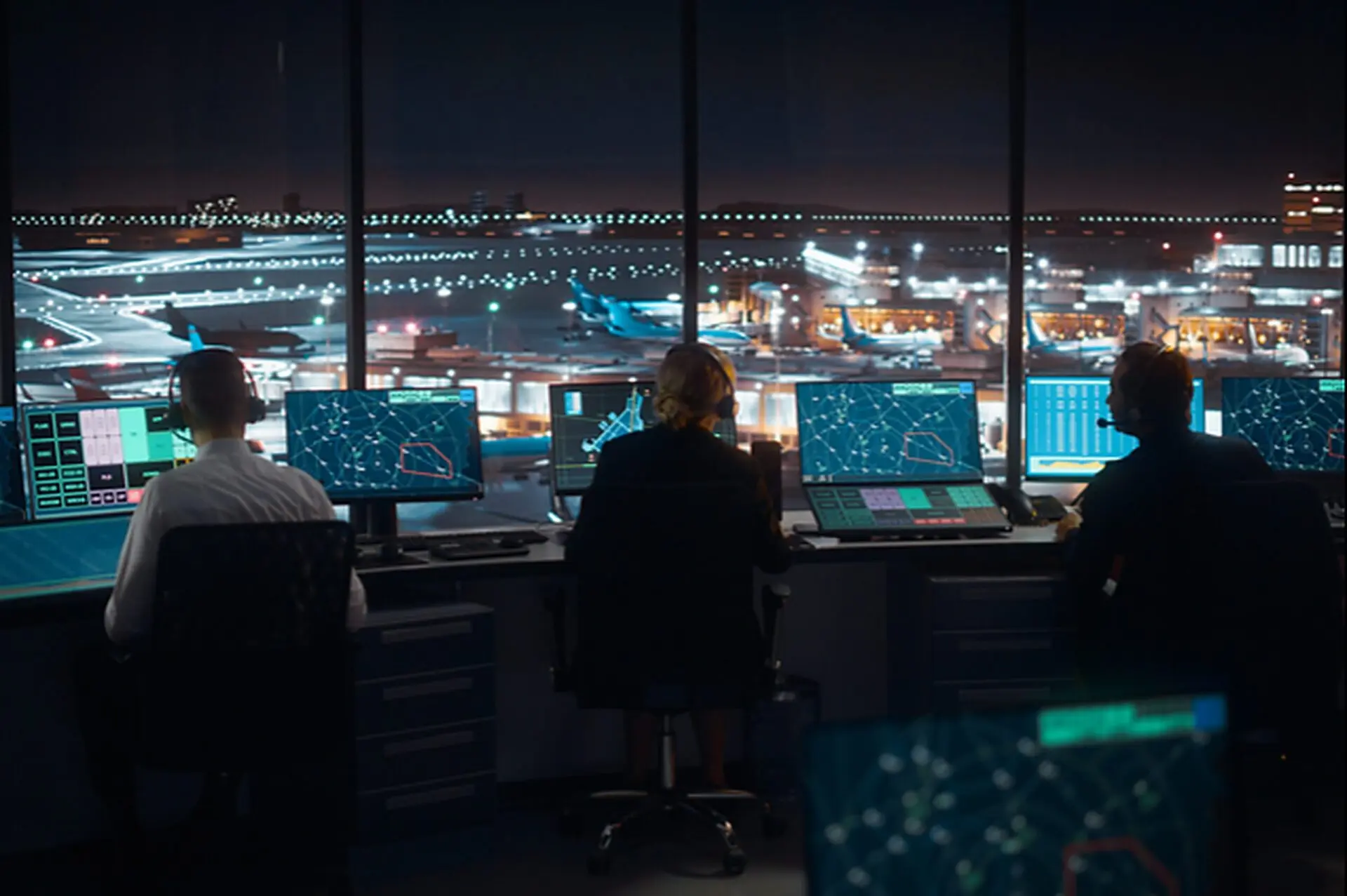
The controllers' union has its own complaint. NATCA told Nextgov it hasn't been involved in the design, testing, or implementation of SMART. The open question is whether a recommendation arriving in a busy facility can steer a decision even when a person technically makes it.
How Liability Works
Today's framework assumes human error. After the January 2025 midair collision near Reagan National that killed 67 people, victims' families sued, and their claims against the government ran through the Federal Tort Claims Act. In December 2025, the Justice Department admitted that a tower controller did not comply with an FAA order on visual separation, while denying other allegations.
Whatever one thinks of that case, the legal question was concrete. Did a person follow a rule? With an AI recommendation in the loop, it gets harder to frame. The output could have been wrong, the person could have misjudged it, or the system's design could have set up the error. Lawmakers are asking the FAA to spell out how responsibility would be assigned.
Where an AI Vendor Fits In
A private vendor can also be sued, and that's where the contractor defense comes in. Under the Boyle doctrine, a government contractor can be shielded if it built to specifications the government reasonably precisely approved, delivered a product that conformed, and warned of dangers the government didn't know about. The Supreme Court tied the doctrine to the FTCA's discretionary function exception, as a Congressional Research Service overview explains. It grew out of military equipment cases, and whether it would protect a vendor of civilian air traffic software is unclear.
There's a further wrinkle. Politico reported on October 15 that the FAA is negotiating a deal for the right to buy shares in Air Space Intelligence, with preliminary terms that expire at the end of 2026. It's unclear whether a deal is close. AeroTime calls an ownership role in one of its own contractors an unusual step for the agency, and it adds another layer to a question lawmakers are already pressing.
What the FAA Still Has to Answer
Lawmakers asked for details on the 90-day initial evaluation, the standards required before wider rollout, and how responsibility would be assigned. They wanted answers by October 19. As of mid-October, the FAA hadn't announced a suspension.
The Cockpit’s Next Revolution: When the Co-Pilot Is a Computer
Why It Matters
The FAA says SMART only recommends and that controllers keep the final call. But the same shift is running through the whole industry.
Airlines are letting software shape overbooking and crew decisions, and one law firm's 2026 outlook expects plaintiffs to frame AI-related claims as product liability or design-defect cases rather than traditional negligence. Air traffic control is the highest-stakes version of that question, and how the FAA answers lawmakers could shape how the rest of aviation answers it.
Heathrow Cites Airline Demand for Slots as Third Runway Review Continues » FlyUSA Opens 50,000-Square-Foot Owner-Exclusive Hangar and Lounge at Tampa International Airport » American Airlines 737 Diverts to Chicago O'Hare After Suspected Cabin Fire »

Comments (0)
Add Your Comment
TAGS
INFORMATIONAL FAA AI in Aviation Artificial Intelligence SMART System Air Traffic Control FAA SMART AI Air Traffic Control Aviation Safety Air Traffic Management Air Space Intelligence FAA Regulations AI Liability Aviation Law Air Traffic Controllers ATC Technology Aviation Technology Government Contractors Reagan National Airport Airspace Management Aviation IndustryRECENTLY PUBLISHED
 American Airlines 737 Diverts to Chicago O'Hare After Suspected Cabin Fire
An American Airlines Boeing 737 made an emergency landing at Chicago O'Hare after crew reported a suspected fire inside the cabin.
NEWS
READ MORE »
American Airlines 737 Diverts to Chicago O'Hare After Suspected Cabin Fire
An American Airlines Boeing 737 made an emergency landing at Chicago O'Hare after crew reported a suspected fire inside the cabin.
NEWS
READ MORE »
 FAA Nears Final Approval of Boeing 737 MAX 10 as Certification Review Concludes
The FAA has completed its final review of the Boeing 737 MAX 10, with certification expected as soon as next week after years of delays.
NEWS
READ MORE »
FAA Nears Final Approval of Boeing 737 MAX 10 as Certification Review Concludes
The FAA has completed its final review of the Boeing 737 MAX 10, with certification expected as soon as next week after years of delays.
NEWS
READ MORE »
 United and Air Canada Push to Expand Joint Venture Amid Cross-Border Travel Strains
United Airlines and Air Canada plan to add routes to their joint venture as political tensions dampen travel demand between the two countries.
NEWS
READ MORE »
United and Air Canada Push to Expand Joint Venture Amid Cross-Border Travel Strains
United Airlines and Air Canada plan to add routes to their joint venture as political tensions dampen travel demand between the two countries.
NEWS
READ MORE »
More than just headlines.
Get unlimited ad-free access to in-depth aviation news, premium stories, and exclusive insights other sites don't cover.
- Ad-free browsing on AeroXplorer
- Unlimited access to premium and exclusive articles
- Higher photo upload limits & commissions on sales
- Free access to Jetstream Magazine on higher tiers
- Ad-free browsing
- Sell aviation photos with 60% commission
- First week free!
- Everything in Basic+
- Unlimited premium articles
- Sell aviation photos with 70% commission
- Free Digital subscription to Jetstream Magazine
- First week free!
- Everything in Basic+ and Pro
- Sell aviaiton photos with 80% commission
- Early access to exclusive stories
- Free Digital+Print subscription to Jetstream Magazine