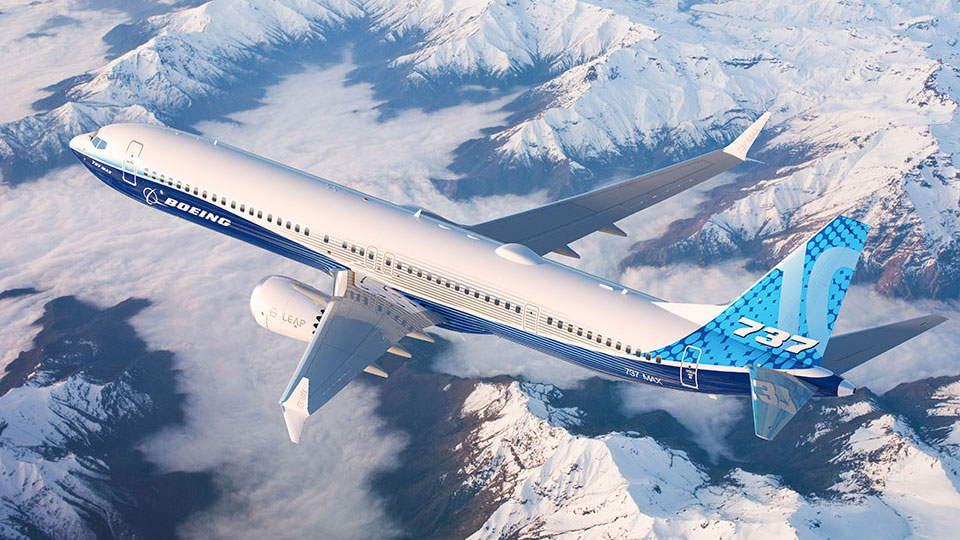
The Federal Aviation Administration has completed the final review milestone for the Boeing 737 MAX 10, clearing the path for certification of the largest member of the MAX family as soon as next week, according to multiple reports published Thursday.
The regulator wrapped up its concluding technical evaluations in recent days, resolving the last open items that had kept the aircraft grounded in regulatory limbo for years. For Boeing, the imminent approval marks a significant turning point in a program that has absorbed billions of dollars in costs and tested the patience of airline customers who placed orders long before the pandemic.
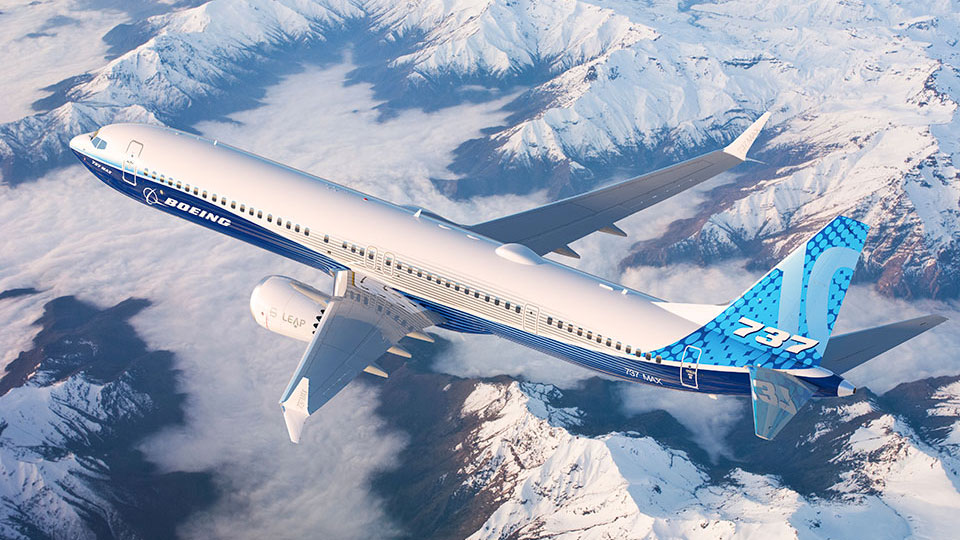
Photo: Boeing
A long road to certification
The 737 MAX 10 is the stretched variant of Boeing's best-selling narrowbody family, designed to compete directly with the Airbus A321neo in the upper end of the single-aisle segment. The aircraft can seat up to 230 passengers in a high-density configuration, giving operators additional capacity on routes where the smaller MAX 9 has reached its limits.
Certification of the MAX 10 has been delayed repeatedly since the broader 737 MAX program suffered through the aftermath of two fatal crashes in 2018 and 2019, which led to a 20-month global grounding of the fleet. Although the MAX 8 and MAX 9 returned to service, regulators subjected the newer MAX 7 and MAX 10 variants to intensified scrutiny.
A January 2024 in-flight door plug blowout on an Alaska Airlines MAX 9 added further pressure on Boeing's production quality and prompted the FAA to tighten oversight of the manufacturer. That incident slowed the certification timeline for both the MAX 7 and MAX 10, as the agency demanded additional data and inspections across the production system.
The Cockpit’s Next Revolution: When the Co-Pilot Is a Computer
What the approval means for Boeing
For Boeing, the MAX 10 certification removes one of the largest remaining regulatory overhangs on its commercial aircraft business. The company has accumulated a substantial backlog for the variant, with major orders from carriers including United Airlines, Delta Air Lines, and several international operators that have waited years to take delivery.
United Airlines in particular has been among the most vocal customers awaiting the aircraft. The carrier placed one of the largest orders for the MAX 10 and has repeatedly adjusted its fleet planning assumptions as certification slipped. Delta also has a notable commitment to the variant and is expected to begin taking deliveries once production ramps up following approval.
The certification clears Boeing to begin formal delivery preparations, including final airline-specific configuration work and crew training approvals. Pilots already qualified on other 737 MAX variants will require only differences training to operate the MAX 10, preserving one of the key commercial advantages of the family.
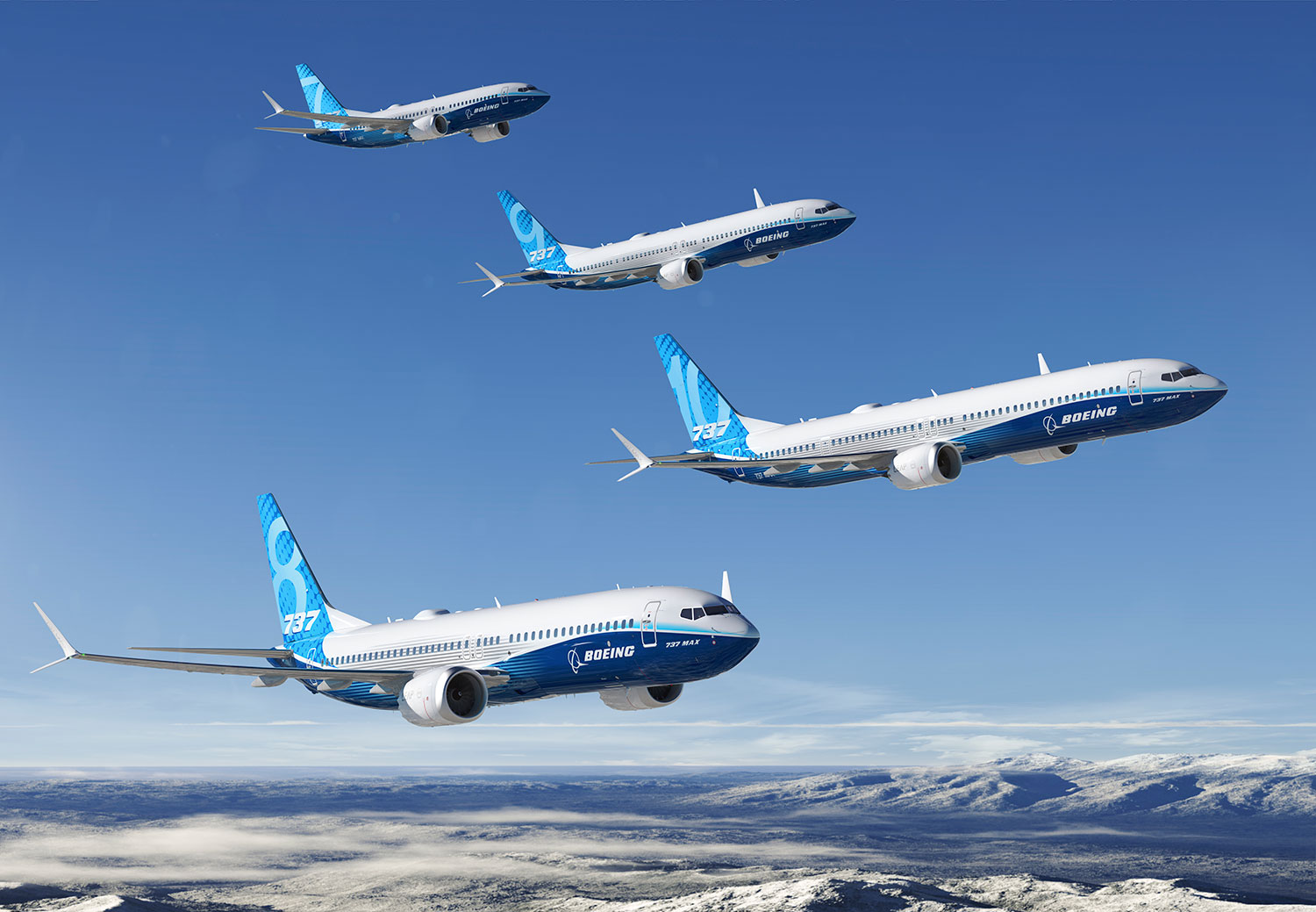
Photo: Boeing
Technical and design considerations
The MAX 10 incorporates a longer fuselage than the MAX 9, along with a modified semi-levered landing gear system that allows the stretched airframe to rotate during takeoff without striking the runway. The design presented engineering challenges that contributed to the extended development timeline.
The aircraft retains the CFM International LEAP-1B engines used across the MAX family and shares the updated flight control software that regulators mandated following the earlier crashes. Boeing has also implemented additional changes to the engine anti-ice system, an area that drew scrutiny from the FAA during the certification campaign for both the MAX 7 and MAX 10.
Boeing had previously sought an exemption from certain cockpit alerting requirements that would have applied to the MAX 7 and MAX 10 under a congressional deadline. The company ultimately withdrew that request in early 2024 and committed to engineering a compliant solution, which added further time to the certification effort but removed a politically contentious element from the review.
Industry implications
Approval of the MAX 10 restores Boeing's ability to compete head-to-head with Airbus in the largest and fastest-growing segment of the single-aisle market. The A321neo and its longer-range A321XLR variant have dominated recent order activity, and the absence of a certified MAX 10 has limited Boeing's options when pitching fleet renewal campaigns to major carriers.
Analysts have noted that while certification is a necessary step, Boeing still faces the challenge of ramping production to meet backlog commitments. The FAA has capped 737 MAX production at 38 aircraft per month in the wake of the Alaska Airlines incident, and any increase above that threshold will require demonstrated improvements in quality control.
Boeing executives have indicated that the company intends to request authorization to raise the production cap once it can show sustained performance against internal quality metrics. The MAX 10 approval does not automatically lift that limit, but it does allow the manufacturer to allocate slots across a broader mix of variants.
Neither Boeing nor the FAA has publicly confirmed a specific date for the certificate issuance. Both parties have historically declined to comment on the timing of pending regulatory actions until the formal documentation is released. Industry observers expect an announcement within days, assuming no last-minute administrative issues arise.
Selma Blair Charged With Assault After Alleged Biting Incident on Delta Flight » Lawmakers Press FAA to Suspend AI Air Traffic Control Tool at Washington-Area Airports » Lufthansa Wins Bid for 44.9% Stake in TAP Air Portugal, Edging Out Air France-KLM »

Comments (0)
Add Your Comment
TAGS
NEWS FAA Boeing 737 MAX 10 Aircraft Certification Boeing Regulatory Approval Commercial Aircraft Aviation Safety Certification Review Aerospace IndustryRECENTLY PUBLISHED
 United and Air Canada Push to Expand Joint Venture Amid Cross-Border Travel Strains
United Airlines and Air Canada plan to add routes to their joint venture as political tensions dampen travel demand between the two countries.
NEWS
READ MORE »
United and Air Canada Push to Expand Joint Venture Amid Cross-Border Travel Strains
United Airlines and Air Canada plan to add routes to their joint venture as political tensions dampen travel demand between the two countries.
NEWS
READ MORE »
 Why the A-10 Warthog's Nose Gear Is Offset to the Right
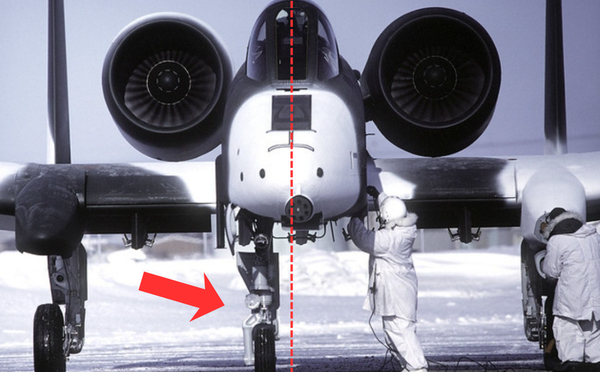
Why the A-10 Warthog’s nose wheel sits off-center, and how its massive GAU-8 Avenger cannon dictated the aircraft’s design.
INFORMATIONAL
READ MORE »
Why the A-10 Warthog's Nose Gear Is Offset to the Right
Why the A-10 Warthog’s nose wheel sits off-center, and how its massive GAU-8 Avenger cannon dictated the aircraft’s design.
INFORMATIONAL
READ MORE »
 6 Key Rules for Claiming Citizenship Status Through Your Parents or Grandparents
If you want to know about ancestry rights in Canadian citizenship law, you need to understand what has changed in the rules lately.
INFORMATIONAL
READ MORE »
6 Key Rules for Claiming Citizenship Status Through Your Parents or Grandparents
If you want to know about ancestry rights in Canadian citizenship law, you need to understand what has changed in the rules lately.
INFORMATIONAL
READ MORE »
More than just headlines.
Get unlimited ad-free access to in-depth aviation news, premium stories, and exclusive insights other sites don't cover.
- Ad-free browsing on AeroXplorer
- Unlimited access to premium and exclusive articles
- Higher photo upload limits & commissions on sales
- Free access to Jetstream Magazine on higher tiers
- Ad-free browsing
- Sell aviation photos with 60% commission
- First week free!
- Everything in Basic+
- Unlimited premium articles
- Sell aviation photos with 70% commission
- Free Digital subscription to Jetstream Magazine
- First week free!
- Everything in Basic+ and Pro
- Sell aviaiton photos with 80% commission
- Early access to exclusive stories
- Free Digital+Print subscription to Jetstream Magazine