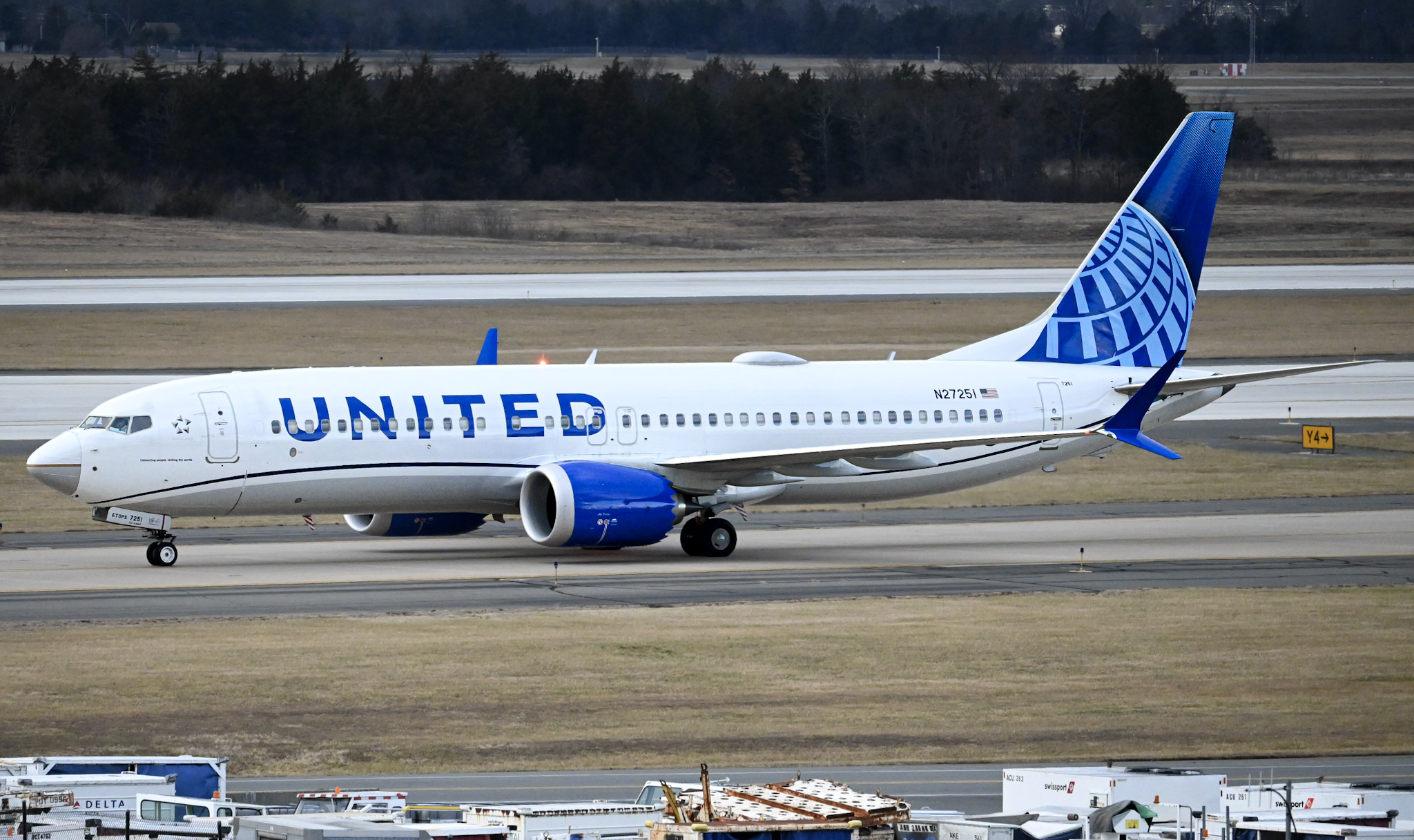

The Federal Aviation Administration has issued a proposed airworthiness directive warning that passenger seats on certain Boeing 737 MAX aircraft could fail during flight, potentially putting travelers at risk during turbulence, hard landings, or emergency situations.
The agency flagged concerns about seat track fittings that may not meet required strength standards. If those fittings give way, seats could detach from the cabin floor, injuring passengers and blocking evacuation routes.

What the FAA Found
The proposed directive targets passenger seats installed on Boeing 737-8 and 737-9 MAX aircraft. According to the FAA, some seat track fittings were manufactured with materials or tolerances that fall short of certification requirements. Under standard flight loads, the seats work as intended. Under sudden stress, such as severe turbulence or an emergency landing, they may not.
The agency warned that a failure of this kind could cause serious injuries. Loose seats could also obstruct aisles during an evacuation, slowing passenger egress at a moment when every second matters.
Inspections and Corrective Action
The proposed rule would require operators to inspect the affected seat tracks and replace any fittings that fail to meet specifications. The FAA estimates that the directive would apply to a large portion of the active 737 MAX fleet operated by US carriers, with additional aircraft affected worldwide once foreign regulators follow suit.
Airlines would have a set compliance window to complete the inspections. Aircraft found with defective parts would need repairs before returning to revenue service. The FAA has opened the proposed directive for public comment before issuing a final version.

Cost and Fleet Impact
The financial burden of the inspections falls primarily on airlines. Carriers will need to schedule aircraft downtime, pull seats for examination, and source replacement components. The cost per aircraft depends on how many fittings require replacement and how quickly operators can access spare parts.
The 737 MAX serves as a workhorse for major US airlines including Southwest, American, United, and Alaska. Any grounding of aircraft for inspections could affect flight schedules, though the FAA has structured the directive to allow inspections during routine maintenance whenever possible.
Another Setback for Boeing
The seat track issue adds to a long list of quality concerns surrounding the 737 MAX program. Boeing has faced scrutiny over manufacturing standards since the two fatal MAX crashes in 2018 and 2019, which killed 346 people and led to a global grounding of the aircraft.
The Shape of Disaster: The Plane That Kept Falling Apart Mid-Air
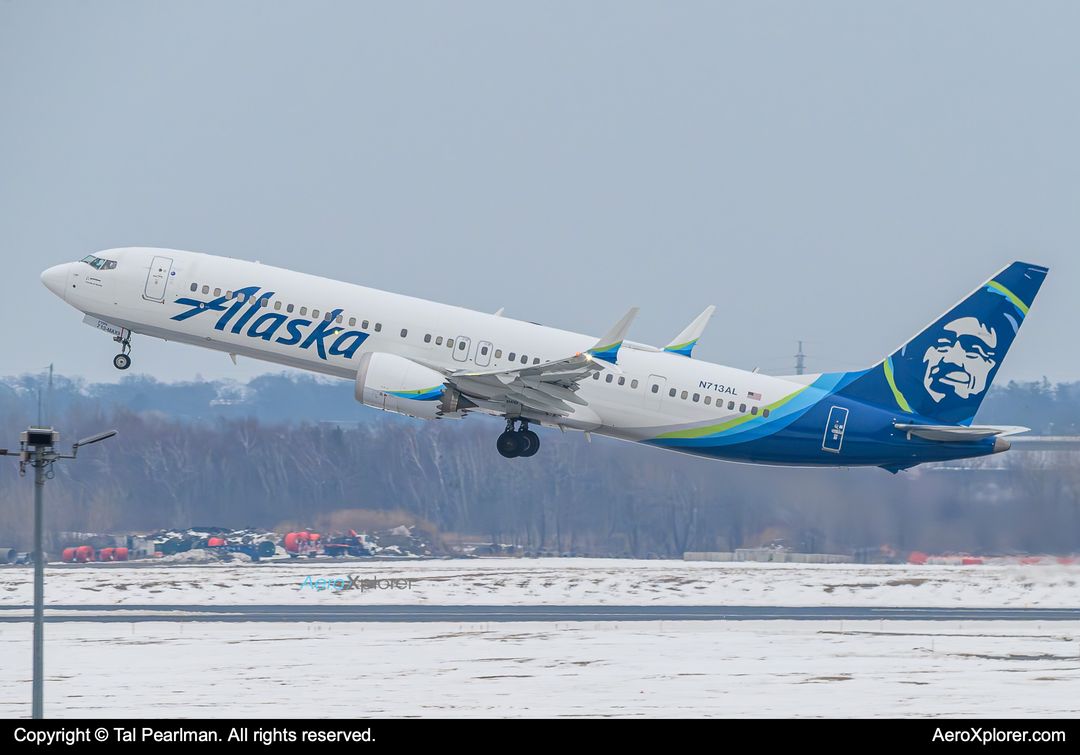
More recently, a door plug blew off an Alaska Airlines 737 MAX 9 in January 2024, prompting fresh investigations into Boeing's production practices. The FAA has since increased oversight of the company's factories and capped MAX production while inspectors review quality control processes.
The latest directive does not stem from Boeing's own assembly work but from a supplier issue involving seat components. Even so, it reflects the broader pattern of parts and manufacturing problems that have shadowed the MAX program.
What Passengers Should Know
The FAA has not ordered any grounding of 737 MAX aircraft, and the agency has not identified any in-flight incidents caused by the seat track defect. Flights continue as scheduled. Passengers do not need to change travel plans or check aircraft types before booking.
If you fly on a 737 MAX in the coming months, you may not notice any difference. Inspections happen during scheduled maintenance intervals, and any aircraft with confirmed defects would be pulled from service until repairs are complete.
Standard safety guidance still applies. Keep your seatbelt fastened when seated, even when the sign is off, since turbulence remains the most common cause of in-flight injuries. Pay attention to safety briefings and know the location of your nearest exit.

Only Way Out: Private Aviation in a Region at War
Industry Response
Boeing has cooperated with the FAA on the proposed directive and is expected to work with airlines and seat manufacturers to identify affected units. The company has not issued a detailed public statement addressing the specific defect but has previously committed to strengthening its supply chain oversight.
Airlines operating the MAX are reviewing the proposed directive and preparing inspection plans. Industry analysts expect most carriers to complete the required work without significant disruption to operations, given the flexibility built into the compliance timeline.
Next Steps
The FAA will collect public comments on the proposed directive before finalizing the rule. Once issued in final form, the directive will carry the force of law, and operators must comply within the specified deadlines.
The agency continues to monitor the 737 MAX fleet and has signaled that additional directives could follow if further defects come to light. For now, the focus remains on identifying and replacing the faulty seat track fittings before any incident occurs.
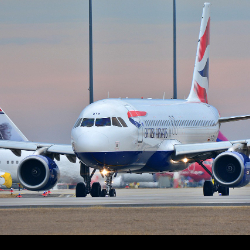
The End of Lufthansa's Four-Engine Era as Its Last Airbus A340-600 Lands in Frankfurt for the Final Time After 23 Years » British Airways Finishes Starlink Wi-Fi Rollout Across Its A350 Fleet » Jet2 Boeing 737 Veers Off Birmingham Airport Runway During Landing »
Comments (2)
 Das Pork
Sounds less like a material manufacturing or strength issue and more like an installation issue.
The NPRM states: This proposed AD was prompted by a report that certain passenger seat assemblies were not correctly installed in the seat tracks. This proposed AD would require a detailed inspection of the seat track fittings of each left and right side track-mounted passenger seat assembly for correct installation and applicable on-condition actions.
tommkatt3
Wow! The hits just keep on coming! When are corporations like Boeing going to stop making decisions based on the bean counters recommendations? Safety has to come first!!!
If parts that are safer are more expensive, then so be it. Shareholders also fly on airplanes! But more than likely not on public transportation! It pains me to see such a company like Boeing tumble to the bottom of the stack! What was once a great company is nothing less than good!
Das Pork
Sounds less like a material manufacturing or strength issue and more like an installation issue.
The NPRM states: This proposed AD was prompted by a report that certain passenger seat assemblies were not correctly installed in the seat tracks. This proposed AD would require a detailed inspection of the seat track fittings of each left and right side track-mounted passenger seat assembly for correct installation and applicable on-condition actions.
tommkatt3
Wow! The hits just keep on coming! When are corporations like Boeing going to stop making decisions based on the bean counters recommendations? Safety has to come first!!!
If parts that are safer are more expensive, then so be it. Shareholders also fly on airplanes! But more than likely not on public transportation! It pains me to see such a company like Boeing tumble to the bottom of the stack! What was once a great company is nothing less than good!
Add Your Comment
TAGS
NEWS B737 MAX Boeing Max Series FAA Failure Southwest Alaska United American AirlinesRECENTLY PUBLISHED
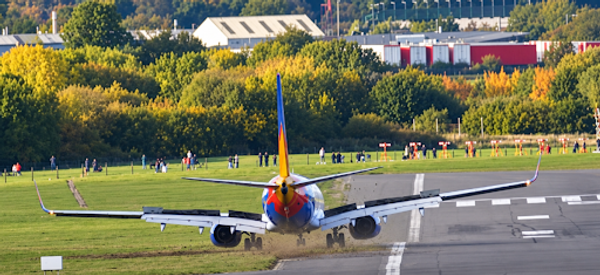 Jet2 Boeing 737 Veers Off Birmingham Airport Runway During Landing
A Jet2 Boeing 737-800 veered off the left side of the runway at Birmingham Airport after landing on Sunday, October 25, as Storm Boelo brought strong winds to the UK.
NEWS
READ MORE »
Jet2 Boeing 737 Veers Off Birmingham Airport Runway During Landing
A Jet2 Boeing 737-800 veered off the left side of the runway at Birmingham Airport after landing on Sunday, October 25, as Storm Boelo brought strong winds to the UK.
NEWS
READ MORE »
 This Week in Aviation: The 10 Stories That Mattered Most
From major airline developments to aircraft updates and industry shifts, this weekly recap highlights the ten most-read aviation stories from the week of October 18.
INFORMATIONAL
READ MORE »
This Week in Aviation: The 10 Stories That Mattered Most
From major airline developments to aircraft updates and industry shifts, this weekly recap highlights the ten most-read aviation stories from the week of October 18.
INFORMATIONAL
READ MORE »
 Jet2 Boeing 737 Veers Off Birmingham Airport Runway During Landing
A Jet2 Boeing 737-800 veered off the runway at Birmingham Airport during landing, prompting emergency crews to respond.
NEWS
READ MORE »
Jet2 Boeing 737 Veers Off Birmingham Airport Runway During Landing
A Jet2 Boeing 737-800 veered off the runway at Birmingham Airport during landing, prompting emergency crews to respond.
NEWS
READ MORE »
More than just headlines.
Get unlimited ad-free access to in-depth aviation news, premium stories, and exclusive insights other sites don't cover.
- Ad-free browsing on AeroXplorer
- Unlimited access to premium and exclusive articles
- Higher photo upload limits & commissions on sales
- Free access to Jetstream Magazine on higher tiers
- Ad-free browsing
- Sell aviation photos with 60% commission
- First week free!
- Everything in Basic+
- Unlimited premium articles
- Sell aviation photos with 70% commission
- Free Digital subscription to Jetstream Magazine
- First week free!
- Everything in Basic+ and Pro
- Sell aviaiton photos with 80% commission
- Early access to exclusive stories
- Free Digital+Print subscription to Jetstream Magazine