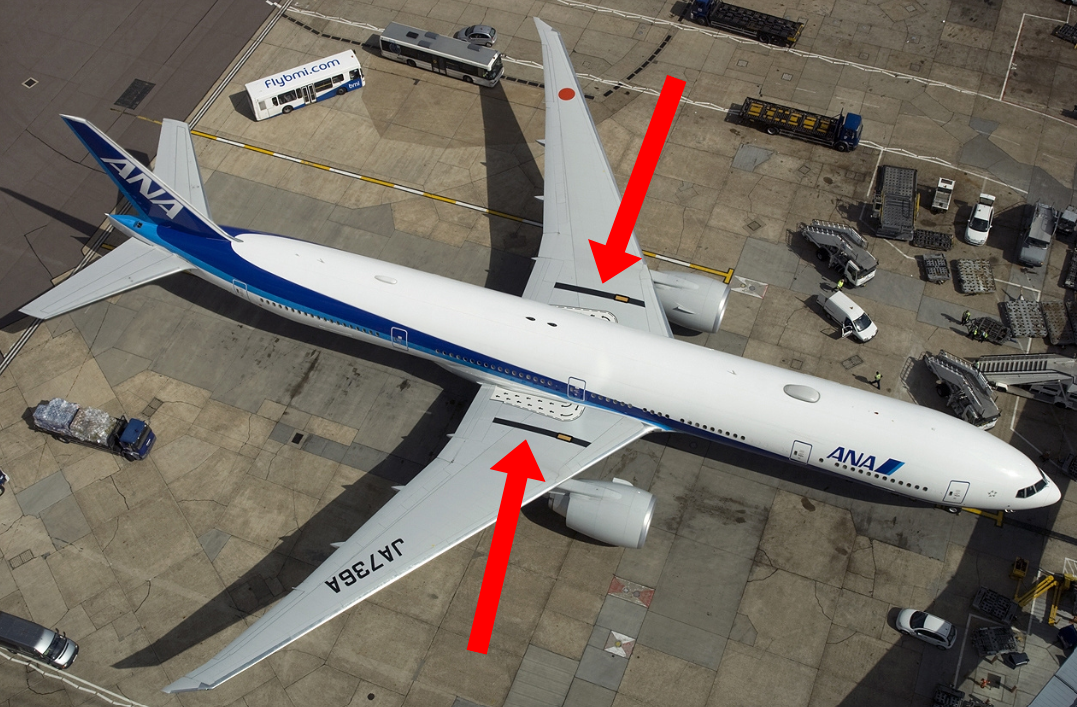
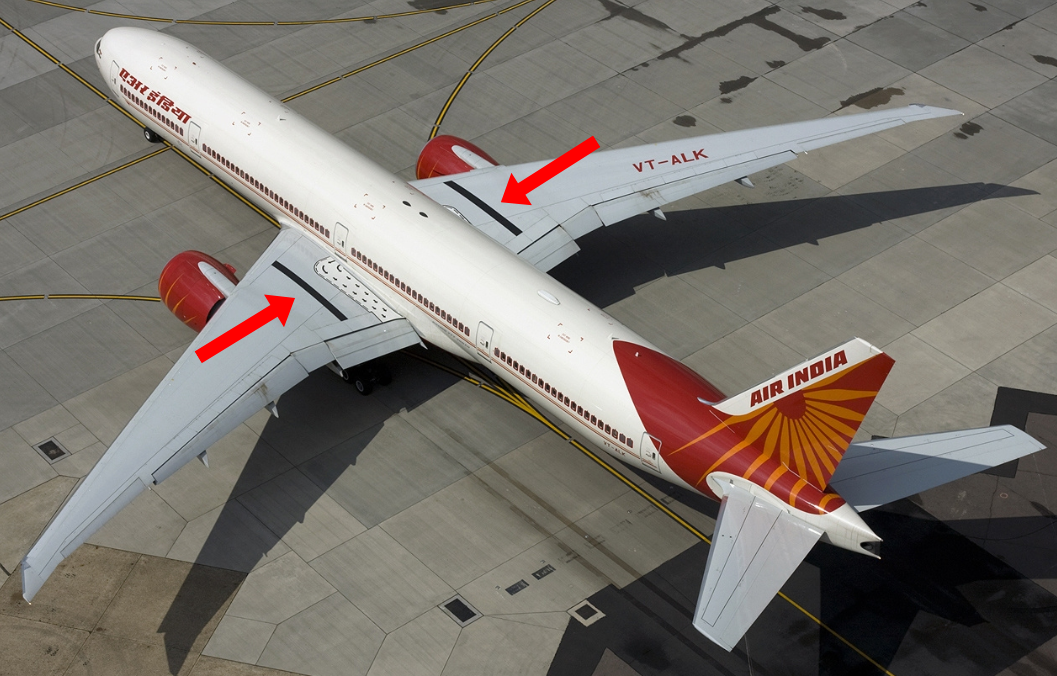
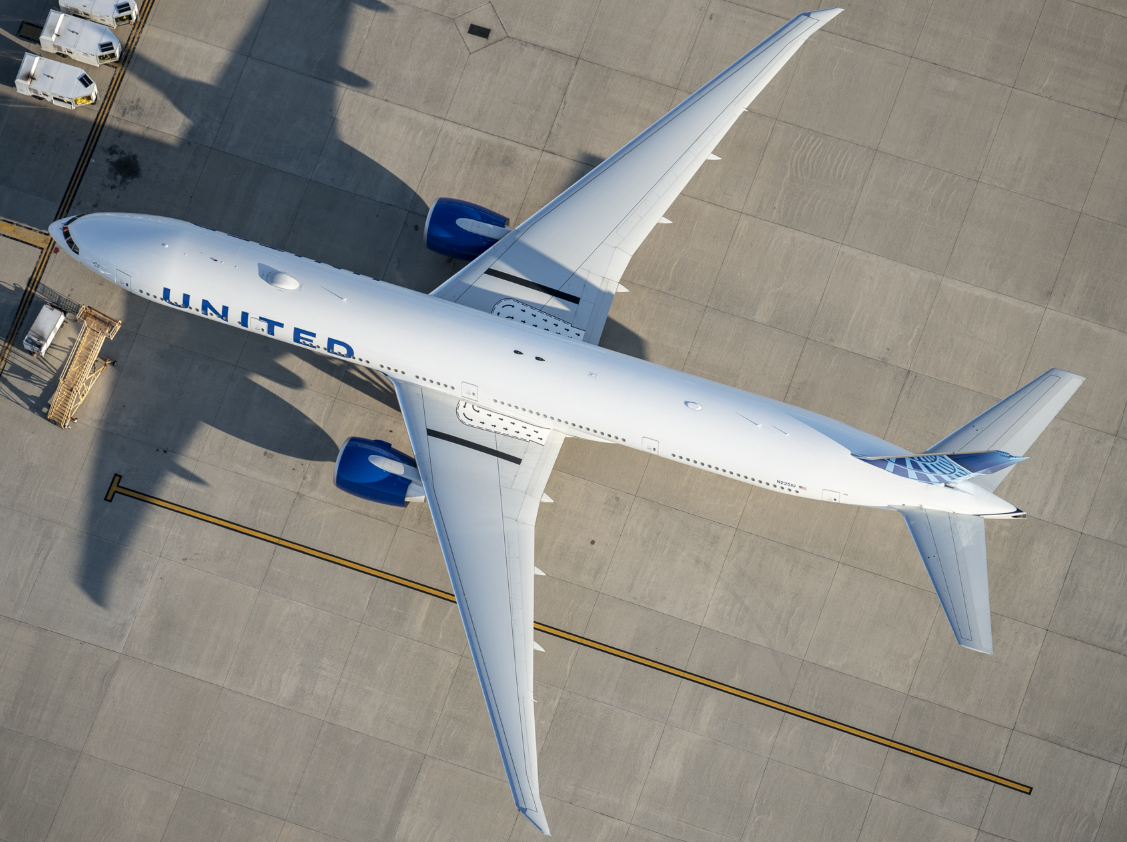
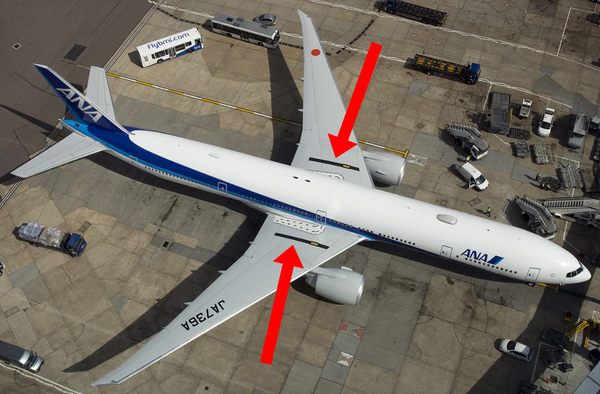
Take a window seat over the wing of a Boeing 777 and watch the aircraft taxi. Near the trailing edge, a pair of bold black stripes stands out against the paint. Passengers tend to guess that they mark an evacuation path, point to an emergency exit or simply decorate the wing. None of that is right. The stripes have nothing to do with passengers. They are there for the pilots, and they solve a problem created by the aircraft's sheer size.
The Problem: Wheels the Crew Cannot See
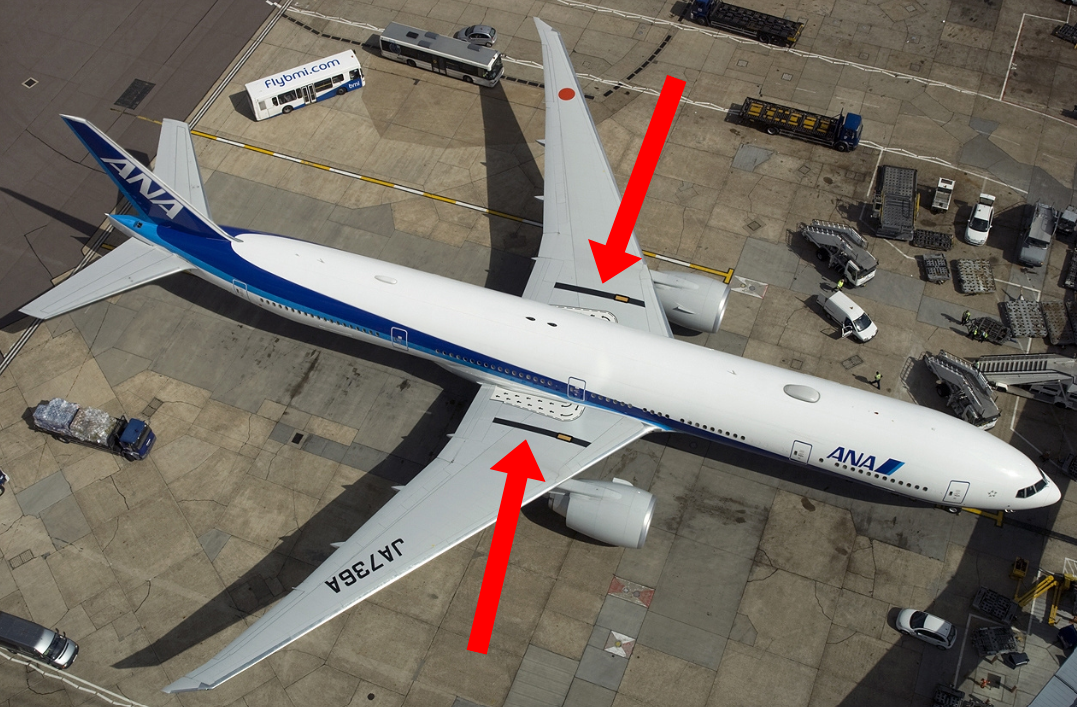
The 777-300ER variant is a big aircraft by any standard. Its fuselage stretches to almost 74 meters, and its wingspan measures nearly 65 meters. That size becomes a real challenge at airports with narrow taxiways, tight turns or closely spaced stands. Adding to the difficulty, pilots have limited direct visibility of the main landing gear from the cockpit. Judging exactly where the wheels are tracking, particularly when following a taxiway centerline or turning, is harder than it sounds.
A Tail Camera and Two Painted Stripes
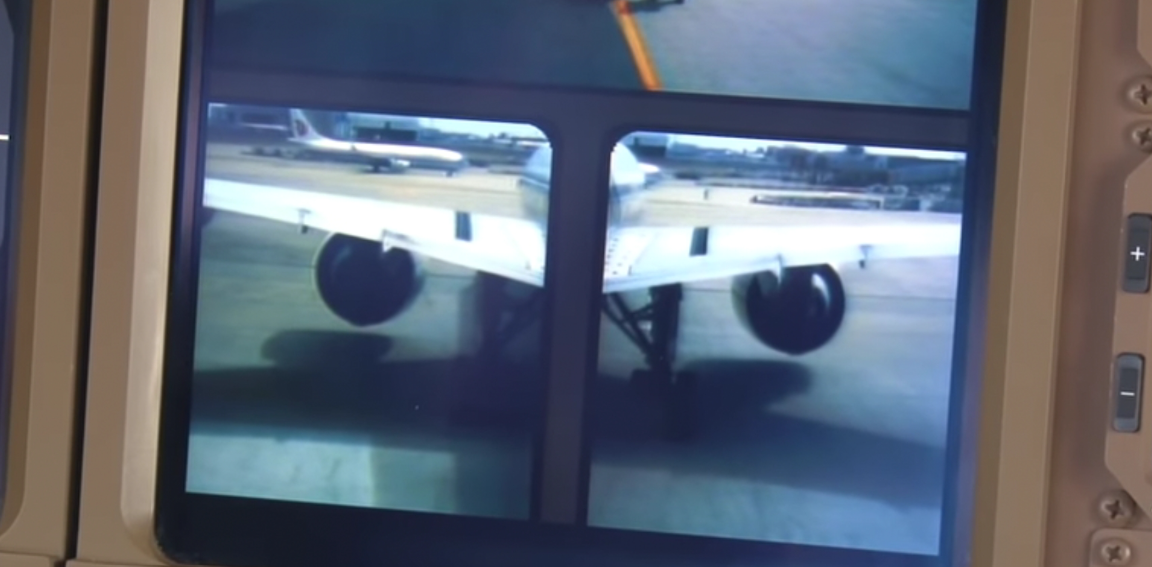
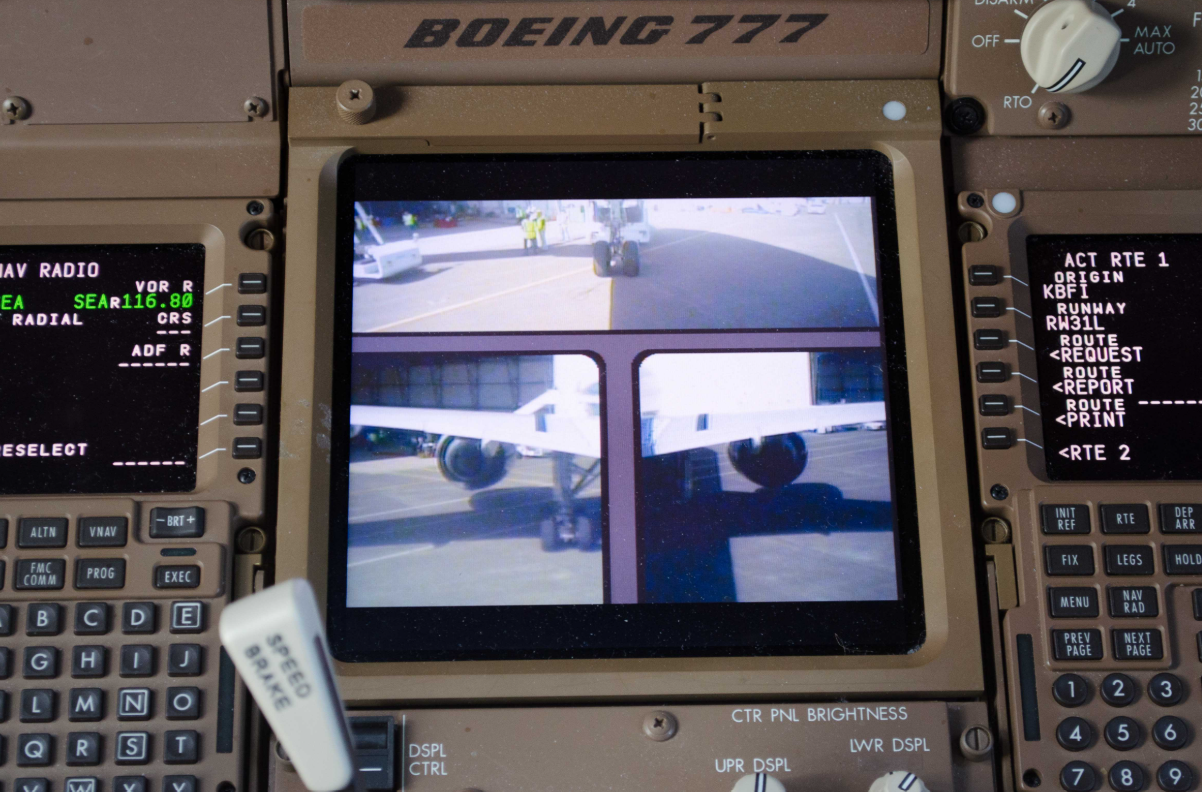
To help, the jet carries a tail-mounted camera that feeds live video to the cockpit displays. This is where the stripes come in. They are painted in precise alignment with the outboard edge of the main landing gear on each side of the aircraft. When the crew looks at the camera image, the stripes show exactly where the wheels are tracking relative to taxiway markings, pavement edges, lighting and nearby obstacles. The effect is simple. Instead of estimating the position of the wheels indirectly, pilots can see it in real time.
Where the Stripes Matter Most
The benefit is greatest on narrow taxiways and during turns, where even a small tracking error can leave a wheel close to edge lighting, signage or the pavement boundary. It also helps during 180-degree turns on a runway. The crew can confirm that the outer wheels remain on the hard surface rather than drifting onto the grass. Without the stripes, pilots would effectively be guessing where the wheels sit within the camera image.
A Second Check at the Stand
Parking presents a similar challenge. Pilots are normally guided by marshallers or electronic docking systems that align the aircraft with the stand centerline and stop position. The wing stripes add an additional cross-check, letting the crew confirm alignment as they approach the stop line and reducing reliance on a single external cue.
Human Factors, Not Decoration
The stripes are a good example of human-factors thinking applied to aircraft design. As airliners have grown larger, pilots have lost some of the direct visual cues that smaller aircraft once offered. Rather than adding a complicated new system, designers used a simple, intuitive reference that works alongside the camera already installed. It reduces workload and improves accuracy during slow ground maneuvers, without adding anything for the crew to manage.

How AI Quietly Became the Backbone of Today’s Aviation Industry
Why the 777-300ER Makes the Case
The markings are not exclusive to the 777-300ER, since they appear on other 777s as well. The stretched -300ER, however, shows clearly why they are needed. Its length leaves very little margin on tight taxiways, and the newer 777-9 will be roughly 2.9 meters longer still, placing even greater demands on ground handling.
Whether or not future variants keep the same markings, the logic behind them is unlikely to fade. The larger the aircraft, the more valuable a clear visual reference becomes.
It is a small detail, painted in plain black. Yet it quietly keeps one of the world's largest twin-engine airliners exactly where it needs to be, even when the people flying it cannot see the wheels beneath them.
JetBlue Opens Sales for BlueFirst, Its First Domestic First Class Cabin » Why the A-10 Warthog's Nose Gear Is Offset to the Right » What the September NATS outage teaches passengers about flight compensation »
Comments (0)
Add Your Comment
TAGS
INFORMATIONAL Boeing B777 Boeing 777 taxi B777-9 Boeing 777-9 wingRECENTLY PUBLISHED
 Why Does the Boeing 777 Have Black Lines on Its Wings?
Why the Boeing 777 has black wing stripes to help pilots monitor landing gear position and navigate tight taxiways safely.
INFORMATIONAL
READ MORE »
 This Week in Aviation: The 10 Stories That Mattered Most
From major airline developments to aircraft updates and industry shifts, this weekly recap highlights the ten most-read aviation stories from the week of October 11.
INFORMATIONAL
READ MORE »
 GPS Jamming Is Now a Daily Airline Problem. Here Is How Bad It Has Gotten
GPS jamming and spoofing are disrupting airline navigation across Europe, the Middle East and South Asia. Explore how widespread GNSS interference threatens flight safety, affects airline operations, and what pilots and regulators are doing to manage the growing risk.
INFORMATIONAL
READ MORE »
More than just headlines.
Get unlimited ad-free access to in-depth aviation news, premium stories, and exclusive insights other sites don't cover.
- Ad-free browsing on AeroXplorer
- Unlimited access to premium and exclusive articles
- Higher photo upload limits & commissions on sales
- Free access to Jetstream Magazine on higher tiers
- Ad-free browsing
- Sell aviation photos with 60% commission
- First week free!
- Everything in Basic+
- Unlimited premium articles
- Sell aviation photos with 70% commission
- Free Digital subscription to Jetstream Magazine
- First week free!
- Everything in Basic+ and Pro
- Sell aviaiton photos with 80% commission
- Early access to exclusive stories
- Free Digital+Print subscription to Jetstream Magazine