
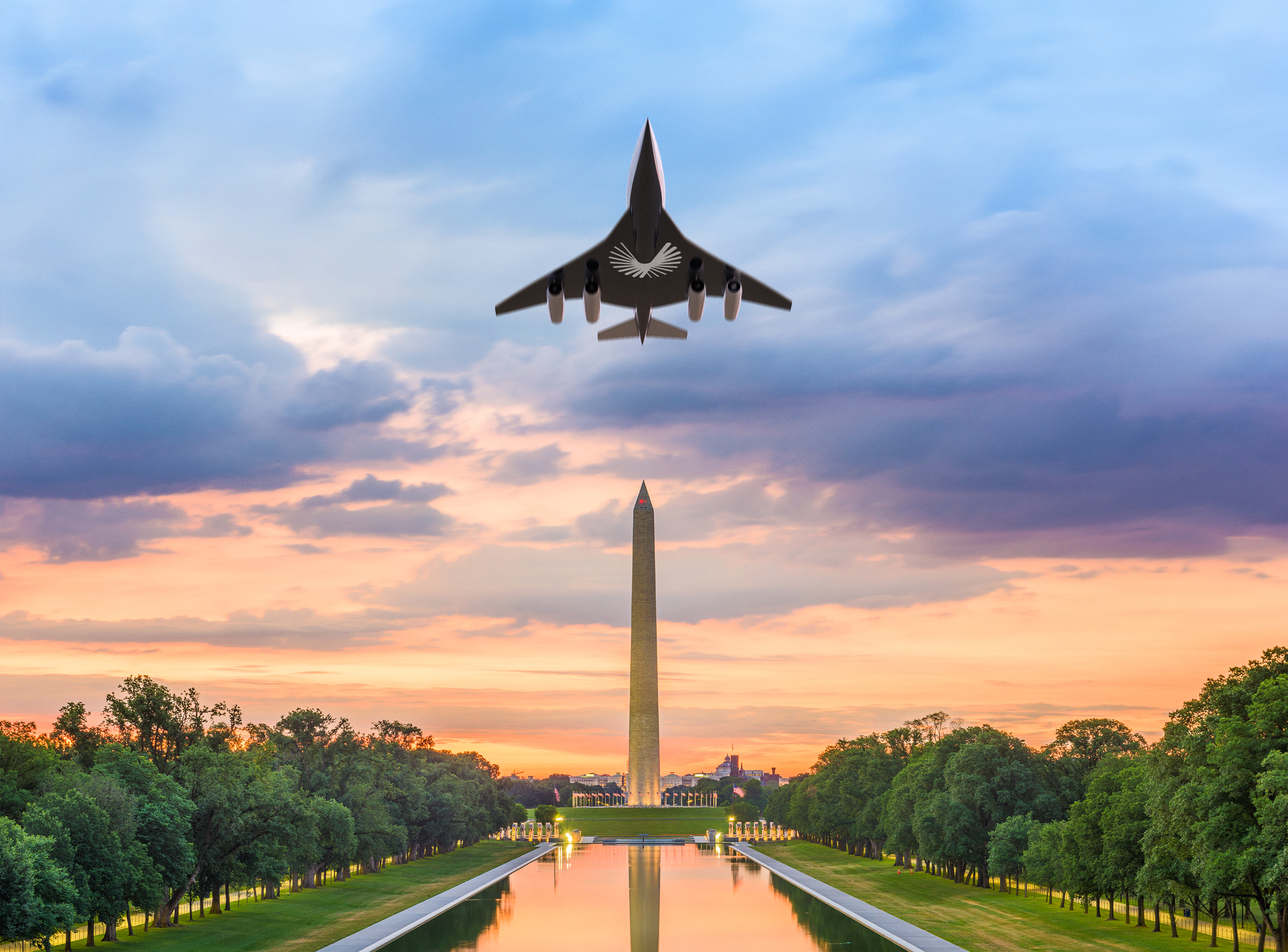

For more than 50 years, commercial supersonic flight has been confined to oceans. After the retirement of the Concorde in 2003, the regulations that grounded high-speed airlines over land, which were originally written in the 1970s, remained untouched.
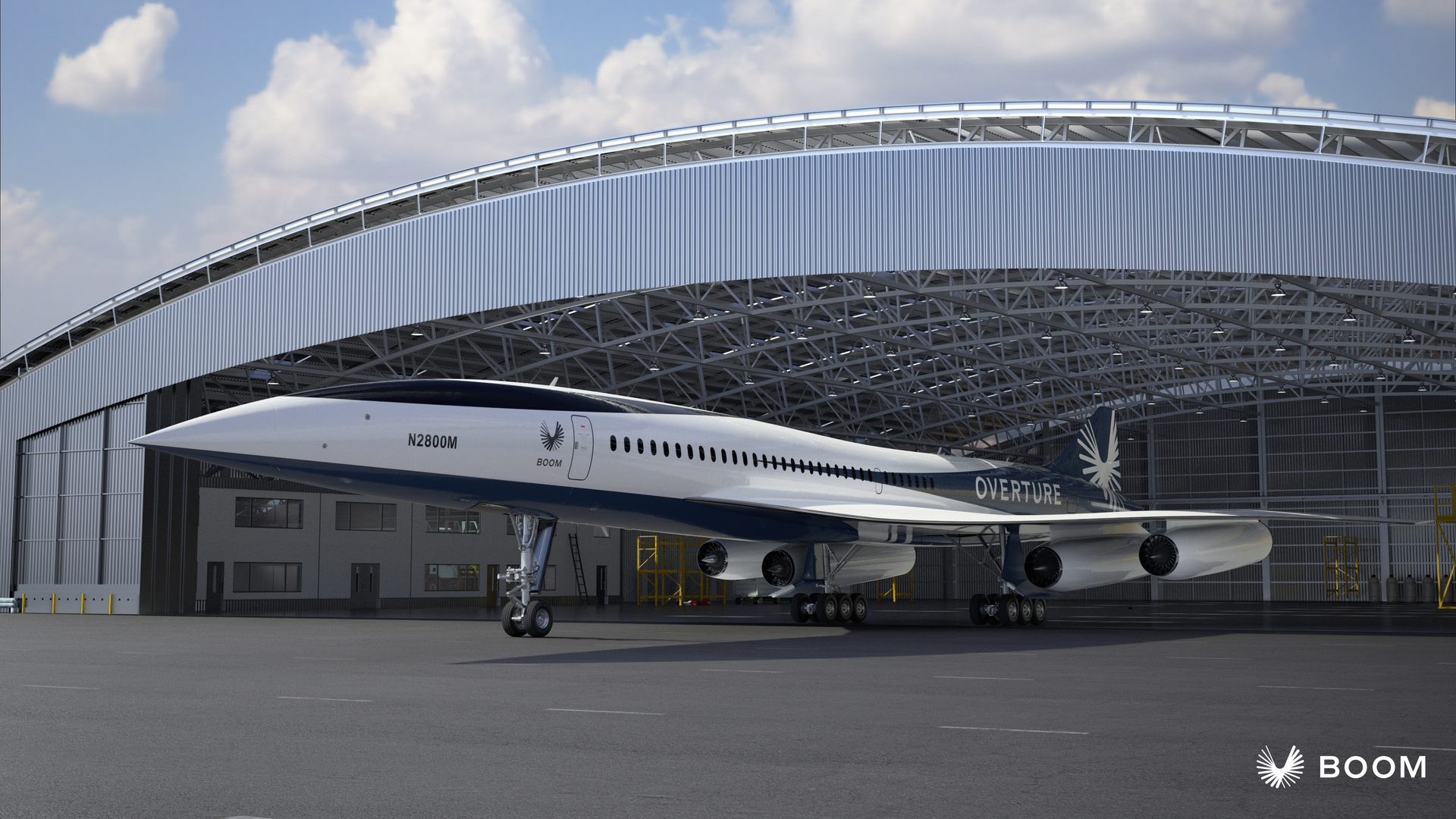
Boom Supersonic's upcoming airliner, Overture, aims to change that. Through a combination of modern aerodynamics and advanced computing, Boom believes the era of quiet supersonic flight over populated regions is closer than most might think.
Supersonic Flight is Currently Banned Over Land
In 1973, the FAA introduced FAR 91.817, which banned aircraft exceeding Mach 1 over land. This was because supersonic flight produced sonic booms, which could exceed 110 decibels, loud enough to rattle windows and startle entire cities. At the time, this rule was written as a speed limit (rather than a noise limit), as there was no practical way to fly supersonic without disturbing the people below.
Today, this framework is being re-evaluated, thanks to new innovations by Boom with its test aircraft XB-1. The FAA and NASA are both exploring how future aircraft could be certified for supersonic flight based on measured sound levels, rather than based solely on speed. That shift could open the door for newer aircraft, like Boom's Overture, to fly at supersonic speeds as long as noise limits are maintained.
Boomless Cruise?
Boom's engineers are developing a technology known as "boomless cruise," where Overture uses atmospheric predictions to fly in conditions where shockwaves never reach the ground.
When an aircraft flies faster than sound, pressure waves form along its fuselage and merge into a single boom that travels downwards. However, the way these waves propagate depends heavily on various factors that are directly influenced by the temperature, wind speed, and air density. Under the right combination of factors, these waves can bend upward, causing them to dissipate before they touch the surface.
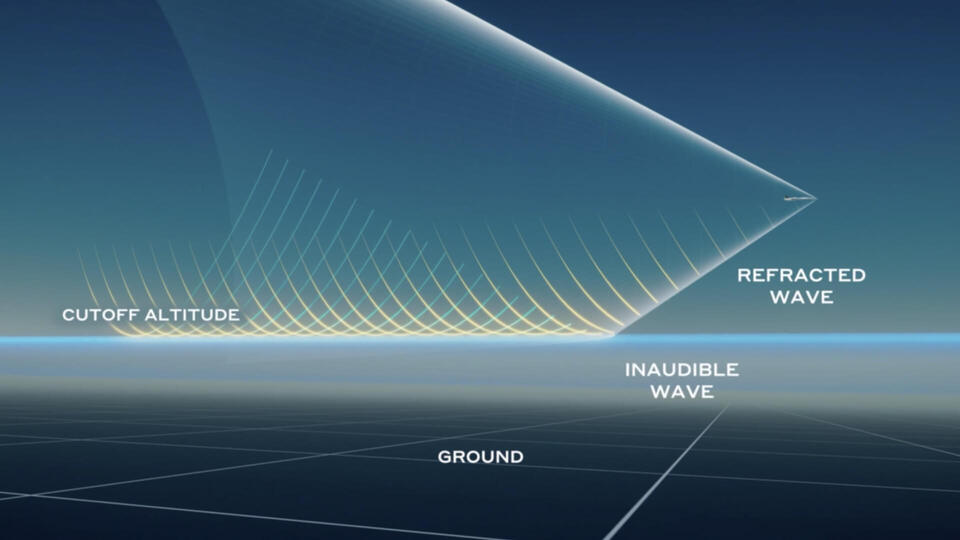
Boom's proprietary software will constantly analyze these parameters in real-time. Pilots can then adjust their altitude and speed to stay just within the limits where the aircraft remains supersonic but seemingly silent from the ground.
In practice, this allows Boom's Overture to reach speeds between Mach 1.1 and 1.3 over land. Over water, where shockwaves are not as regulated, Overture can reach its maximum speed of Mach 1.7.
Why it Matters
Allowing supersonic flight over land would essentially redefine what is considered a "long-haul flight." According to Boom's website, a flight from Tokyo to Honolulu that would conventionally take seven hours could be completed in less than four hours on an Overture aircraft. This means less time spent traveling and more time making human connections, improving the quality of life for pilots, controllers, and passengers alike.
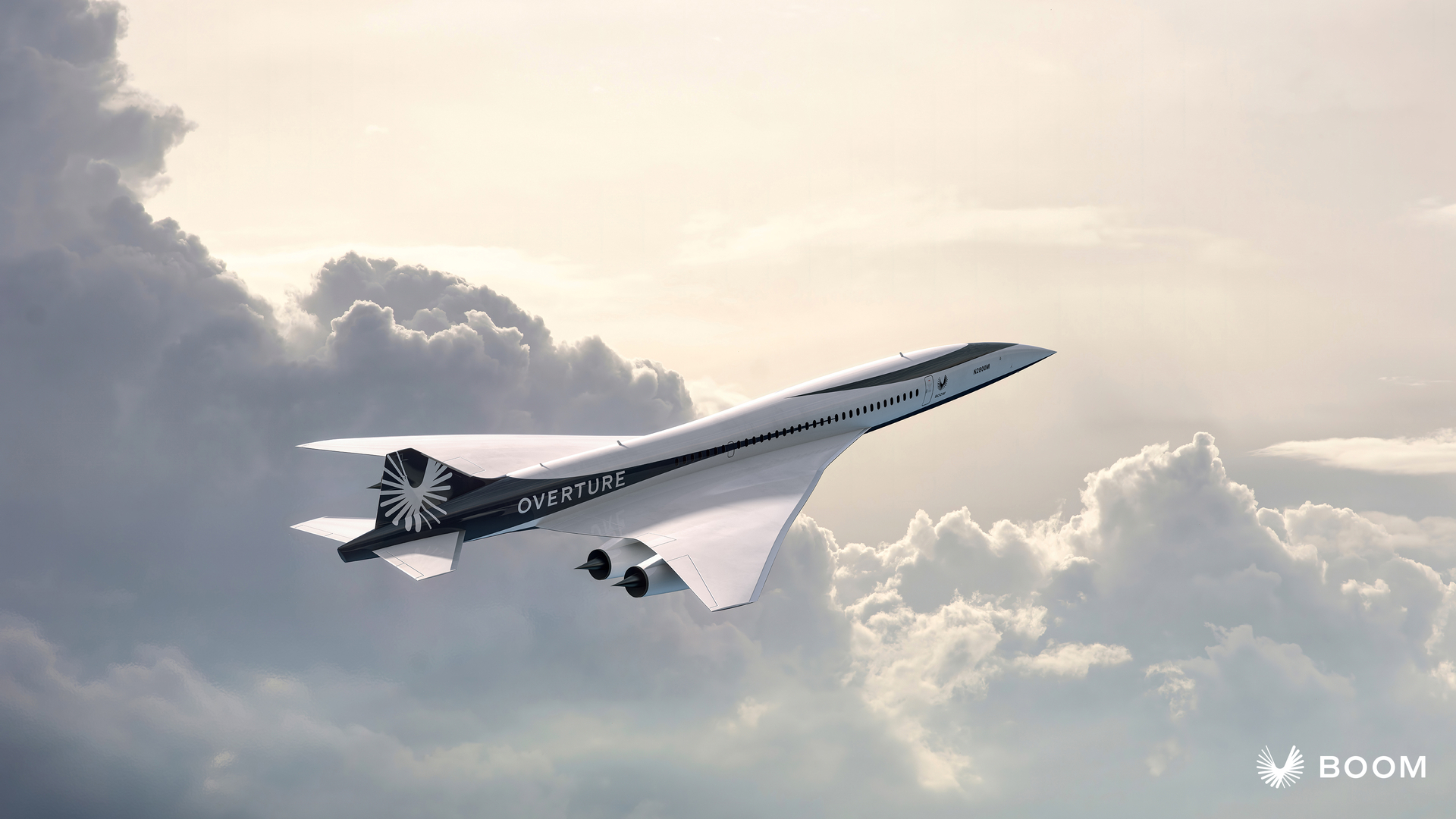
By turning atmospheric science into a seamless system, Boom Overture may finally bridge the gap between supersonic practicality and regulatory compliance.
If it succeeds, the next sonic boom you hear might not be heard at all.
United 777 Diverts to Dublin After Cockpit Windscreen Cracks Over the Atlantic » NetJets Expands US Footprint With Three New Private Terminals and Larger Palm Beach Facility » This Week in Aviation: The 10 Stories That Mattered Most »
Comments (0)
Add Your Comment
TAGS
STORIES Boom Boom Supersonic Overture Supersonic Boomless cruiseRECENTLY PUBLISHED
 6 Key Rules for Claiming Citizenship Status Through Your Parents or Grandparents
If you want to know about ancestry rights in Canadian citizenship law, you need to understand what has changed in the rules lately.
INFORMATIONAL
READ MORE »
6 Key Rules for Claiming Citizenship Status Through Your Parents or Grandparents
If you want to know about ancestry rights in Canadian citizenship law, you need to understand what has changed in the rules lately.
INFORMATIONAL
READ MORE »
 FlyUSA Opens 50,000-Square-Foot Owner-Exclusive Hangar and Lounge at Tampa International Airport
FlyUSA has opened a 50,000-square-foot private hangar and lounge at Tampa International Airport, serving aircraft owners and charter clients.
NEWS
READ MORE »
FlyUSA Opens 50,000-Square-Foot Owner-Exclusive Hangar and Lounge at Tampa International Airport
FlyUSA has opened a 50,000-square-foot private hangar and lounge at Tampa International Airport, serving aircraft owners and charter clients.
NEWS
READ MORE »
 Federal Grand Jury Indicts Passenger Duct-Taped to Seat on American Airlines Flight
A passenger restrained with duct tape after a violent outburst on an American Airlines flight to Newark faces federal charges and up to 20 years in prison.
NEWS
READ MORE »
Federal Grand Jury Indicts Passenger Duct-Taped to Seat on American Airlines Flight
A passenger restrained with duct tape after a violent outburst on an American Airlines flight to Newark faces federal charges and up to 20 years in prison.
NEWS
READ MORE »
More than just headlines.
Get unlimited ad-free access to in-depth aviation news, premium stories, and exclusive insights other sites don't cover.
- Ad-free browsing on AeroXplorer
- Unlimited access to premium and exclusive articles
- Higher photo upload limits & commissions on sales
- Free access to Jetstream Magazine on higher tiers
- Ad-free browsing
- Sell aviation photos with 60% commission
- First week free!
- Everything in Basic+
- Unlimited premium articles
- Sell aviation photos with 70% commission
- Free Digital subscription to Jetstream Magazine
- First week free!
- Everything in Basic+ and Pro
- Sell aviaiton photos with 80% commission
- Early access to exclusive stories
- Free Digital+Print subscription to Jetstream Magazine