
Most people don't wake up one morning and suddenly decide to fly planes. It usually starts earlier, maybe a childhood trip to an airshow, a movie scene, or that one teacher who mentioned the Bureau of Labor Statistics projecting 18,000 new pilot jobs by 2032. Whatever the trigger, the question eventually lands: how does someone actually get there? The aviation career path isn't mysterious, but it does require deliberate steps that most high schoolers never hear about.
The Education Question Nobody Asks Early Enough
Here's the thing about how to become a pilot: there's no single road. Some students head straight to flight school after high school. Others pursue a four year degree first. Both work. But the choice matters more than people realize.
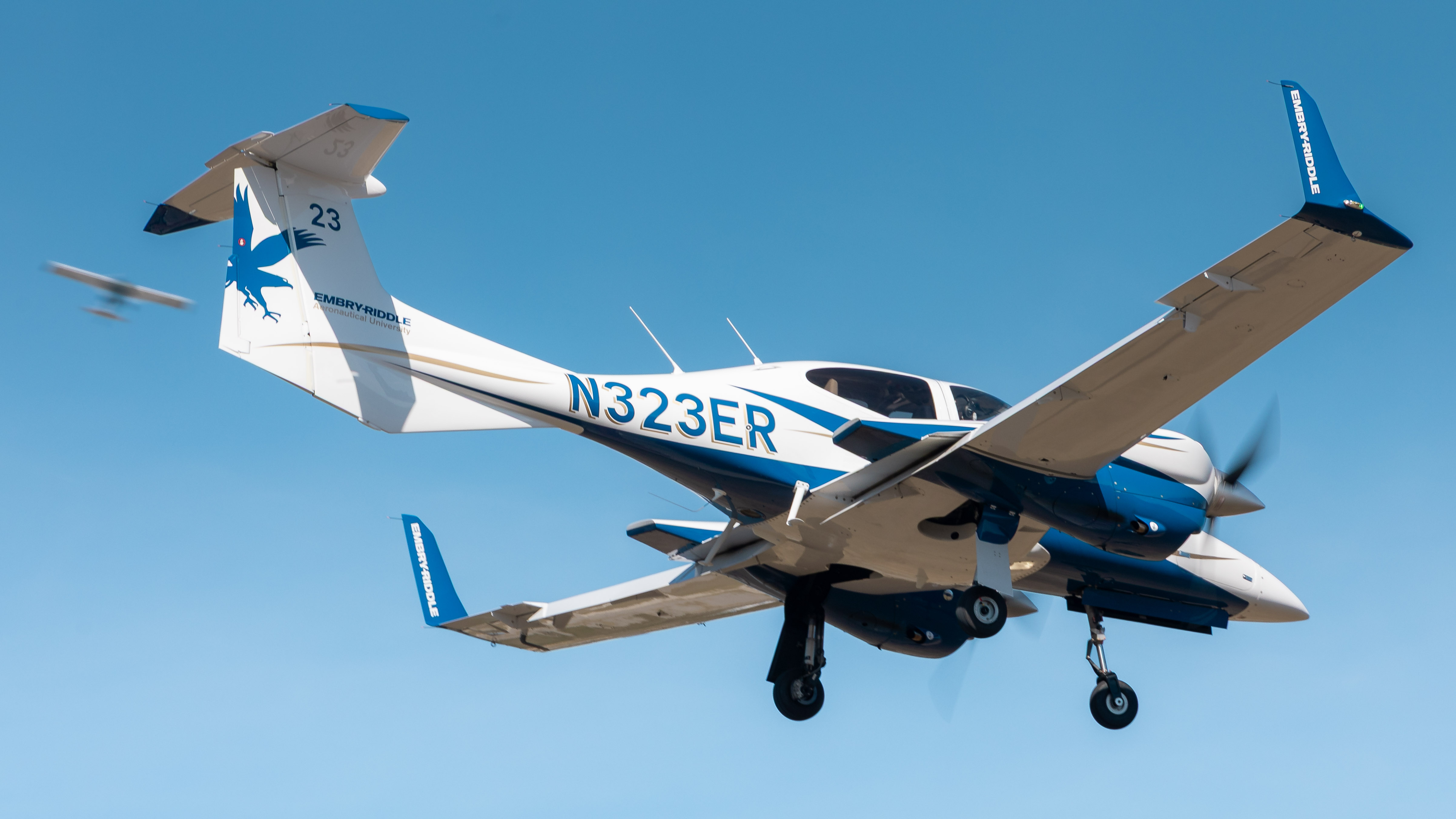
Universities with aviation degree programs offer structured curricula that combine flight training with academics. Embry Riddle Aeronautical University, Purdue, and the University of North Dakota consistently rank among the top programs. These institutions don't just teach stick and rudder skills; they cover meteorology, air traffic control systems, and aviation law. Students juggling heavy coursework alongside flight hours often seek coursework writing help by KingEssays to manage the academic load without sacrificing simulator time.
The alternative? Part 141 or Part 61 flight schools that focus purely on certification. These programs move faster and cost less upfront, but they leave graduates without the degree that major airlines increasingly prefer. Delta, United, and American have all expanded their partnerships with university programs, creating direct pipelines for graduates.
What Flight School Requirements Actually Look Like
Flight school requirements vary depending on the certificate level. Here's a realistic breakdown:
| Certificate | Minimum Flight Hours | Typical Timeline |
| Private Pilot License (PPL) | 40 hours | 3 to 6 months |
| Instrument Rating | 50 hours | 2 to 4 months |
| Commercial Pilot License (CPL) | 250 hours | 12 to 18 months |
| Airline Transport Pilot (ATP) | 1,500 hours | 2 to 5 years |
That 1,500 hour ATP requirement is where most aspiring pilots hit a wall. Building hours typically means working as a flight instructor, flying cargo, or doing aerial survey work. It's a grind. Regional airlines have responded by creating cadet programs. JetBlue's Gateway Select and Southwest's Destination 225° are examples that streamline the path for committed students.
For those pursuing academic routes, research projects on aviation safety or airline economics become common assignments. Some students buy a research proposal paper when tackling complex topics that require extensive industry data analysis.
Beyond the Cockpit: Other Aviation Careers
Pilot training for students dominates the conversation, but aviation employs far more people on the ground than in the air. Air traffic controllers earn a median salary of $137,000 according to recent FAA data. Aircraft maintenance technicians are in desperate shortage. Boeing's 2023 Pilot and Technician Outlook estimated a global need for 690,000 new technicians over the next two decades.
Aviation management opens doors to airport operations, airline planning, and aerospace consulting. Students exploring these paths often need paper help when writing case studies on airline mergers or airport expansion projects.
The point is this: aviation isn't just about flying. It's an ecosystem. And students who understand the full picture make smarter decisions about where to invest their education.
Money Talks: The Cost Reality
Flight training isn't cheap. A complete zero to hero program (PPL through CFI) runs anywhere from $80,000 to $150,000 depending on location and aircraft type. University programs add tuition on top of that. Financing options exist. Sallie Mae offers aviation specific loans, and some flight schools partner with financing companies. But debt is a real consideration.
Here's what changes the math: airline signing bonuses and tuition reimbursement. Envoy Air currently offers up to $25,000 in signing bonuses for new hires. Piedmont Airlines has a flow through agreement with American that guarantees a mainline position after meeting certain benchmarks. These aren't handouts; they're investments airlines make to secure talent in a pilot shortage.
The Practical Steps
For students serious about the aviation career path, the sequence matters:
- Start with a discovery flight ($150 to $250) to confirm genuine interest
- Research whether a degree or direct flight training fits better
- Get a first class medical certificate early because disqualifying conditions exist
- Build relationships with pilots and mechanics whenever possible
- Consider ROTC if military aviation appeals
The FAA doesn't care where someone learned to fly, but employers do. Networking, internships, and choosing the right training environment shape outcomes as much as raw skill.
Where This Path Actually Leads
Aviation rewards people who plan ahead and stay persistent. The industry has problems: scheduling, fatigue, seniority systems. But it also offers something rare: genuine mobility. A 22 year old flight instructor today could captain international routes by 35. That trajectory exists in few other fields. The education piece is just the entry ticket. What happens after depends entirely on how someone uses it.
American Airlines Swaps Landline Buses for CRJ-700 Flights on 84-Mile South Bend to Chicago Route » KLM Brings Starlink Internet to Long-Haul Flights » Southwest Airlines Blames Brief System Outage for Boarding Delays and Checked Bag Disruptions »

Comments (0)
Add Your Comment
TAGS
INFORMATIONAL Education Careers Travel Pilots AviationRECENTLY PUBLISHED
 NetJets Expands US Footprint With Three New Private Terminals and Larger Palm Beach Facility
NetJets announces exclusive-use terminals in Dallas, Washington, and Palm Beach, expanding private aviation infrastructure across key US markets.
NEWS
READ MORE »
NetJets Expands US Footprint With Three New Private Terminals and Larger Palm Beach Facility
NetJets announces exclusive-use terminals in Dallas, Washington, and Palm Beach, expanding private aviation infrastructure across key US markets.
NEWS
READ MORE »
 Army Report Points to Systemic Failures in Deadly Black Hawk Collision Near Reagan National
A new Army report identifies systemic failures behind the January collision between a UH-60L Black Hawk and American Airlines Flight 5342 near Washington.
NEWS
READ MORE »
Army Report Points to Systemic Failures in Deadly Black Hawk Collision Near Reagan National
A new Army report identifies systemic failures behind the January collision between a UH-60L Black Hawk and American Airlines Flight 5342 near Washington.
NEWS
READ MORE »
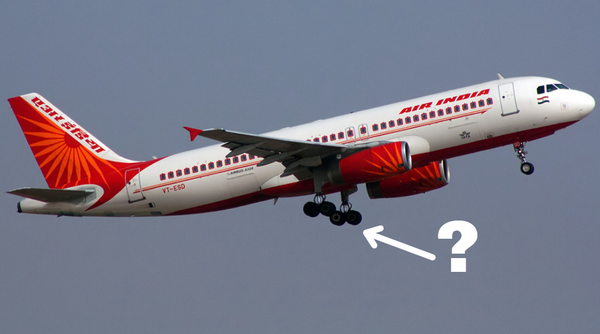 Why Did Some Air India A320s Have Extra Wheels? Bogie Gear Explained
Why Air India operated select Airbus A320s with an unusual bogie landing gear.
INFORMATIONAL
READ MORE »
Why Did Some Air India A320s Have Extra Wheels? Bogie Gear Explained
Why Air India operated select Airbus A320s with an unusual bogie landing gear.
INFORMATIONAL
READ MORE »
More than just headlines.
Get unlimited ad-free access to in-depth aviation news, premium stories, and exclusive insights other sites don't cover.
- Ad-free browsing on AeroXplorer
- Unlimited access to premium and exclusive articles
- Higher photo upload limits & commissions on sales
- Free access to Jetstream Magazine on higher tiers
- Ad-free browsing
- Sell aviation photos with 60% commission
- First week free!
- Everything in Basic+
- Unlimited premium articles
- Sell aviation photos with 70% commission
- Free Digital subscription to Jetstream Magazine
- First week free!
- Everything in Basic+ and Pro
- Sell aviaiton photos with 80% commission
- Early access to exclusive stories
- Free Digital+Print subscription to Jetstream Magazine