


The numbers are shocking - 243,000 people get injured in runway incidents each year. Most travelers worry about flight safety, but getting hurt at an airport happens in unexpected ways. A 24-year-old woman's story serves as a stark reminder. She became permanently paralyzed from the waist down after an airport pedestrian shelter collapsed on her at O'Hare International Airport.
Airport injuries happen more often than most passengers know. A physician needed two surgeries after she hurt her knee badly in a liquid puddle. Dangerous conditions like missing bolts and rusty supports in pedestrian shelters pose serious risks. People get hurt in unsafe parking lots, encounter unattended spills, deal with faulty escalators, or face security issues at airport facilities. Many victims ask if they can take legal action against an airport. The answer is yes, but timing is vital. Injuries occur at airports daily. Taking the right steps right after the whole ordeal can protect your rights and help you get proper compensation.
First 24 Hours: Essential Steps to Protect Your Rights
Quick action after an airport injury helps protect your legal rights. You should get medical care right away, even if injuries seem minor. Some conditions like concussions or internal strains might take hours or days to show symptoms. A medical evaluation creates an official record documenting your condition.
The Cockpit’s Next Revolution: When the Co-Pilot Is a Computer
Your next step is to report the incident to airport security or staff. Make sure you get a written incident report and keep a copy. This paperwork serves as significant evidence in support of your future claim.
The scene needs proper documentation. Clear photographs of the accident area should capture any dangerous conditions that led to your injury. Your visible injuries need photo documentation. You should continue taking photos as they heal. These pictures show how severe your injuries were and how long they lasted.
Witness accounts can substantially strengthen your personal injury claim. Ask people who saw the accident for their names and contact information. Their unbiased statements help confirm your description of what happened.
Medical records, bills, receipts, and all correspondence about the incident need careful preservation. These documents are the foundations of any compensation claim because they prove your injuries and expenses.

Understanding the Legal Side of Airport Injuries
Legal responsibility for airport injuries can be complex because multiple parties handle airport operations. The airport authority, airlines, maintenance companies, and even concession stand operators might be liable. Their liability depends on the location and nature of the injury.
Airport authorities must keep terminal walkways, facilities, and premises safe. Airlines become liable for accidents that occur during boarding or deplaning, or for negligence. Many airports rely on third-party contractors who may be responsible if they act negligently in their assigned areas.
Most U.S. airports are government-owned, which creates unique legal challenges. Claims against these entities are subject to strict rules. Victims must meet shorter deadlines and follow specific procedures. Government entities often limit compensation and, in some cases, cap it at $100,000.
The Montreal Convention sets rules for international flights and airline liability. This framework assumes airlines are negligent when passengers get injured. Passengers don't need to prove the airline's fault. The airline must show that they weren't responsible for the accident.
Airport injury victims can receive compensation for medical costs, lost wages, pain and suffering, and long-term care. Time limits apply strictly to these claims. Private entity cases usually allow two years, while government facilities might require faster action.
For victims facing serious injuries, the process often goes beyond documenting medical expenses. The circumstances of the accident, the severity of the injuries, and the parties involved can all affect what compensation may be available. Stewart Law Offices represents people dealing with serious personal injuries and can assess the circumstances of an accident to help determine what legal options may be available.
Building a Strong Case for Compensation
Strong evidence turns an airport injury case into a winning compensation claim. Photos of the accident scene, witness details, and incident reports provide a strong foundation for a case.
Airport terminals have extensive camera systems that produce powerful surveillance footage. Many systems delete recordings after 30 days, so quick action matters. Your lawyer can send a preservation letter to stop the airport from erasing this vital evidence.
ConsumerShield points out that proving negligence requires four key elements: duty, breach, causation, and damages. Airports must keep their premises safe through regular inspections. They need to remove hazards quickly.
Legal deadlines vary based on location. Private airports give you two years from your accident date. Government-run airports might need notice in just 60-90 days. The Montreal Convention sets a strict two-year deadline for international flights.
Airport injury cases come with complex legal issues and multiple responsible parties. A skilled personal injury lawyer will help you direct these complexities and meet all vital deadlines.
Conclusion
Airport injuries affect thousands of travelers each year without warning. What you do in the first 24 hours after an incident can substantially affect your chances of getting proper compensation. Your health should be your top priority, no matter what your injury may seem like. Getting medical attention right away creates an official record that strengthens future claims while protecting your well-being.
Strong documentation makes a big difference in airport injury cases. You need photos of the accident scene, witness statements, and official incident reports as evidence. Medical records and expense receipts also help build a strong case for compensation.
Airports are complex operations where multiple parties might be responsible for your injuries. The list includes airport authorities, airlines, maintenance companies, and contractors - each with specific legal duties. Government-operated facilities also come with their own set of rules, including shorter deadlines and stricter procedures.
These legal matters might seem overwhelming, but personal injury attorneys know how to handle airport accident cases. They help find liable parties, meet important deadlines, and get you the compensation you deserve.
Time matters if you get hurt at an airport. Get medical help, file a report, collect evidence, and talk to an attorney quickly. Taking action in those first 24 hours can mean the difference between fair compensation and getting nothing at all.
Power Bank Fire Linked to Former KLM CEO Forces Curacao Flight to Turn Back » Ryanair Demands NATS Chief Resign After Second Air Traffic Control Failure in Two Weeks » Two Pilots Accused of Flying Drunk Before Crashing New Private Jet in Libya »

Comments (0)
Add Your Comment
TAGS
INFORMATIONAL Travel Travel Tips Travel Advice Airport InjuryRECENTLY PUBLISHED
 UAE Suspends Iranian Airline Flights to Comply With US Sanctions, Triggering Retaliatory Airspace Ban From Tehran
The UAE has halted all Iranian carrier operations to comply with reimposed US sanctions, prompting Iran to bar Emirati airlines from its airspace.
NEWS
READ MORE »
UAE Suspends Iranian Airline Flights to Comply With US Sanctions, Triggering Retaliatory Airspace Ban From Tehran
The UAE has halted all Iranian carrier operations to comply with reimposed US sanctions, prompting Iran to bar Emirati airlines from its airspace.
NEWS
READ MORE »
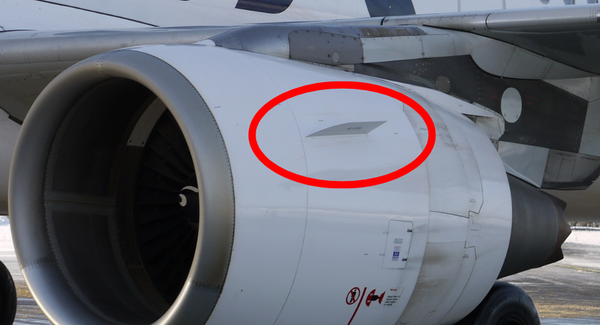 What Are Strakes? The Aerodynamic Fins Attached on an Aircraft's Fuselage
A look at how aircraft strakes quietly shape airflow, improve stability, and enhance aerodynamic performance.
INFORMATIONAL
READ MORE »
What Are Strakes? The Aerodynamic Fins Attached on an Aircraft's Fuselage
A look at how aircraft strakes quietly shape airflow, improve stability, and enhance aerodynamic performance.
INFORMATIONAL
READ MORE »
 BETA Technologies Begins Electric Aircraft Operations in North Carolina to Support Rural Healthcare Access
BETA Technologies launches its ALIA CTOL electric aircraft in North Carolina under a FAA program aimed at improving rural healthcare logistics.
NEWS
READ MORE »
BETA Technologies Begins Electric Aircraft Operations in North Carolina to Support Rural Healthcare Access
BETA Technologies launches its ALIA CTOL electric aircraft in North Carolina under a FAA program aimed at improving rural healthcare logistics.
NEWS
READ MORE »
More than just headlines.
Get unlimited ad-free access to in-depth aviation news, premium stories, and exclusive insights other sites don't cover.
- Ad-free browsing on AeroXplorer
- Unlimited access to premium and exclusive articles
- Higher photo upload limits & commissions on sales
- Free access to Jetstream Magazine on higher tiers
- Ad-free browsing
- Sell aviation photos with 60% commission
- First week free!
- Everything in Basic+
- Unlimited premium articles
- Sell aviation photos with 70% commission
- Free Digital subscription to Jetstream Magazine
- First week free!
- Everything in Basic+ and Pro
- Sell aviaiton photos with 80% commission
- Early access to exclusive stories
- Free Digital+Print subscription to Jetstream Magazine