
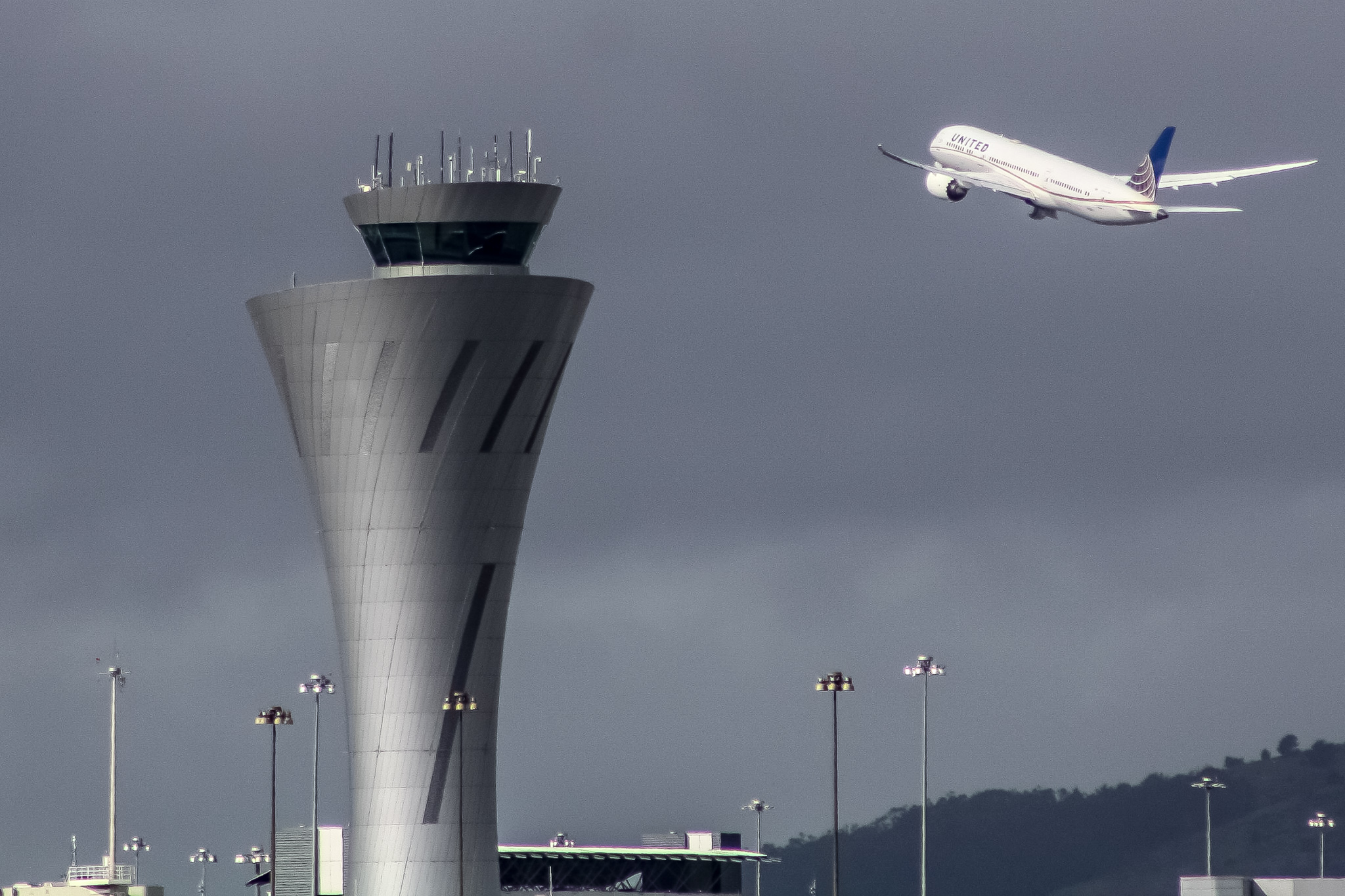

The United States Federal Aviation Administration (FAA) has launched its most unconventional recruitment drive yet, targeting video gamers to fill a chronic and increasingly dangerous shortage of air traffic controllers. Announced on April 10, 2026, by Transportation Secretary Sean Duffy, the campaign is backed by data, driven by urgency, and has already ignited fierce debate about whether joystick reflexes can translate into the safety-critical responsibility of guiding aircraft through the world's busiest skies.
The Shortage in Numbers
The scale of America's air traffic control staffing crisis is stark. The United States currently has 25 percent fewer air traffic controllers in 2026 than it did in 1981. Yet these controllers are expected to manage and direct three times the amount of air traffic that controllers had to deal with back then.
According to a U.S. Government Accountability Office report in January, the past decade has seen a 10 percent increase in the number of flights requiring air traffic control, while the number of controllers has decreased by 6 percent in the same timeframe.
Although there are over 11,000 air traffic controllers currently employed in the US, there is still a severe lack of qualified applicants for the approximately 14,663 total positions it would take for full staffing to be achieved. According to NATCA President Nick Daniels, that gap still stands at more than 3,500.
The human cost of this underpowered system has been felt acutely. Those pressures were underscored by the midair collision between an American Airlines jet and an Army helicopter over Washington, DC, in January 2025 that claimed 67 lives, which investigators have linked in part to staffing levels in the tower that night. The 43-day government shutdown in late 2025 further underscored the system's fragility, when mass controller callouts triggered thousands of flight disruptions and forced regulators to cut 10% of flights to manage capacity.

Enter the Gamers
The FAA and Department of Transportation's new campaign, launched with a video posted by Duffy on social media, targets young Americans with a direct and deliberately gaming-coded message: “You've been training for this.” On the hiring website, the FAA leans into the gaming tactics, reframing job requirements as "mission requirements" and dangling "high score rewards" for joining the team.
The rationale is grounded in internal FAA research. The Department of Transportation and Federal Aviation Administration developed the idea after exit interviews with departing controllers highlighted how video gaming builds the ability to think quickly, stay focused, and manage complexity. When the Trump administration polled 250 new air traffic controllers, all but two were self-described gamers.
The government points out that more than 200 million people in the U.S. regularly play video games. "With only about 25 percent of controllers holding a traditional college degree, this effort is focused on reaching talented young people pursuing alternative career paths, many of whom are active in gaming," the department said.
What Duffy and the FAA Are Saying
Transportation Secretary Sean Duffy framed the campaign as both innovative and necessary:
"To reach the next generation of air traffic controllers, we need to adapt. This campaign's innovative communication style and focus on gaming taps into a growing demographic of young adults who have many of the hard skills it takes to be a successful controller. Thanks to President Trump, we've already made incredible progress with the highest controller staffing levels in six years. There's never been a more exciting time to become a controller and level up into a career with a strong purpose, keeping American families safe."
FAA Administrator Bryan Bedford reinforced the mission:
"Safety is the FAA's top priority, and that starts with hiring top talent and equipping them with world-class tools. We need the best people, the best training, and the best tools because we expect the best results."

How AI Quietly Became the Backbone of Today’s Aviation Industry
The Hiring Window, Pay, and Requirements
The application window for gamers and anyone else who meets the qualifications to be a controller, which include being under the age of 31 and proficient in English, is scheduled to open at midnight on April 17. It will close when the FAA receives 8,000 applicants, or on April 27 if that threshold is not met.
No college degree is required. Selected applicants would be hired as entry-level FG-3 personnel and head to the FAA Academy for training, making $22.61 an hour to start. Based on historical precedent, about 30 percent are likely to fail or burn out. Graduates would select from a list of facilities with the greatest staffing needs and could make anywhere from $47,026 to $177,543 in their first year of on-site training. Some will be eligible for one-time, $10,000 graduation incentives.
Per the FAA's job posting, Certified Professional Controllers (CPCs) made $158,000 on average in 2025. The FAA also aims to hire at least 2,200 new controllers in fiscal year 2026 as part of a broader plan to bring in 8,900 through 2028.
Progress So Far
The administration has pointed to genuine progress. Secretary Duffy has been tackling the air traffic control shortage since day one. The FAA is seeing its highest staffing level in six years, as well as almost 11,000 controllers in service, with more than 4,000 trainees in the pipeline. The FAA hired 20 percent more controllers from January to September in 2025 compared to the same time the year before, with more than five months shaved off the hiring process. A record level of controllers (2,400) were onboarded since last March. The FAA graduated its largest class to date last year.
But the working conditions of existing controllers paint a far grimmer picture. Due to shortages, controllers often work 10 hours a day, six days a week. Often, they are required to handle multiple positions due to absences. Controllers worked weeks without pay during the government shutdown in late 2025. Many called out sick or took on second jobs, such as driving for Uber or DoorDash, as they struggled to afford food, gas, day care, and even lifesaving medicine.
"The failure to pay air traffic controllers for 44 days created uncertainty, drove many experienced controllers out of the profession and harmed the recruitment pipeline," a spokesperson from the Department of Transportation told CBS News.

The Union Response
The National Air Traffic Controllers Association (NATCA) has offered a measured endorsement of the campaign while drawing a clear line about what gaming can and cannot replace. President Nick Daniels stated:
“Our union welcomes innovative approaches to expanding the candidate pool, including outreach to individuals with high-level aptitude skills such as gamers, so long as all pathways maintain the rigorous standards required of this safety-critical profession. NATCA stands ready to continue working with DOT and FAA leadership to accelerate hiring, enhance training success, and ensure the next generation of controllers is prepared to meet the demands of an evolving aviation system.”
Expert Scepticism
Not everyone is convinced that reflexes honed on a gaming headset can substitute for the cognitive depth the job demands. The New York Times reported that experts have raised concerns about whether the move will do enough to overcome the shortage. "When you bring on someone who has gaming experience, particularly with air traffic control, they have an edge up," said former senior FAA air safety official Michael O'Donnell. "They're coming in with a skill set. But it doesn't replace aptitude, or discipline, or decision making under pressure."
There are also questions about the recruitment video itself. It is unclear if the FAA cleared its recruitment video with the gaming publishers, including Xbox; strangely, it's the Xbox One splash screen that's used, rather than a more modern equivalent. The Trump administration does have a habit of not asking permission from IP holders.
A System That Needs More Than New Recruits
The staffing campaign exists alongside a separate but equally urgent infrastructure crisis. ATCs also rely on antiquated technology that has caused communications and radar blackouts. The FAA, in addition to its hiring surge, is undertaking a three-year, $30 billion-plus effort to upgrade thousands of ATC radios, radars, voice switches, and other systems. So far, it has only received $12.5 billion from Congress, though the White House's FY27 budget request includes $4 billion earmarked for ATC "facilities and equipment" upgrades.
The gamer recruitment drive is genuinely creative and data-informed, but it sits within a system that remains under severe structural strain. Whether the next generation of controllers learns their spatial reasoning from a gaming headset or a college textbook matters far less than whether the FAA can train, retain, and fairly compensate the people who keep 45,000 daily flights safely separated in American skies.
Austrian Airlines Flight Diverts to Sofia Under Fighter Escort After Bomb Threat » Aegis Air Bets on By-the-Seat Private Jet Flights From Miami to Caracas » German Eurofighters Intercept British Airways Flight »

Comments (0)
Add Your Comment
TAGS
NEWS FAA Air Traffic Control ATC Shortage Gamer Recruitment US Aviation Safety Transportation Department NATCA Controller Hiring Aviation Staffing Trump Administration ATC Training FAA Academy Flight Safety US Aviation PolicyRECENTLY PUBLISHED
 British Airways Finishes Starlink Wi-Fi Rollout Across Its A350 Fleet
British Airways has installed SpaceX's Starlink Wi-Fi on every Airbus A350 in its fleet, offering passengers free high-speed internet on long-haul flights.
NEWS
READ MORE »
British Airways Finishes Starlink Wi-Fi Rollout Across Its A350 Fleet
British Airways has installed SpaceX's Starlink Wi-Fi on every Airbus A350 in its fleet, offering passengers free high-speed internet on long-haul flights.
NEWS
READ MORE »
 How Delivery Delays Are Reshaping Aviation Sourcing
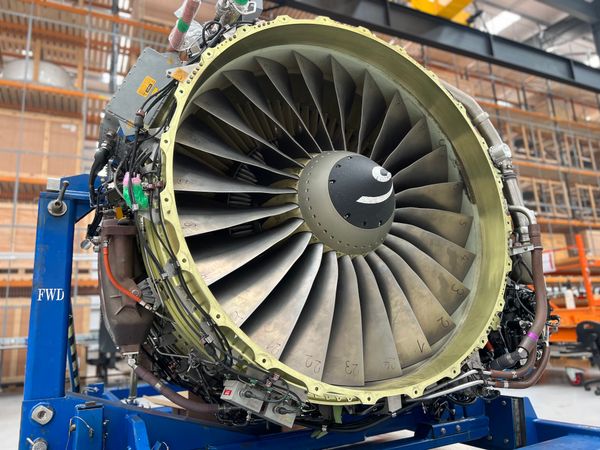
When Boeing and Airbus can't deliver new aircraft fast enough, someone has to keep the old ones flying. That reality, playing out across airline fleets and MRO shops worldwide, is fueling what industry insiders are now calling a defining moment for the aviation aftermarket.
STORIES
READ MORE »
How Delivery Delays Are Reshaping Aviation Sourcing
When Boeing and Airbus can't deliver new aircraft fast enough, someone has to keep the old ones flying. That reality, playing out across airline fleets and MRO shops worldwide, is fueling what industry insiders are now calling a defining moment for the aviation aftermarket.
STORIES
READ MORE »
 Phillips 66 Aviation Donates $23,928 to CAN in Support of Cancer Patient Flights
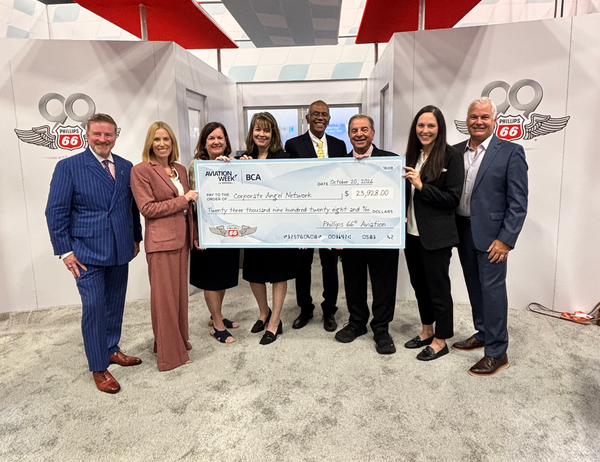
Phillips 66 Aviation presented a $23,928 check to Corporate Angel Network at NBAA-BACE 2026, supporting free flights for cancer patients on corporate aircraft.
NEWS
READ MORE »
Phillips 66 Aviation Donates $23,928 to CAN in Support of Cancer Patient Flights
Phillips 66 Aviation presented a $23,928 check to Corporate Angel Network at NBAA-BACE 2026, supporting free flights for cancer patients on corporate aircraft.
NEWS
READ MORE »
More than just headlines.
Get unlimited ad-free access to in-depth aviation news, premium stories, and exclusive insights other sites don't cover.
- Ad-free browsing on AeroXplorer
- Unlimited access to premium and exclusive articles
- Higher photo upload limits & commissions on sales
- Free access to Jetstream Magazine on higher tiers
- Ad-free browsing
- Sell aviation photos with 60% commission
- First week free!
- Everything in Basic+
- Unlimited premium articles
- Sell aviation photos with 70% commission
- Free Digital subscription to Jetstream Magazine
- First week free!
- Everything in Basic+ and Pro
- Sell aviaiton photos with 80% commission
- Early access to exclusive stories
- Free Digital+Print subscription to Jetstream Magazine