
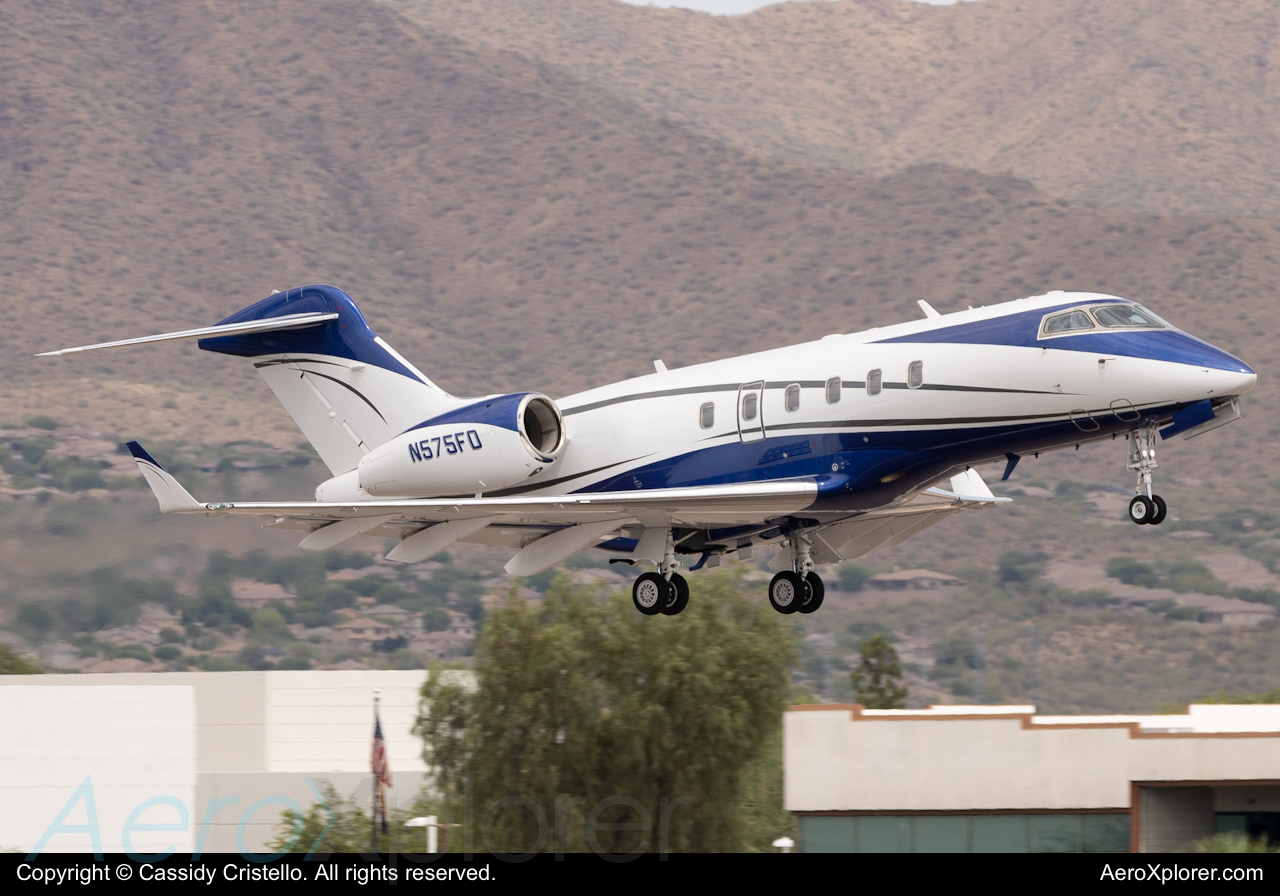

Nowadays, with inflight connectivity at the heart of every passenger experience discussion, the industry is fixated on a singular metric: megabits per second. With the entry of SpaceX's Starlink into the business aviation sector, the narrative has shifted toward a "speed race," where the winner is effectively determined by whoever can deliver the fastest throughput at cruising altitude.
However, while the market is chasing this shiny allure of raw bandwidth, Gogo – the industry's long-standing inflight WiFi incumbent – is taking a different path. In a recent interview with AeroXplorer, Gogo's SVP Dave Falberg made it clear: Gogo isn't competing in a speed race.
Rather, it is competing in a race of reliability and integration.

Specialized vs. General
The most significant hurdle for any newcomer in BizAv is the sheer complexity of the landscape. Unlike residential internet or commercial airline fleets, business aviation serves a highly demanding clientele.
"Customers all over the world globally are very – especially at that end of the market, flying BBJs – very discerning. There's a high expectation around that. Absolutely in the Middle East we experience that as well," Falberg commented. He added, "I think that the [product] wrapped in Gogo's support ecosystem is a perfect mix to make sure that the customer expectation and the performance of the system is delivered in the way that they're expecting."
In fact, Gogo has spent 25 years tailoring its solutions specifically for this niche. While Starlink is viewed as a consumer-centric space company adapted to the aviation industry, Gogo sees itself as a company native to the aviation space, in essence.


Only Way Out: Private Aviation in a Region at War
In Falberg's eyes, choosing Starlink is about buying a "product," while choosing Gogo is about entering an ecosystem. A standalone satellite segment provides data, but Gogo provides a suite of tools that integrate with the aircraft's internal systems.
"One of the reasons that customers come back to us is our flexibility … providing an experience which is not available when you have stand-alone segments on board the aircraft," he said.
The Wrong Metric?
Gogo's success isn't just measured by download speeds, but by the business logic built into the hardware. Along with enterprise-grade safeguards designed to minimize hacking and spoofing, Gogo's products enable a layered infrastructure to ensure a seamless passenger experience, even during a system malfunction.
In fact, for customers using a hybrid Geostationary Earth Orbit (GEO) and Low Earth Orbit (LEO) solution, the system is able to toggle between the two with minimal impact on the user experience.
"In most circumstances, when you switch from LEO to GEO or GEO to LEO, you're not really going to notice any difference," Falberg said. "The only time that you might notice something within video conferencing is if your upload speeds might change slightly, so you might see a little bit of jitter or something as it transfers across, but we try and minimize that with the setup of audio."
But in a world so fixated on download and upload speeds, why does this matter?
The answer comes down to capacity.
Falberg argues that – especially in business aviation – an aircraft does not need to be fitted with the fastest WiFi just because it's available. He related the situation to his WiFi at home:
" I have 500 megabits to my house. My kids are all on there surfing – they're all using their Xboxes, Playstations, whatever else. They barely use above 100 megabits per second. They don't need that much capacity to do it. The same applies when you're onboard an aircraft, when you're streaming video, or you're video conferencing; you're not necessarily going to be using the max capacity that's available on the aircraft."
How Does Gogo Compete?

The "Starlink Speed Race" assumes that LEO satellites are the only answer. However, Gogo disagrees; they have adopted a requirement-first, technology-second philosophy.
Instead of leading with a specific product, Gogo's management teams start with the end goal. If a customer flies exclusively in North America on a light jet, for example, a massive LEO antenna may be overkill. In that case, the drawback of additional drag may not outweigh the benefit of a higher internet speed, so Gogo's Air-to-Ground (ATG) or 5G network may be a better fit.
If the mission is global and high-bandwidth, however, Gogo can still meet this need with a product like Galileo.
By remaining technology-agnostic, Gogo is able to ensure the customer isn't paying for more than they need, or carrying hardware that isn't optimized for their airframe.
Gogo also sees its benefit in its human element when doing business. In the world of business aviation, having to create a support ticket is quite a step back.
In conversation, Falberg supported this, commenting on its reception by Gogo's customer base:
"I think customers really appreciate that they can build relationships with our account management teams, with our support teams. When there is a problem, they're dealing with trained, certified engineers, and they know that within six hours, you can have someone onboard an aircraft, regardless of where you are. It's those types of things that really make a difference, and what we see is going to be an expectation for customers moving forward."
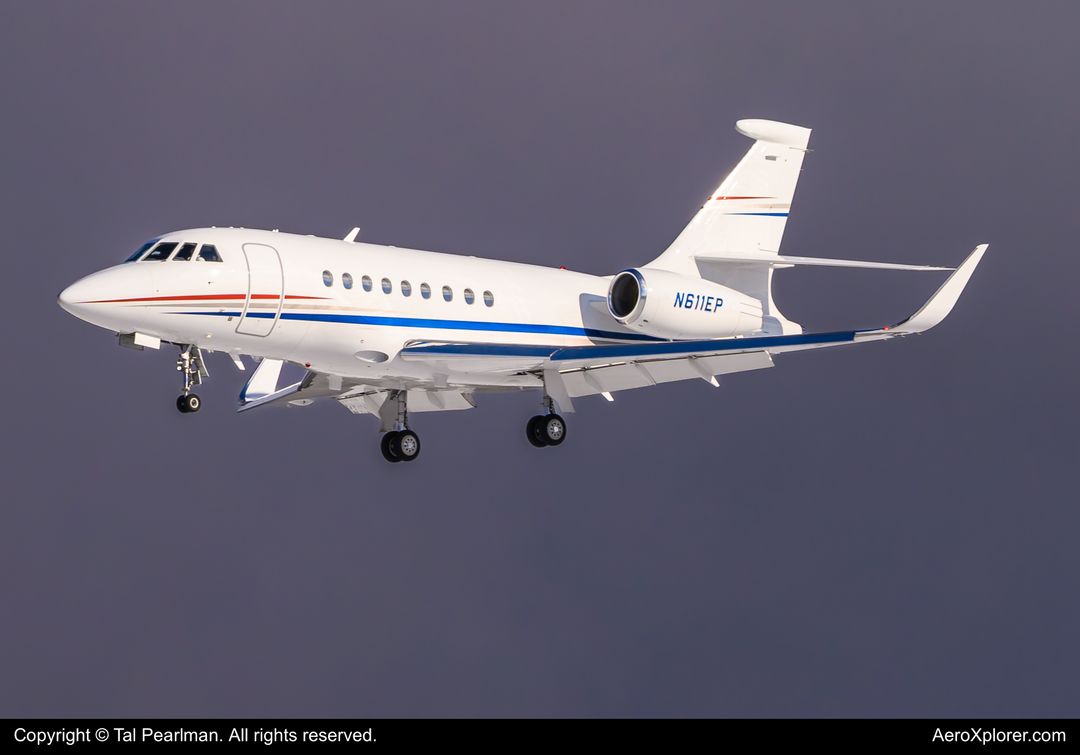
This level of service establishes a high level of trust between Gogo and its customer base that raw WiFi speeds can't replace. For many operators, the peace of mind knowing that a human will answer the phone and show up at the hangar is more valuable than, say, an extra 50 Mbps of speed.
The Long Game
In the long run, the Speed Race may reach a point of diminishing returns.
Once every passenger can stream 4K video, what's next? Further improvements won't be noticed by passengers and would therefore cease to be a selling point.
Gogo's bet is that when the novelty of speed wears off, the demand for reliability and human connection will be the only thing left standing.
6 Key Rules for Claiming Citizenship Status Through Your Parents or Grandparents » Army Report Points to Systemic Failures in Deadly Black Hawk Collision Near Reagan National » Why the A-10 Warthog's Nose Gear Is Offset to the Right »

Comments (1)
 Tim Tang
QUESTION: When does a 50 Mbps connection outperform a 500 Mbps connection?
ANSWER: When the 500 Mbps connection suffers from congestion.
While speeds and feeds are easy to measure, the focus is shifting to QoE (Quality of Experience) for gauging passenger experience.
"You don't always control how much bandwidth you have, but you can always control how you use it!"
Tim Tang
QUESTION: When does a 50 Mbps connection outperform a 500 Mbps connection?
ANSWER: When the 500 Mbps connection suffers from congestion.
While speeds and feeds are easy to measure, the focus is shifting to QoE (Quality of Experience) for gauging passenger experience.
"You don't always control how much bandwidth you have, but you can always control how you use it!"
Add Your Comment
TAGS
NEWS Gogo Inflight WiFi Starlink Travel PAXEX Passenger Experience Onboard WiFiRECENTLY PUBLISHED
 This Week in Aviation: The 10 Stories That Mattered Most
From major airline developments to aircraft updates and industry shifts, this weekly recap highlights the ten most-read aviation stories from the week of October 11.
INFORMATIONAL
READ MORE »
This Week in Aviation: The 10 Stories That Mattered Most
From major airline developments to aircraft updates and industry shifts, this weekly recap highlights the ten most-read aviation stories from the week of October 11.
INFORMATIONAL
READ MORE »
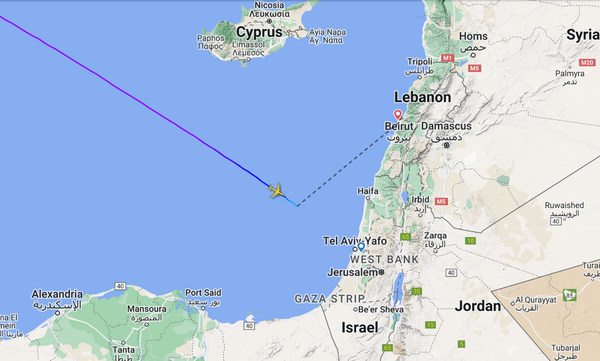 GPS Jamming Is Now a Daily Airline Problem. Here Is How Bad It Has Gotten
GPS jamming and spoofing are disrupting airline navigation across Europe, the Middle East and South Asia. Explore how widespread GNSS interference threatens flight safety, affects airline operations, and what pilots and regulators are doing to manage the growing risk.
INFORMATIONAL
READ MORE »
GPS Jamming Is Now a Daily Airline Problem. Here Is How Bad It Has Gotten
GPS jamming and spoofing are disrupting airline navigation across Europe, the Middle East and South Asia. Explore how widespread GNSS interference threatens flight safety, affects airline operations, and what pilots and regulators are doing to manage the growing risk.
INFORMATIONAL
READ MORE »
 Who Is Accountable When an AI Air Traffic Tool Gets It Wrong?
Who is liable when an AI air traffic control tool gets it wrong? The FAA’s SMART system faces scrutiny over safety testing, controller oversight, and legal accountability as lawmakers question its use in U.S. airspace.
INFORMATIONAL
READ MORE »
Who Is Accountable When an AI Air Traffic Tool Gets It Wrong?
Who is liable when an AI air traffic control tool gets it wrong? The FAA’s SMART system faces scrutiny over safety testing, controller oversight, and legal accountability as lawmakers question its use in U.S. airspace.
INFORMATIONAL
READ MORE »
More than just headlines.
Get unlimited ad-free access to in-depth aviation news, premium stories, and exclusive insights other sites don't cover.
- Ad-free browsing on AeroXplorer
- Unlimited access to premium and exclusive articles
- Higher photo upload limits & commissions on sales
- Free access to Jetstream Magazine on higher tiers
- Ad-free browsing
- Sell aviation photos with 60% commission
- First week free!
- Everything in Basic+
- Unlimited premium articles
- Sell aviation photos with 70% commission
- Free Digital subscription to Jetstream Magazine
- First week free!
- Everything in Basic+ and Pro
- Sell aviaiton photos with 80% commission
- Early access to exclusive stories
- Free Digital+Print subscription to Jetstream Magazine