Originally published in Jetstream Magazine by Daniel Mena.
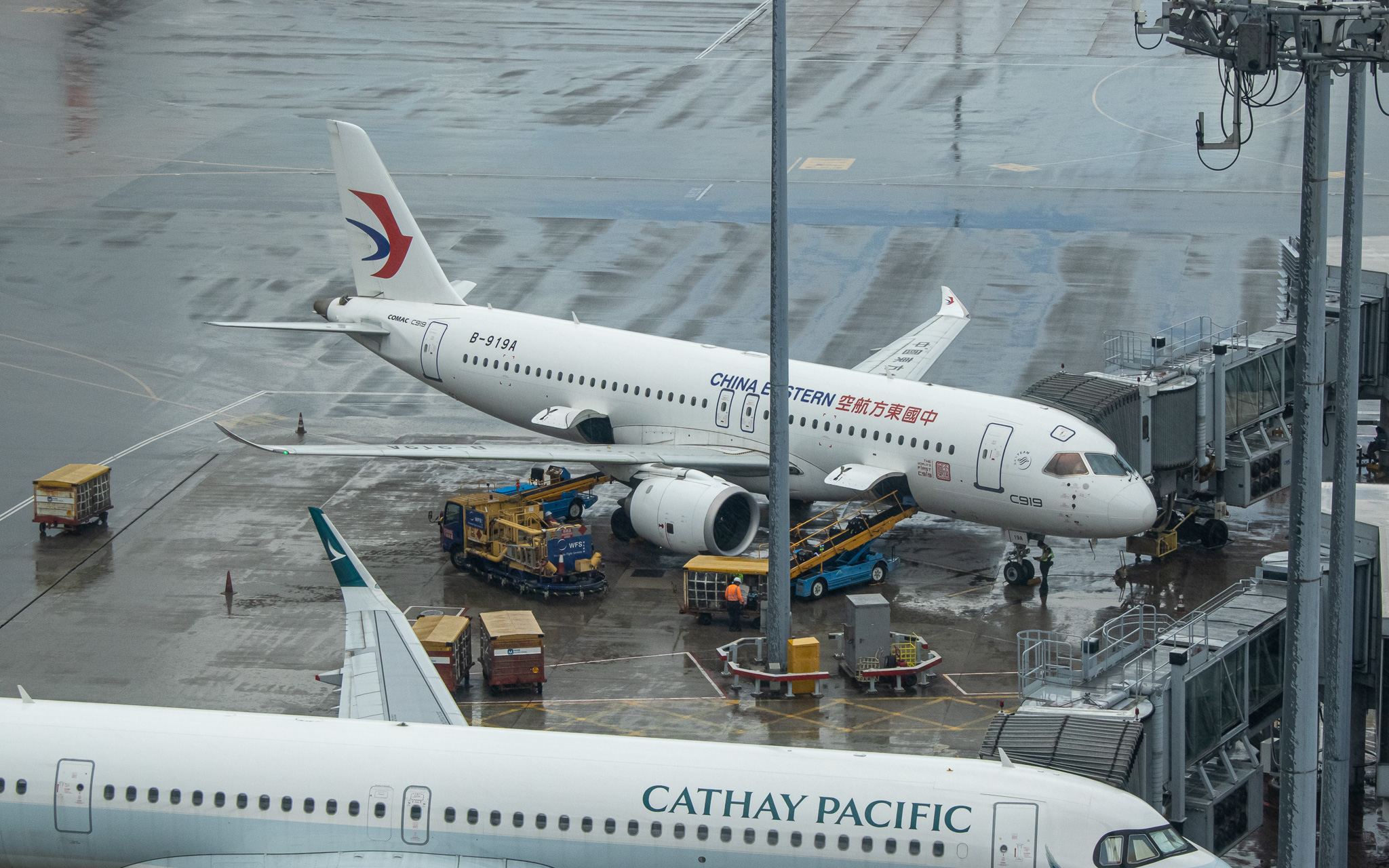
It was a gray September morning at Hong Kong International Airport.
Typhoon Tapa had left me stranded in Macau for three days, but after some time with friends, I was excited to be in the air again. For most travelers at Gate 17, this was an ordinary hop to Shanghai – routine and forgettable. But for me, this was something far more significant.
I was about to board China's COMAC C919, a new, homegrown airliner that had entered service only two years earlier, and one that had carried ambitions reaching far beyond the runway.
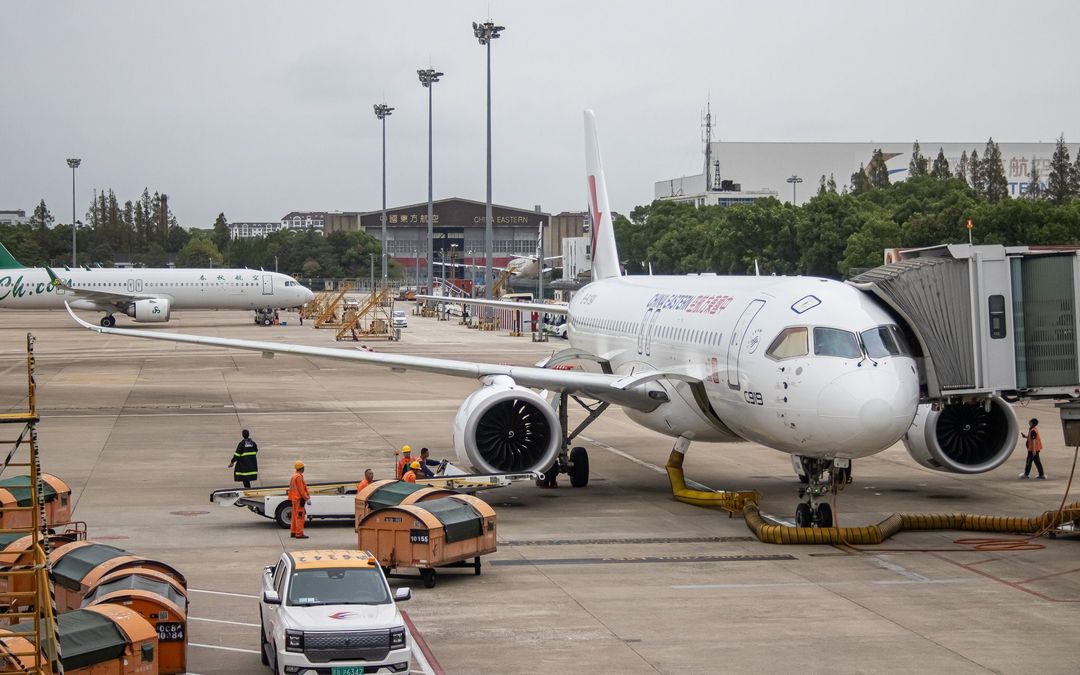
The COMAC C919 is China's domestically-produced short-haul airliner, designed to compete against Boeing and Airbus in an increasingly competitive market. Although the aircraft is still looking to acquire certification outside of China, it is currently being increasingly utilized in regional Chinese routes by Air China, China Eastern, and China Southern.
VIDEO: What It's Like Onboard China's COMAC C919
| Airline | Departure | Arrival |
| China Eastern | Shanghai (SHA) | Chengdu (TFU) |
| China Eastern | Shanghai (SHA) | Guangzhou (CAN) |
| China Eastern | Shanghai (SHA) | Taiyuan (TYN) |
| China Eastern | Shanghai (SHA) | Chongqing (CKG) |
| China Eastern | Shanghai (SHA) | Xi'an (XIY) |
| China Eastern | Shanghai (SHA) | Beijing (PEK) |
| China Eastern | Shanghai (SHA) | Beijing (PKX) |
| China Eastern | Shanghai (SHA) | Shenyang (SHE) |
| China Eastern | Shanghai (SHA) | Wuhan (WUH) |
| China Eastern | Shanghai (SHA) | Xiamen (XMN) |
| China Eastern | Shanghai (SHA) | Shenzhen (SZX) |
| China Eastern | Shanghai (SHA) | Hong Kong (HKG) |
| China Southern | Guangzhou (CAN) | Taiyuan (TYN) |
| China Southern | Guangzhou (CAN) | Changsha (CSX) |
| China Southern | Guangzhou (CAN) | Shanghai (SHA) |
| China Southern | Guangzhou (CAN) | Zhengzhou (CGO) |
| China Southern | Guangzhou (CAN) | Xi'an (XIY) |
| China Southern | Guangzhou (CAN) | Wuhan (WUH) |
| China Southern | Changsha (CSX) | Beijing (PKX) |
| Air China | Beijing (PEK) | Chongqing (CKG) |
| Air China | Beijing (PEK) | Hangzhou (HGH) |
| Air China | Beijing (PEK) | Chengdu (CTU) |
| Air China | Beijing (PEK) | Wuhan (WUH) |
| Air China | Beijing (PEK) | Shanghai (SHA) |
Today, I had the pleasure of flying on board B-919A, the first commercial C919 ever to be produced. Having flown on Airbus A320s and Boeing 737s on a near-weekly basis for the last four years, I was eager to see how the C919 would compare. Could China really build a world-class passenger jet?
The History of COMAC's C919
2008
- 28 October - COMAC launches the C919 program, targeting a maiden flight in 2014.
2010–2015
- Chinese cyber group “Turbine Panda” allegedly infiltrates multiple Western aerospace suppliers to steal intellectual property related to C919 components.
2011
- June - COMAC signs a cooperation agreement with Ryanair for C919 development.
- 24 November - COMAC completes the joint definition phase, ending preliminary design; detailed design scheduled for 2012.
- 9 December - Production begins on the first C919 prototype.
2012
- Composite wing development is completed (but later abandoned)—results not made public until 2018.
2013–2014
- Prototype final assembly expected in 2014, but significant delays occur. Zhuhai Airshow announcement confirms first flight delayed to 2017.
2015
- COMAC rolls out the first C919 aircraft.
HEKLA: Icelandair Retires Hekla Aurora After 31 Years in the Skies
2017
- May - High-speed taxi testing is completed.
- 28 July - The C919 performs its maiden flight from Shanghai Pudong. COMAC announces a 4,200-hour test program aiming for service entry in 2020.
- 28 September - First prototype’s second flight lasts 2 hours and 46 minutes.
- 3 November - First prototype completes its third flight, reaching 3,000 m in altitude.
- 10 November - Prototype is transferred from Shanghai to Xi’an for further testing.
- 17 December - Second prototype completes its maiden flight.
2018
- 12 July - Static load testing simulates a 2.5g maneuver, bending wings nearly 3 meters during testing.
- Mid-year - Reports surface of flight-test grounding for modifications, though COMAC denies grounding and calls the work routine.
- 28 December - Third prototype performs its first flight.
2019
- January-August - COMAC continues to expand its fleet of test aircraft. International espionage investigations result in arrests of four individuals in the U.S. connected to theft of aerospace trade secrets.
- 1 August - Fourth prototype completes its maiden flight.
- 24 October - Fifth prototype completes its maiden flight to support extreme weather and environmental system tests.
- 27 December - Sixth and final flight-test prototype completes its maiden flight.
2020
- 27 November - C919 receives CAAC type inspection authorization, confirming the aircraft’s structural design is finalized.
2022
- 14 May - First pre-delivery flight test of aircraft B-001J (MSN107) is completed at Shanghai Pudong.
- May - COMAC lists the C919 at 653 million yuan (~US$101M), near the price of A320neo/737 MAX.
- 29 September - C919 receives CAAC airworthiness certification.
- 9 December - First operational C919 is delivered to China Eastern Airlines.
2023
- January-April - China Eastern conducts numerous route-proving flights; thrust reverser issues delay verification.
- 7 May - Test flights resume after a three-month grounding.
- 28 May - First commercial passenger service: Flight MU9191 departs Shanghai Hongqiao (SHA) and lands in Beijing Capital (PEK).
- 29 May - Regular daily service begins between Shanghai Hongqiao (SHA) and Chengdu Tianfu (TFU).
- 14 July - China Eastern receives its second C919 (B-919C).
- September - Suparna Airlines signs an agreement to lease 30 C919 aircraft (US$3.6B framework).
- 20 September - Brunei’s GallopAir begins certification processes to operate the C919; deliveries targeted for Q3 2024.
- 12-17 December - The C919 appears at Hong Kong International Airport; on 16 December it performs a demonstration flight over Victoria Harbour.
- 17 December - COMAC and Tibet Airlines sign a deal to jointly develop a high-altitude version of the C919.
2024
- February - C919 performs an international flying display at the Singapore Airshow—its debut outside China; Tibet Airlines orders 40 C919s, including high-altitude variants.
- May 2024 - The first delivered C919 (B-919A) passes its first “A-inspection” after a year of operation.
- 1 June - First commercial flight outside mainland China takes place, flying students from Hong Kong to Shanghai.
- 29 August - Air China takes delivery of its first C919.
2025
- August - Outer wingbox of the first C919-600 (shortened variant) receives CAAC structural approval—the first certified component of the shrunken model.
Onboard the C919
On the inside, the C919 looked just like its competitors: Two rows of business class in a 2-2 configuration and 26 rows of economy class in 3-3 cabin layout. The overhead bins were noticeably small, yet still workable. I remember on the 737, when the overhead bins could easily fit my carry-on with ample space above. Today, my bag barely fit.
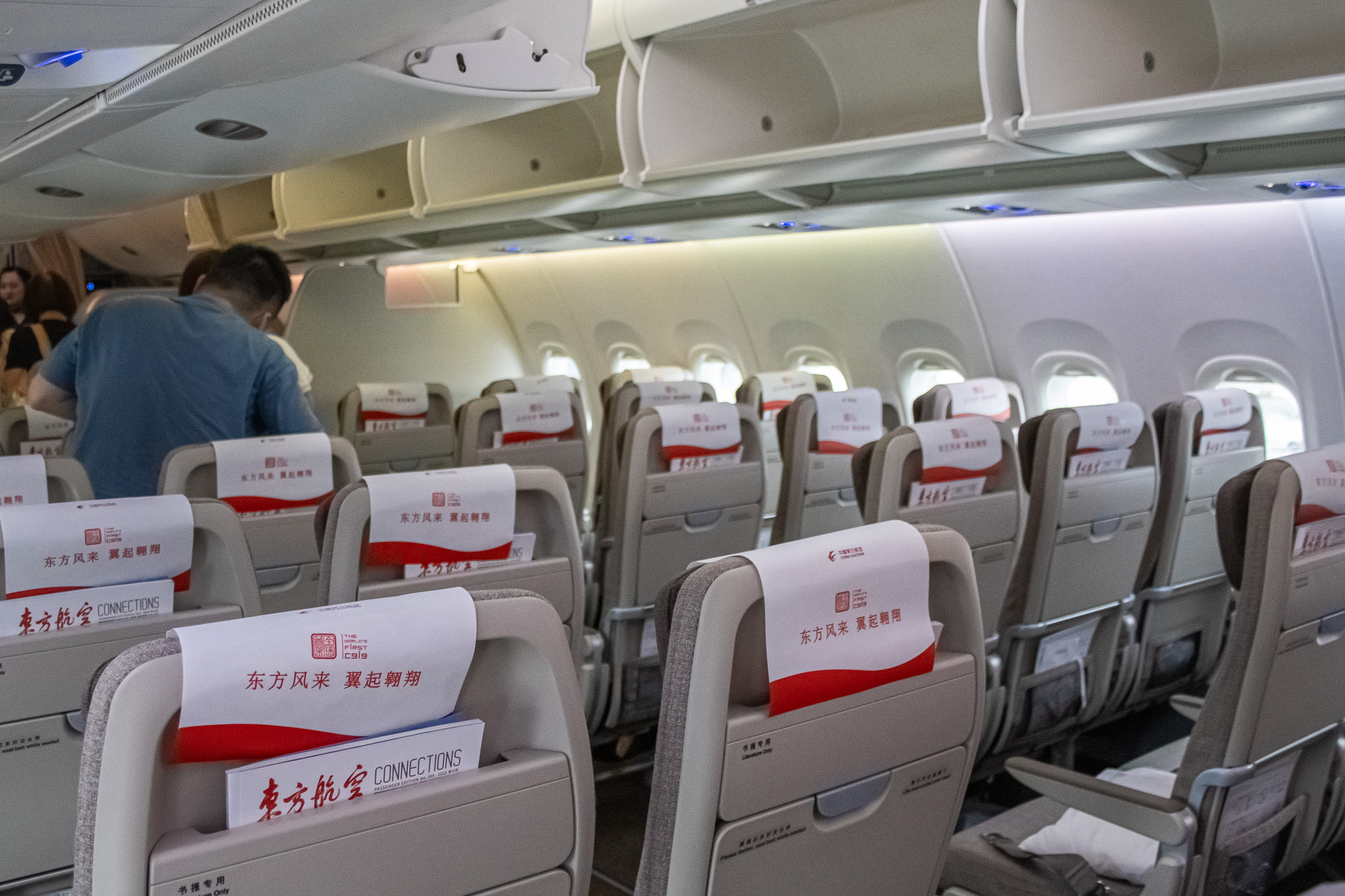
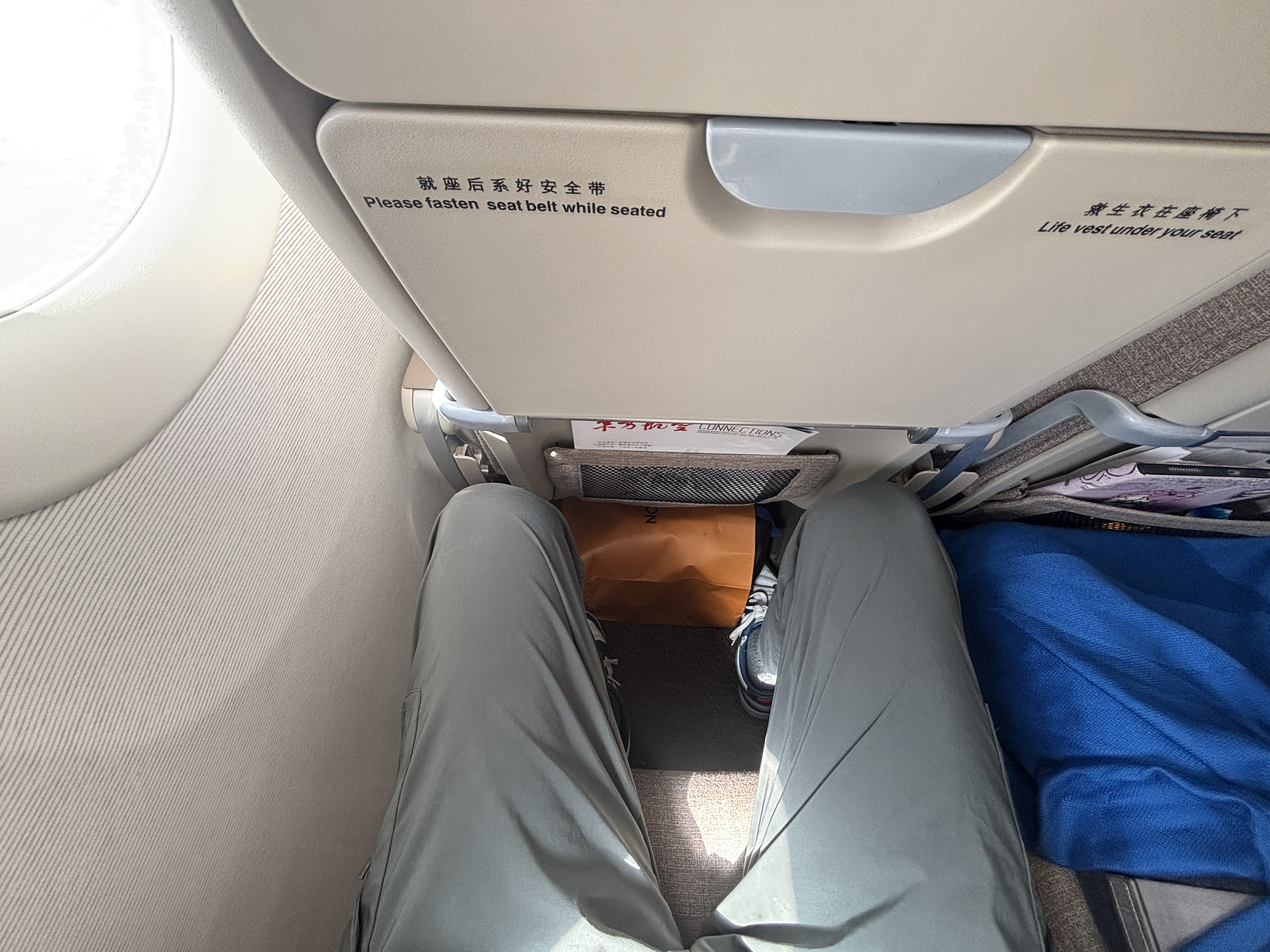
China Eastern's C919s provide an economy pitch of 30 inches, with a width of 18 inches. The seats are thin, a practice that has become increasingly common for airlines looking to maximize passenger density. For reference, Boeing 737s in the United States have an average legroom of 30 to 32 inches, with an average width of approximately 17 inches. COMAC was not far off the mark.
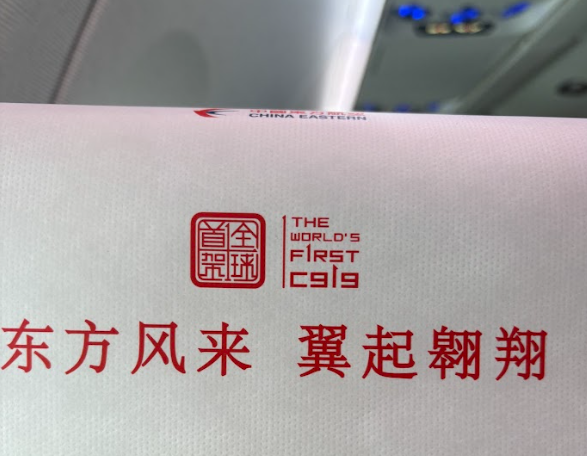
During the safety briefing, flight attendants drew attention to the aircraft, noting we were "flying on the COMAC C919, China's domestically produced commercial aircraft." The airline's pride in the aircraft even extended to the aircraft's decoration, with antimacassars written "The World's First C919."
Not sure if this was only on B-919A, but it was a cool touch, nevertheless.
The major difference I noticed on the C919 was the noise. Shortly before takeoff, I was asked by a flight attendant to remove my headphones (for safety, perhaps?) but, even when listening without earbuds in, I could barely hear the roar of the engine. The aircraft was surprisingly quiet.
Besides the noise, the flight felt like any other: there was a full meal service, in-flight entertainment above every several rows, and a refreshment service, where flight attendants served drinks in cups labeled "The World's First C919."

Game Day: The Unseen Operation Behind College Sports Travel

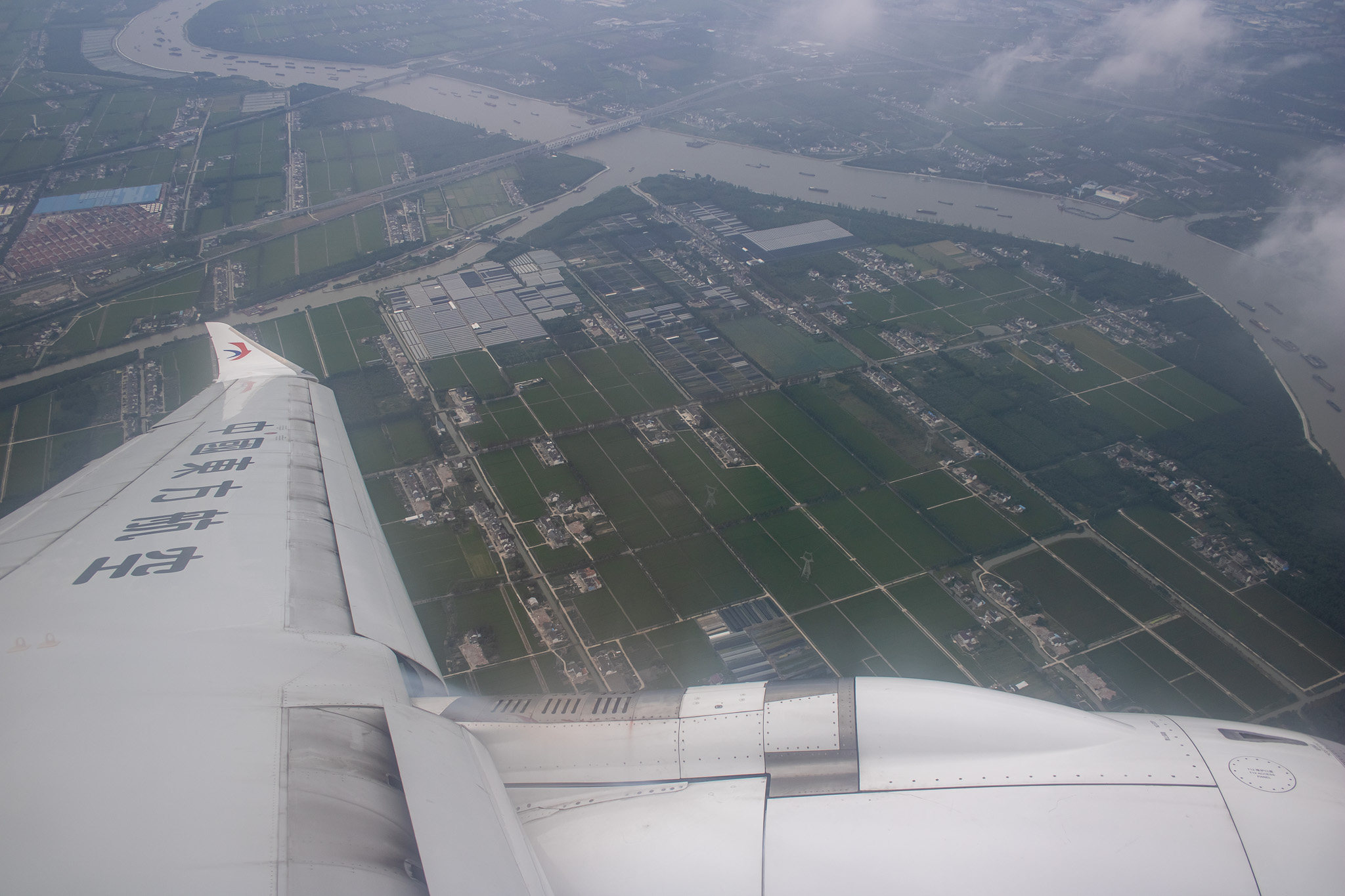
At 2:34 pm local time, approximately 2 hours and 4 minutes after takeoff, we arrived in Shanghai-Hongqiao. Overall, I enjoyed the flight, and I think the C919 is a very strong contender in the short- and medium-haul travel market, at least from a passenger experience perspective.
The Future of the C919
Although the C919 may not yet rival Airbus or Boeing globally, it represents something bigger: the dawn of a multipolar aviation world. Key players are forced to strategically innovate as smaller manufacturers fight to grow their market share.
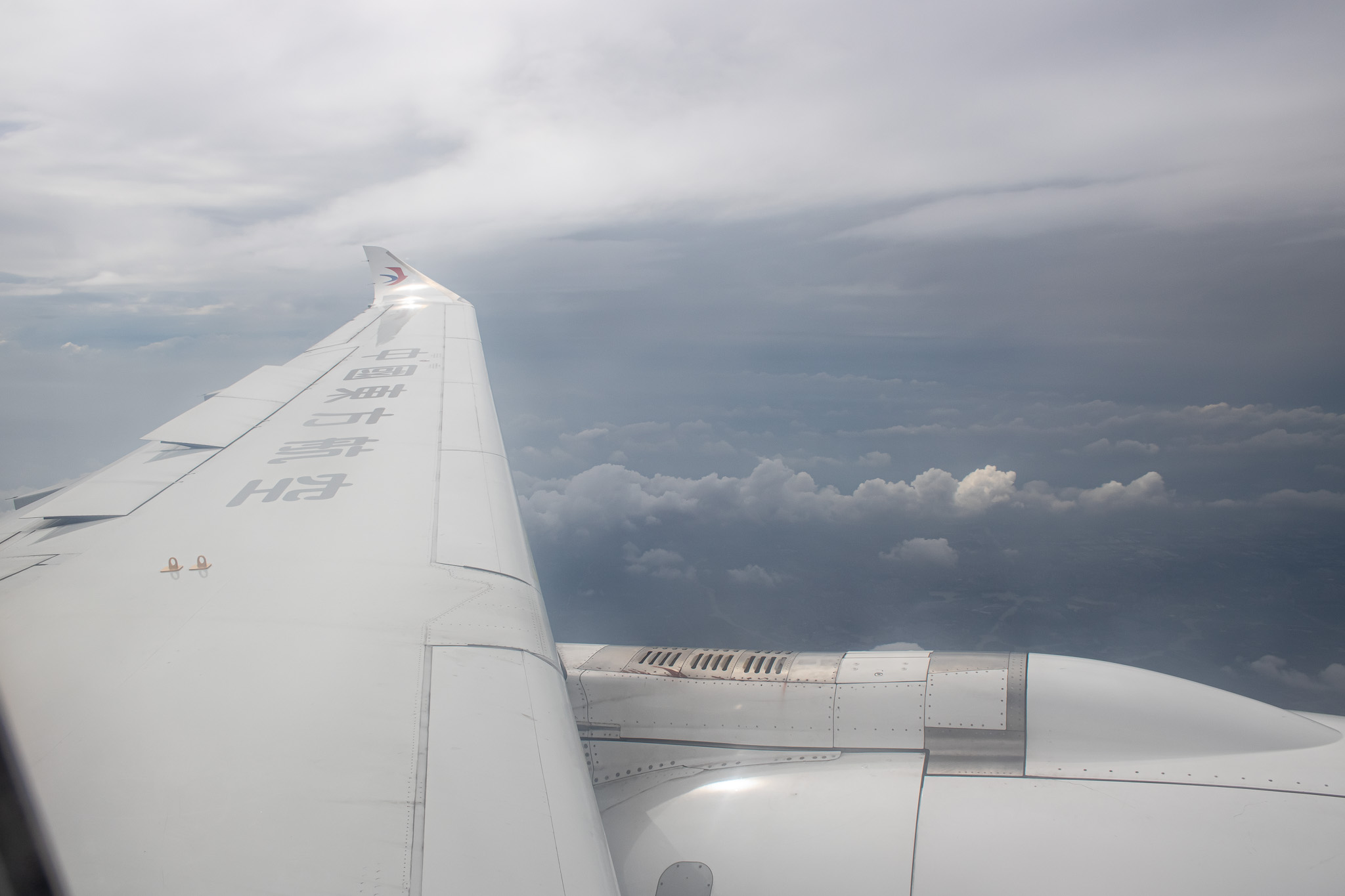
Despite initial goals of 75 deliveries in 2025, COMAC was forced to reduce this goal to 25 aircraft due to operational challenges. Additionally, the C919's reliance on Western components, such as its engines — the CFM LEAP-1C — introduces additional logistical challenges within its supply chain. However, China is working to develop its own domestic engine, the ACAE CJ-1000A, which COMAC plans to utilize on future C919s.
With orders increasing, COMAC is planning on building a second C919 manufacturing plant, allowing it to meet the demand of current and anticipated orders. According to media outlet Science and Technology Innovation Board Daily, the site for this second plant has been confirmed in the "Lin-gang Special Area in Pudong, Shanghai, with a total construction area of 300,000 square meters." This is approximately 3.2 million square feet, approximately three-quarters the size of Boeing's factory plant in Everett, Washington.
The outlet also reported, "Once the project is completed, it will meet the future mass production needs for the C919." The plant is set to open in 2027.
For now, the C919 is restricted to flying within China. However, according to the South China Morning Post, the Civil Aviation Administration of China (CAAC) has been in talks with the European Union Aviation Safety Agency (EASA) to explore certification in the EU. Members of the EASA even completed an on-site inspection of the C919 at Shanghai Airport in July. These strides are promising for the future of the aircraft.
This content is only available with an AeroXplorer+ subscription.
This Startup Wants to Put a Doctor on Every Aircraft » United Airlines Boeing 777 Diverts to Bangor After Intoxicated Passenger Bites Flight Attendant » GA-ASI Introduces Purpose-Built Wildfire UAS for Aerial Firefighting Missions »

Comments (0)
Add Your Comment
TAGS
TRIP REPORTS Jetstream Magazine COMAC C919 Travel ChinaRECENTLY PUBLISHED
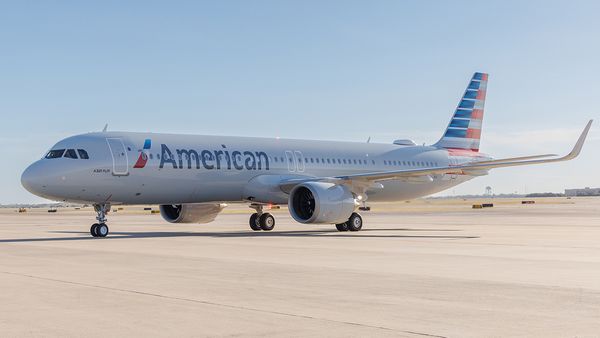 American Airlines Grapples With Faulty Business Class Seats on New Airbus A321XLR Fleet
American Airlines is blocking broken business class suites on its new Airbus A321XLR jets, disrupting premium travelers on transatlantic routes.
NEWS
READ MORE »
American Airlines Grapples With Faulty Business Class Seats on New Airbus A321XLR Fleet
American Airlines is blocking broken business class suites on its new Airbus A321XLR jets, disrupting premium travelers on transatlantic routes.
NEWS
READ MORE »
 NBC NewsChopper 4 Crash in Los Angeles Kills Three, Injures Two While Covering Fatal Bus Collision
An NBC News helicopter crashed in Chatsworth while covering a fatal LA bus collision, killing three and injuring two others in a devastating incident.
NEWS
READ MORE »
NBC NewsChopper 4 Crash in Los Angeles Kills Three, Injures Two While Covering Fatal Bus Collision
An NBC News helicopter crashed in Chatsworth while covering a fatal LA bus collision, killing three and injuring two others in a devastating incident.
NEWS
READ MORE »
 Amazon Suspends Cargo Carrier 21 Air After Deadly Miami Runway Crash
Amazon has halted operations with cargo carrier 21 Air following a Prime Air plane crash near Miami that killed multiple crew members.
NEWS
READ MORE »
Amazon Suspends Cargo Carrier 21 Air After Deadly Miami Runway Crash
Amazon has halted operations with cargo carrier 21 Air following a Prime Air plane crash near Miami that killed multiple crew members.
NEWS
READ MORE »
More than just headlines.
Get unlimited ad-free access to in-depth aviation news, premium stories, and exclusive insights other sites don't cover.
- Ad-free browsing on AeroXplorer
- Unlimited access to premium and exclusive articles
- Higher photo upload limits & commissions on sales
- Free access to Jetstream Magazine on higher tiers
- Ad-free browsing
- Sell aviation photos with 60% commission
- First week free!
- Everything in Basic+
- Unlimited premium articles
- Sell aviation photos with 70% commission
- Free Digital subscription to Jetstream Magazine
- First week free!
- Everything in Basic+ and Pro
- Sell aviaiton photos with 80% commission
- Early access to exclusive stories
- Free Digital+Print subscription to Jetstream Magazine