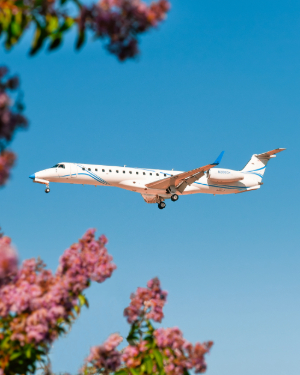
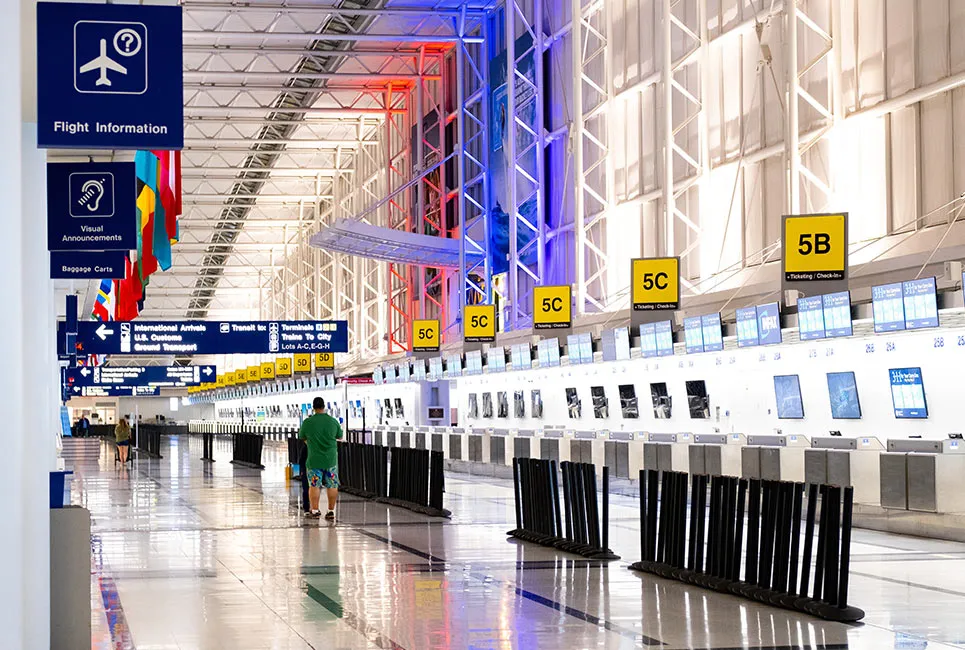
Airports are like noisy cities. A dedicated team ensures everything works properly, even on the final flight of the night. Clean the aircraft, solve mechanical issues, and prepare for a busy day. Early risers won't have to wait to board. A recent peek behind the scenes of United Airlines' nighttime Denver International Airport operations demonstrated its complexity. Denver, one of the airline's hubs, handles hundreds of flights daily. Night shifts are crucial for successful operations.
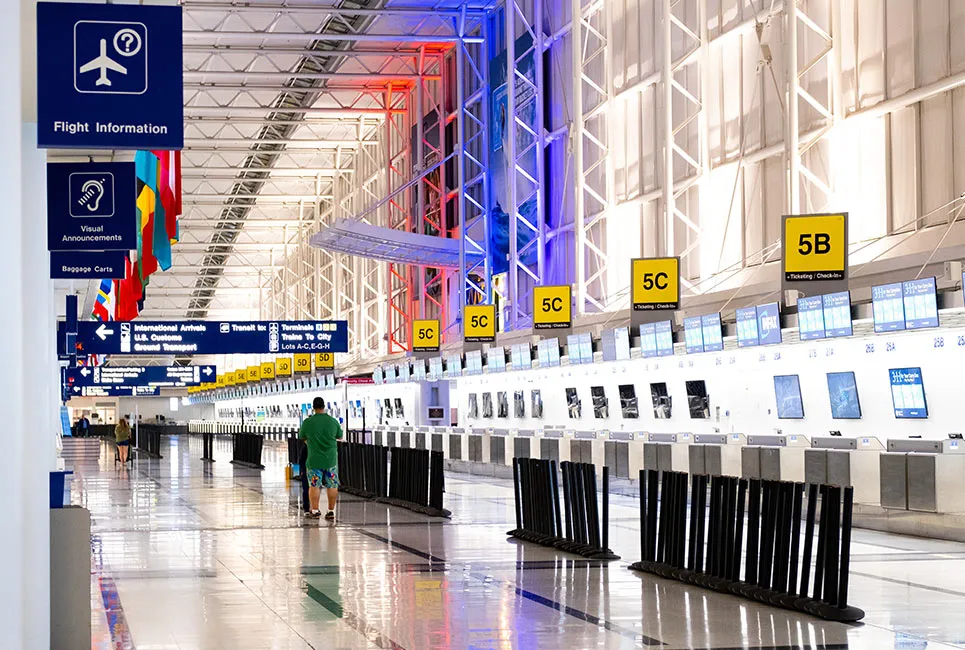
Starting the Night at the Systems Operations Center
Action begins at 10 p.m. in the concealed Systems Operations Center (SOC) behind Concourse B. This area is United's Denver hub, with 70 gates handling a regular flow of flights. About 40 people sit at workstations with screens throughout the day, keeping it bustling. The pace is steady, almost rhythmic, a bit like when people step away for a short mental reset, similar to how some unwind and take Casino Adrenaline no deposit bonus instantly between tasks, not for distraction but to stay sharp. These workers are responsible for many services, from making sure customer needs are met to coordinating meals loaded onto aircraft.
Zone manager Mike Lowrey, who is an important part of this setup, is in charge of how the resources are used. His team keeps an eye on weather trends that could affect flying and gives people jobs like setting up jet bridges for planes that are coming in. Any small problem, like a filling truck being late, can throw off the plan, so the SOC's job is very important. There was a focused but quiet environment that evening, as staff members juggled many tasks to finish up the day's work and get ready for tomorrow.
Ensuring Smooth Connections for Late Arrivals
Last-minute meeting details are considered by 11 p.m. The final flight wasn't until 12:45 a.m., so the staff had little time to help waiting customers. Customer support staffer Dave Hawkins checks his screens for aircraft arrivals. He specializes in big links. At 11:46 p.m., a Houston jet was expected to arrive with passengers for the final trip to Pasco, Washington.
Hawkins said airline delays are carefully considered, particularly for wheelchair users exiting Houston. It may look easy to hold an airplane, but you have to talk to pilots, gate workers, and ground staff quickly. This teamwork keeps customers happy and makes sure that links aren't missed. Even though it's late at night and quiet, Hawkins' alertness shows how airlines still put customer flow first, even when the airport is busy.
Deep Dive into Aircraft Maintenance
The massive maintenance hangar a mile from the main airport is the focus from 11 p.m. until 2 a.m. During this trip, 18 United planes stayed the night in Denver. Ten stayed at the gates so they could be turned around quickly, while eight were pulled to the garage so they could be worked on more thoroughly. Technicians can do fixes without disturbing places for passengers because of this split.
Maintenance manager Tim Fleck gives us the process while pointing out an Airbus 319 from Reno at 8:45 p.m. The crew intended to replace the main engine before departing for Canada at 11:30 a.m. An Airbus 320 from Las Vegas landed at 9 p.m. and reached the hangar around 10:30 p.m., requiring a new auxiliary power unit. This device starts engines and powers the ground. To take off at 7:56 a.m. for New York, it had to be ready by 6:30.
Other planes in the bays were getting regular checks or major repairs. Fleck says that these tasks are hard to do but get done quickly and correctly 97% of the time. It's important to meet goals because leaving early sets a good tone for the day. If morning aircraft are late, network connectivity might suffer. Bright lights and buzzing equipment in the hangar make time seem to be rushing away, yet experts work slowly and meticulously with sophisticated tools to ensure safety and reliability.
The Unsung Heroes: Cleaning the Fleet
When most people are asleep, Prime Flight, a contractor, cleans the aircraft inside around 2 a.m. People expect clean rooms, so this crew cleans seats, disinfects surfaces, and organizes. Nighttime aircraft repairs were underway in the garage. This happens nightly for 20 standard airplanes and six fast flights.
The cautious process is described by operations manager Jia Spain. The staff utilizes 1, 2, and 3 chemicals in the galleys and restrooms. Colored rags prevent cross-contamination, meeting cleaning requirements. In addition to cleaning, they put magazines back in the seat-back pockets, report lost things, which has happened before and included $5,000 in cash, and do security sweeps to look for anything fishy.
This job is crucial to health and safety, particularly after a pandemic. The dark rooms are swiftly cleaned, making worn-out sections appear fresh for the next visitors. Their effort illustrates how vital every detail is for a pleasant flight.
Here is a list of the most important things the cleaning crew did:
- Seats and tray tables are being vacuumed and wiped down.
- Using special chemicals to clean places that people touch a lot.
- New reading material and perks for the trip.
- Doing detailed checks for security.
- Reporting and taking care of anything found.

Coloring the Clouds: How ANA Turned Airplanes into Art
Monitoring the Big Picture Back at SOC
Returning to the SOC at 3 a.m., the terminal seems unnaturally quiet, with just a skeleton workforce on duty. Multiple departments that function during peak hours are covered by Mike Lowrey and a coworker overnight. They manage the overall business and assign limited staff.
This is especially important for the "STAR" trips that leave before 9 a.m., which stands for "Start the Airline Right." Lowrey checks in with the repair teams to make sure that the planes will arrive back at the gates on time. ITo avoid delays, they may swap aircraft. Everything went well this morning, and Lowrey said all planes, beginning with the 5:30 a.m. journey, would leave on schedule. This proactive approach helps the organization keep to its objectives.
Early Morning Buzz: Check-Ins and Preparations
The airport wakes up at 4–6 a.m. Coffee outlets operating 24/7 assist exhausted workers and early risers refuel. Early flyers check in and get through security queues in the ticket hall using booths. People remove their shoes, and baggage is examined.
This time between the night shift's work and the start of the day is called the changeover period. Ground workers finish where the planes will land, and agents set up the places where people can board. Everyone stays awake thanks to the caffeine in that big coffee, which shows how human factors like rest and drinks help the operation run smoothly.
Pilots Gear Up for the Day
The Flight Operations Center gets very busy around 6 a.m. This area is where all the pilots gather. It has seats, snacks, and even a store where you can buy things like ties and epaulets that are required for your outfit. A lot of flight data is now stored digitally on iPads, but many teams still come here to use the computers to go over their plans.
Here is a list of regular things that you can buy at the pilots' shop:
- Use clip-on ties to quickly fix your outfit.
- Rank symbol epaulets that can be replaced.
- Snacks and drinks to give you energy before the trip.
- Basic things like pens and notepads.
Wrapping Up the Overnight Adventure
At 7:30 a.m., the watch ends with a walk to the gate, which is a lot like showing a young visitor the way. The flight leaves at 8:08 a.m., right on time, thanks to the SOC team's monitoring, after meeting the crew and boarding with a free set of plastic wings. This smooth exit shows the hard work that goes on all night, when millions of people fly safely every year.

Memphis at Midnight: Inside FedEx's Global Superhub
Overall, this look into what goes on in Denver at night shows how dependable companies like United are. Every job is linked to every other role, from coordinating in the SOC to doing maintenance and cleaning by hand. The method works best at night, when it's quiet and efficient. During the day, airports may look like a mess. Because of how hard these teams work, travel goes smoothly even when there are problems. This shows that behind every on-time flight is a well-orchestrated nighttime dance.
British Airways Flight Delayed After Emergency Slide Accidentally Deploys Onto Ground Truck in Montreal » ANA Finalizes Order for Eight More Embraer E190-E2 Jets, Bringing Total Commitment to 28 Aircraft » EU ETS Aviation Could Expand in 2029 - Here's What Changes »

Comments (0)
Add Your Comment
TAGS
NEWS Travel Fun FactsRECENTLY PUBLISHED
 Cathay Pacific Teams Up With Google to Use AI Against Contrails
Cathay Pacific and Google are testing AI tools to help pilots avoid creating contrails, the white streaks conspiracy theorists call chemtrails.
NEWS
READ MORE »
Cathay Pacific Teams Up With Google to Use AI Against Contrails
Cathay Pacific and Google are testing AI tools to help pilots avoid creating contrails, the white streaks conspiracy theorists call chemtrails.
NEWS
READ MORE »
 Trump Demands Bombardier Manufacture in U.S. to Access American Market
President Trump says Canadian planemaker Bombardier must build aircraft on U.S. soil to sell to American customers, escalating trade tensions with Ottawa.
INFORMATIONAL
READ MORE »
Trump Demands Bombardier Manufacture in U.S. to Access American Market
President Trump says Canadian planemaker Bombardier must build aircraft on U.S. soil to sell to American customers, escalating trade tensions with Ottawa.
INFORMATIONAL
READ MORE »
 Alaska Air Group Faces $521,000 Lawsuit After Rain Ruins 11 Japanese Artworks in Checked Luggage
A Hawaii art dealer is suing Alaska Airlines for over $521,000, claiming rain destroyed 11 Japanese paintings left on the tarmac in Honolulu.
NEWS
READ MORE »
Alaska Air Group Faces $521,000 Lawsuit After Rain Ruins 11 Japanese Artworks in Checked Luggage
A Hawaii art dealer is suing Alaska Airlines for over $521,000, claiming rain destroyed 11 Japanese paintings left on the tarmac in Honolulu.
NEWS
READ MORE »
More than just headlines.
Get unlimited ad-free access to in-depth aviation news, premium stories, and exclusive insights other sites don't cover.
- Ad-free browsing on AeroXplorer
- Unlimited access to premium and exclusive articles
- Higher photo upload limits & commissions on sales
- Free access to Jetstream Magazine on higher tiers
- Ad-free browsing
- Sell aviation photos with 60% commission
- First week free!
- Everything in Basic+
- Unlimited premium articles
- Sell aviation photos with 70% commission
- Free Digital subscription to Jetstream Magazine
- First week free!
- Everything in Basic+ and Pro
- Sell aviaiton photos with 80% commission
- Early access to exclusive stories
- Free Digital+Print subscription to Jetstream Magazine