NELLIS AIR FORCE BASE, NV — In a move that signals a tectonic shift in American airpower, the U.S. Air Force is preparing to stand up its first-ever experimental unit dedicated solely to "One-Way Attack" (OWA) drones.
For decades, the Air Force has prioritised "exquisite" technology, multimillion-dollar stealth jets and precision-guided missiles. However, the brutal lessons of recent conflicts in Ukraine and the Middle East have prompted a pivot. The service is now looking to embrace the "mass and affordability" model, fielding thousands of low-cost, expendable "kamikaze" drones to overwhelm and disrupt peer adversaries.

The Birth of the Second EOU
The new formation will be the Air Force’s second Experimental Operations Unit (EOU). While the first EOU (part of the 53rd Wing) focuses on the high-end Collaborative Combat Aircraft (CCA) program, this second unit will focus on the "Group 1 and Group 2" drones, small, cheap, and meant to be lost in combat.
According to the latest reports, the unit is slated to launch in mid-2026, likely operating under Air Force Special Operations Command (AFSOC) in collaboration with the 53rd Wing and Air Combat Command. Planners are already designing the "unit of action," which will include command-and-control elements and "fire units" capable of launching swarms over distances of 600 to 1,000 miles.
"We are seeing the need for units organised, trained, and equipped to employ these particular capabilities so they can be ready to fight when called upon," a senior Air Force official noted, highlighting that these drones are now being treated more as "commodities" than traditional aircraft.
HEKLA: Icelandair Retires Hekla Aurora After 31 Years in the Skies
The "American Shahed"
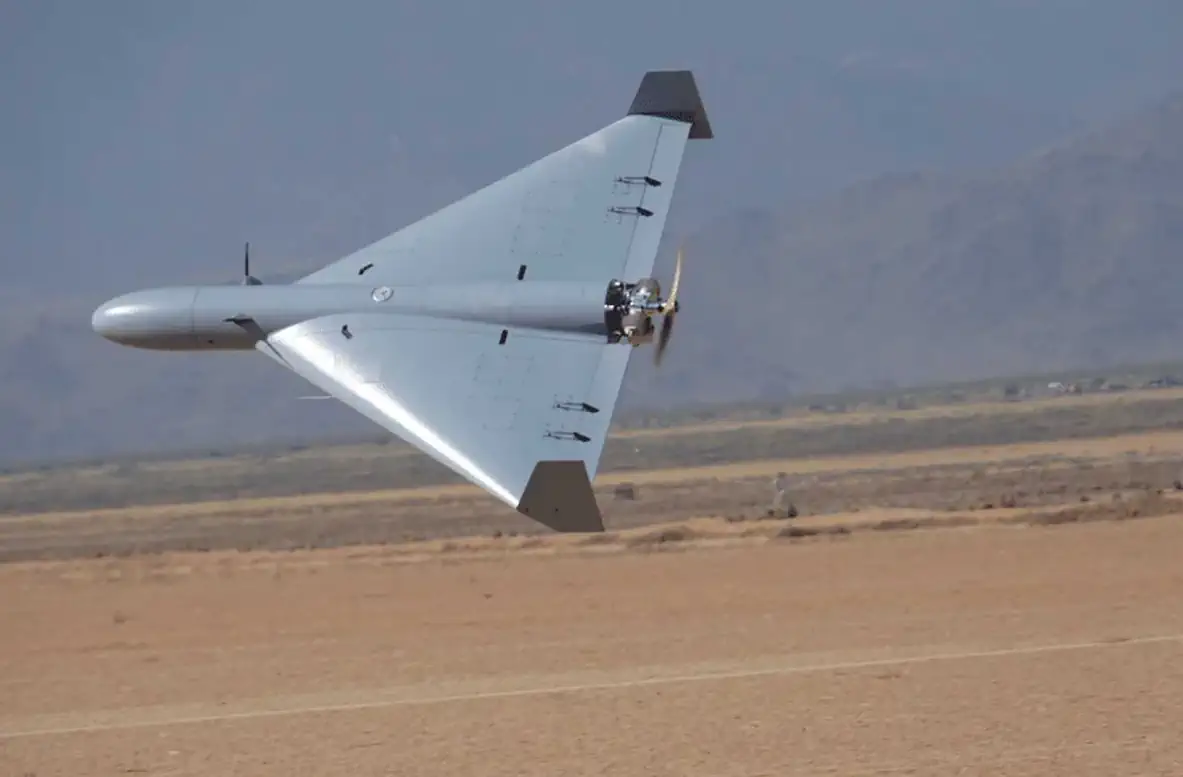
The centrepiece of this new capability is the LUCAS (Low-cost Unmanned Combat Attack System). In a surprising turn of "imitation is the sincerest form of flattery," the U.S. has effectively reverse-engineered the successful Iranian Shahed-136 design to create a robust, Western-standard OWA platform.
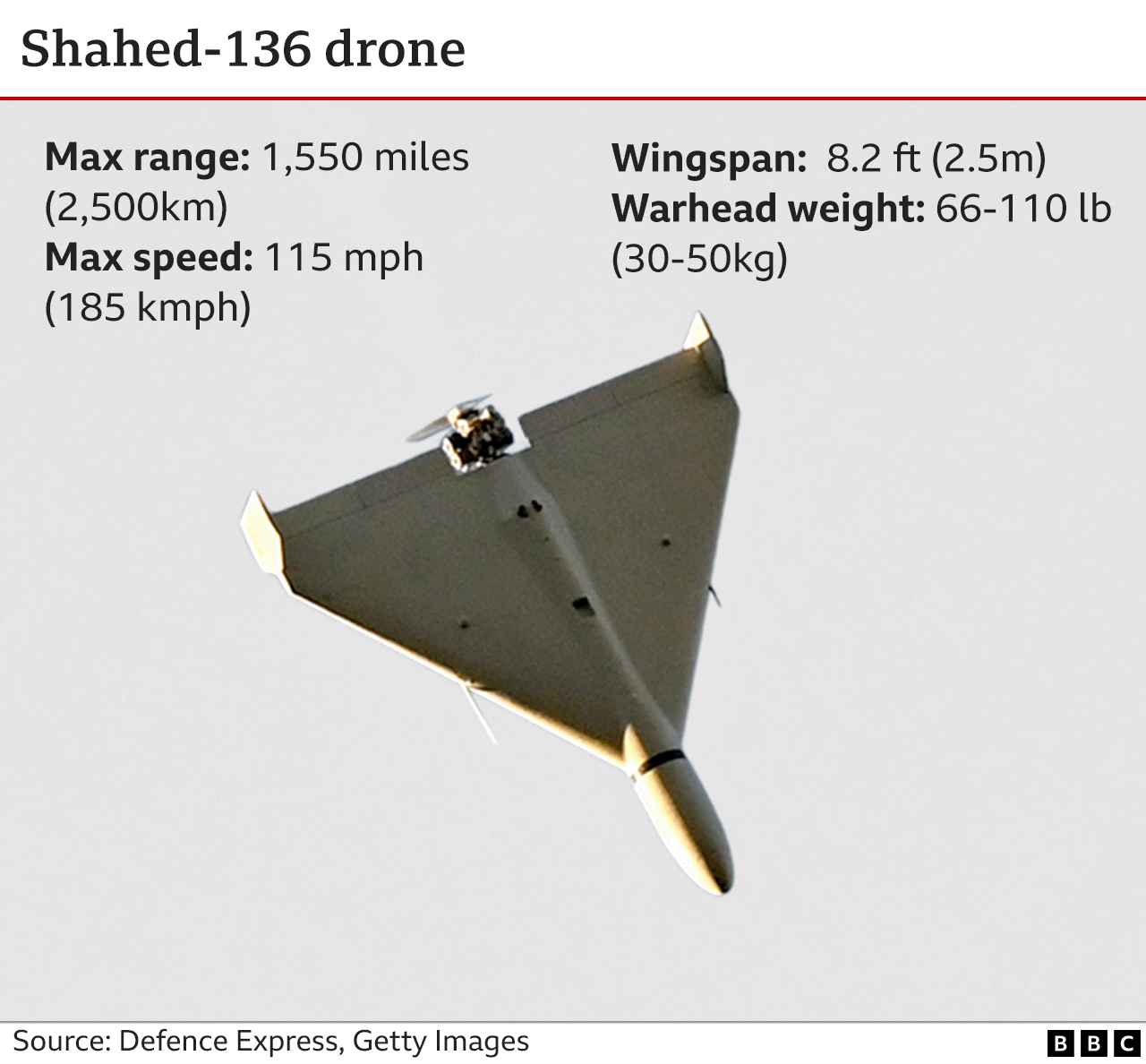
Key Specifications of the LUCAS Drone
| Feature | Details |
|---|---|
| Type | One-Way Attack (Kamikaze) Loitering Munition |
| Range | 600 – 1,000 Miles (Stand-off capability) |
| Cost | Approx. $35,000 per unit (compared to $2M+ for a Tomahawk) |
| Launch Methods | Catapult, Rocket-Assisted Takeoff (RATO), or vehicle-mounted |
| Guidance | Autonomous with satellite data links for dynamic retargeting |
Why Now? The "Replicator" Initiative
This experimental unit is the operational tip of the Pentagon's Replicator initiative. Spearheaded by the Defence Innovation Unit (DIU), Replicator aims to field "multiple thousands" of autonomous systems across all domains by mid-2025.
The strategy is clear: Counter China’s mass with American mass. By using "attritable" (expendable) drones like LUCAS, the Air Force can conduct "Agile Combat Employment" (ACE). Small teams of Airmen could operate from ad-hoc bases in the Philippines or other Pacific islands, launching waves of OWA drones to strike enemy naval assets or air defences without risking a $150 million F-35 or its pilot.
5 Fascinating Facts About the OWA Plan
The Shahed Clone: The LUCAS drone was developed by reverse-engineering captured Iranian tech, initially to serve as a "threat representative" target in training, before the Pentagon realised its offensive potential.
Mothership Capabilities: The Air Force is testing the Altius 600 loitering munition to be launched directly from MQ-9 Reapers, turning the famous surveillance drone into a "drone carrier."
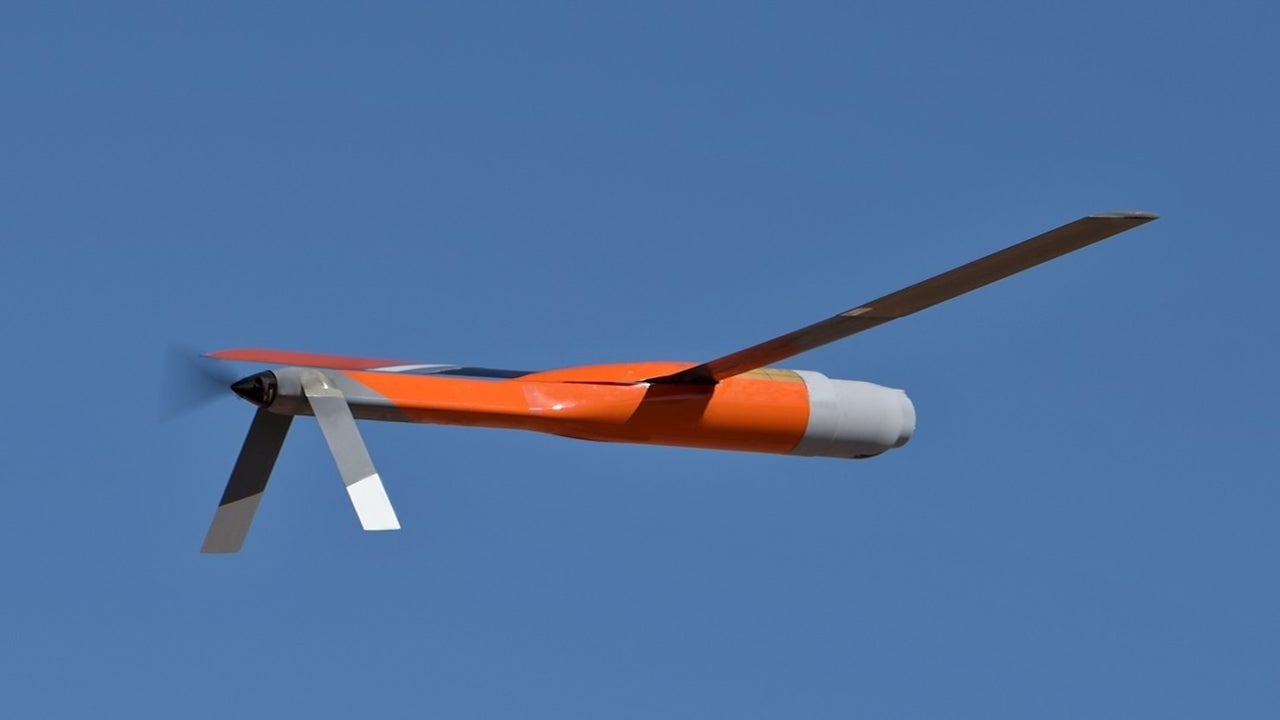
Swarm Intelligence: These drones aren't just flying bombs; they are designed with "collaborative autonomy," allowing a single operator to manage a swarm that can communicate and coordinate targets in real-time.
A "Fire and Forget" Revolution: Unlike traditional drones that require constant pilot input, these OWA units are being designed to operate in "GPS-denied" environments, using internal mapping and AI to find their way.
Beyond Land: While primarily an Air Force and Army effort, the U.S. Navy recently test-fired a LUCAS drone from a Littoral Combat Ship (LCS), proving these units can be launched from almost any flat deck at sea.
The Path Forward
As the Air Force prepares to formally stand up this experimental unit, the focus will shift to Tactics, Techniques, and Procedures (TTPs). The goal is not just to have the drones, but to figure out how to integrate them into the "Kill Chain" connecting them with F-35 sensors and space-based assets to create a seamless, overwhelming strike force.
Inside Dovetail Electric Aviation's Landmark Path to Zero-Emission Flight » airBaltic Launches Swiss Subsidiary to Expand Pilot Employment and ACMI Operations » Tourist Plane Crash in Peru Claims 13 Lives Near Nazca Lines »

Comments (0)
Add Your Comment
TAGS
NEWS Defence Drones OWA One-Way Attack US Air Force Drone Unit LUCAS Drone Military Technology Aerospace Innovation Future Warfare Unmanned Aerial Systems (UAS)RECENTLY PUBLISHED
 Tourist Plane Crash in Peru Claims 13 Lives Near Nazca Lines
A small tourist aircraft crashed in Peru, killing all 13 people aboard during a sightseeing flight over the famous Nazca Lines.
NEWS
READ MORE »
Tourist Plane Crash in Peru Claims 13 Lives Near Nazca Lines
A small tourist aircraft crashed in Peru, killing all 13 people aboard during a sightseeing flight over the famous Nazca Lines.
NEWS
READ MORE »
 JetBlue Offers Flight Attendants $5,000 Bonuses to Work Days Off Amid Operational Meltdown
JetBlue is paying flight attendants $5,000 bonuses to pick up shifts on their days off as the airline battles widespread disruption.
NEWS
READ MORE »
JetBlue Offers Flight Attendants $5,000 Bonuses to Work Days Off Amid Operational Meltdown
JetBlue is paying flight attendants $5,000 bonuses to pick up shifts on their days off as the airline battles widespread disruption.
NEWS
READ MORE »
 Pilot Smuggles 70,000 Ecstasy Pills While High on Meth and Cocaine, Facing Death Penalty
Indonesian authorities arrested a Malaysian pilot carrying 70,000 ecstasy pills at Kualanamu airport. He tested positive for meth and cocaine and faces the death penalty.
NEWS
READ MORE »
Pilot Smuggles 70,000 Ecstasy Pills While High on Meth and Cocaine, Facing Death Penalty
Indonesian authorities arrested a Malaysian pilot carrying 70,000 ecstasy pills at Kualanamu airport. He tested positive for meth and cocaine and faces the death penalty.
NEWS
READ MORE »
More than just headlines.
Get unlimited ad-free access to in-depth aviation news, premium stories, and exclusive insights other sites don't cover.
- Ad-free browsing on AeroXplorer
- Unlimited access to premium and exclusive articles
- Higher photo upload limits & commissions on sales
- Free access to Jetstream Magazine on higher tiers
- Ad-free browsing
- Sell aviation photos with 60% commission
- First week free!
- Everything in Basic+
- Unlimited premium articles
- Sell aviation photos with 70% commission
- Free Digital subscription to Jetstream Magazine
- First week free!
- Everything in Basic+ and Pro
- Sell aviaiton photos with 80% commission
- Early access to exclusive stories
- Free Digital+Print subscription to Jetstream Magazine