
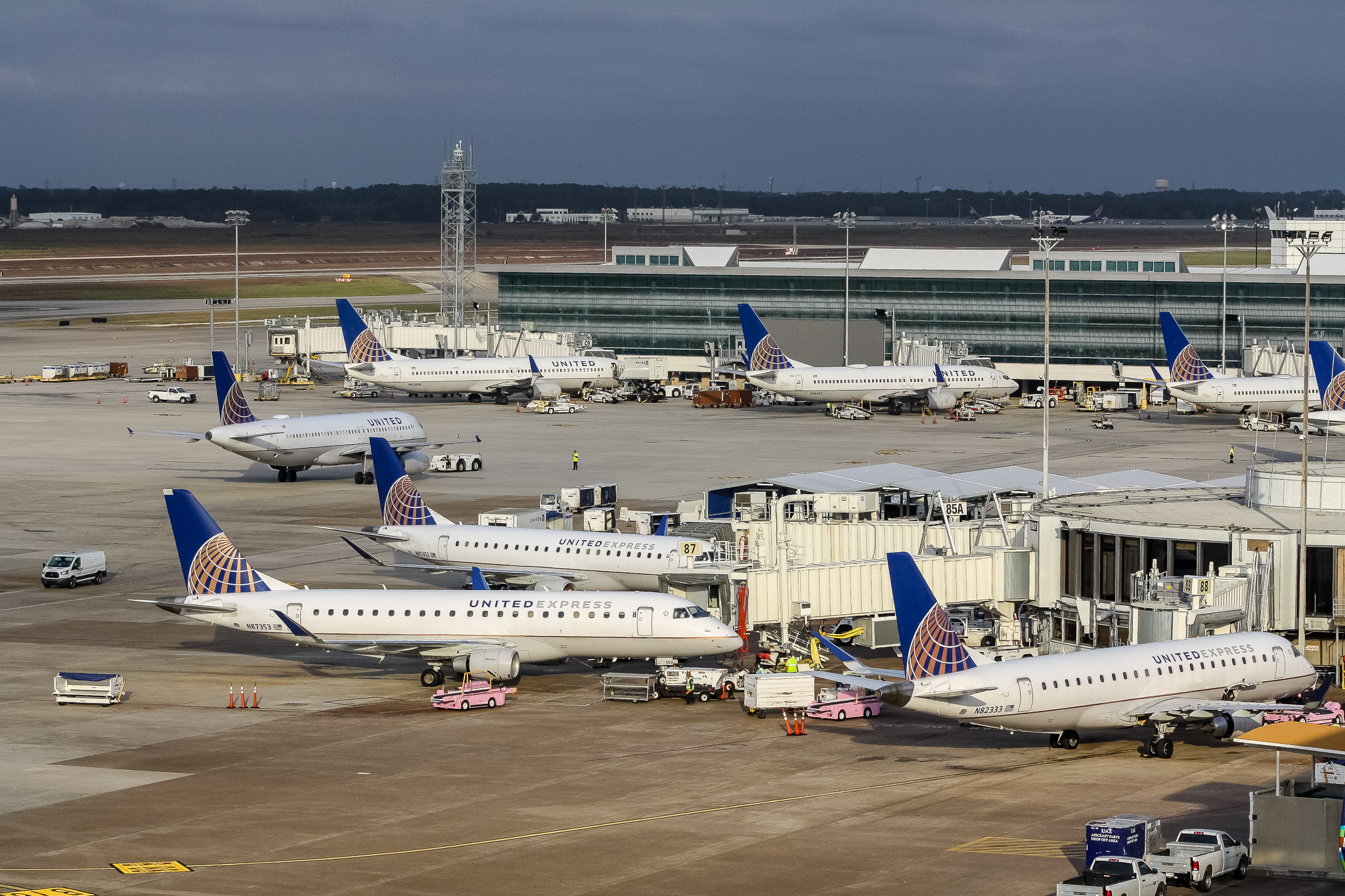

United Airlines CEO Scott Kirby delivered one of the starkest and most direct warnings in the carrier's recent history on April 22, 2026, telling analysts and the travelling public that ticket prices for summer travel may need to rise by as much as 20% to cover a fuel bill that has more than doubled since the start of the Iran war. The warning, issued on the airline's first-quarter 2026 earnings call, arrived alongside a significant downward revision to its full-year earnings guidance, and a message that the price hikes, already underway, are far from over.
The Warning
United Airlines CEO Scott Kirby said that ticket prices may need to rise by as much as 15% to 20% to offset a surge in jet fuel costs, signalling a significant test of consumers' willingness to absorb higher fares as the industry grapples with volatile oil prices.
Kirby's language on the earnings call was unusually blunt. "At the moment, our goal is to do whatever it takes to recover 100% of the increase in jet fuel prices as quickly as possible and to achieve double-digit pre-tax margins next year," he said.
The following day, appearing on CNBC's Squawk Box, Kirby reinforced the message without hesitation: "Yields need to increase by about 15% to 20%," he said to CNBC's Phil LeBeau when talking about the airline's margins, adding that the offset will need to take place "as quickly as possible."

The Fuel Reality
The numbers behind the warning are stark. United's fuel bill is tracking at roughly $4.30 a gallon, almost 40% higher than a year ago.
Jet fuel in the US was going for $3.51 a gallon on Monday, down from the high on April 2 of $4.78, but far above the $2.39 on February 27, the day before the US and Israel attacked Iran.
Fuel expenses climbed almost 13% in the first quarter to $3.04 billion, up roughly $340 million from a year earlier.
United estimated its fuel price would average $4.30 a gallon in the second quarter, and said it expects its revenue to cover between 40% and 50% of the fuel price increase in Q2, rising to as much as 80% in the third quarter, and between 85% and 100% by the end of the year.
Prices Already Moving
The earnings call warning was not the starting gun for fare increases; it was a confirmation that an aggressive pricing push already in progress will intensify further. Andrew Nocella, Executive Vice President and Chief Commercial Officer at United, said during the call that late in the first quarter, the airline implemented five price increases and raised baggage fees in response to fuel prices. As of April, United had increased its sell-in ticket yields by 20% year over year. "Price increases in response to the increase in jet fuel have been significant and across the board," Nocella said.
United Airlines Holdings reported a record first-quarter operating revenue of $14.6 billion, marking a 10.6% increase year over year, with a significant increase in premium revenues up 13.6% on a 4.4% capacity increase.
Despite that record top-line performance, the fuel headwind is severe enough to force a material reduction in profit expectations for the full year. United said it could earn between $7 and $11 a share on an adjusted basis this year, down from its previous forecast of between $12 and $14 a share released in January, more than a month before the US and Israel attacked Iran.
Kirby noted, however, that the underlying business is holding firm. “These are results our employees can be proud of, and they show the resilience of our long-term strategy, even in the face of escalating fuel expense,” he said. "Bookings are strong," Kirby told CNBC's Squawk Box on Wednesday.

Analysis: How Spirit Airlines Changed Airline Pricing, then Paid the Price
Capacity Being Pulled Back
Fare hikes alone are not United's only instrument. The airline is simultaneously reducing available seats, a combination that is designed to keep load factors healthy even as prices rise and some demand softens in response.
United plans to increase its yield by 15% to 20% and, since that is likely to reduce demand, reduce its planned capacity to be flat to up 2% year over year in the third and fourth quarters.
United Airlines Holdings has had to adjust its capacity downward by approximately five points for the rest of the year in response to higher fuel costs. Nocella confirmed the airline's approach to managing this balance:
“We monitor this closely. As fuel prices rise, we proactively cancel flights on off-peak days, expecting potential demand weakness. So far, demand is strong, and we're ahead of the curve. We'll continue to adjust as necessary.”

An Industry-Wide Reckoning
United is not acting alone. The Iran war-driven fuel shock has triggered a cascading set of responses across the global airline industry, and the scale of the disruption is forcing carriers of every size and model to make difficult choices simultaneously.
Delta Air Lines has previously estimated that an oil price increase of just one cent per gallon will raise its fuel costs by $40 million by the end of 2026 and has cut approximately 3.5% of its summer network to optimise the most profitable routes.
Spirit Airlines, which was already in a financial situation that led to its filing for a second Chapter 11 bankruptcy in August 2025, is currently requesting emergency federal funding to avoid collapse under the dramatic spike in oil prices.
Airlines such as Delta, Air Canada, KLM, and Lufthansa have all cancelled less popular routes to optimise jet fuel use, while Lufthansa also shut down its regional airline CityLine a year earlier than initially anticipated.
Other low-cost airlines such as Southwest and JetBlue have both raised the price of checked baggage to offset the higher costs, with JetBlue citing "rising operating costs" and efforts not to raise base fares as the reason it was going for the baggage prices.
Travel industry analyst Johnny Jet offered a candid assessment of what United's move is likely to trigger across the market:
"I think once United does it, they're all going to follow suit. Airlines have very small margins, so when fuel prices go up, or something else happens, they're going to lose money when they're flying on certain routes, so that's why they have to either implement a fuel surcharge, raise fares or cut."
Much more broadly, analysts have described a pattern across the industry of airlines raising fares and cutting back on unprofitable flying. The main difference worth noting is tone; United has been unusually direct in putting a possible 15% to 20% summer fare increase on the table.
What Travellers Should Expect
As of April 2026, oil prices in the US continue to hover at around $100 a barrel, which poses a particular problem for airlines that need jet fuel to stay operational. The brief retreat from the April 2 high of $4.78 per gallon to around $3.51 is not expected by airline executives to signal a sustained return to pre-conflict levels. Kirby added that the company was assuming fuel would remain elevated for longer, meaning the hikes could linger well beyond the summer peak and into the autumn and holiday travel seasons.
For passengers with summer travel plans not yet booked, the arithmetic is clear: fares are rising, seats are being removed from the market, and the airline driving the most transparent pricing conversation in the industry has now put a specific percentage figure on the table. The question is no longer whether summer travel will cost more; it is how much more, and for how long.
United used its first-quarter earnings call to send a blunt message to corporate travel managers and holidaymakers alike: expect ticket prices to climb steeply in the coming months.
Aegis Air Bets on By-the-Seat Private Jet Flights From Miami to Caracas » Jet2 Boeing 737 Veers Off Birmingham Airport Runway During Landing » Why Aircraft Towing May Be One of the Last Frontiers of Autonomous Ground Operations »

Comments (0)
Add Your Comment
TAGS
NEWS United Airlines Summer Fares Jet Fuel Crisis Airfare Increases Iran War Aviation Fuel Surcharge Aviation Economics Delta Air Lines Spirit Airlines Airline Capacity Cuts Travel Costs Flights TravelRECENTLY PUBLISHED
 Ryanair Passengers Endure Nine-Hour Flight Only To End Up Where They Started
A two-hour Ryanair flight to Cornwall turned into a nine-hour ordeal after the plane diverted twice and returned to its starting point in Spain.
NEWS
READ MORE »
Ryanair Passengers Endure Nine-Hour Flight Only To End Up Where They Started
A two-hour Ryanair flight to Cornwall turned into a nine-hour ordeal after the plane diverted twice and returned to its starting point in Spain.
NEWS
READ MORE »
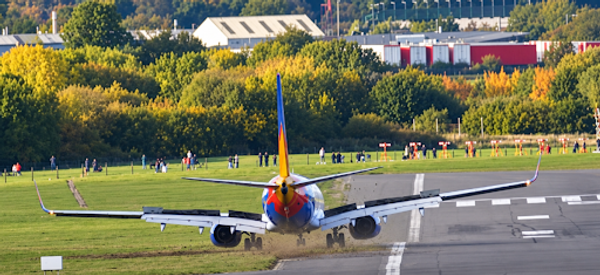 Jet2 Boeing 737 Veers Off Birmingham Airport Runway During Landing
A Jet2 Boeing 737-800 veered off the left side of the runway at Birmingham Airport after landing on Sunday, October 25, as Storm Boelo brought strong winds to the UK.
NEWS
READ MORE »
Jet2 Boeing 737 Veers Off Birmingham Airport Runway During Landing
A Jet2 Boeing 737-800 veered off the left side of the runway at Birmingham Airport after landing on Sunday, October 25, as Storm Boelo brought strong winds to the UK.
NEWS
READ MORE »
 This Week in Aviation: The 10 Stories That Mattered Most
From major airline developments to aircraft updates and industry shifts, this weekly recap highlights the ten most-read aviation stories from the week of October 18.
INFORMATIONAL
READ MORE »
This Week in Aviation: The 10 Stories That Mattered Most
From major airline developments to aircraft updates and industry shifts, this weekly recap highlights the ten most-read aviation stories from the week of October 18.
INFORMATIONAL
READ MORE »
More than just headlines.
Get unlimited ad-free access to in-depth aviation news, premium stories, and exclusive insights other sites don't cover.
- Ad-free browsing on AeroXplorer
- Unlimited access to premium and exclusive articles
- Higher photo upload limits & commissions on sales
- Free access to Jetstream Magazine on higher tiers
- Ad-free browsing
- Sell aviation photos with 60% commission
- First week free!
- Everything in Basic+
- Unlimited premium articles
- Sell aviation photos with 70% commission
- Free Digital subscription to Jetstream Magazine
- First week free!
- Everything in Basic+ and Pro
- Sell aviaiton photos with 80% commission
- Early access to exclusive stories
- Free Digital+Print subscription to Jetstream Magazine