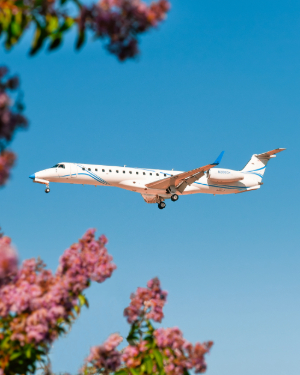
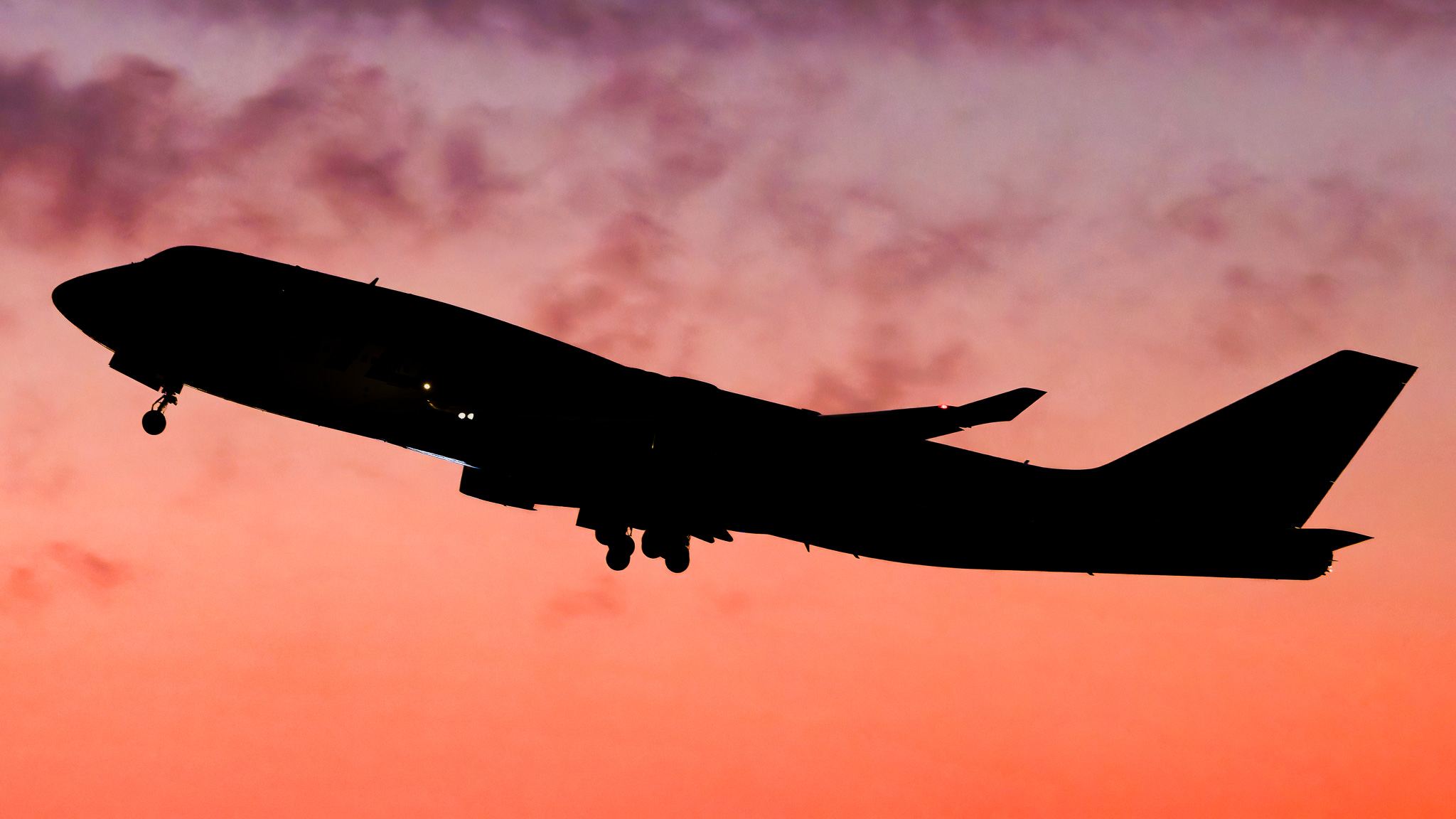
At 38,000 feet over the North Atlantic, two pilots sit in silence, with only the hum of the engines to be heard. The sky is clear, and tones of orange and pink paint it as the sun rises on the horizon. Inside the cockpit, the glow of the display reflects off polished instrument panels and tired eyes. It's a routine cruise … on the surface at least.

Then a chime cuts through the silence, accompanied by a message that appears on the Flight Management Computer. An indicator illuminates. It's not dramatic; no alarms, no flashing lights. Just enough to shift the pilots' atmosphere from calm to focused.
This is modern airline flying. And it's here, rather than in the Hollywood-style emergencies, that the need for two-pilot flying becomes most apparent.
Artificial intelligence has existed for nigh on 70 years. From Alan Turing's first proposals of machine intelligence, its influence has reached perhaps every industry in some manner today.
But what if it assumed the role of one of the most highly trained professions in the world?
How Crews Fly
To understand the full gravity of this situation, one must first understand how airline crews operate.
In everyday language, the terms "captain" and "first officer," like "pilot" and "copilot," are used interchangeably with the idea of "who is flying the airplane." In reality, this is not how modern crews work; instead, they designate a pilot flying (PF) and a pilot monitoring (PM). Either the captain or the first officer can be the PF or PM in any given segment, with the duties defined by procedure, rather than rank.
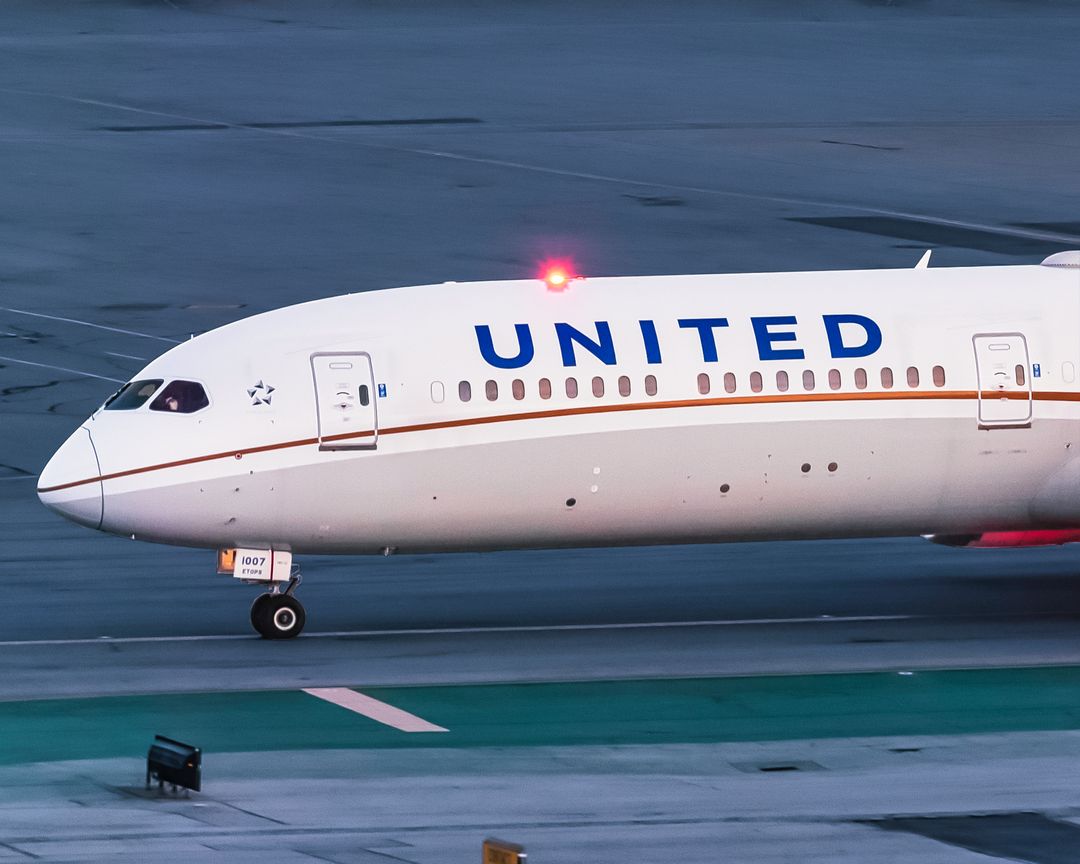
It is often viewed with good reason that the PM has an even higher workload than the PF. Whilst the PF focuses almost solely on controlling the aircraft – that is, manipulating the flight controls and monitoring the aircraft’s flight path and power settings – the PM has the crucial role of monitoring various other aspects of the flight. This includes monitoring aircraft systems, maintaining situational awareness, communicating with air traffic control, and managing the flight management system, which allows the crew to oversee navigation and performance.
Division of Responsibilities Between PF & PM
| Pilot Flying (PF) | Pilot Monitoring (PM) |
| Controls Aircraft | Monitors Aircraft Systems |
| Maintains Flight Path | Communicates with ATC |
| Manages Thrust | Programs FMS |
| Maintains Aircraft State | Runs Checklists |
| Executes Procedures | Monitors PF Actions |
When a malfunction occurs, the PF's primary task is to keep the aircraft stable and predictable. The PM then becomes the system manager and coordinator, diagnosing the problem, communicating with external agencies, and guiding the crew through procedures. This structured approach prevents cognitive overload and allows the PF to remain focused on safely resolving the situation.
This approach to flying has made it one of the safest modes of transport. But recently, a new debate has begun between experts and regulatory bodies around the world: could the PM's responsibilities be automated with artificial intelligence?
An AI Co-Pilot?
On paper, the idea appears fairly straightforward, as many of the PM's tasks involve monitoring data streams, processing information, and handling communication. These are, after all, tasks where AI tends to excel. Computers can scan and process data much faster than humans, allowing for decisions to be made even faster. And, in some situations, mere seconds could mean the difference between life and death.
However, there is nuance to this argument: the role of the PM is not purely technical. In many cases, the PM must actively make decisions based on the safety of the operation, and the captain’s preferences must also be taken into account. Every pilot has their own way of flying. Whilst the standard operating procedures must always be adhered to, there is some leeway in terms of how to actually fly the aircraft.

The PM plays an important role here in supporting the captain. Good support from the PM, such as adjusting navigation in the flight management computer, providing regular updates and callouts with regard to acceptable flying parameters, including airspeed and descent rates, and clearly acknowledging and prompting action when the safety of flight is threatened, has a direct positive impact on the operation. This is a key factor in one of the pillars of flying: crew resource management, or CRM. A PM exercising strong situational awareness will always be thinking one or two steps ahead, something a computer is not guaranteed to be able to do.
Every certificated pilot is well-versed when it comes to CRM. In human factors, it is one of the key flying aspects that is examined after an incident or accident. In the majority of commercial aviation accidents, a breakdown in CRM appears to be a contributing factor. There are a myriad of accidents that could have either been avoided or the consequences mitigated had the crew exercised better CRM.
One of the strongest and most modern examples of this is the case of Air France Flight 447, which crashed into the Atlantic Ocean in 2009 after unreliable airspeed indications led to confusion among the crew. Although the aircraft remained structurally intact for much of the event, a breakdown in communication led to ineffective cross-checking between pilots, causing a lapse in situational awareness and, unfortunately, a sustained aerodynamic stall from which the aircraft never recovered.
The captain was resting during the initial incident, and the two first officers struggled to diagnose the problem. They failed to verbalize their inputs and intentions while trying to address the problem, leading to miscoordination. Investigators later concluded that stronger CRM – like assertive communication and agreement about the course of action to be taken – may have allowed the crew to correctly identify the problem and recover the aircraft.
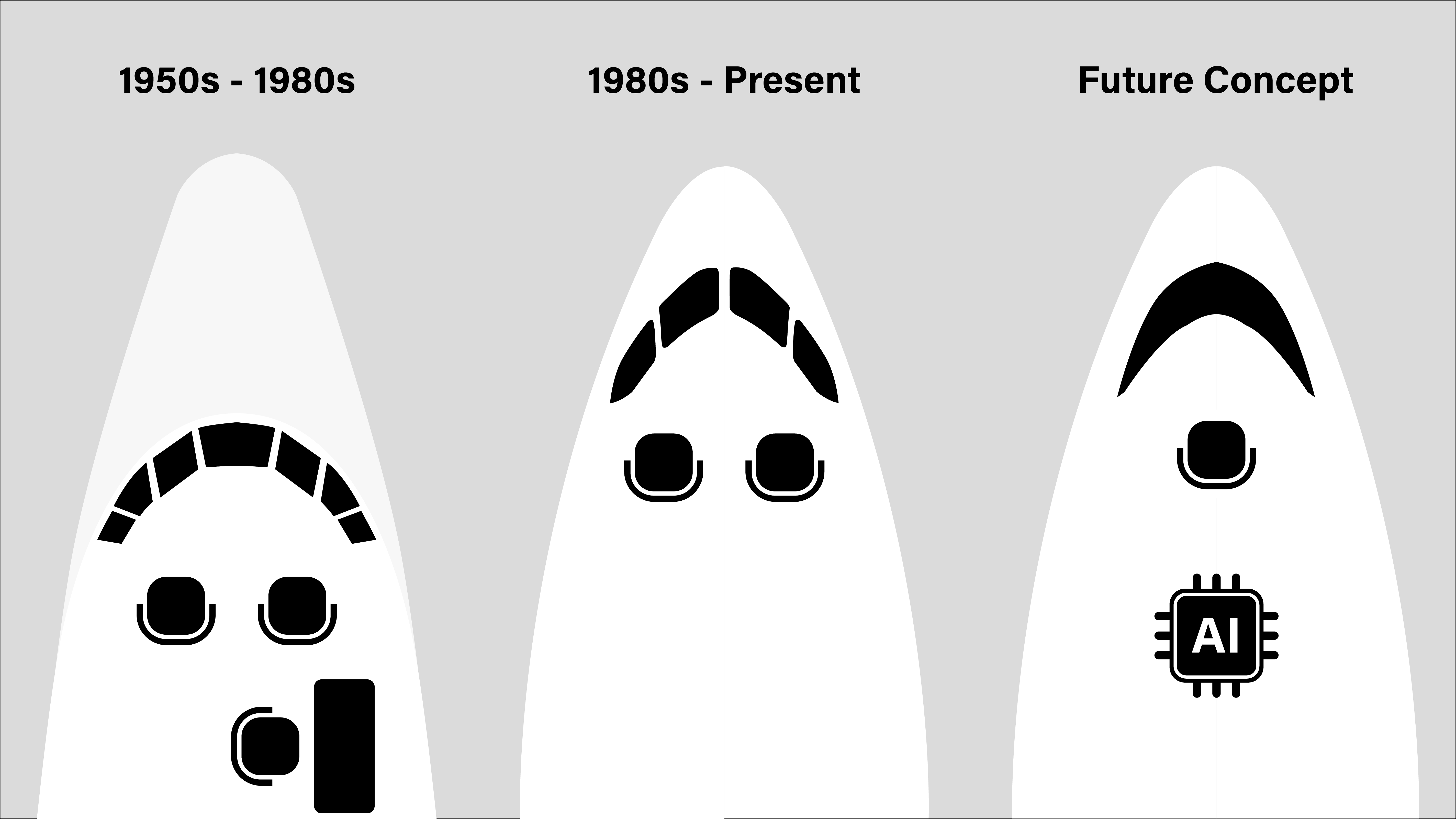
So, how would a cockpit look with an AI copilot? It could almost be likened to single-pilot resource management, used heavily in the general aviation world. But since AI would act almost like a virtual assistant, the PF would still be expected to interact with the AI. How? Perhaps by voice. Perhaps by pre-determined computer text prompts. Or maybe something else.

Ensuring the pilot and AI can still interact in some way – especially during abnormal and emergency scenarios – is something that manufacturers and developers will need to have down to a ‘T’ during testing. Who knows how soon pilots might have their own Jarvis to talk to?
Again, this is certainly not the view of a pessimistic pilot who does not want to be replaced by AI. This is the view of a pilot who knows firsthand the importance of being able to communicate and bounce ideas off another human being on the flight deck. That being said, today’s pilot operations are built on 100 years of human flying.
But there is no reason why we cannot still use AI to enhance our flying and fill the gap between ‘excellent’ and ‘perfect’. Although perfection is inherently unattainable in real-world operations, striving toward it is the only way we'd ever come close. And, back to CRM, it is only right to practice what we preach and “utilize all available resources.”
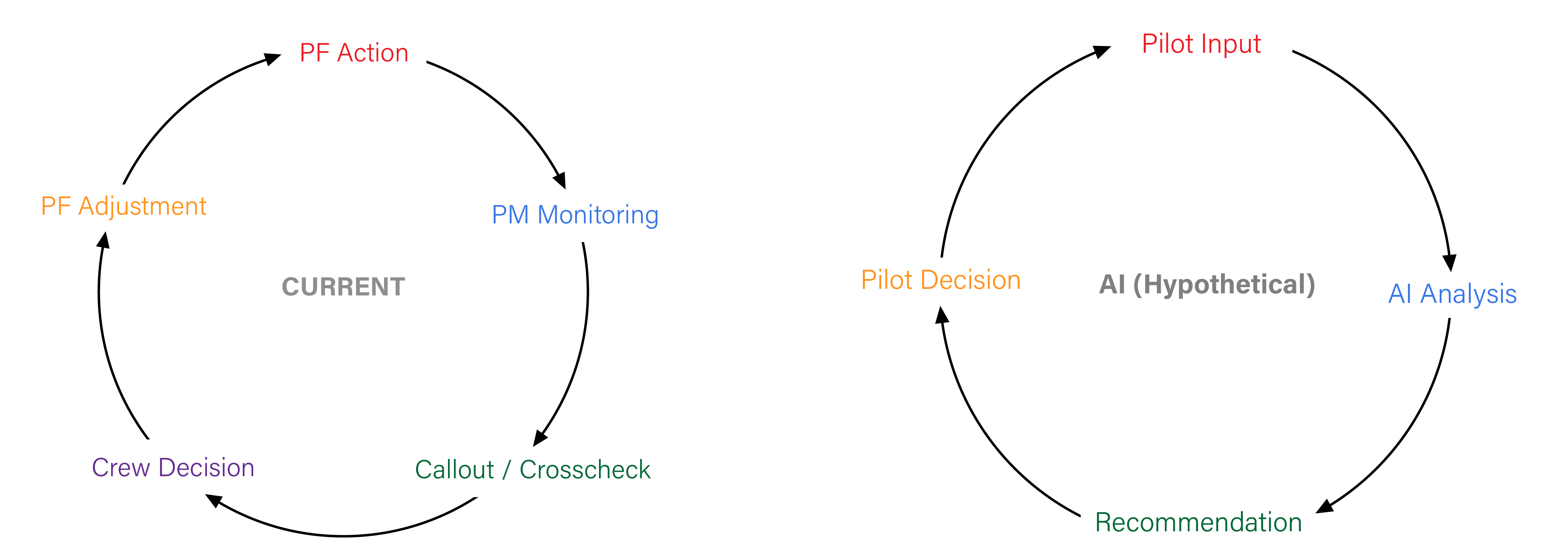
The industry has faced similar transitions before. The removal of the flight engineer from the cockpit is often cited as a precedent. However, the comparison is incomplete. Flight engineers were primarily responsible for managing aircraft systems, and automation gradually absorbed that role. In today's case, the PM's responsibilities extend far beyond systems: they include communication, decision support, and judgment based on experience.
How Do We Get The Public Onboard?
Public perception will ultimately shape the pace of change. Not only do manufacturers have to overcome the almost-definite uneasiness among the general public, but they will also have to win the support of operators. Regulators must be convinced through rigorous testing, simulation, and real-world validation. And pilots themselves must be confident that the technology enhances, rather than undermines, safety.
It could potentially start with a test aircraft that would allow the AI to be disabled if needed. Testing for emergency scenarios would be crucial. Not only would the algorithm need to prove it can consistently make sound decisions, but testing would have to include scenarios with multiple variables to enable learning. For example, a simulation of an engine failure would have to include iterations of the scenario with different weather conditions, fuel on board, landing runways available, and other simultaneous system failures, to name a few. This should train the algorithm to learn as many decisions as possible, regardless of how unlikely they may be. This "edge-case training" closely mirrors how pilots are trained in the real world.
Other sectors have already adopted the use of AI in daily operations. In air traffic control, National Air Traffic Services (NATS) is now using artificial intelligence at London Heathrow to optimize spacing between aircraft, particularly on approach. Instead of using generic sequencing and spacing based on wake turbulence categories, AI takes into account exact weights, airspeeds, and other aircraft parameters to provide controllers with a much more accurate spacing recommendation. This has been proven to improve air traffic flow, allowing for increased aircraft throughput. In turn, this means fewer aircraft have to enter holding patterns, which yields significant fuel and emissions savings. It also means fewer delays and more operational flexibility. It’s a fantastic technological evolution to support operations at one of the busiest airports in the world.
The Skies Ahead
So then, while you won't be greeted by a virtual computerized voice on your flights just yet, other AI-enabled functions of the aviation industry are certainly on the horizon. Some consumers are already having their packages delivered by drones, and plenty of research and development is going into the use of AI in Urban Air Mobility. The reality of air taxis is a lot closer than we think.
Will fully autonomous operations rear its head during my career, let alone my lifetime? Although likely, it may be a little too early to tell. The capability of technology has increased exponentially as of late. Who’s to say that we won’t see UAM companies like Wisk and Archer make leaps and bounds to facilitate autonomous commercial flying before this century is out?
We have already seen others champion the use of AI in aviation. Even for pilots wary of being replaced by automation, we still have a duty to the flying public to do all that we can to maintain and improve safety and efficiency. After all, if artificial intelligence is here to stay, why not use it to our advantage?
This content is only available with an AeroXplorer+ subscription.
The $30 Billion Question: Why America's Air Traffic Control Overhaul Keeps Getting More Expensive » United Boeing 757 Makes Overweight Landing in Dublin After Crew Reports Strong Fuel Smell and Headaches » British Airways Restarts Starlink Installation on Airbus A350 Fleet With Free High-Speed Wi-Fi for Passengers »

Comments (0)
Add Your Comment
TAGS
STORIES AI Pilots Opinion Travel Cockpit PilotsRECENTLY PUBLISHED
 Aviation Fuel Prices Hit Six-Month High in September
Aviation fuel prices surged to their highest level in six months during September 2026, with jet-A and avgas posting notable gains.
NEWS
READ MORE »
Aviation Fuel Prices Hit Six-Month High in September
Aviation fuel prices surged to their highest level in six months during September 2026, with jet-A and avgas posting notable gains.
NEWS
READ MORE »
 British Airways Unveils World's Largest Business Class Cabin With 106 Seats Aboard Refurbished A380 Fleet
British Airways reveals a record-setting 106-seat Club Suite business class cabin as part of a multi-billion pound A380 refurbishment program.
NEWS
READ MORE »
British Airways Unveils World's Largest Business Class Cabin With 106 Seats Aboard Refurbished A380 Fleet
British Airways reveals a record-setting 106-seat Club Suite business class cabin as part of a multi-billion pound A380 refurbishment program.
NEWS
READ MORE »
 Halon Was Supposed to Disappear. This Company Kept It Flying.
H3R Aviation keeps recycled Halon 1211 fire extinguishers in circulation, helping aircraft operators navigate replacement options and regulations.
INFORMATIONAL
READ MORE »
Halon Was Supposed to Disappear. This Company Kept It Flying.
H3R Aviation keeps recycled Halon 1211 fire extinguishers in circulation, helping aircraft operators navigate replacement options and regulations.
INFORMATIONAL
READ MORE »
More than just headlines.
Get unlimited ad-free access to in-depth aviation news, premium stories, and exclusive insights other sites don't cover.
- Ad-free browsing on AeroXplorer
- Unlimited access to premium and exclusive articles
- Higher photo upload limits & commissions on sales
- Free access to Jetstream Magazine on higher tiers
- Ad-free browsing
- Sell aviation photos with 60% commission
- First week free!
- Everything in Basic+
- Unlimited premium articles
- Sell aviation photos with 70% commission
- Free Digital subscription to Jetstream Magazine
- First week free!
- Everything in Basic+ and Pro
- Sell aviaiton photos with 80% commission
- Early access to exclusive stories
- Free Digital+Print subscription to Jetstream Magazine