The ambition to achieve net zero emissions is driving significant change in aerospace – from propulsion systems and energy sources to the very materials and methods used to build aircraft. As the industry races to decarbonize, additive manufacturing (AM) has emerged as a transformative technology enabling that shift.
At Conflux Technology, we see AM not only as a new way to manufacture components, but as a fundamental enabler of smarter, lighter, and more sustainable flight. Our work across multiple collaborations – including projects with Airbus, Honeywell’s TheMa4HERA consortium, and AMSL Aero in the last year alone – demonstrate how AM is being used to tackle one of aerospace’s biggest technical barriers to sustainability: thermal management.
Why Thermal Management Matters for Sustainable Aviation
Whether powered by hydrogen fuel cells, hybrid-electric systems, sustainable aviation fuel or battery packs, next-generation aircraft generate significant amounts of heat. Managing that heat safely and efficiently, without adding unnecessary weight or complexity, is a challenge that directly affects the viability of sustainable aviation.
Effective thermal management is critical because excessive heat can compromise both performance and safety. In hydrogen fuel cell systems, overheating can reduce efficiency and shorten component lifespan, while in battery- or hybrid-electric configurations, unmanaged heat can lead to reduced energy density, faster degradation, or even safety risks. Conventional heat exchangers are often limited by design constraints, forcing trade-offs between weight, size, and thermal performance. Additive manufacturing removes these limits, enabling intricate geometries and optimized flow paths that ensure efficient cooling without adding unnecessary weight or complexity.

Only Way Out: Private Aviation in a Region at War
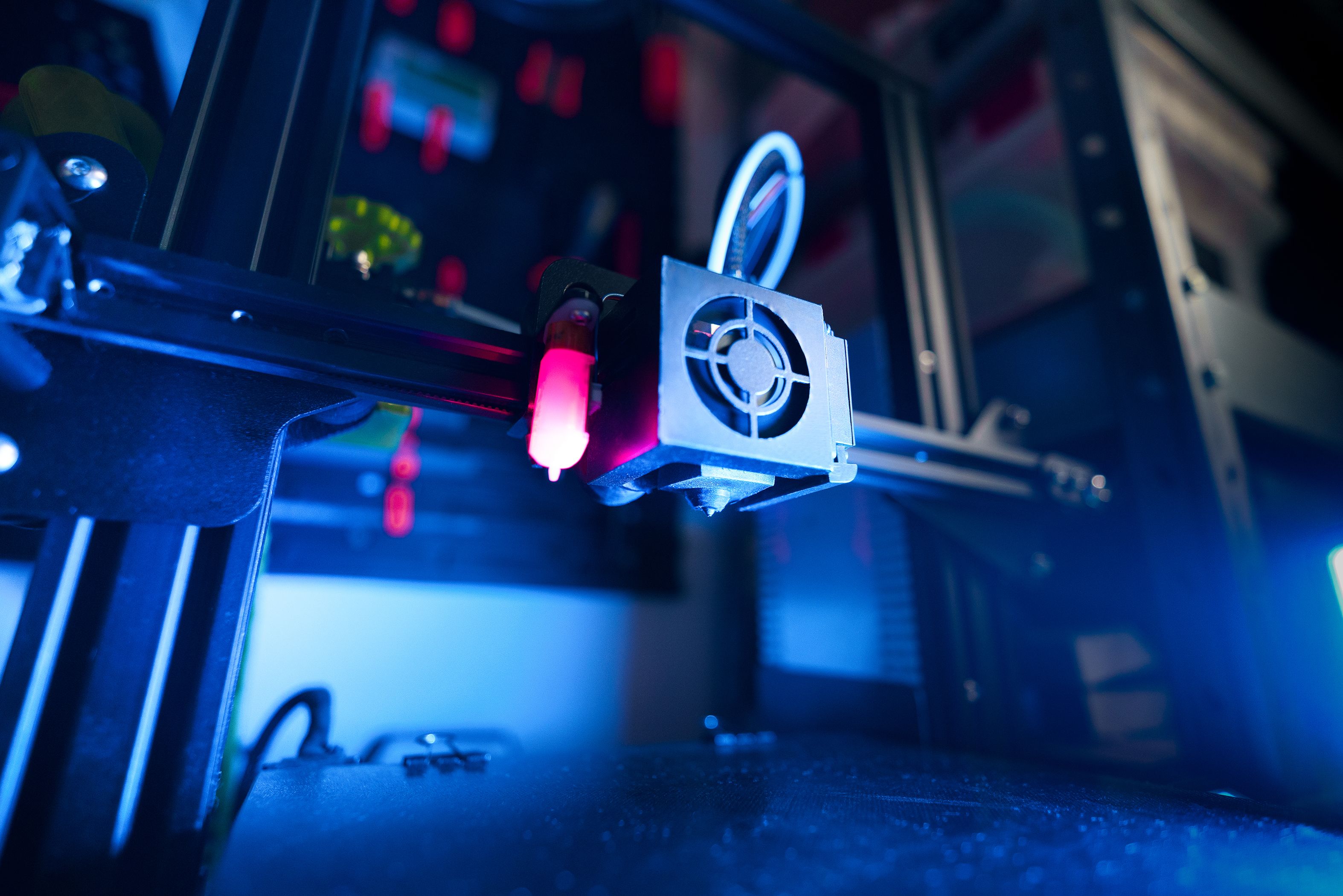
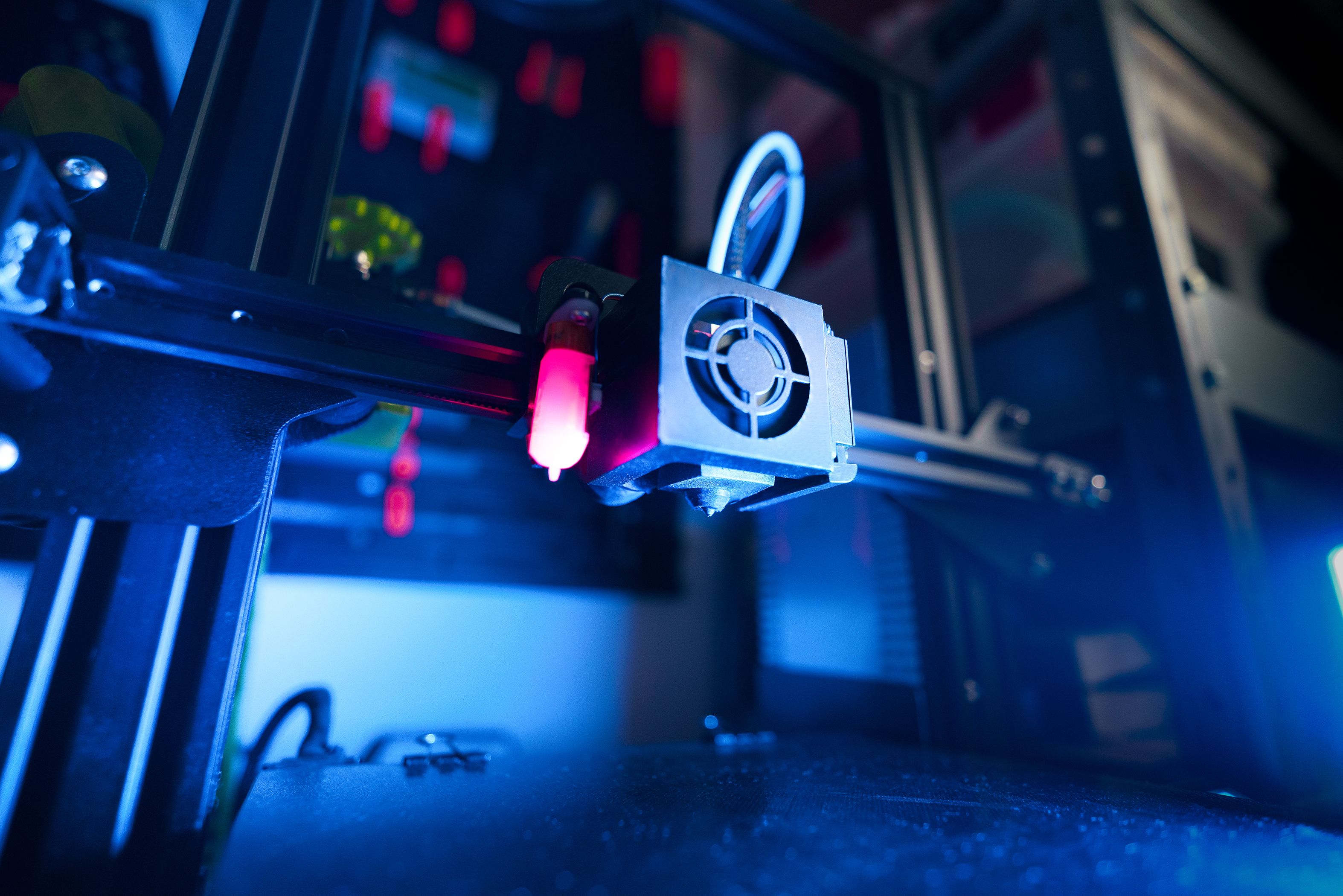
This design freedoms of additive manufacturing make a critical difference. With AM, we can create lightweight, high-performance heat exchangers that would be impossible to produce using conventional methods. Our expertise allows us to achieve exceptionally thin walls and apply tailored de-powdering strategies for each part, pushing the technology to its limits. The result is components that can be precisely optimized for each system’s operating conditions, maximizing thermal efficiency and heat transfer while minimizing material use.
In essence, AM allows engineers to design for performance, not for process, and that’s key to advancing the technologies that will power cleaner flight.
From Hydrogen to Hybrid: Collaboration in Action
Conflux’s collaborations illustrate how AM is being applied to real-world sustainability challenges across the aerospace spectrum.
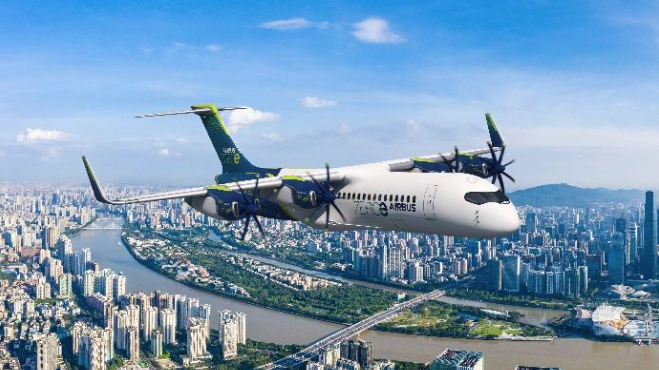
With Airbus, we’re developing heat exchangers for the ZEROe program that feature intricate internal channels optimized for hydrogen fuel cell cooling. These geometries, achievable only through AM, allow efficient heat transfer while keeping weight to a minimum. In the TheMa4HERA consortium, we’re designing scalable heat exchangers for hybrid-electric regional aircraft, while also providing shared insights from 28 partners across Europe to maximize energy efficiency and minimize material use.

Our partnership with AMSL Aero brings these principles to regional air mobility. Together we’re developing an optimized hydrogen fuel cell cooling system for Vertiia, AMSL’s long-range zero-emissions VTOL aircraft. The heat exchangers we’ve designed balance weight, volume, and aerodynamic performance to support flight distances of up to 1,000 kilometres – an unprecedented range for a hydrogen-electric VTOL.
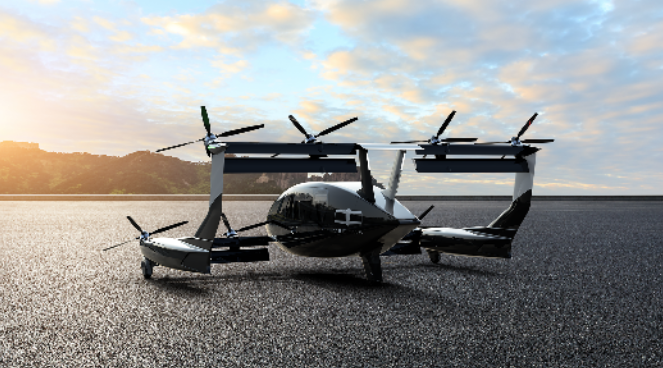
Each of these projects underscores a shared vision: that innovation through collaboration is essential to creating a sustainable aviation ecosystem.
The Broader Impact: Sustainability Beyond Propulsion
While thermal management is our business, the sustainability potential of additive manufacturing extends beyond individual components.
AM enables localized production, reduced material waste, and shorter supply chains –all vital to minimizing the environmental footprint of aircraft development. It also supports rapid iteration and digital validation, meaning better designs can be tested and refined faster, without the need for costly tooling or excess material.
Beyond efficiency, AM can contribute to circularity: parts can be remanufactured, repaired, or redesigned without discarding entire assemblies, extending their useful life and reducing resource consumption. Localized, on-demand production not only lowers carbon emissions from transport but also strengthens supply chain resilience, making aircraft development more adaptable and sustainable. Economically, faster iteration and reduced waste can lower costs for manufacturers and operators, creating a model where environmental responsibility and commercial viability reinforce each other.

The Cockpit’s Next Revolution: When the Co-Pilot Is a Computer
The result is a new manufacturing paradigm where performance, efficiency, and sustainability are no longer competing priorities, they’re part of the same design process.
Looking Ahead
As aerospace companies around the world accelerate toward their 2030 and 2050 sustainability targets, additive manufacturing is proving to be more than an engineering advantage; it’s a strategic one.
Thermal management may be one of the toughest challenges in sustainable aviation, but it’s also one of the most rewarding. Every breakthrough brings the industry one step closer to a cleaner, more efficient, and more connected future for flight, unlocking new possibilities for hydrogen, hybrid-electric, and other next-generation propulsion systems that will redefine how we travel.
FlyUSA Opens 50,000-Square-Foot Owner-Exclusive Hangar and Lounge at Tampa International Airport » Delta Aircraft Isolated at Ben Gurion Airport Following Bomb Threat » Why Does the Boeing 777-300ER Have Black Lines on Its Wings? »

Comments (0)
Add Your Comment
TAGS
NEWS Additive Manufacturing Sustainable Aviation Aviation Manufacturing MRO FarnboroughRECENTLY PUBLISHED
 The End of Lufthansa's Four-Engine Era as Its Last Airbus A340-600 Lands in Frankfurt for the Final Time After 23 Years
Porter Airlines expands its international network from London, Ontario, deploying the Embraer E195-E2 on new routes for Canadian travelers.
NEWS
READ MORE »
The End of Lufthansa's Four-Engine Era as Its Last Airbus A340-600 Lands in Frankfurt for the Final Time After 23 Years
Porter Airlines expands its international network from London, Ontario, deploying the Embraer E195-E2 on new routes for Canadian travelers.
NEWS
READ MORE »
 Rolls-Royce Launches Serial Production of Pearl 10X Engine for Dassault's Falcon 10X
Rolls-Royce begins serial production of its Pearl 10X engine, powering Dassault's upcoming Falcon 10X ultra-long-range business jet.
NEWS
READ MORE »
Rolls-Royce Launches Serial Production of Pearl 10X Engine for Dassault's Falcon 10X
Rolls-Royce begins serial production of its Pearl 10X engine, powering Dassault's upcoming Falcon 10X ultra-long-range business jet.
NEWS
READ MORE »
 Austrian Airlines Flight Diverts to Sofia Under Fighter Escort After Bomb Threat
An Austrian Airlines flight from Tel Aviv to Vienna made an emergency landing in Sofia, Bulgaria, on Sunday, October 18, after a bomb threat against the aircraft.
NEWS
READ MORE »
Austrian Airlines Flight Diverts to Sofia Under Fighter Escort After Bomb Threat
An Austrian Airlines flight from Tel Aviv to Vienna made an emergency landing in Sofia, Bulgaria, on Sunday, October 18, after a bomb threat against the aircraft.
NEWS
READ MORE »
More than just headlines.
Get unlimited ad-free access to in-depth aviation news, premium stories, and exclusive insights other sites don't cover.
- Ad-free browsing on AeroXplorer
- Unlimited access to premium and exclusive articles
- Higher photo upload limits & commissions on sales
- Free access to Jetstream Magazine on higher tiers
- Ad-free browsing
- Sell aviation photos with 60% commission
- First week free!
- Everything in Basic+
- Unlimited premium articles
- Sell aviation photos with 70% commission
- Free Digital subscription to Jetstream Magazine
- First week free!
- Everything in Basic+ and Pro
- Sell aviaiton photos with 80% commission
- Early access to exclusive stories
- Free Digital+Print subscription to Jetstream Magazine