
Aviation in today's fast-paced world is constantly growing, with more and more advancements in airplane design shaping innovation and revolutionizing flight. When engineering aircraft, sustainability, fuel efficiency, passenger comfort, and safety are critical. Let's dive into these trends more deeply so we gain more understanding of their effects. If you are interested in designing signatures, check out mysign-studio reviews.

Fuel Efficiency and Sustainability
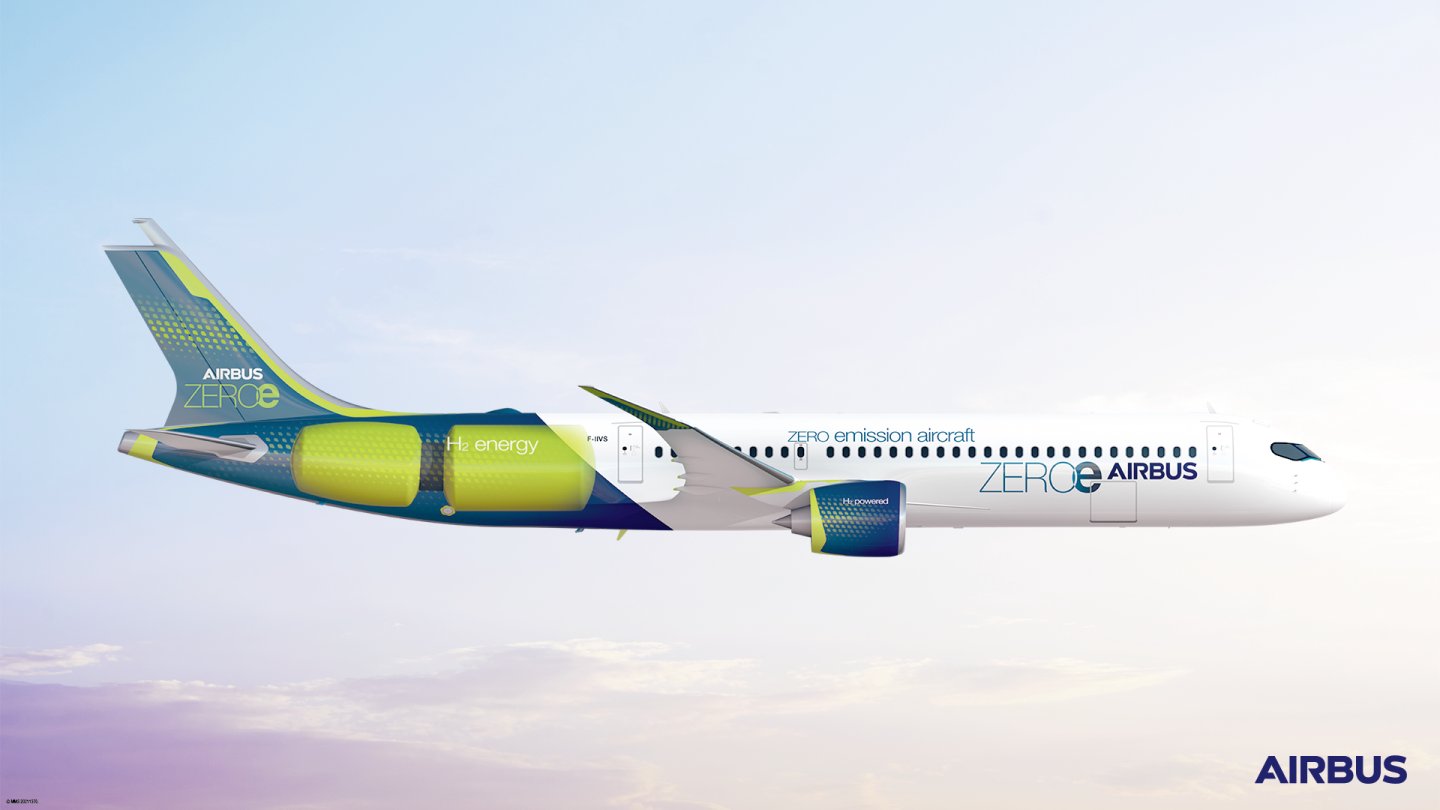
One of the key trends in modern airplane design is an increased focus on fuel efficiency and sustainability. Due to rising concerns regarding environmental effects and carbon emissions, aircraft manufacturers are prioritizing the development of greener aircraft that use alternative fuel sources such as biofuels or hydrogen for optimal performance and to minimize consumption and emission ratios for greater sustainability in aviation travel. By cutting consumption and emission rates in this way, aviation industries aim to open the way to more eco-friendly air travel in future years, reducing their overall carbon footprint and contributing to a more environmentally friendly industry.
Composite Materials
The increasing use of composite materials like carbon fiber-reinforced polymers is noted in plane design. These advanced materials offer outstanding strength and durability and reduce weight, making them the ideal material to replace traditional aluminium alloys for aircraft manufacturing. As a result, composites lead to significant weight reduction, better fuel economy, and improved performance. From fuselages and wings to interior components, composites are integral to modern airplane designs.
Advanced Aerodynamics
Aerodynamic innovations are revolutionizing how aircraft are engineered. By optimizing airflow and minimizing drag, engineers are improving fuel efficiency, range expansion, and the overall performance of airplanes. Furthermore, innovative features like winglets and sharklets are being incorporated into aircraft designs to decrease consumption further while increasing aerodynamic efficiency. By harnessing aerodynamic technology, aircraft manufacturers are creating faster, more ecologically friendly aircraft.

Quiet and Comfortable Cabins
Passenger comfort is of utmost importance in airplane design today, with manufacturers striving to craft cabins that are peaceful, relaxing, and conducive to restful flight experiences. These efforts include advancements in noise reduction technology and pressurization systems as well as ventilation/air quality controls that optimize space utilization while improving ventilation/quality controls; innovative seating configurations also aim at increasing the space/comfort ratio. Adding premium amenities like personalized entertainment options, ergonomic seating arrangements, and adjustable lighting create an experience unlike any other when flying an aircraft cabin today - creating the ultimate travel experience!
Advanced Avionics
Avionics technology advances are revolutionizing how airplanes are operated and managed, equipping modern planes with sophisticated flight management systems, autopilot features, and digital cockpit displays to increase situational awareness and safety. Fly-by-wire controls and predictive maintenance systems have also become part of modern designs to boost reliability while decreasing maintenance costs; advanced avionics enables pilots to more quickly adapt to changing weather conditions while keeping both passengers and crew members protected safely.
Pioneering Sustainable Solutions
Electric and hybrid propulsion systems have emerged as promising sustainable alternatives to traditional gas turbine engines, offering potential improvements in fuel efficiency, emissions reductions, and noise suppression. Manufacturers and researchers alike are researching this form of propulsion technology commercially and for general aviation; battery improvements enable electric propulsion technology. By investing in such research efforts, aviation lays down an eco-friendly foundation.

Autonomous Flight
Autonomous flight promises significant advancements for the aviation industry in terms of efficiency, safety, and cost efficiency. Although passenger planes equipped with autonomous technology might still be years from wide deployment, technological innovations aimed at increasing safety and optimizing operational efficiencies are already beginning to permeate aircraft systems. Automated takeoff and landing systems and autopilot features that navigate complex airspace are revolutionizing pilot roles while opening up autonomous flight as an option. Although regulatory approval and public acceptance remain challenges, their potential benefits continue to drive research efforts across aviation industries worldwide.
Urban Air Mobility
Urban Air Mobility (UAM) is an emerging industry that revolutionizes urban transportation through electric vertical takeoff and landing (eVTOL) aircraft for short-distance travel within urban environments. Flying taxis promise to ease traffic congestion, shorten travel times, and offer more eco-friendly alternatives than conventional ground transport systems. UAM has quickly emerged as an attractive solution to urban mobility challenges thanks to electric propulsion, battery technology, and autonomous flight systems advances. Although regulatory and infrastructure hurdles must be cleared before UAM becomes widely adopted in cities worldwide, industry stakeholders and investors remain enthusiastic.
Conclusion
Trends in airplane design are revolutionizing aviation technology, from fuel-efficient engines and lightweight composites, advanced aerodynamics, electric propulsion systems, and fuel cell technologies to 'greener' aircraft designs engineered for passenger travel that reduce environmental impacts while improving passenger experiences and decreasing environmental footprint. Technology continues to advance, so there will no doubt be further advancements enabled thanks to future airplane designs, promising an even brighter and more sustainable future of air travel!
Air Cairo Places Landmark Order for 15 Airbus A320neo Jets at El Alamein Airshow » ANA 787 Suffers Tail Strike at Houston After Captain Accidentally Hit Go-Around Switch » Over 709 Flights Delayed, 110 Canceled as Travel Chaos Sweeps U.S. Airports »

Comments (1)
 Peter PBAvionics
Technology makes way through innovation. I am really amazed at how fast the world is changing today.
Peter PBAvionics
Technology makes way through innovation. I am really amazed at how fast the world is changing today.
Add Your Comment
TAGS
INFORMATIONAL Aerospace Boeing Airbus Bombardier CRJ ERJ Embraer AntonovRECENTLY PUBLISHED
 This Startup Wants to Put a Doctor on Every Aircraft
Skali connects flight crews with emergency physicians in 90 seconds, helping manage medical emergencies and prevent costly aircraft diversions.
STORIES
READ MORE »
This Startup Wants to Put a Doctor on Every Aircraft
Skali connects flight crews with emergency physicians in 90 seconds, helping manage medical emergencies and prevent costly aircraft diversions.
STORIES
READ MORE »
 Emirates Wins Approval for Direct Berlin Flights After 22-Year Push
Emirates has secured approval to launch direct flights between Dubai and Berlin, ending a lobbying effort that stretched more than two decades.
ROUTES
READ MORE »
Emirates Wins Approval for Direct Berlin Flights After 22-Year Push
Emirates has secured approval to launch direct flights between Dubai and Berlin, ending a lobbying effort that stretched more than two decades.
ROUTES
READ MORE »
 25 Years After 9/11: How Airline Security Transformed and What Is Changing Once Again
A quarter century after the September 11 attacks, airline security has evolved dramatically. Here is what changed and what is shifting now.
NEWS
READ MORE »
25 Years After 9/11: How Airline Security Transformed and What Is Changing Once Again
A quarter century after the September 11 attacks, airline security has evolved dramatically. Here is what changed and what is shifting now.
NEWS
READ MORE »
More than just headlines.
Get unlimited ad-free access to in-depth aviation news, premium stories, and exclusive insights other sites don't cover.
- Ad-free browsing on AeroXplorer
- Unlimited access to premium and exclusive articles
- Higher photo upload limits & commissions on sales
- Free access to Jetstream Magazine on higher tiers
- Ad-free browsing
- Sell aviation photos with 60% commission
- First week free!
- Everything in Basic+
- Unlimited premium articles
- Sell aviation photos with 70% commission
- Free Digital subscription to Jetstream Magazine
- First week free!
- Everything in Basic+ and Pro
- Sell aviaiton photos with 80% commission
- Early access to exclusive stories
- Free Digital+Print subscription to Jetstream Magazine