
A Florida charter operator wants the Federal Aviation Administration to tighten an airworthiness directive covering corrosion in a widely used business jet engine, arguing that current inspection requirements miss damage that can ground aircraft and rack up six-figure repair bills.
Hop-A-Jet, a Fort Lauderdale-based operator, has petitioned the FAA to expand the scope of an existing AD targeting Pratt & Whitney Canada JT15D turbofans, the engines that power thousands of Cessna Citations and other light jets still flying today. The company says its own maintenance experience exposed gaps in how operators detect corrosion before it reaches critical components.
What the Current AD Covers
The FAA's existing airworthiness directive addresses corrosion concerns in JT15D series engines, which Pratt & Whitney Canada has produced since the late 1960s for light business jets. The engine family powers variants of the Cessna Citation, Beechjet, and Mitsubishi Diamond, among others. Many of these airframes have aged well past the 30-year mark, putting their powerplants squarely in the corrosion risk window.
The directive currently requires operators to perform inspections at set intervals, looking for corrosion on specific engine components. The intent is straightforward. Catch surface degradation before it spreads into structural areas that could compromise engine integrity or trigger an in-flight shutdown.
Hop-A-Jet's argument, in short, is that the inspections do not go far enough.

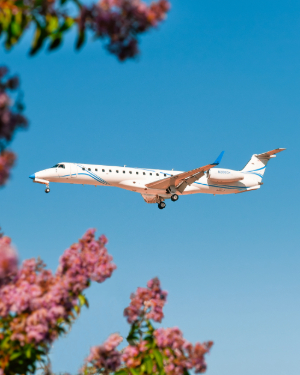
Photo: AeroXplorer/ Pablo Armando Armenta
The Operator's Case
According to the petition filed with the FAA, Hop-A-Jet discovered corrosion damage on a JT15D engine that fell outside the inspection areas currently mandated by the AD. The finding came during routine maintenance, not as a result of the directive's required checks. The company says that without the broader teardown, the corrosion could have progressed undetected.
The operator is asking the FAA to broaden the AD so that inspections cover additional engine sections where corrosion has been found in real-world service. Hop-A-Jet contends that the change would catch problems earlier, reduce the risk of in-flight engine issues, and ultimately save operators money by avoiding catastrophic repairs.
It is an unusual move. Most airworthiness directives expand based on FAA or manufacturer findings, service difficulty reports, or accident investigations. A charter operator formally petitioning to make an AD stricter is far less common, though the regulatory process allows any interested party to request rulemaking changes.

The Cockpit’s Next Revolution: When the Co-Pilot Is a Computer
Why This Matters to the Fleet
The JT15D powers a significant portion of the legacy light jet fleet. Cessna built the Citation I and Citation II in large numbers, and both rely on JT15D variants. Many of these aircraft remain in active charter, fractional, and owner-flown service. For operators of older Citations, an expanded AD would mean additional inspection labor and potentially more findings that require repair.
That cuts both ways. Stricter inspections increase short-term maintenance costs but can prevent the kind of failure that grounds an aircraft for months or forces a premature engine overhaul. Hot-section work and major engine repairs on JT15D powerplants can run well into six figures, and parts availability for older variants has tightened in recent years.
For enthusiasts following the light jet market, the petition highlights a tension that affects every aging aircraft fleet. Owners want to keep flying. Regulators want to manage risk. Manufacturers want to support their installed base without exposing themselves to liability from aircraft they built decades ago. ADs sit at the intersection of all three.

How the Petition Process Works
When the FAA receives a petition to amend an AD, the agency reviews the technical justification, consults with the manufacturer, and weighs the safety case against the cost burden on operators. The process can take months or years. In some cases, the FAA issues a notice of proposed rulemaking that invites public comment before any change takes effect.
Pratt & Whitney Canada will almost certainly have a voice in any review. The engine maker issues its own service bulletins that often parallel or precede FAA action. If the manufacturer agrees that additional inspections are warranted, the path to an expanded AD becomes much shorter. If the company pushes back, the FAA must build its own technical case.
Hop-A-Jet has not said publicly how many engines it inspected before filing the petition or what specific components showed the corrosion damage. Those details will likely surface if the FAA opens a formal review.
What Operators Should Watch
If you operate or fly behind a JT15D, the practical takeaway is straightforward. The current AD still applies, and compliance remains mandatory. Any expansion would come with a comment period and an effective date, giving operators time to plan inspection schedules and budget for additional work.
In the meantime, maintenance providers familiar with the engine family have already been recommending more thorough corrosion checks on high-time and high-cycle examples, particularly aircraft based in coastal or humid environments. Salt air accelerates corrosion in ways that inland-based aircraft rarely experience, and the JT15D's age means many engines have spent decades in those conditions.
Whether the FAA acts on Hop-A-Jet's petition or not, the filing puts a spotlight on a question the light jet community has been asking quietly for years. How do you keep a 40-year-old engine flying safely without pricing its owners out of operation? The answer, as always, depends on what inspections find and how regulators respond.
British Airways Unveils World's Largest Business Class Cabin With 106 Seats Aboard Refurbished A380 Fleet » FAA Clears JetBlue's $58.5M Purchase of Spirit's LaGuardia Slots » Southwest Airlines Blames Brief System Outage for Boarding Delays and Checked Bag Disruptions »

Comments (0)
Add Your Comment
TAGS
INFORMATIONAL Hop-A-Jet FAA Pratt & Whitney Engine Corrosion Airworthiness Directive Turbofan Engines Aviation Safety Regulatory Compliance Engine Maintenance Fleet Safety Aviation Regulations Maintenance Standards Engine Reliability Safety Enhancement Operational Safety Charter AviationRECENTLY PUBLISHED
 This Week in Aviation: The 10 Stories That Mattered Most
From major airline developments to aircraft updates and industry shifts, this weekly recap highlights the ten most-read aviation stories from the week of October 04.
INFORMATIONAL
READ MORE »
This Week in Aviation: The 10 Stories That Mattered Most
From major airline developments to aircraft updates and industry shifts, this weekly recap highlights the ten most-read aviation stories from the week of October 04.
INFORMATIONAL
READ MORE »
 4th vs 5th Generation Fighter Jets: How Fighter Jets Have Evolved
A look at what separates fourth- and fifth-generation fighter jets, from stealth and sensor fusion to combat capability and cost.
INFORMATIONAL
READ MORE »
4th vs 5th Generation Fighter Jets: How Fighter Jets Have Evolved
A look at what separates fourth- and fifth-generation fighter jets, from stealth and sensor fusion to combat capability and cost.
INFORMATIONAL
READ MORE »
 United 777 Diverts to Dublin After Cockpit Windscreen Cracks Over the Atlantic
A United Airlines Boeing 777 bound for Milan made a steep descent and diverted to Dublin after its cockpit windscreen cracked mid-flight.
NEWS
READ MORE »
United 777 Diverts to Dublin After Cockpit Windscreen Cracks Over the Atlantic
A United Airlines Boeing 777 bound for Milan made a steep descent and diverted to Dublin after its cockpit windscreen cracked mid-flight.
NEWS
READ MORE »
More than just headlines.
Get unlimited ad-free access to in-depth aviation news, premium stories, and exclusive insights other sites don't cover.
- Ad-free browsing on AeroXplorer
- Unlimited access to premium and exclusive articles
- Higher photo upload limits & commissions on sales
- Free access to Jetstream Magazine on higher tiers
- Ad-free browsing
- Sell aviation photos with 60% commission
- First week free!
- Everything in Basic+
- Unlimited premium articles
- Sell aviation photos with 70% commission
- Free Digital subscription to Jetstream Magazine
- First week free!
- Everything in Basic+ and Pro
- Sell aviaiton photos with 80% commission
- Early access to exclusive stories
- Free Digital+Print subscription to Jetstream Magazine