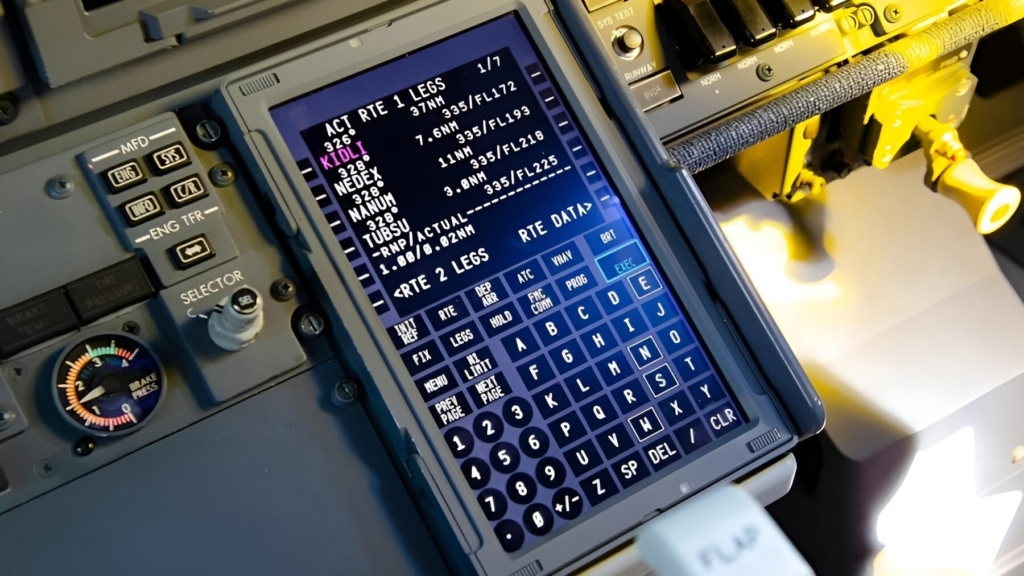
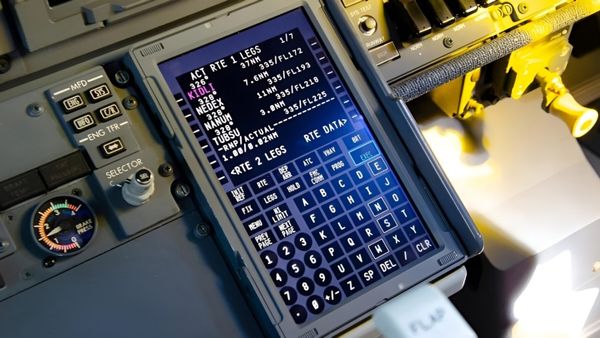
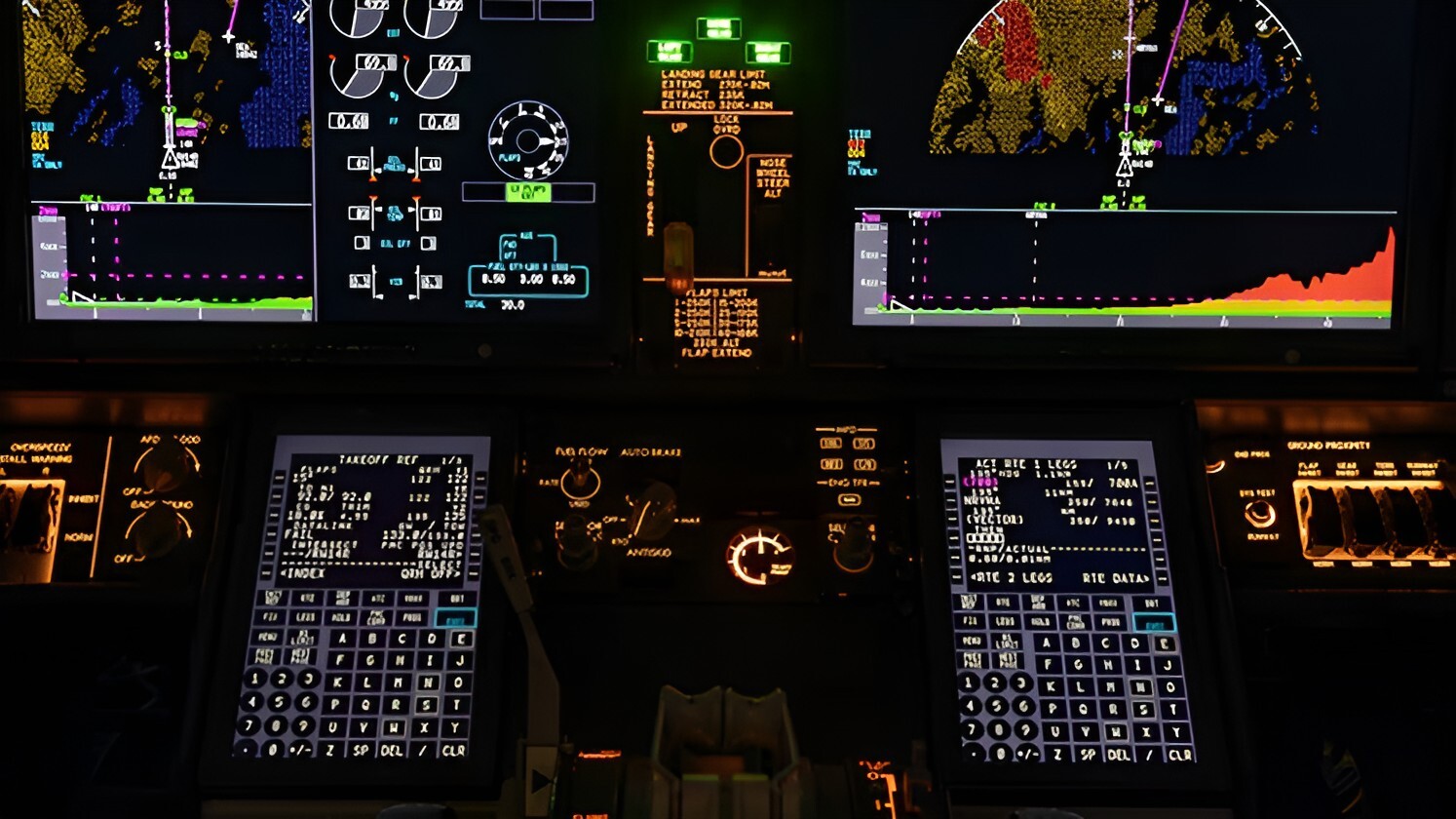
Boeing's decision to introduce Touchscreen Control Display Units (TCDUs) on its 737 aircraft has triggered a wave of criticism from pilots, who argue the technology could compromise safety and usability in the cockpit.
The planemaker confirmed it will replace the traditional physical keypad CDUs with ouchscreen versions on future 737 deliveries. The CDU is one of the most frequently used interfaces in the flight deck, allowing pilots to program flight routes, enter performance data, and manage various aircraft systems through the Flight Management Computer.
For decades, pilots have relied on tactile buttons to carry out these tasks. The shift to a glass surface has prompted sharp pushback from aviators who question whether a touchscreen can match the reliability of physical controls during turbulence, high-workload phases of flight, or in challenging environmental conditions.
Why Pilots Are Pushing Back
Flight crews have raised a range of concerns about the move. The most pressing involves turbulence. Pilots argue that pressing precise targets on a flat screen becomes significantly harder when the aircraft is shaking, and that misinputs could lead to incorrect data entries at critical moments.
Physical buttons give pilots tactile feedback. You can feel when a key has been pressed without needing to look at it. That confirmation is lost on a touchscreen, which forces pilots to divert their eyes to the display to verify each input. In a cockpit environment where attention management is central to safety, that trade-off has drawn concern.
Glare is another issue. Flight decks are subject to intense sunlight at altitude, and glossy touchscreen surfaces can become difficult to read under direct light. Pilots have also pointed to the challenge of operating a touchscreen while wearing gloves, which is common on cold-weather operations and during certain emergency procedures.
Hygiene and wear have also come up. Touchscreens accumulate fingerprints and smudges, and over time the display surface can degrade from constant contact. Physical buttons, by contrast, have a long service history in commercial aviation and are well understood by maintenance crews.
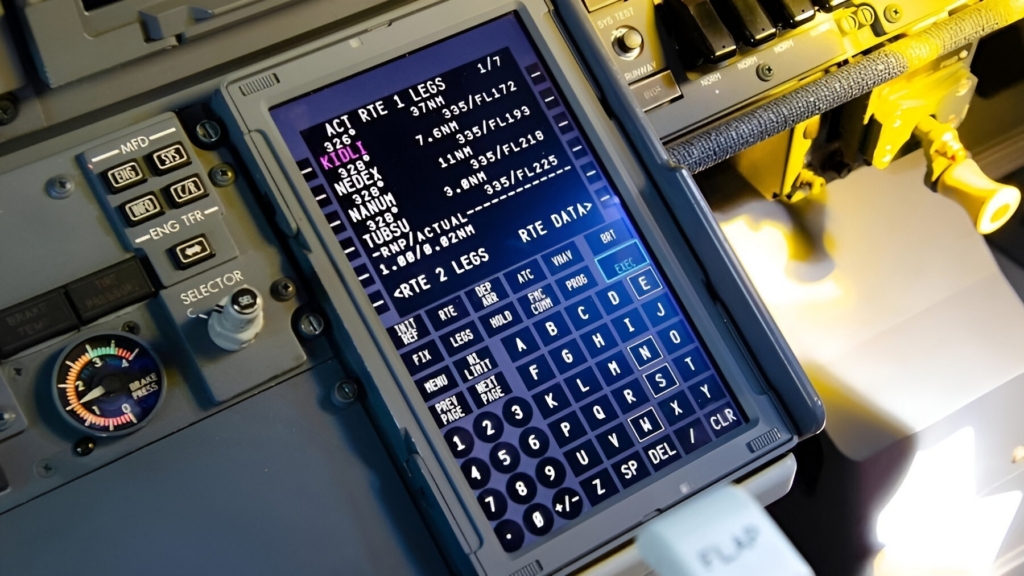
Photo: Boeing
Boeing's Position
Boeing has defended the change as part of a broader modernization of the 737 flight deck. The company argues that touchscreen CDUs align the 737 with newer cockpit designs seen on other modern aircraft and offer greater flexibility for future software updates. A touchscreen interface can be reconfigured through software, whereas physical keypads are fixed in function.
The manufacturer has also pointed to the broader industry trend toward touchscreen integration in aviation. Several business jets and newer airliner models already incorporate touchscreen displays for various functions, and Boeing has suggested that pilot familiarity with such interfaces will grow over time.
Still, the 737 is not a new aircraft. It is one of the most widely flown commercial jets in the world, with a flight deck design that has evolved incrementally over decades. Introducing a fundamentally different input method into an otherwise familiar cockpit has struck many pilots as a significant departure from the aircraft's established human factors design.

Analysis: How Spirit Airlines Changed Airline Pricing, then Paid the Price
Context of Scrutiny on Boeing
The backlash arrives at a sensitive moment for Boeing. The company has faced sustained scrutiny following the two fatal crashes of the 737 MAX in 2018 and 2019, as well as more recent quality control issues on its production lines. Pilots, regulators, and the flying public have been particularly attentive to any changes affecting the 737's flight deck or operating characteristics.
Critics of the touchscreen rollout have pointed to this history, arguing that any change to pilot interfaces on the 737 deserves careful human factors review and extensive consultation with the pilot community. Several pilots speaking publicly have expressed frustration that the decision appears to have been made without sufficient input from those who will actually use the equipment every day.
Industry Debate Over Cockpit Automation
The dispute over Touchscreen CDUs reflects a broader debate in commercial aviation about the balance between automation, digital interfaces, and traditional controls. Supporters of digitization argue that modern displays reduce cockpit clutter, enable new functionality, and simplify training across different aircraft types.
Opponents counter that the aviation industry has learned hard lessons about over-reliance on automation and that physical controls provide a layer of resilience that software-driven interfaces cannot match. The question of how pilots interact with their aircraft, particularly during emergencies or unusual situations, remains a live safety issue.
Human factors specialists have long emphasized the value of tactile feedback in high-stakes environments. Studies in both aviation and other safety-critical industries have shown that physical controls can be operated more quickly and reliably than touchscreens when operators are under stress or unable to look directly at the interface.
What Comes Next
Boeing has not indicated that it plans to reverse the decision. The Touchscreen CDUs are expected to be fitted on future 737 deliveries, though existing aircraft in service will continue to use their current physical keypads.
For airlines, the change raises questions about pilot training, fleet standardization, and the potential need for different procedures when crews move between older and newer 737 variants. Pilot unions and professional associations are likely to weigh in with formal positions in the coming months.
For now, the debate highlights a persistent tension in modern aircraft design. The push for sleeker, more flexible digital interfaces continues to meet resistance from those who argue that proven, tactile controls remain the safest option in the cockpit. On the 737, that tension has become particularly visible, and pilots have made clear they intend to keep raising their concerns.
FAA Clears JetBlue's $58.5M Purchase of Spirit's LaGuardia Slots » US Air Force Pulls All 12 B-1B Bombers from RAF Fairford Following Attempted Attack » US State Department Warns of Threats to Airlines and Airports in Saudi Arabia Following Deadly Houthi Attacks »

Comments (0)
Add Your Comment
TAGS
NEWS Boeing Boeing 737 Touchscreen Controls Flight Deck Pilot Criticism Cockpit Design Avionics Aviation Safety Aircraft TechnologyRECENTLY PUBLISHED
 Southwest Airlines Blames Brief System Outage for Boarding Delays and Checked Bag Disruptions
Southwest Airlines confirms a brief technology outage disrupted boarding and checked bag operations, forcing gate agents to process travelers manually.
NEWS
READ MORE »
Southwest Airlines Blames Brief System Outage for Boarding Delays and Checked Bag Disruptions
Southwest Airlines confirms a brief technology outage disrupted boarding and checked bag operations, forcing gate agents to process travelers manually.
NEWS
READ MORE »
 Southwest Airlines Considers Boeing 787 Order for Long-Haul International Expansion
Southwest Airlines is evaluating the Boeing 787 Dreamliner as it explores a shift into long-haul international flying, sources tell Reuters.
NEWS
READ MORE »
Southwest Airlines Considers Boeing 787 Order for Long-Haul International Expansion
Southwest Airlines is evaluating the Boeing 787 Dreamliner as it explores a shift into long-haul international flying, sources tell Reuters.
NEWS
READ MORE »
 Delta Passenger Arrested After Allegedly Stealing Airport Tug
A Delta Air Lines passenger faces charges after allegedly stealing a ground service tug at a California airport and driving it onto a runway.
NEWS
READ MORE »
Delta Passenger Arrested After Allegedly Stealing Airport Tug
A Delta Air Lines passenger faces charges after allegedly stealing a ground service tug at a California airport and driving it onto a runway.
NEWS
READ MORE »
More than just headlines.
Get unlimited ad-free access to in-depth aviation news, premium stories, and exclusive insights other sites don't cover.
- Ad-free browsing on AeroXplorer
- Unlimited access to premium and exclusive articles
- Higher photo upload limits & commissions on sales
- Free access to Jetstream Magazine on higher tiers
- Ad-free browsing
- Sell aviation photos with 60% commission
- First week free!
- Everything in Basic+
- Unlimited premium articles
- Sell aviation photos with 70% commission
- Free Digital subscription to Jetstream Magazine
- First week free!
- Everything in Basic+ and Pro
- Sell aviaiton photos with 80% commission
- Early access to exclusive stories
- Free Digital+Print subscription to Jetstream Magazine