


The Federal Aviation Administration wants aircraft operators to do more to preserve cockpit voice recorder (CVR) data following incidents and accidents. In a newly released Safety Alert for Operators (SAFO), the agency laid out steps flight crews and carriers should take to prevent critical audio evidence from being overwritten.
The guidance targets a longstanding problem investigators have flagged for years. When a CVR keeps running after an incident, older recordings get erased. That means by the time crash investigators or safety officials pull the device, the audio they need may already be gone.
What the FAA is asking operators to do
The SAFO recommends that operators establish clear procedures for pulling the circuit breaker on the CVR after any reportable event. Flight crews should also know when and how to deactivate the recorder to protect its contents. The FAA wants operators to fold these steps into training programs, checklists, and standard operating procedures.
The agency also encourages carriers to review their internal policies on data preservation and make sure crews understand their responsibilities under federal regulations. The recommendations apply to a broad range of operators, including Part 121 airlines, Part 135 charter operators, and Part 91 corporate flight departments.
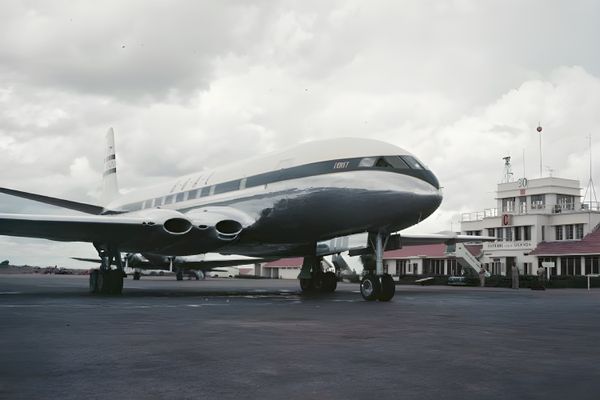
The Shape of Disaster: The Plane That Kept Falling Apart Mid-Air
Why this matters for investigators
Cockpit voice recorders capture audio from the flight deck, including crew conversations, radio communications, and ambient sounds like alarms or switch activations. For accident investigators, that audio often provides the clearest window into what happened in the moments before something went wrong.
The problem is that many CVRs installed on aircraft today record on a loop. Older units retain only the most recent two hours of audio, while newer models can capture up to 25 hours. If the recorder keeps running after an incident, whether during taxi, at the gate, or on a subsequent flight, the relevant audio gets written over.
The National Transportation Safety Board has raised concerns about lost CVR data for years. In several high-profile investigations, the board has noted that key audio was unavailable because the recorder was not stopped in time.
A push for longer recording durations
The FAA has been working on a separate rule that would require 25-hour CVRs on newly manufactured aircraft. That rule aligns U.S. requirements more closely with international standards set by the European Union Aviation Safety Agency, which already mandates longer recording times on new aircraft.
Even with longer recording durations, the FAA notes that preserving data after an incident remains essential. A 25-hour loop still gets overwritten eventually, and crews may not always recognize in the moment that an event warrants preservation.
What counts as a reportable event
The SAFO points operators toward existing federal regulations that define reportable incidents and accidents. These include events involving serious injury, substantial aircraft damage, in-flight fires, flight control malfunctions, and other situations that trigger notification requirements to the NTSB or FAA.
The agency also encourages operators to preserve CVR data after events that fall short of formal reporting thresholds but still raise safety concerns. That could include near-miss events, runway incursions, or unusual system behavior that might warrant later review.
Training and procedure updates
The FAA wants operators to update their training materials, so pilots know exactly what to do after an incident. That includes identifying the location of the CVR circuit breaker, understanding when to pull it, and knowing how to document the action for investigators.
The guidance stops short of being a mandatory rule. A SAFO is advisory in nature, meaning operators are strongly encouraged but not legally required to follow its recommendations. Still, the FAA typically uses these alerts to signal issues it considers serious, and many operators treat SAFOs as de facto standards.
Industry response
Aviation safety groups have generally welcomed efforts to preserve more CVR data. Investigators have long argued that better preservation practices, combined with longer recording durations, would improve the quality of accident investigations and help identify safety trends before they lead to disasters.
Some pilot groups have historically raised privacy concerns about extended CVR recordings, worried that audio could be used for purposes beyond safety investigations. The FAA has said the recordings remain protected under federal law and can only be used for specific safety-related purposes.
What comes next
Operators are expected to review the SAFO and consider how to incorporate its recommendations into their operations. The FAA has not set a compliance deadline since the guidance is advisory, but the agency will likely track how carriers respond and may use the feedback to shape future rulemaking.
For passengers, the changes happen behind the scenes. But if the recommendations take hold across the industry, future accident investigations should have access to more complete audio evidence, which could lead to faster answers and stronger safety improvements.
American Airlines Swaps Landline Buses for CRJ-700 Flights on 84-Mile South Bend to Chicago Route » Riyadh Airport Closed After Reported Ballistic Missile Strike on Saudia Airbus Jet » Delta Passenger Arrested After Allegedly Stealing Airport Tug »

Comments (0)
Add Your Comment
TAGS
NEWS FAA Federal Aviation Administration Cockpit Voice Recorder SAFO Safety Alert for Operators (SAFO)RECENTLY PUBLISHED
 NetJets Expands US Footprint With Three New Private Terminals and Larger Palm Beach Facility
NetJets announces exclusive-use terminals in Dallas, Washington, and Palm Beach, expanding private aviation infrastructure across key US markets.
NEWS
READ MORE »
NetJets Expands US Footprint With Three New Private Terminals and Larger Palm Beach Facility
NetJets announces exclusive-use terminals in Dallas, Washington, and Palm Beach, expanding private aviation infrastructure across key US markets.
NEWS
READ MORE »
 Army Report Points to Systemic Failures in Deadly Black Hawk Collision Near Reagan National
A new Army report identifies systemic failures behind the January collision between a UH-60L Black Hawk and American Airlines Flight 5342 near Washington.
NEWS
READ MORE »
Army Report Points to Systemic Failures in Deadly Black Hawk Collision Near Reagan National
A new Army report identifies systemic failures behind the January collision between a UH-60L Black Hawk and American Airlines Flight 5342 near Washington.
NEWS
READ MORE »
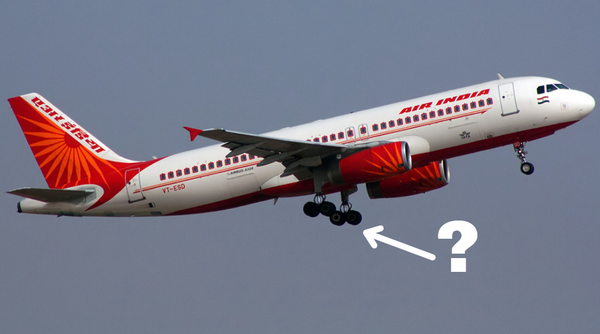 Why Did Some Air India A320s Have Extra Wheels? Bogie Gear Explained
Why Air India operated select Airbus A320s with an unusual bogie landing gear.
INFORMATIONAL
READ MORE »
Why Did Some Air India A320s Have Extra Wheels? Bogie Gear Explained
Why Air India operated select Airbus A320s with an unusual bogie landing gear.
INFORMATIONAL
READ MORE »
More than just headlines.
Get unlimited ad-free access to in-depth aviation news, premium stories, and exclusive insights other sites don't cover.
- Ad-free browsing on AeroXplorer
- Unlimited access to premium and exclusive articles
- Higher photo upload limits & commissions on sales
- Free access to Jetstream Magazine on higher tiers
- Ad-free browsing
- Sell aviation photos with 60% commission
- First week free!
- Everything in Basic+
- Unlimited premium articles
- Sell aviation photos with 70% commission
- Free Digital subscription to Jetstream Magazine
- First week free!
- Everything in Basic+ and Pro
- Sell aviaiton photos with 80% commission
- Early access to exclusive stories
- Free Digital+Print subscription to Jetstream Magazine