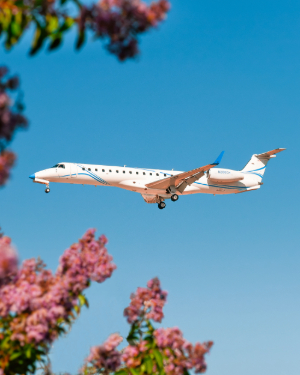

Emirates expects to receive only a small number of Boeing 777-9 aircraft next year, marking the long-delayed debut of the widebody jet in the carrier's fleet. The Dubai-based airline, which stands as the largest customer for the type, has braced itself for a modest initial handover after years of pushed-back timelines.
Tim Clark, the president of Emirates, told Bloomberg that the airline anticipates taking delivery of between three and five Boeing 777-9s in 2027. While that figure falls far short of what the carrier originally planned for, Clark made clear that the airline will welcome whatever Boeing can produce.
"It's better than none," Clark said, summing up the airline's pragmatic view of the situation.
A Program Marked by Delays
The Boeing 777-9, the larger of the two variants in the 777X family, was initially slated to enter commercial service in 2020. A combination of engineering challenges, certification hurdles, and broader issues at Boeing has pushed that timeline back by several years. The aircraft has not yet received certification from the US Federal Aviation Administration.
Emirates sits at the center of the program as its launch customer and largest buyer. The airline has ordered 205 of the 777X jets, a commitment that underscores just how significant the type is to the carrier's long-term fleet strategy. The aircraft will eventually replace aging Boeing 777-300ERs that have formed the backbone of the Emirates operation for years.
The repeated delays have forced Emirates to adjust its plans, extending the service lives of existing aircraft and investing heavily in cabin refurbishments to keep its current fleet competitive. Clark has publicly voiced frustration with Boeing on multiple occasions, questioning the manufacturer's ability to deliver the aircraft on schedule and to the standard Emirates expects.

What the Modest Delivery Means
Receiving only three to five aircraft in the first year of deliveries will do little to transform the Emirates fleet overnight. The carrier operates a sizable widebody operation built around the Boeing 777 and the Airbus A380, and even a handful of new 777-9s will represent only a fraction of the overall capacity.
Still, the arrival of the first aircraft matters symbolically and operationally. It will allow Emirates to begin crew training, establish maintenance procedures, and introduce passengers to the new cabin products that the airline has been developing for the type. Once the initial deliveries are complete, Emirates will be positioned to accept larger batches as Boeing increases production rates.
Clark's comments reflect a recognition that the airline cannot control Boeing's production ramp-up. The manufacturer has faced well-documented difficulties across its commercial aircraft programs, including quality control issues on the 737 MAX line and knock-on effects across its wider operations.

Ten Minutes to Manhattan: Inside Joby’s Air Taxi Ambitions
Certification Timeline Remains Key
The timing of any 2027 deliveries depends heavily on when the 777-9 receives certification from the FAA. Boeing has conducted extensive flight testing of the aircraft, but the certification process has taken longer than the manufacturer initially projected. Regulators have applied heightened scrutiny to new Boeing programs following the 737 MAX crises.
Once certification is granted, Boeing will need to work through its production backlog in an orderly fashion. Emirates, as the launch customer, will be among the first airlines to receive aircraft, but the manufacturer also has commitments to other carriers including Lufthansa, Qatar Airways, Cathay Pacific, and Singapore Airlines.

Fleet Planning in Flux
The slow ramp-up has forced Emirates to think creatively about its fleet. The airline has invested significant sums in a retrofit program for its existing 777 and A380 aircraft, installing new premium economy cabins and refreshing other classes of service. These upgrades were planned partly to bridge the gap caused by the 777-9 delays.
Emirates has also continued to take delivery of other aircraft types, including Airbus A350s, which arrived in the fleet recently. The carrier's network strategy, which relies on high-capacity widebody aircraft flying through its Dubai hub, depends on a steady supply of new jets to replace retiring aircraft and support growth.
The 777-9 itself is designed to carry more passengers than its predecessor, the 777-300ER, while burning less fuel. Boeing has promoted the aircraft as the most efficient twin-engine widebody in its class, with features including folding wingtips that allow it to use standard airport gates despite its wide wingspan.
Looking Ahead
For Emirates passengers, the arrival of the first 777-9s will introduce a new product offering, though it will take years before the type becomes a common sight across the network. The airline has not yet announced which routes will be the first to see the new aircraft, decisions that will likely depend on where Emirates can make best use of the initial small number of jets.
Clark's acknowledgment that "it's better than none" captures the reality facing Emirates and Boeing alike. After years of waiting, any delivery represents forward progress, even if the pace falls short of what the airline originally envisioned. For a carrier that has placed such a large bet on the 777X program, patience has become a necessary virtue.
The coming months will be closely watched by the aviation industry as Boeing works to secure certification and begin handing over aircraft. Emirates, meanwhile, will continue to operate its existing fleet while preparing for the arrival of the jets that will shape its operations for decades to come.
Russia Keeps Su-57E Export Campaign Alive as India Steps Back » NTSB Recovers Cockpit Voice Recorder from Deadly Florida Learjet Crash » European Airlines Face Fresh Wave of Bomb Hoax Calls as Carriers Weigh Response »

Comments (0)
Add Your Comment
TAGS
NEWS Emirates Boeing 777-9 Aircraft Deliveries Delivery Delays Widebody Aircraft Fleet Planning Boeing Dubai Aviation Airline StrategyRECENTLY PUBLISHED
 USAF Relocates Refueling Tankers from RAF Mildenhall Following Reported Iran-Linked Threat
The US Air Force has moved aerial refueling tankers from RAF Mildenhall in England amid reports of a credible threat tied to Iran.
NEWS
READ MORE »
 Seeing the Invisible: SkyPath's Answer to Rising Turbulence
Clear-air turbulence is the hazard pilots cannot see coming. As turbulence climbs, SkyPath chief executive Maya Shpak explains how pilots' iPads, machine learning, and a strict data-sharing rule combine to give crews about 10 minutes' warning.
STORIES
READ MORE »
 FAA Plans to Retire Floppy Disks from Air Traffic Control Systems by 2028
The FAA plans to replace floppy disks and other aging technology used in US air traffic control facilities, with a full rollout targeted by 2028.
NEWS
READ MORE »
More than just headlines.
Get unlimited ad-free access to in-depth aviation news, premium stories, and exclusive insights other sites don't cover.
- Ad-free browsing on AeroXplorer
- Unlimited access to premium and exclusive articles
- Higher photo upload limits & commissions on sales
- Free access to Jetstream Magazine on higher tiers
- Ad-free browsing
- Sell aviation photos with 60% commission
- First week free!
- Everything in Basic+
- Unlimited premium articles
- Sell aviation photos with 70% commission
- Free Digital subscription to Jetstream Magazine
- First week free!
- Everything in Basic+ and Pro
- Sell aviaiton photos with 80% commission
- Early access to exclusive stories
- Free Digital+Print subscription to Jetstream Magazine