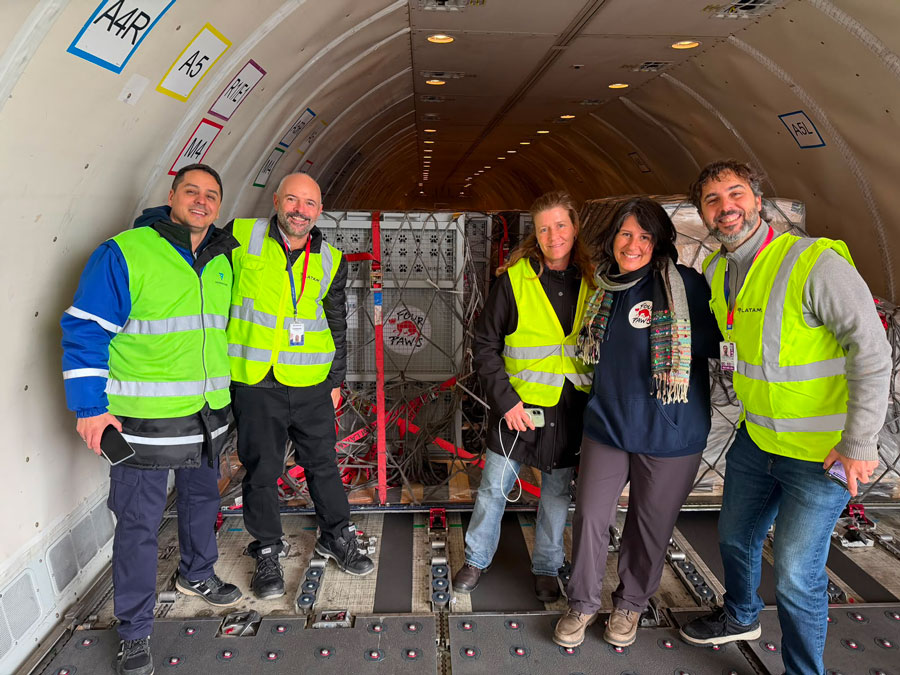
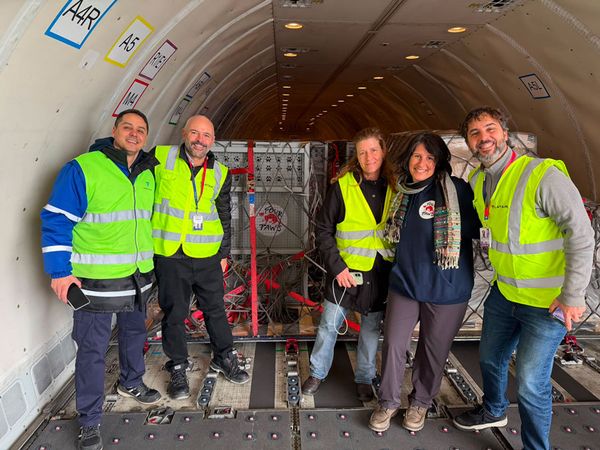
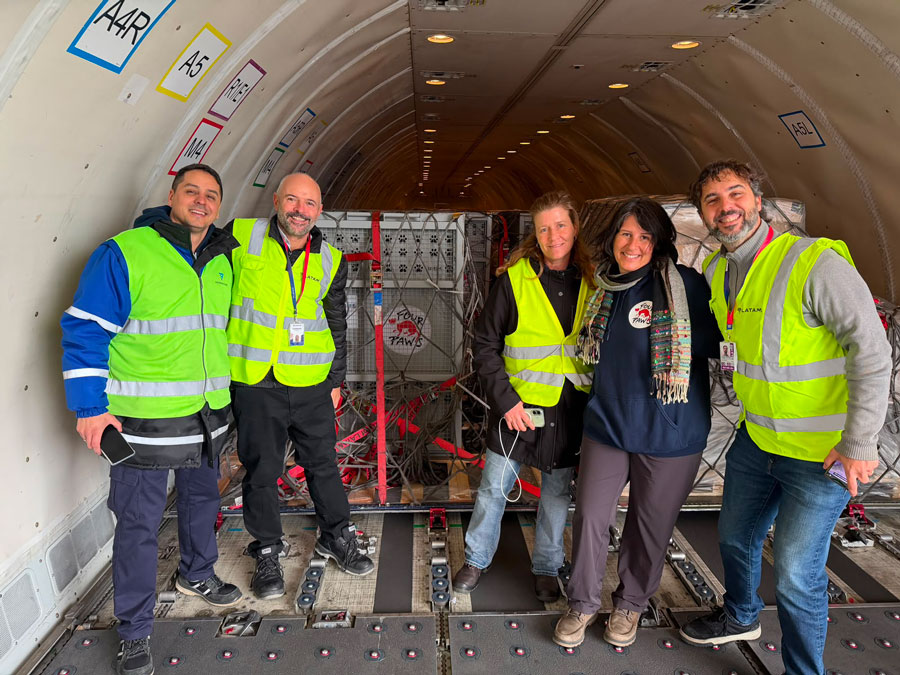
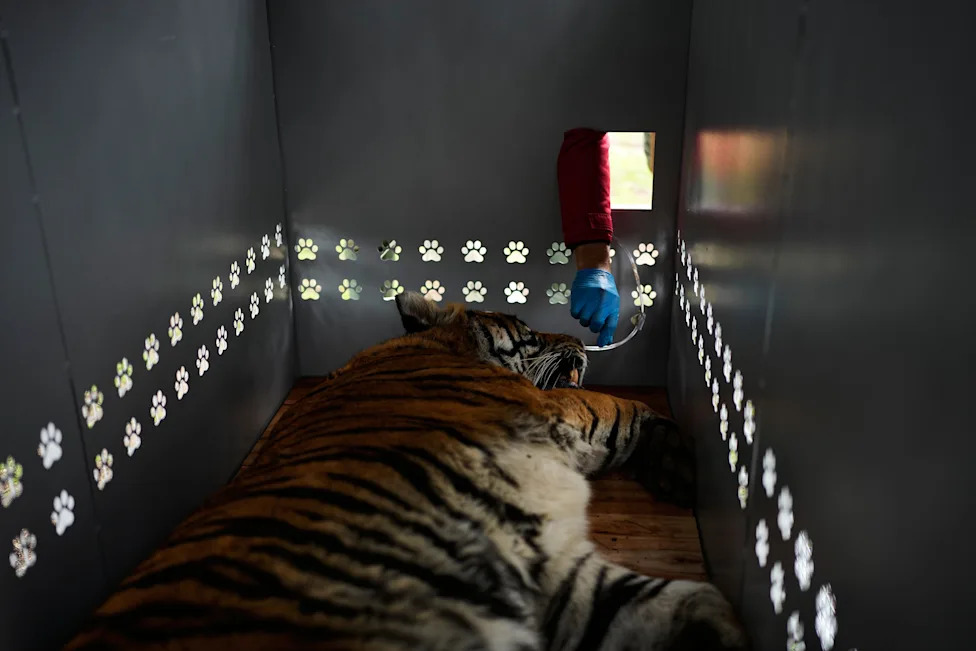
When LATAM Cargo flew 15 lions and tigers from Buenos Aires to Colorado in August, their specially designed transport crates weighed more than the animals themselves. LATAM Cargo's Boeing 767 freighter carried 5.4 tonnes. Of that, 2.5 tonnes were animals and 2.9 tonnes were specially designed transport crates.
The figures offer a glimpse into the logistics of transporting large animals by air.
Animal welfare organisation FOUR PAWS eventually arranged the relocation of 30 big cats to sanctuaries in the United States and South Africa, describing it as one of the largest operations of its kind.
Preparing Big Cats for Air Transport
The groundwork began with the animals' health. In November 2025, Four Paws' veterinarians examined 62 big cats, 32 lions and 30 tigers, along with two bears in under a month. After years in small concrete enclosures, the cats had dental disease, kidney problems, complications from declawing, and poorly healed injuries.
Health checks matter in air cargo. IATA's guidance says carriers should only accept animals that appear to be in good condition and health, so every cat needed veterinary clearance before it could fly.
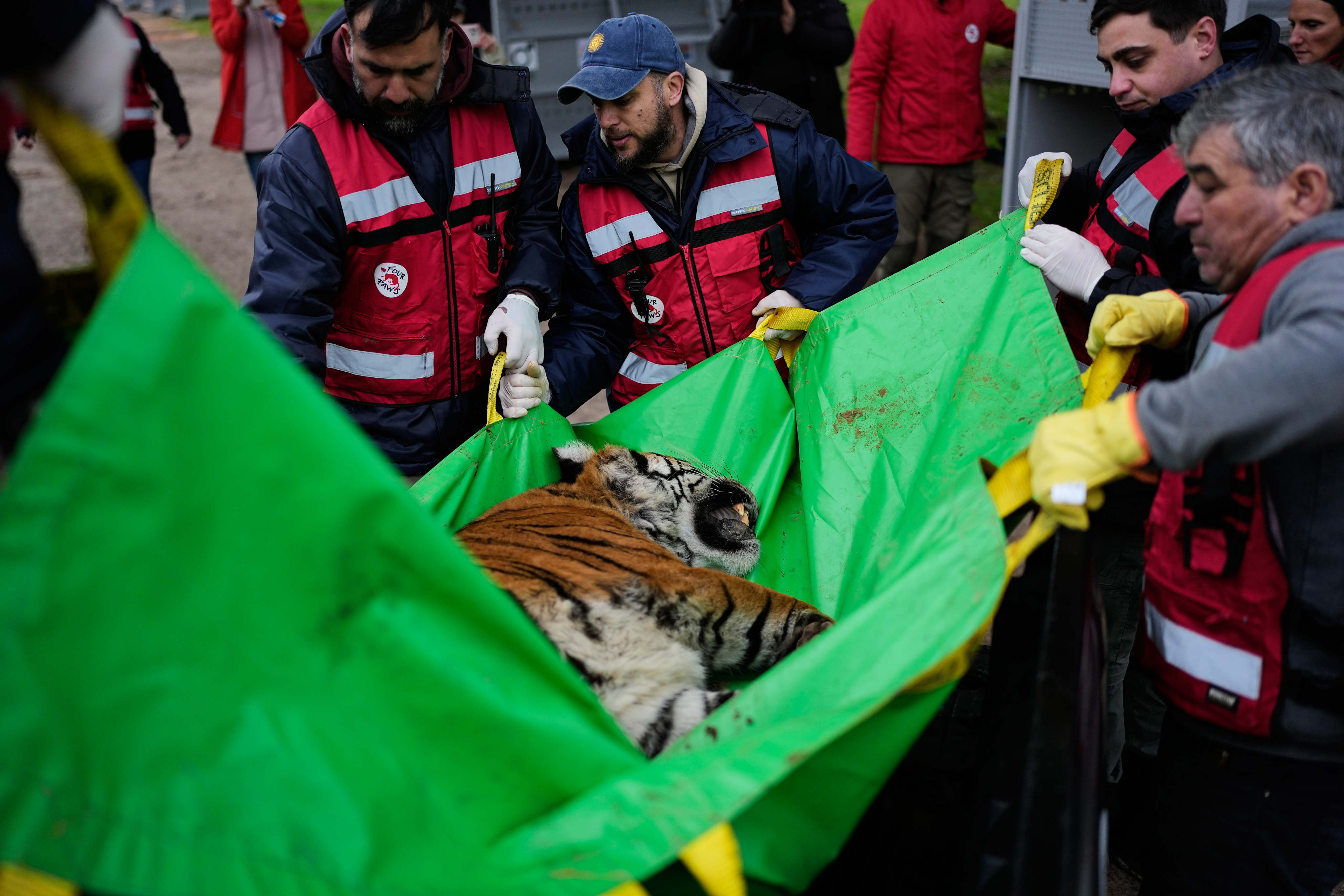
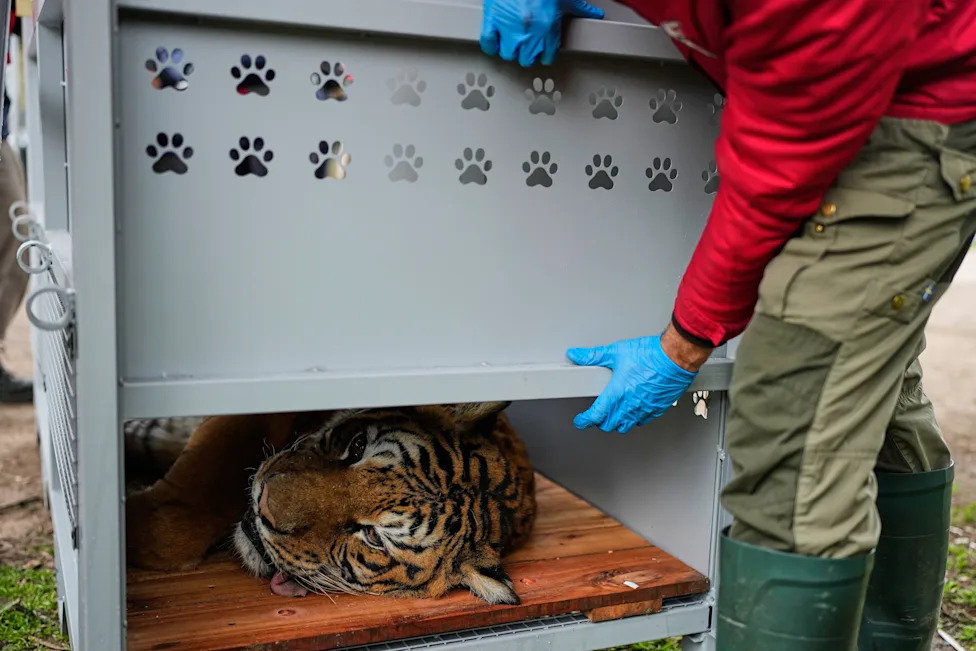
Four Paws trained many of the cats to walk into their crates voluntarily. Preparing and loading took four days. Thirty crates lined up under a tent in winter rain and mud, and the cats that hadn't been crate-trained were briefly sedated by vets and placed inside. The crates went onto four trucks, and a convoy took them to Buenos Aires airport.
Regulations Governing Live Animal Air Cargo
The relocation involved several layers of international and national regulation. The IATA Live Animals Regulations are the worldwide standard for flying live animals. IATA says governments set and enforce the rules, and its member airlines are expected to follow the regulations. The aircraft captain also receives a Notification to Captain (NOTOC), which identifies the live animals being carried and their location and quantity on board.
International wildlife law adds more. CITES, the treaty that controls trade in endangered species, lists tigers in Appendix I, its strictest category. Importing an Appendix I species into the US generally requires both an import permit and an export permit. LATAM said it validated the CITES permits and veterinary requirements at origin, in transit, and at destination.
US law adds two more layers. The Big Cat Public Safety Act, signed in December 2022, restricts imports of live lions and tigers, with an exception for sanctuaries that meet its requirements, as set out in the Fish & Wildlife Service's implementing rule. Live wildlife must also be declared to the agency, enter through a designated port, and be reported 48 hours before arrival.
Two Cargo Routes Across Three Continents
The 30 cats traveled in two groups of 15. The Colorado group, eight tigers and seven lions, flew on a dedicated LATAM charter from Buenos Aires to Denver with a technical stop in Santiago. A technical stop is a landing for operational reasons rather than to deliver cargo. The cats then went to The Wild Animal Sanctuary in Colorado.
More than 15 LATAM specialists from its commercial, legal, quality, operations, and ramp teams worked on the move, alongside the freight forwarder DSV and the local agent Intermodal Logistics Services. Planning began weeks before takeoff.
LATAM said the Live Animals Regulations provided it with controlled conditions for pressurization, temperature, and continuous ventilation in the freighter's hold. A specialist traveled on board and supervised ramp procedures. Daniel Leng, LATAM Cargo's senior vice president of operations, said a charter like this leaves "no margin for deviation".
The Africa group, nine tigers and six lions, was headed for Four Paws' Lionsrock sanctuary in South Africa. Air France KLM Martinair Cargo flew six lions from Buenos Aires via Amsterdam to Johannesburg. AP reported the Africa-bound cats would route through Frankfurt or Amsterdam, then drive about four hours to the sanctuary.

How AI Quietly Became the Backbone of Today’s Aviation Industry
The Final Stage of the Wildlife Airlift
Four Paws said team members traveled with both groups and checked on the animals as often as they could. By the organization's account, all 30 cats stayed calm throughout their flights, and both groups reached their sanctuaries.
The rescue isn't finished. More than 20 big cats remain at the former zoo while FOUR PAWS searches for long-term homes for them. The 30 already relocated required months of veterinary preparation, international permits, specialist handling and coordination between airlines and ground teams. Their flights show how much planning can sit behind a single shipment of live-animal cargo.
Catering to the Aircraft: What Crews Should Consider Before Ordering » Are Airports Cool & Fancy Again? We Think So » Exclusive: Inside Lufthansa Technik's Touchscreen Tray Table »

Comments (0)
Add Your Comment
TAGS
INFORMATIONAL LATAM Cargo Air Cargo Live Animal Transport Wildlife Air Transport Boeing 767 Freighter Big Cat Relocation Lions and Tigers Argentina Colorado South Africa IATA Live Animals Regulations CITES Four Paws DSV Animal WelfareRECENTLY PUBLISHED
 VIDEO: The Lear Jet Restoration Project
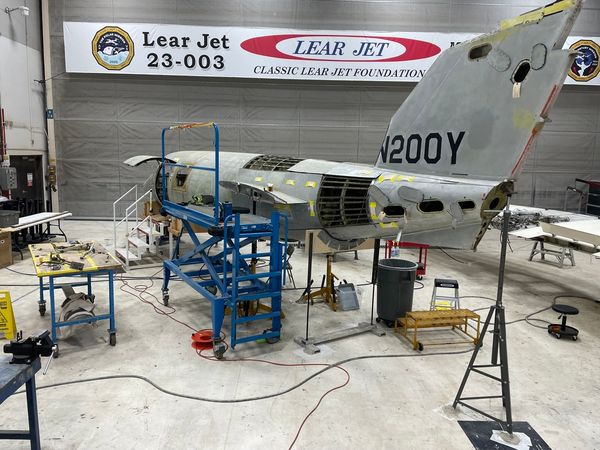
A Wichita nonprofit is restoring the first Lear Jet ever built to flying condition. Meet the volunteers bringing 23-003 back to life, decades after it first flew.
STORIES
READ MORE »
 Canada Clears Flyte for Cross-Border Charter Flights
Flyte secures Canadian approval to operate on-demand charter flights between the US and Canada, expanding options for business travelers.
NEWS
READ MORE »
 American Airlines Restores Daily Miami to Cap-Haitien Flights, Reopening US Air Link to Haiti
American Airlines resumes daily service between Miami and Cap-Haïten, restoring the only US airline connection to Haiti and marking its 100th regional destination.
NEWS
READ MORE »
More than just headlines.
Get unlimited ad-free access to in-depth aviation news, premium stories, and exclusive insights other sites don't cover.
- Ad-free browsing on AeroXplorer
- Unlimited access to premium and exclusive articles
- Higher photo upload limits & commissions on sales
- Free access to Jetstream Magazine on higher tiers
- Ad-free browsing
- Sell aviation photos with 60% commission
- First week free!
- Everything in Basic+
- Unlimited premium articles
- Sell aviation photos with 70% commission
- Free Digital subscription to Jetstream Magazine
- First week free!
- Everything in Basic+ and Pro
- Sell aviaiton photos with 80% commission
- Early access to exclusive stories
- Free Digital+Print subscription to Jetstream Magazine