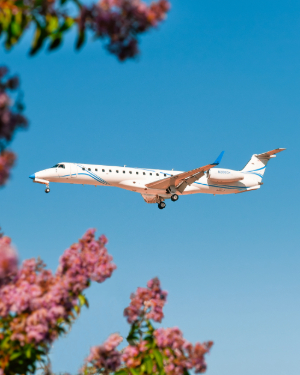

Elevate Jet has introduced an artificial intelligence pricing engine designed to recalibrate how charter quotes are generated across its managed fleet. The Bedford, Massachusetts-based operator announced the rollout as part of a broader effort to modernize the quoting process for Part 135 operations, a corner of business aviation where pricing has long depended on a mixture of static rate cards, broker negotiation, and operator intuition.
For enthusiasts who follow the mechanics of the charter market, the move represents a meaningful shift. Charter pricing has historically lagged behind the dynamic models common in scheduled commercial aviation, where seat inventory, demand curves, and competitor fares feed algorithms that adjust prices in near real time. Elevate Jet's new system aims to import some of that discipline into the on-demand world, where every trip is bespoke, and variables multiply quickly.
How the engine works
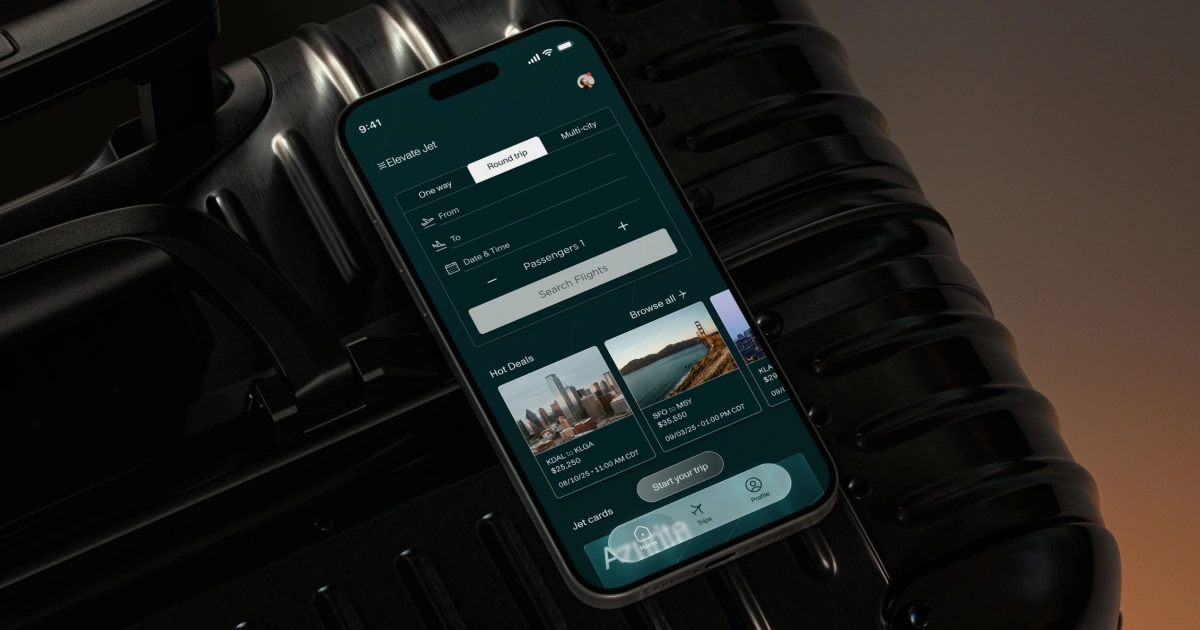
The pricing engine ingests a range of inputs to produce quotes that reflect both internal cost structures and external market conditions. According to the company, the system weighs aircraft type, route geometry, repositioning requirements, crew duty constraints, and prevailing demand signals to arrive at a recommended rate. The objective is to remove guesswork from quoting while preserving the flexibility that distinguishes charter from scheduled service.
Sales teams retain oversight. The engine produces a recommendation, but human operators can adjust it based on client relationships, repeat-business considerations, or unusual operational factors. The result is a hybrid model in which machine learning handles the heavy analytical lifting and experienced personnel apply judgment at the margins.
Why the timing matters
The charter market has experienced significant turbulence over the past several years. Demand surged during the pandemic as new entrants discovered private aviation, then softened as economic conditions tightened and some jet card and membership programs faltered. Operators that survived the volatility have been forced to reconsider how they price risk, manage utilization, and respond to competitive pressure from brokers operating across multiple platforms.
Against that backdrop, an AI-driven pricing tool offers a way to react faster. Quotes that once took hours or a full business day can now be returned in minutes, which is a meaningful advantage when clients are shopping with multiple operators. Speed alone does not win business, but speed combined with accurate pricing tends to.

Photo: AeroXplorer/ Rafi G
Elevate Jet's position
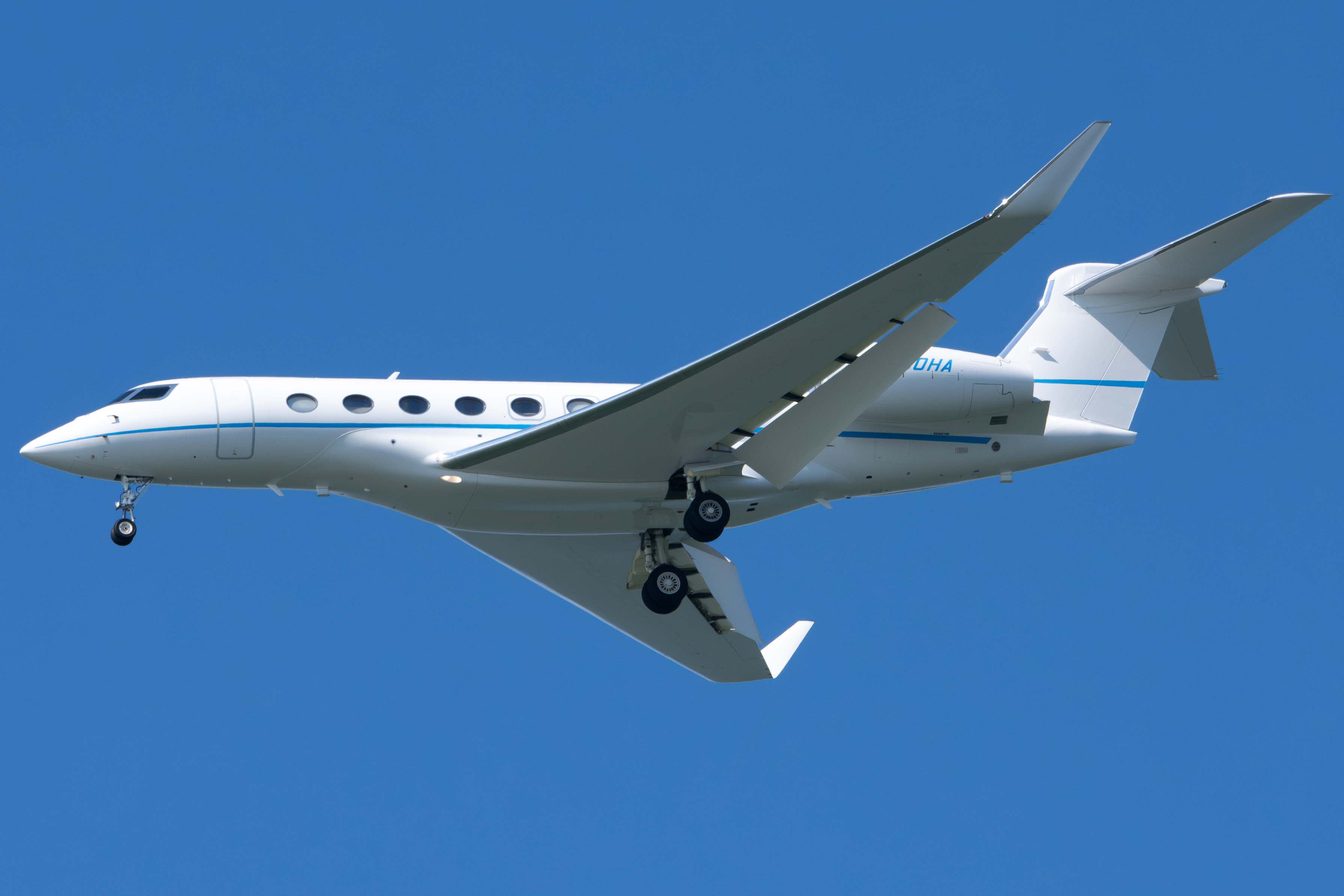
Elevate Jet manages a fleet that includes Gulfstream, Bombardier, and Dassault aircraft, serving owners who place their jets on the company's Part 135 certificate for charter revenue. The operator's value proposition to owners depends in part on its ability to generate consistent charter income, which makes pricing accuracy a direct financial concern rather than an abstract operational improvement.
Travis Mahan, Elevate Jet's vice president of sales, framed the introduction as a response to a market that has grown more complex. The company indicated that the engine had been in development and testing before its broader deployment, with internal data used to refine the model's outputs against historical bookings and quoted business that did not convert.
Alaska Goes Global: How Hawaiian Airlines Changed the Carrier’s Future
The broader industry context
Elevate Jet is not alone in turning to artificial intelligence. Several charter brokers and operators have introduced similar tools over the past two years, ranging from instant-quote widgets on consumer-facing websites to more sophisticated internal systems that optimize fleet utilization. Software vendors serving the business aviation segment have built pricing modules into their broader operations platforms, and the gap between firms that have adopted these tools and those still relying on spreadsheets continues to widen.
For enthusiasts, the implications extend beyond a single operator's announcement. As more of the charter market adopts algorithmic pricing, the behavior of quotes themselves will change. Expect tighter alignment between supply and demand, more aggressive pricing on empty legs and repositioning flights, and a narrowing of the wide spreads that have historically separated competing quotes for the same trip. Whether that translates into better value for charter clients or simply more efficient revenue capture for operators depends on how competition unfolds.
Operational considerations
Algorithmic pricing is not without risk. Models trained on historical data can struggle when conditions shift abruptly, as they did during the early months of the pandemic and again during the subsequent demand correction. Operators that lean too heavily on automated outputs without contextual judgment can find themselves quoting business at unsustainable rates or pricing themselves out of trips they should have won.
Elevate Jet's hybrid approach, in which the engine recommends, and humans decide, reflects an awareness of those limits. The company has framed the tool as an aid rather than a replacement, language that aligns with how most thoughtful adopters of AI in aviation have positioned similar systems.
What to watch next
The real test will arrive over the coming quarters. If the pricing engine helps Elevate Jet improve its quote-to-booking conversion rate, reduce time-to-quote, and lift fleet utilization, the rationale for further investment in machine learning across the operation will strengthen. If results prove mixed, the company will join a growing list of operators learning that the gap between promising technology and durable operational gains is wider than vendor pitches suggest.
Either way, the introduction signals where the charter segment is heading. Pricing, long the most opaque element of business aviation, is becoming measurably more data-driven. For those who follow the industry closely, that shift is worth tracking.
This Week in Aviation: The 10 Stories That Mattered Most » FAA to Convene Review Panel on Boeing 737 MAX Software Issue That May Burden Pilots During Landing » Southwest Airlines Flight Returns to Orlando After Bird Strike on Takeoff »

Comments (0)
Add Your Comment
TAGS
INFORMATIONAL Elevate Jet AI Pricing Engine Charter Aviation Business Aviation Dynamic Pricing Technology Innovation Artificial Intelligence Machine Learning Quotation System Charter Market Aviation Technology Pricing Strategy Charter Flights Aircraft Charter Charter Broker Travel Technology Real-Time Pricing Operational Efficiency Biz AvRECENTLY PUBLISHED
 American Airlines Swaps Landline Buses for CRJ-700 Flights on 84-Mile South Bend to Chicago Route
American Airlines replaces its South Bend to Chicago Landline bus service with CRJ-700 regional jet flights starting today, cutting travel to 84 miles by air.
ROUTES
READ MORE »
American Airlines Swaps Landline Buses for CRJ-700 Flights on 84-Mile South Bend to Chicago Route
American Airlines replaces its South Bend to Chicago Landline bus service with CRJ-700 regional jet flights starting today, cutting travel to 84 miles by air.
ROUTES
READ MORE »
 Aviation Fuel Prices Hit Six-Month High in September
Aviation fuel prices surged to their highest level in six months during September 2026, with jet-A and avgas posting notable gains.
NEWS
READ MORE »
Aviation Fuel Prices Hit Six-Month High in September
Aviation fuel prices surged to their highest level in six months during September 2026, with jet-A and avgas posting notable gains.
NEWS
READ MORE »
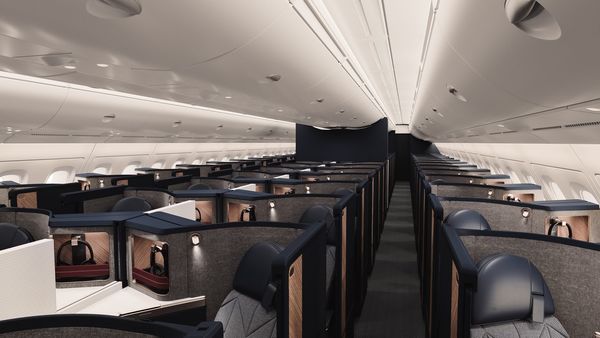 British Airways Unveils World's Largest Business Class Cabin With 106 Seats Aboard Refurbished A380 Fleet
British Airways reveals a record-setting 106-seat Club Suite business class cabin as part of a multi-billion pound A380 refurbishment program.
NEWS
READ MORE »
British Airways Unveils World's Largest Business Class Cabin With 106 Seats Aboard Refurbished A380 Fleet
British Airways reveals a record-setting 106-seat Club Suite business class cabin as part of a multi-billion pound A380 refurbishment program.
NEWS
READ MORE »
More than just headlines.
Get unlimited ad-free access to in-depth aviation news, premium stories, and exclusive insights other sites don't cover.
- Ad-free browsing on AeroXplorer
- Unlimited access to premium and exclusive articles
- Higher photo upload limits & commissions on sales
- Free access to Jetstream Magazine on higher tiers
- Ad-free browsing
- Sell aviation photos with 60% commission
- First week free!
- Everything in Basic+
- Unlimited premium articles
- Sell aviation photos with 70% commission
- Free Digital subscription to Jetstream Magazine
- First week free!
- Everything in Basic+ and Pro
- Sell aviaiton photos with 80% commission
- Early access to exclusive stories
- Free Digital+Print subscription to Jetstream Magazine