


A Cirrus Vision Jet pilot walked away unharmed after the single-engine aircraft lost power and made an emergency landing. The incident adds to a small but notable list of Vision Jet emergencies that have ended without injury, raising fresh discussion about the safety systems built into the world's only single-engine civilian jet.
What Happened
The Cirrus SF50 Vision Jet experienced an engine failure during flight. The pilot managed to bring the aircraft down safely, and no one on board was hurt. The aircraft itself sustained damage during the off-airport landing, though specific details about the extent of that damage remain under review by investigators.
The Vision Jet uses a single Williams International FJ33 turbofan engine. When that engine fails, the pilot has limited options compared to twin-engine jets. That design choice has long shaped how Cirrus approaches safety, and it played a role in how this particular flight ended without loss of life.

Photo: AeroXplorer/ Eric Anstine
The Role of the Whole-Airframe Parachute
Every Vision Jet comes equipped with the Cirrus Airframe Parachute System, known as CAPS. The system deploys a large parachute from the top of the fuselage, lowering the entire aircraft to the ground under canopy. Cirrus originally developed CAPS for its piston-engine SR-series aircraft, and the company carried the technology over to the Vision Jet when it entered service in 2016.
CAPS has been credited with saving lives across the Cirrus fleet for years. In the Vision Jet specifically, the system gives pilots a last-resort option if the single engine fails and a suitable landing site is not within glide range. Whether CAPS was deployed in this most recent incident has been a key question for investigators and observers alike.
Investigation and Next Steps
Federal aviation authorities will examine the engine, the aircraft's flight data, and the circumstances leading to the power loss. Engine failures in modern turbofans are uncommon, and each one prompts detailed mechanical analysis to determine whether the issue was isolated or could affect other aircraft in the fleet.
The investigation will likely look at maintenance records, fuel quality, and any warning indications the pilot received before the failure. Findings from these reviews often take months to publish, and preliminary reports typically arrive within a few weeks of the event.
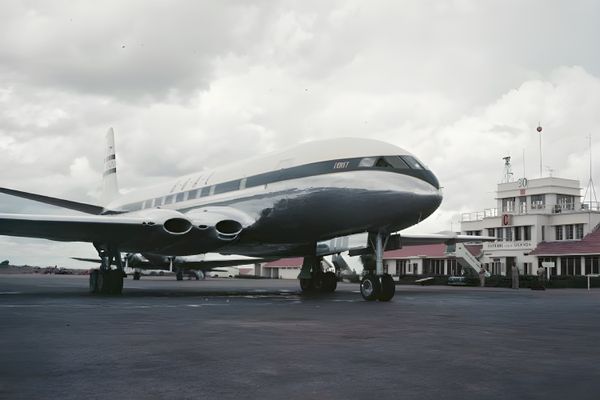
The Shape of Disaster: The Plane That Kept Falling Apart Mid-Air
The Vision Jet in Context
Cirrus introduced the Vision Jet as a personal jet aimed at owner-pilots stepping up from high-performance piston aircraft. It seats up to seven people, cruises at jet altitudes, and offers a price point well below traditional light jets. The aircraft has become popular in the owner-flown segment, with hundreds delivered since certification.
The single-engine design has always drawn attention. Traditional thinking in business aviation favored twin-engine jets for redundancy. Cirrus countered that argument with CAPS, advanced avionics, and the safety margins built into modern turbofan engines. Incidents like this one tend to bring those debates back into focus.

Safety Record
The Vision Jet has built a generally strong safety record since entering service, though it has experienced a handful of incidents and accidents over the years. Some have involved CAPS deployments, while others ended in conventional emergency landings. The combination of glass-cockpit avionics, autopilot envelope protection, and the parachute system gives pilots multiple layers of backup when something goes wrong.
For owner-pilots, the safety question matters enormously. Many Vision Jet buyers fly the aircraft themselves, often without a professional copilot. That makes pilot workload and emergency systems central to the aircraft's appeal. A successful outcome in this latest engine failure adds another data point that owners and prospective buyers will weigh.
What This Means for Single-Engine Jet Operations
The broader question of single-engine jet safety has been debated since the Vision Jet's certification. European regulators initially resisted the concept before approving it. American regulators accepted the design earlier, partly because of CAPS and partly because of the engine's reliability record.
Each engine failure incident provides real-world data on how the safety case holds up. When pilots land safely, whether under parachute or by gliding to a runway, the design philosophy gains support. When outcomes are worse, the debate sharpens. This incident, with no injuries reported, lands on the positive side of that ledger.
Williams International, which makes the FJ33 engine that powers the Vision Jet, has a long history in small turbofan production. The company supplies engines to several light jet manufacturers, and its engines have generally performed well in service. Any finding that points to a mechanical issue with the engine itself would have implications beyond the Vision Jet fleet.
What to Watch For
Several pieces of information remain outstanding. Investigators have not yet released the location of the incident, the phase of flight when the failure occurred, or the pilot's name. The aircraft's tail number and total flight hours will also factor into the technical review.
You can expect more details to emerge as the National Transportation Safety Board publishes its preliminary report. That document typically appears within about two weeks of an incident and provides the first official summary of facts. A final report with probable cause findings usually follows 12 to 24 months later.
Cirrus has not yet issued a detailed public statement on the incident. The company typically cooperates fully with safety investigators and may release information once the initial review is complete.
The Bottom Line
An engine failure in any aircraft is serious. In a single-engine jet, it is critical. The Vision Jet pilot in this case handled the emergency well enough to walk away, and the safety systems built into the aircraft appear to have worked as designed. The incident reinforces both the risks inherent to single-engine jet flying and the value of the backup systems Cirrus engineered into the platform.
For now, the most important fact is the simplest one. Everyone on board is safe. The investigation will fill in the rest of the picture over the coming weeks and months.
Ambulances Meet Eurowings Jet From Rhodes After Passengers Feel Unwell in Flight » This Week in Aviation: The 10 Stories That Mattered Most » German Eurofighters Intercept British Airways Flight »

Comments (0)
Add Your Comment
TAGS
NEWS Cirrus Vision Jet Engine Failure Emergency Landing Aircraft Safety Single-Engine Aircraft Pilot Response Safety Systems Aviation Emergency Virginia Aviation Parachute System Cirrus Aircraft Aviation Incident Safe Landing FAA InvestigationRECENTLY PUBLISHED
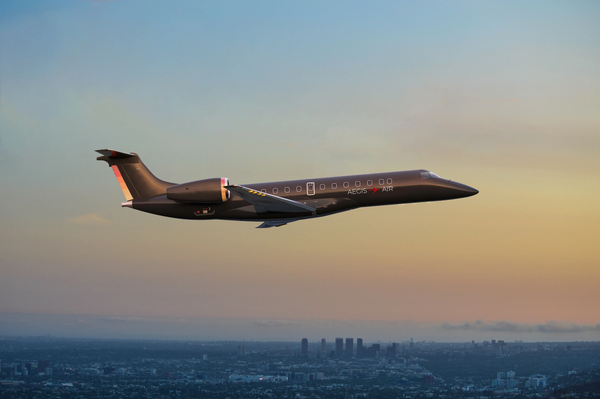 Aegis Air Bets on By-the-Seat Private Jet Flights From Miami to Caracas
A new US start-up is testing whether Caracas can support its own private jet shuttle. Aegis Air, a virtual carrier founded this year, is due to start by-the-seat flights between Miami and the Venezuelan capital today, 20 October, aboard a 16-seat Embraer E135.
NEWS
READ MORE »
Aegis Air Bets on By-the-Seat Private Jet Flights From Miami to Caracas
A new US start-up is testing whether Caracas can support its own private jet shuttle. Aegis Air, a virtual carrier founded this year, is due to start by-the-seat flights between Miami and the Venezuelan capital today, 20 October, aboard a 16-seat Embraer E135.
NEWS
READ MORE »
 Ambulances Meet Eurowings Jet From Rhodes After Passengers Feel Unwell in Flight
A Eurowings Airbus landed in Düsseldorf on Sunday evening, October 18, to a large emergency response, after several people on board suddenly became unwell on the way from Rhodes.
NEWS
READ MORE »
Ambulances Meet Eurowings Jet From Rhodes After Passengers Feel Unwell in Flight
A Eurowings Airbus landed in Düsseldorf on Sunday evening, October 18, to a large emergency response, after several people on board suddenly became unwell on the way from Rhodes.
NEWS
READ MORE »
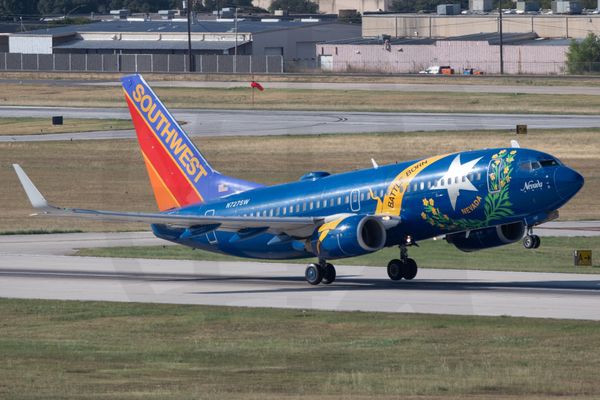 Chicago Midway Loses One of Its Four Runways for a Month After Jet Blast Damages a Key Safety System
Chicago Midway International Airport has pulled one of its four runways out of service for roughly a month after the arresting system at the end of the runway was damaged, with jet blast among the causes.
NEWS
READ MORE »
Chicago Midway Loses One of Its Four Runways for a Month After Jet Blast Damages a Key Safety System
Chicago Midway International Airport has pulled one of its four runways out of service for roughly a month after the arresting system at the end of the runway was damaged, with jet blast among the causes.
NEWS
READ MORE »
More than just headlines.
Get unlimited ad-free access to in-depth aviation news, premium stories, and exclusive insights other sites don't cover.
- Ad-free browsing on AeroXplorer
- Unlimited access to premium and exclusive articles
- Higher photo upload limits & commissions on sales
- Free access to Jetstream Magazine on higher tiers
- Ad-free browsing
- Sell aviation photos with 60% commission
- First week free!
- Everything in Basic+
- Unlimited premium articles
- Sell aviation photos with 70% commission
- Free Digital subscription to Jetstream Magazine
- First week free!
- Everything in Basic+ and Pro
- Sell aviaiton photos with 80% commission
- Early access to exclusive stories
- Free Digital+Print subscription to Jetstream Magazine