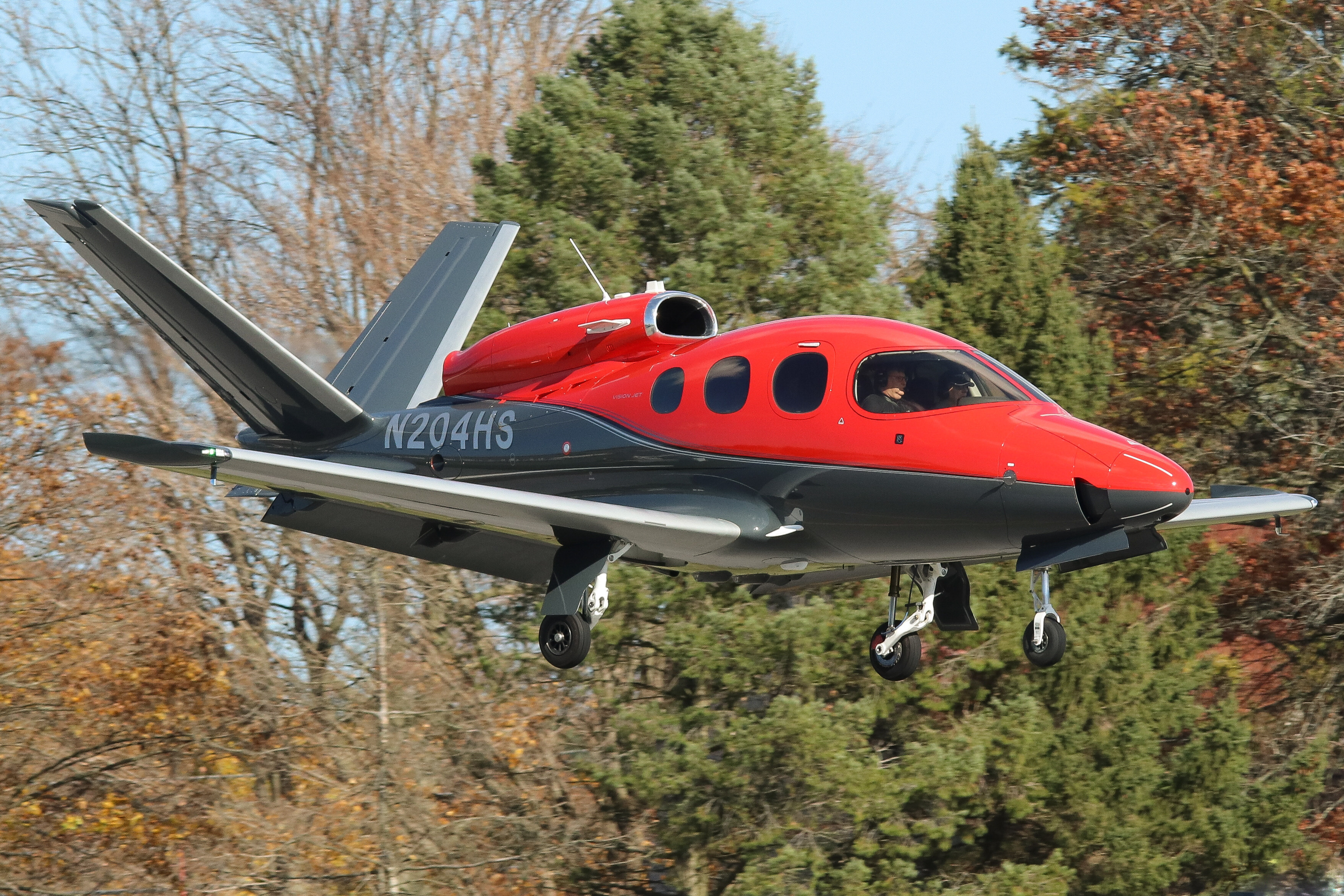

A bill introduced in the US House of Representatives is pushing federal regulators to take another look at the Chinese ownership of Cirrus Aircraft, the Duluth, Minnesota-based general aviation manufacturer known for its SR series piston planes and the Vision Jet.
The legislation calls on the Committee on Foreign Investment in the United States (CFIUS) to reopen its review of the 2011 acquisition of Cirrus by China Aviation Industry General Aircraft (CAIGA), a subsidiary of the state-owned Aviation Industry Corporation of China (AVIC). Lawmakers backing the bill argue that the original clearance did not adequately weigh national security risks tied to aerospace technology transfer.

What the bill proposes
The measure would direct CFIUS to conduct a fresh assessment of the deal that placed one of America's most recognizable light aircraft brands under Chinese state-linked ownership. Supporters of the bill say the geopolitical landscape has shifted significantly since the transaction closed, and they want regulators to determine whether continued foreign control of Cirrus poses risks to sensitive US aviation know-how.
CFIUS is the interagency panel responsible for reviewing foreign investments in US companies that could affect national security. The committee has the authority to recommend that the president block or unwind transactions it deems problematic, even though retroactive action on a deal completed more than a decade ago would be unusual.
Why Cirrus is drawing scrutiny
Cirrus Aircraft has become one of the top-selling general aviation manufacturers in the world. Its SR22 has topped delivery rankings in its class for years, and the company's Vision Jet, certified in 2016, was the first single-engine personal jet to reach the market. Both aircraft rely on advanced composite airframes, integrated avionics, and, in the case of the SR series, the Cirrus Airframe Parachute System.
Lawmakers concerned about the ownership structure point to the dual-use potential of these technologies. Composite manufacturing techniques, avionics integration, and jet propulsion systems all have applications that extend beyond civilian aviation. Critics of the 2011 deal have long argued that AVIC's broader portfolio, which includes military aircraft production in China, raises the stakes of any technology or engineering exchange.
Background on the 2011 acquisition
CAIGA acquired Cirrus in 2011 for a reported $210 million. At the time, Cirrus was working through financial difficulties, and the Chinese buyer pledged to maintain the company's US operations, including its Duluth headquarters and manufacturing footprint. The deal received CFIUS clearance before closing.
Since then, Cirrus has expanded its production capacity, added a service center network, and moved its final assembly and paint operations for the Vision Jet to Knoxville, Tennessee. The company employs thousands of workers across its US sites. In 2024, its parent group listed shares in Hong Kong, a move that drew renewed attention to the ownership structure.
Reactions and next steps
Cirrus Aircraft has consistently maintained that its day-to-day operations, engineering decisions, and workforce remain based in the United States. Company representatives have said that Chinese ownership has not compromised its compliance with US export control laws or its obligations under any prior CFIUS agreement.
Aviation industry observers note that reopening a completed transaction would set a notable precedent. CFIUS gained expanded authority under the Foreign Investment Risk Review Modernization Act of 2018, which broadened the types of deals subject to review and gave the committee more tools to examine previously cleared transactions if new information emerges.
The bill's path forward remains uncertain. It would need to clear the House, pass the Senate, and be signed into law before triggering any mandatory CFIUS action. Even without new legislation, the committee retains discretion to revisit past deals when circumstances warrant.

Analysis: How Spirit Airlines Changed Airline Pricing, then Paid the Price
Broader context
The push to reexamine Cirrus fits into a wider pattern of congressional scrutiny of Chinese investment in US aerospace, semiconductors, biotech, and other sectors considered strategically important. Several bills introduced in recent sessions have targeted foreign ownership of American technology firms, and lawmakers have pressed federal agencies to take a harder line on transactions involving state-linked buyers from China.
For the general aviation sector, the outcome could shape how future cross-border deals are structured. A forced divestiture or new operating restrictions on Cirrus would send a clear signal to other foreign investors weighing acquisitions of US aerospace assets. A finding that the current arrangement remains acceptable would reinforce the durability of past CFIUS clearances.
For now, Cirrus continues to build and deliver aircraft from its US facilities. Customers taking delivery of new SR series piston aircraft and Vision Jets are unlikely to see immediate changes. The company has not indicated any planned response to the legislation beyond monitoring its progress through Congress.
Whether the bill advances or stalls, the debate around Cirrus underscores the ongoing tension between open investment policies and national security concerns in industries where civilian and defense technologies increasingly overlap.
Federal Grand Jury Indicts Passenger Duct-Taped to Seat on American Airlines Flight » Ambulances Meet Eurowings Jet From Rhodes After Passengers Feel Unwell in Flight » American Airlines 737 Diverts to Chicago O'Hare After Suspected Cabin Fire »

Comments (0)
Add Your Comment
TAGS
NEWS China Committee on Foreign Investment in the United States (CFIUS) China Aviation Industry General Aircraft (CAIGA) Piston plane Cirrus AircraftRECENTLY PUBLISHED
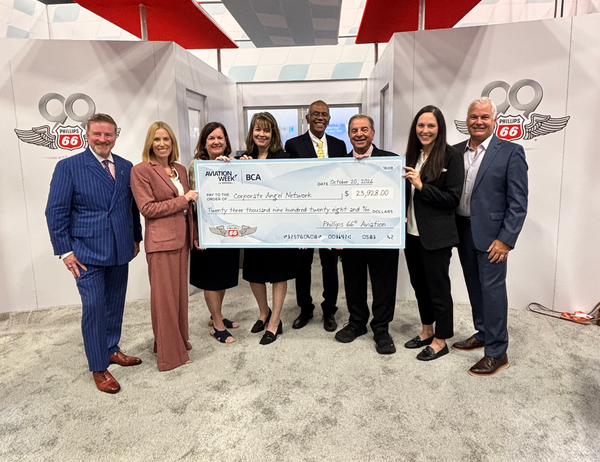 Phillips 66 Aviation Donates $23,928 to CAN in Support of Cancer Patient Flights
Phillips 66 Aviation presented a $23,928 check to Corporate Angel Network at NBAA-BACE 2026, supporting free flights for cancer patients on corporate aircraft.
NEWS
READ MORE »
Phillips 66 Aviation Donates $23,928 to CAN in Support of Cancer Patient Flights
Phillips 66 Aviation presented a $23,928 check to Corporate Angel Network at NBAA-BACE 2026, supporting free flights for cancer patients on corporate aircraft.
NEWS
READ MORE »
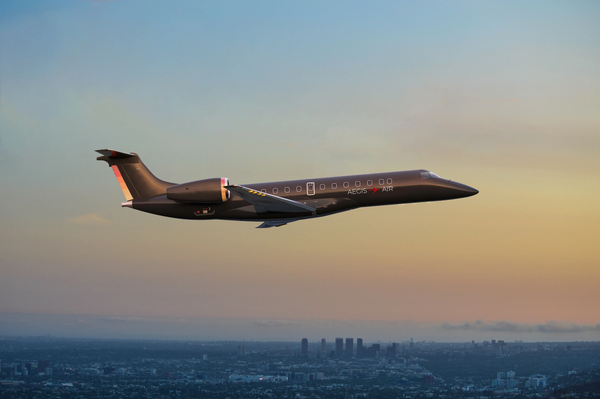 Aegis Air Bets on By-the-Seat Private Jet Flights From Miami to Caracas
A new US start-up is testing whether Caracas can support its own private jet shuttle. Aegis Air, a virtual carrier founded this year, is due to start by-the-seat flights between Miami and the Venezuelan capital today, 20 October, aboard a 16-seat Embraer E135.
NEWS
READ MORE »
Aegis Air Bets on By-the-Seat Private Jet Flights From Miami to Caracas
A new US start-up is testing whether Caracas can support its own private jet shuttle. Aegis Air, a virtual carrier founded this year, is due to start by-the-seat flights between Miami and the Venezuelan capital today, 20 October, aboard a 16-seat Embraer E135.
NEWS
READ MORE »
 Ambulances Meet Eurowings Jet From Rhodes After Passengers Feel Unwell in Flight
A Eurowings Airbus landed in Düsseldorf on Sunday evening, October 18, to a large emergency response, after several people on board suddenly became unwell on the way from Rhodes.
NEWS
READ MORE »
Ambulances Meet Eurowings Jet From Rhodes After Passengers Feel Unwell in Flight
A Eurowings Airbus landed in Düsseldorf on Sunday evening, October 18, to a large emergency response, after several people on board suddenly became unwell on the way from Rhodes.
NEWS
READ MORE »
More than just headlines.
Get unlimited ad-free access to in-depth aviation news, premium stories, and exclusive insights other sites don't cover.
- Ad-free browsing on AeroXplorer
- Unlimited access to premium and exclusive articles
- Higher photo upload limits & commissions on sales
- Free access to Jetstream Magazine on higher tiers
- Ad-free browsing
- Sell aviation photos with 60% commission
- First week free!
- Everything in Basic+
- Unlimited premium articles
- Sell aviation photos with 70% commission
- Free Digital subscription to Jetstream Magazine
- First week free!
- Everything in Basic+ and Pro
- Sell aviaiton photos with 80% commission
- Early access to exclusive stories
- Free Digital+Print subscription to Jetstream Magazine